Beaver Boom & Ghost Orchid
The latest news on nature and conservation in Britain.
National news
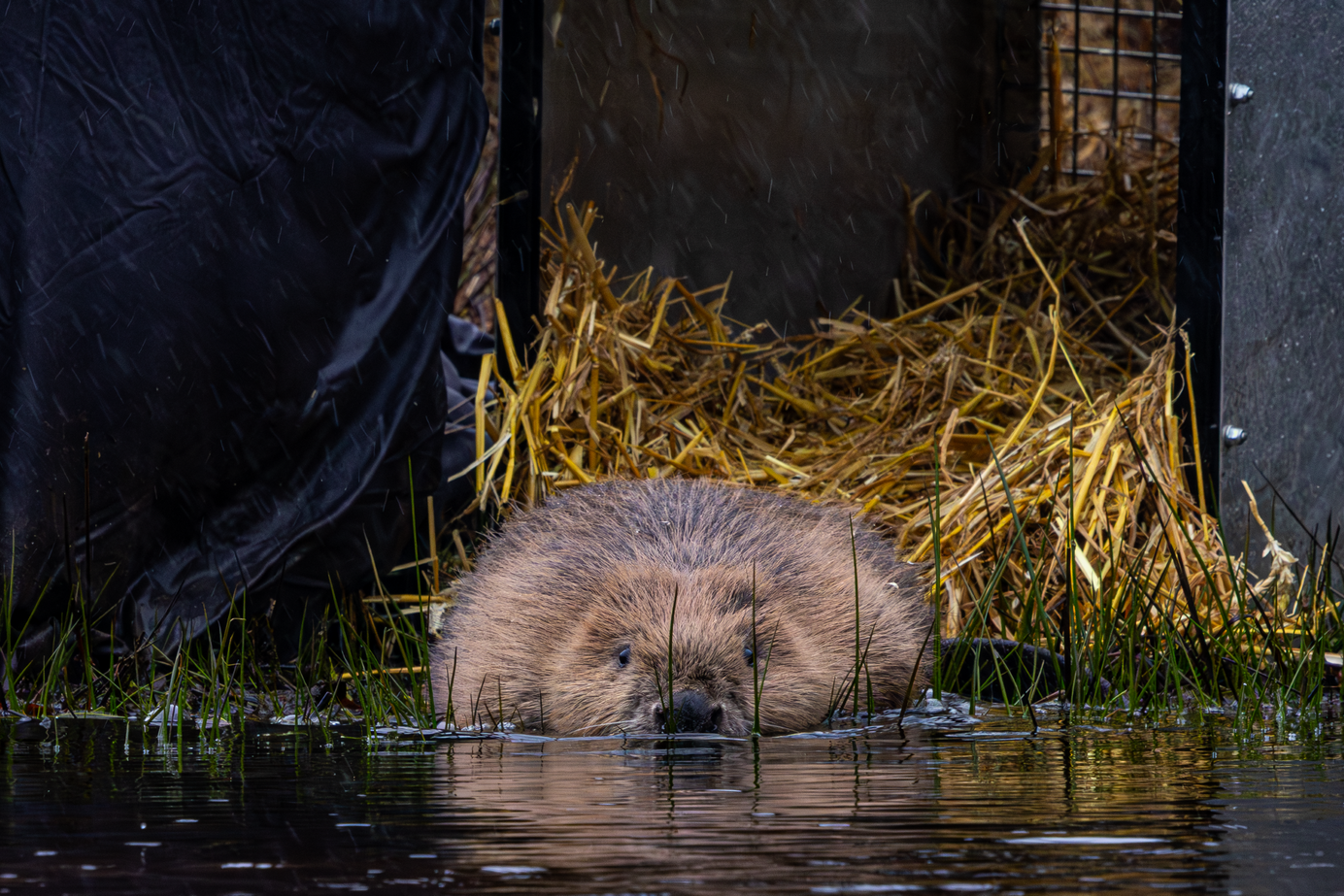
Beavers | Britain is experiencing a beaver ‘baby boom’ this summer as kits are emerging across the country. From the Cairngorms in Scotland to Canterbury in Kent, the new arrivals are proof of the growing momentum of efforts to reintroduce the species, according to ecologists. Most recently, at least two kits have been born at Paradise Fields in Ealing, representing the first beavers to be born in urban London in more than 400 years. The kits emerged a mere eight months after a beaver family was reintroduced to the capital city, and Dr Sean McCormack – one of the volunteers at the project – said their arrival proved that beavers and Londoners can co-exist. The Guardian and the BBC covered the news. Not everything is rosy, however: the Times reports that locals are outraged after Forestry and Land Scotland confirmed its intention to apply for a licence to release beavers in Glen Affric.
Grouse | With the arrival of the ‘Glorious Twelfth’, wildlife campaigners are calling for tougher restrictions on Scottish grouse moors. Monday marked the legal start of the shooting season, and for the first time, grouse moors in Scotland must hold a licence for shooting under legislation introduced earlier this year designed to reduce the illegal killing of birds of prey. Professor Colin Galbraith, an ecologist who chairs NatureScot’s board, said he was ‘genuinely optimistic’ the legislation would improve wildlife conservation on the moors. However, campaigners want the laws to be extended further to accurately capture the full ecological impact of grouse shooting. The campaign coalition Revive and the RSPB are calling on the government to require gamekeepers to count the foxes, stoats, weasels and crows killed each year to protect grouse chicks. The Guardian reported the news, while the Press & Journal investigated divided opinions on the sport.
Peatlands | The government is underestimating the amount of carbon emissions being saved by peatland restoration, according to the Wildlife Trusts. Working with the University of Oxford, the Trusts analysed its own network, and found that, since 2008, it has brought 60,000 hectares of peatland under restoration. The main issue with the government numbers, according to the Trusts, is that for England, the estimates are based on the amount of restoration funding from one government stream: the Nature for Climate Fund. Although government funding is an ‘important source of support’, it is by no means the only source. Since 2008, the Trusts have received £45.5 million in funding, of which £13.4 million – almost a third – was from non-government sources. In a blog it stated that ‘we’re confident that these emissions savings are not counted [...] and the total emission saving from peatland restoration to date should be far more promising.’
In other news:
- NatureScot has announced two pilot schemes to financially incentivise deer culls in specific parts of Scotland.
- Forty companies have agreed to pay out £4.4m to environmental charities for breaking green rules in the Environment Agency’s latest round of enforcement, reports ENDS.
- Natural Resources Wales has concluded work on a £4.5m project to restore hundreds of hectares of peatland at six raised bogs across the country.
- Natural England’s total budget has seen a £14m drop for the first time in five years, reports ENDS.
- A group of environmental charities has warned that fines for water companies must be used to fix the sewage issue, and not swallowed by the Treasury, reports iNews. Meanwhile, campaigners have warned of ‘extreme anger’ if Labour fails to reform the water regulator Ofwat, reports the Guardian.
- A report by the RSPCA has found that rising cases of animal abuse in England and Wales are being fuelled by social media. The Guardian covered the news.
Across the country
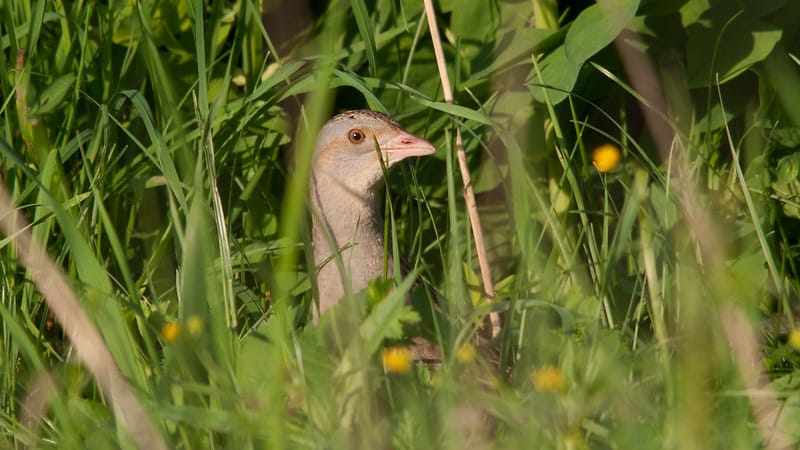
Norfolk | A population of corncrakes is slowly being reestablished in Norfolk, thanks to a multi-year reintroduction project, reports the BBC. Conservationists began reintroducing the birds in 2021, with a hundred bred in captivity and released each year onto the floodplains of the River Ouse. There were nine calling males this year, up from three in the first year of the project, suggesting a population around twice that size once the quieter females are taken into account. Corncrakes migrate to Africa in the autumn, with only a small number returning the following spring, making them difficult to reestablish. The Norfolk birds are the only known population in England, with the rest of Britain’s cohort restricted to a small number of Scottish islands.
York | The Ministry of Defence is working with biologists from the University of York to save a rare moth, which is only found at one known site in England: the military training area at Strensall Common near York. Numbers of the dark-bordered beauty moth have fallen by more than 90% since records began at the common in 1894, and now only 50 to 100 individuals remain. To boost its numbers, the MoD is putting up fencing around areas of creeping willow, on which the moth relies for both food and to lay its eggs. Dr Peter Mayhew from the University said the species was of ‘enormous cultural importance’, and had only survived up to this point thanks to the protection of the heathland by the military. The BBC covered the story.
North Wales | The coast of north Wales is home to around 70% of Wales’ grey seal population, according to the first complete aerial census of seals in Wales. The survey was conducted over three days last August, and involved photographing and counting more than 1,300 seals at 58 haul-out sites. It revealed that the vast majority of seals are located in north Wales – described as the country’s ‘seal capital’ – with the rest found in Pembrokeshire. It also showed a ‘population explosion’, with the number of seals spotted during summer increasing by around 65% over the past 20 years. The survey is part of a wider study of seal populations in the southwest of Britain, and the results will now be analysed by experts to better understand why numbers are rising in the north. Yahoo News and the Leader reported the news.
Elsewhere:
- A project to eradicate stoats from Orkney has been awarded £4m to continue its work, reports the BBC and the Herald.
- Ely Cathedral in Cambridgeshire has become the third cathedral to receive the Eco Church Award for eco-friendly initiatives. The BBC has profiled its environmental efforts.
- An ex-monk in Ceredigion has invited the public to cuddle his cows to help relieve stress and promote relaxation, reports the BBC.
- Herts and Middlesex Wildlife Trust is undertaking a two-year project to restore 11km of chalk stream near Welwyn Garden City, reports the BBC and the Independent.
- Rangers are celebrating after finding no confirmed cases of bird flu in Britain’s largest mainland colony of Arctic terns at Long Nanny on the Northumberland coast, reports the BBC.
- A development group is planning to transform a disused 71-acre quarry in Yorkshire into a ‘regionally significant’ nature reserve, reports the Yorkshire Post.
- Patches of countryside are turning purple in Shropshire and Staffordshire where conservation projects are planting purple plants to provide food for rare species, reports the Shropshire Star.
- Developers are planning to create a haven for sandwich terns at a site in Dumfries and Galloway to offset the impact of two wind farms in Norfolk, reports the BBC.
- A young nature-enthusiast and her father discovered a dazzling rainbow sea slug in Devon, believed to be the first sighting of the species in the county.
- A project to restore sand dunes using Christmas trees and planting marram grass in Lancashire has been hailed a success, reports the BBC.
- The Cotswold Canals Trust is planning to create a new wetland south of Whitminster as part of a canal restoration, according to Stroud District Council.
- A project to boost barn owl numbers in the Howardian Hills landscape in north Yorkshire is celebrating its first chicks, reports the BBC.
- A Cumbrian volunteer group has worked with local farmers in the Lake District to successfully protect and ring 11 curlew chicks, reports the Whitehaven News.
- The Wildlife Trust of South and West Wales is set to begin restoring a lost temperate rainforest near Fishguard, reports the BBC.
Reports
Drought | A report by the Wildlife Trusts has identified drought as the top threat to nature reserves across the country. The charity surveyed its ecologists, who work at 2,600 reserves covering nearly 10,000 hectares of Britain, to better understand the growing threats to wildlife. Nine in ten said that drought was already having a negative impact on nature, and a similar proportion said it would continue to be the leading threat for the next three decades. Other current threats included pollution (reported by 80% of staff), invasive species (73%) and habitat fragmentation (62%), while staff also reported future concerns over heatwaves (89%) and wildfire (70%). The rest of the report focuses on adapting to the threats of climate change: it outlines practical examples from its reserves, and also calls on the government to commit to more ambitious adaptation policies. The Times and the Evening Standard covered the research.
Farming | A report from Natural England finds that schemes designed to boost nature-friendly farming are already having a positive impact on wildlife populations across the wider landscape. In particular, it found that ‘an increase in AES [agri-environment scheme] uptake was associated with greater species richness, diversity, abundance or presence’ for butterflies, moths and two species of bat. However, the impacts on birds, bees and hoverflies were less pronounced, with numbers determined more by habitat than farming schemes. The specific report underlying these findings can be found here. The report also looked at the future of food production, concluding that this will need to drop to meet climate targets, with a reduction in meat consumption and food waste compensating for the shortfall. The Guardian covered the news, while an editorial called on the Labour government to confirm the future of farming subsidies, given the evidence of their success.
Verges | The campaign group Nature 2030 has published a report on how better management of Britain’s road verges could provide a boost to biodiversity, including practical guidance and case studies for those who want to take action themselves. Its best practice guide includes advice on mowing frequency, the collection of cuttings and the creation of different grassland structures. It also contains advice on communicating any changes to the public. The report launch was supported by Plantlife, with Chris Packham pledging his support. BusinessGreen and the Ecologist covered the news.
Science
Pollution | Rivers across all ten of England’s national parks are polluted with pharmaceuticals, at levels harmful to both humans and wildlife. The contaminants, which were found in 52 of 54 sampled locations, included antidepressants, antimicrobials and diabetes treatments. The level of pollution was generally lower than that found in urban rivers – but not always. Some rivers in the Peak District and Exmoor suffered from higher levels of pharmaceuticals than even cities such as London, at concentrations that could lead to antimicrobial resistance in bacteria. The authors behind the study, based at the University of York and the Rivers Trust, explained that National Park rivers are particularly vulnerable to pollution due to tourist numbers and poor infrastructure, and called for greater investment and further monitoring. The study was published in Environmental Toxicology and Chemistry, and was covered by Yorkshire Bylines and Channel 4.
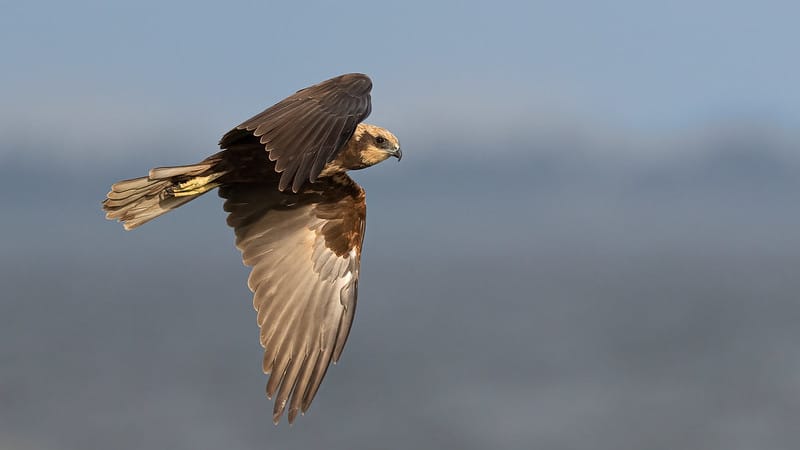
Harriers | Marsh harriers often nest in close proximity to waders, which has led to a perception of a conservation conflict between the two, on the basis that the raptor could potentially prey on the threatened wader chicks. However, a study published in Bird Study suggests that the waders form only a small part of the marsh harriers’ diets. This is because waders hatch earlier than marsh harriers, and so most had fledged or matured by the time the adult harriers needed to feed their own young. Monitoring across the UK, Netherlands, France, Poland, Finland and Norway suggested that waders only comprised around 1.5% of marsh harrier diet during the breeding season; instead, their favoured morsels were waterfowl, gamebirds, small passerines and small mammals. Lead author Emily Upcott explained the findings in a blog for the RSPB.
Fisheries | Traditional ecological knowledge, historical archives, archaeology and palaeoecology can all provide insights into the long-term fortunes of the world’s oceans. But how should fishery managers use that information to manage marine environments today? A paper in Fish and Fisheries attempts to bring together theory and practice, using case studies from the Caribbean Sea. Centuries-old middens containing discarded queen conch shells, for instance, show how the size and population structure of the gastropod has changed in recent decades – information which could be used to update the rules on modern-day harvest controls. The paper concludes with a number of recommendations, including increased protection for important archival data, which are vulnerable to hurricanes and general decay.
Driftwood
Banksy | Graffiti artist Banksy has unveiled the ninth and final work in a series of surprise animals created across London. Beginning with a mountain goat in west London, the series also includes three monkeys swinging on an east London railway bridge, a lone wolf on a satellite dish in Peckham, and a school of piranhas on a police box near the Old Bailey criminal courthouse. The final work, discovered on Tuesday, depicted a gorilla releasing a sea lion and a number of birds, painted on the shutters of London Zoo. Banksy is famous for making political statements through his work, and fans of the artist have been debating the meaning behind the series – but Banksy’s support organisation, Pest Control Office, has suggested that the art was simply intended to cheer people up. Another theory posits that the final artwork explains where the previous eight originated. The BBC and the Independent covered the story.
Food | A feature in Noema Magazine looks at Solar Foods, the Finnish company made famous by George Monbiot for creating food ‘out of thin air’. In reality, the process depends on bacteria, solar energy and a lot of pipes. The final product, a yellow gloop called Solein, has been hailed as a means to replace the protein-based ingredients of existing products, thereby reducing the land required for agriculture. The article looks at how space travel influenced the innovation, and how the backlash to cultivated foods could stymie its development (for more on that, see this article, published in the Times this week, about the resistance to lab-grown meat). The potential for the start-up, concludes writer Philip Maugham, is massive, though its future remains uncertain. ‘Could the bioreactor become the plow of the 21st century, a newly ubiquitous tool better suited to the changing climate on Earth? … As is always the case in the history of technology, the long-term future remains opaque, hostage to contingencies like knowledge, resources and cultural will.’
Tipping points | We know that climate change is gradually changing the Earth’s environment, creating hotter summers, wetter weather, higher seas and fiercer wildfires. But what about climate tipping points – those vast systems of the natural world that climate change could be pushing towards collapse? An interactive feature in the New York Times looks at how close the Earth is to reaching these catastrophic cascades. Using maps of the globe, it illustrates what areas these systems cover, and at what temperature range they might be triggered. They include the mass death of coral reefs, the abrupt thawing of permafrost and the collapse of polar ice, and the shutdown of Atlantic currents, among others. The effects of these tipping points would be ‘sweeping and hard to reverse,’ the article explains. ‘Not like the turning of a dial, but the flipping of a switch.’
Further reading:
- The Guardian has two features on insects this week: one looking at their general decline, and the other focusing specifically on wasps.
- American mink may finally be eradicated from Britain after decades of wreaking havoc on native wildlife, reports the Times.
- Two academics from Lancaster University explain how new solar panels can benefit nature, in an article for the Conversation.
- Simon Armitage’s new poetry collection, Blossomise, is an invitation to both appreciate and protect nature, according to this piece in the Conversation.
- A column in the Spectator, by Ursula Buchan, asks what can save Britain’s ash trees.
- Forget the ‘climate crisis’ – just call it ‘climate change’. A piece in the Conversation looks at the efficacy of different terms when it comes to communicating the problem.
- The Wainwright Prize has released its shortlists of nature- and conservation-related books for 2024.
Happy days
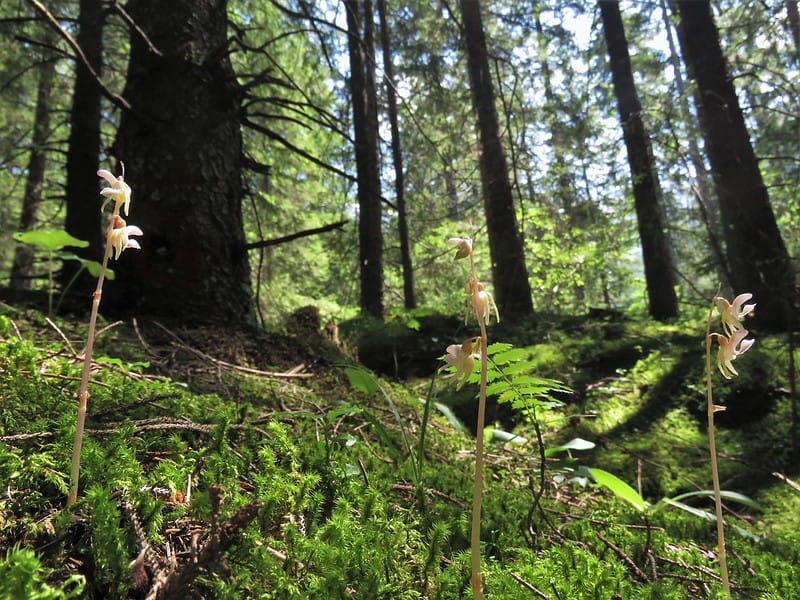
Orchid | The elusive ghost orchid has been found flowering in England for the first time since 2009. Before that, it was last spotted in 1987. The tiny white flower is notoriously difficult to find, with a long potential flowering period and decades between blooms. Meanwhile, factors like climate change and increased disturbance are making them rarer than ever. Possibly no one was happier about the discovery than the botanist Dr Richard Bate, who came across the orchid after 30 years of searching. BirdGuides covered the story.
2024 UK - Get in there! The Ghost #Orchid (Epipogium aphyllum) is one of our rarest species, and one that doesn’t need an introduction. After 30 years of searching I’m beyond delighted to have chanced upon one @EuropeanOrchids @Mariposa_Nature @BSBIbotany #wildflowerhour pic.twitter.com/2pdaejsyBL
— Dr Richard Bate (@thenewgalaxy) August 13, 2024
Subscribe to our newsletter
Members receive our premium weekly digest of nature news from across Britain.
Comments
Sign in or become a Inkcap Journal member to join the conversation.
Just enter your email below to get a log in link.