Beavers 'Come Home' & Nature Emergency
The latest news on nature and conservation in Britain.
National news
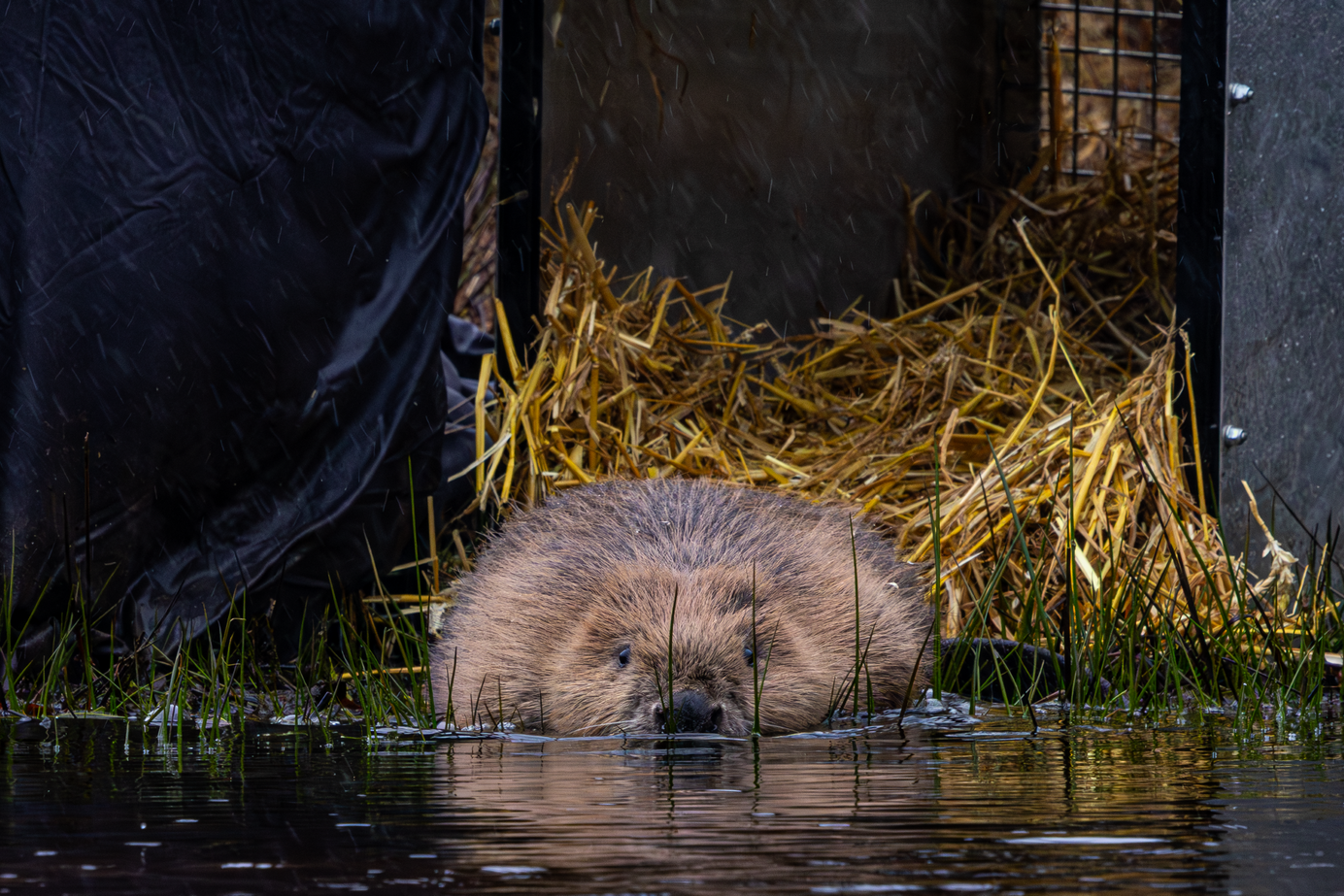
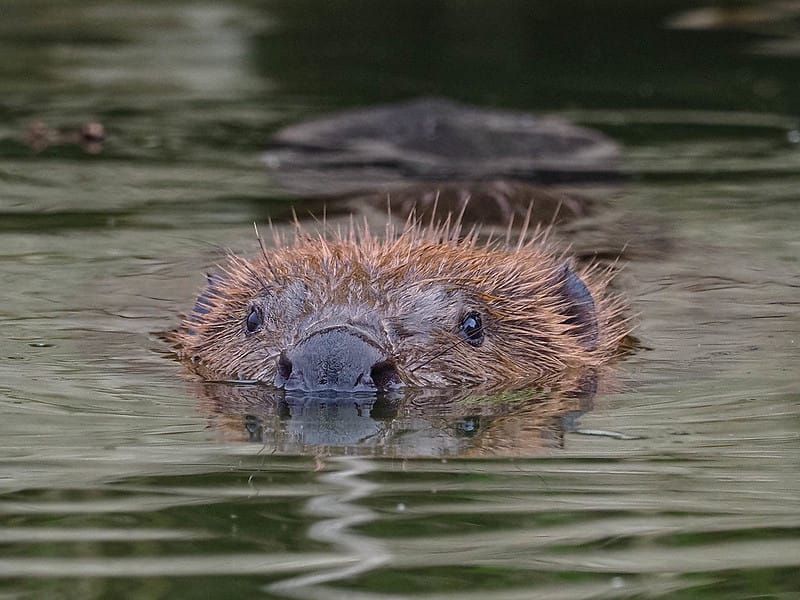
Beavers | After centuries of absence, beavers are ‘coming home’, in the words of the Wildlife Trusts. The government has announced that it will allow licensed releases of beavers into the English countryside for the first time. The species, driven to extinction in England four centuries ago, has been returning over the last 20 years via enclosures and illegal releases. Now, Defra has set out a policy paper covering licenses for wild release, the management of existing wild beaver populations, and developing a long-term plan for the species. It also highlights the impact of beavers on restoring wetland habitats and boosting biodiversity. The first legal release took place on Wednesday, when the National Trust released two pairs of beavers in Purbeck, Dorset. Conservationists are widely delighted by the news, with the Beaver Trust calling it a ‘landmark moment’. However, it has been met with consternation from some rural groups. Last week, the president of the NFU, Tom Bradshaw, said that any widespread release programme must allow farmers to cull beavers if they cause disruption such as flooding. Current plans, published under the previous government, suggest lethal control will only be allowed as a last resort. The news was widely covered.
Funding | Last Friday, the extended session of COP16 in Rome ended in accord at the eleventh hour. After three days of negotiations, countries from around the world agreed on a funding plan for nature recovery, overcoming the divisions which led to the breakdown of negotiations in Colombia last year. The new strategy agrees to ‘mobilise’ at least $200bn per year by 2030 to help developing countries conserve biodiversity. It also includes a commitment for a permanent fund for nature to ‘future-proof’ the flow of resources past 2030. Many negotiators said the agreement was a success for international cooperation, although not all countries were present – including the US – and some said the deal lacked ambition. Ruth Davis, the UK Special Representative for Nature, said the agreement was a heartening ‘moment of genuine progress’, and the UK must ‘build on the spirit of cooperation shown in Rome’ to mobilise the resources needed. The Guardian, BBC, Carbon Brief and Financial Times covered the news.
Seagrass | NatureScot has announced its ‘most ambitious’ seagrass planting scheme yet. The £2.4m project is aiming to plant 14 hectares of seagrass over the next three years, at four sites across Scotland: Shetland, Wester Ross, the Kintyre Peninsula, and the Firths around Cromarty. The announcement was made on Saturday, World Seagrass Day, and highlights the plight of seagrass globally: the habitat has been declining since the 1930s, with estimates that 7% of meadows are being lost each year. The funding for the project is being provided by the SSEN electricity company. NatureScot also highlighted the abundant benefits of seagrass, including its ability to lock away carbon, improve water quality, reduce wave energy, and provide habitat for a wide array of marine life. The Independent reported the news.
In other news:
- Keir Starmer has said that he ‘will not order’ the public to cut their meat consumption to reach net zero, reports the Times and Independent.
- Research commissioned by Nestlé has revealed that one in five city dwellers in the UK feel out of touch with nature, compared to only 9% of rural residents.
- The government has announced plans to open up the Land Registry, revealing more about who owns land in England and Wales. Read about it in Guy Shrubsole’s blog.
Across the country
Ullapool | The Scottish Wildlife Trust has announced the purchase of its largest ever site for nature restoration, thanks to a £17.5m mystery donation. The 7,618-hectare Inverbroom Estate, near Ullapool in northwest Scotland, was formerly a sporting estate, and is larger than the city of Dundee. The Trust was given the funds by a private donor on the understanding that the estate would be acquired for conservation purposes, and that none of the work would be funded through the sale of carbon credits. It is believed to be one of the largest gifts given to a conservation body in the UK. The Trust has announced several ambitions for the site, from the regeneration of river woodland and temperate rainforest to restoring peatlands and promoting nature-friendly farming. It also said that professional deer management would be an ‘important priority’ for achieving these aims. The Guardian and the Times reported the news.
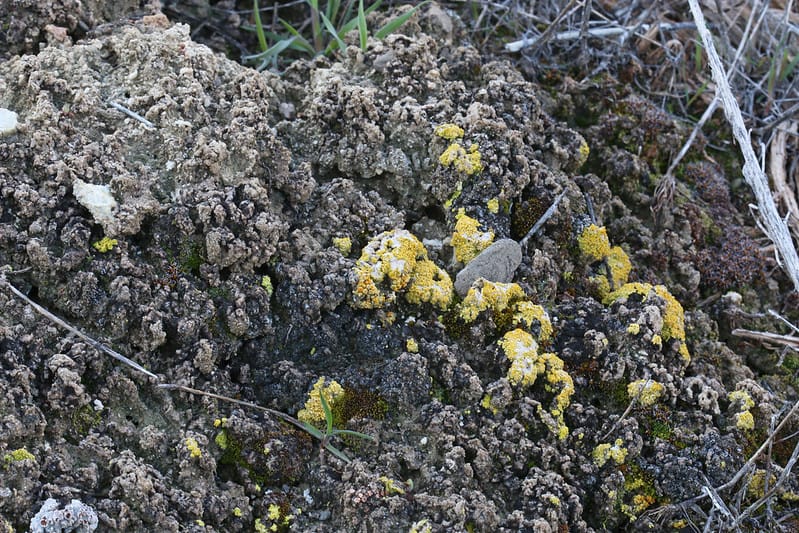
East Anglia | The charity Plantlife has reintroduced a rare lichen to its historical habitat in Norfolk and Suffolk, with the help of bookbinding glue. Gyalolechia fulgens, known as ‘scrambled egg lichen’ for its bright yellow, crumbly appearance, was thought to have gone locally extinct in the Breckland region due to habitat loss from changes in farming, increases in tree cover and the decline of rabbits. Now, Plantlife has translocated 160 pieces of lichen – around the size of 20p coins – from Penhale in Cornwall, over 350 miles away. Through trial and error, specialists found that the best technique for reattaching the pieces used bookbinding glue, which has the correct pH for the lichen and is also waterproof. The striking species is a crucial part of the biological soil crust community, according to the Norfolk Wildlife Trust, and helps to stabilise soils and encourage other plants to grow. The Guardian covered the story.
Central Scotland | A long-running project on the River Carron in central Scotland is reviving its endangered wild salmon populations while maintaining their genetic health. Conservation stocking – the process of releasing captive-bred fish to boost populations – has been continuous on the river since 1995. Now, research has revealed a clear correlation between the number of fish stocked as eggs and juveniles, and the number returning as adults. It also found that genetic material from Norwegian strains was present in both wild-spawning and captive broodstocks, but the stocking programme was not increasing the level of Norwegian DNA beyond what would occur naturally. Scientist Bob Kindness, who collected data on the river over three decades, said that prior to the programme the species faced ‘real risk of extinction’, and that the recent record numbers were ‘testament to years of dedication and effort’. The Times and Baird Maritime covered the news.
Elsewhere:
- The Wild Planet Trust has launched a scheme to protect seagrass meadows around Torbay in Devon, reports the BBC.
- Kew Gardens will open a ‘ground-breaking’ garden in July exploring the urgent need to tackle climate change, reports the BBC.
- Bristol Green councillors have called for ‘human composting’ of deceased bodies to be legalised to reduce carbon emissions from cremations, reports the Bristol Post.
- Volunteers at Great Avon Wood believe they have broken the record for trees planted in a single day, reports the BBC.
- Conservationists are hopeful that the ospreys which nest at Kielder will bounce back this spring after their ‘worst year ever’ due to bad weather, reports Chronicle Live.
- Staff at Slimbridge reserve in Gloucestershire say the migratory population of Bewick’s swans has declined by 86% over the past 50 years due to warming temperatures.
- The largest citizen science project in the Wye catchment has accused Natural Resources Wales of a ‘lack of interest’ in its findings, reports Wales Online.
- Farmers are losing hundreds of sheep each year to thieves on Dartmoor, reports the BBC.
- Bristol City Council is investigating funding options to build a tunnel for otters beneath a main road to prevent collisions, reports the Bristol Post.
- The RSPB is turning an ex-dairy farm in Wiltshire into a chalk grassland nature reserve, reports the BBC.
- Hinkley Point C power station in Somerset has paused its wetlands construction to revisit its previous ‘fish disco’ acoustic deterrent plans, reports the Times and ENDS.
- The Wildlife Trusts has raised £6m, 20% of the £30m needed to purchase Rothbury Estate in Northumberland, reports the BBC.
Reports
Councils | Only 12% of local authorities in the UK have an action plan for nature recovery. This is one of the findings of the Woodland Trust’s newly launched Nature Emergency Scorecard, which tracks the environmental actions of local authorities in Britain. It also found that only a quarter of councils have declared a nature emergency; 8% have committed to embed nature’s recovery into strategic plans and policy areas; and just 1% (5 out of 395 councils) have committed to the 30 by 30 goal – to protect and manage 30% of landholdings for nature recovery by 2030. In light of the findings, the Trust is calling on councils to take urgent steps to restore wildlife and green spaces in their communities. It suggests identifying land for habitat restoration, planting trees to improve tree equity, and allowing wildflowers to grow on public land as important first steps. Nation Cymru, the Yorkshire Post and ENDS covered the research.
Lynx | A report by the Lynx to Scotland project presents its findings from an exploratory trip to Switzerland last year to investigate the realities of living with lynx. Switzerland reintroduced its lynx around 50 years ago, and its landscape – which is not dissimilar to Scotland’s – now supports over 200 individuals. Representatives escorted 13 interested stakeholders from backgrounds in farming, hunting and forestry on a study tour to the Jura region, where sheep are often kept in fields without attendant shepherds, as they are across much of Scotland. The report found that attendees had mixed reactions: they were impressed by the relatively limited number of lynx-livestock conflicts, and also found lynx to be more adaptable than previously thought, allaying concerns about Scotland’s ecological suitability. However, the different nature of sheep farming in Scotland – and far greater number of sheep – remained concerns, as well as bureaucratic difficulties in conflict management. The Herald covered the news.
Spring | Spring is the fastest-warming season in the UK due to climate change, according to a report by Climate Central. Using data from the Met Office, the organisation analysed seasonal warming trends since 1970 across the UK. They found that all seasons are warming but at different rates, with spring rising an average of 1.8°C since 1970. The report highlights the ‘widespread impacts’ of spring warming, including plants flowering as much as a month earlier, disrupting the timing of events like pollination and migration. This is known as ‘ecological mismatch’, and can lead to declines in biodiversity if species are not able to adapt. Warmer springs can also result in longer growing seasons, which can increase pests and weeds, lead to water and heat stress for crops, and disrupt farmers’ planting and harvest schedules. The BBC and the JNCC both take closer looks at the changing phenology of spring.
Science
Dams | Beaver dams act as traps for pollutants, improving the quality of water downstream, according to a study in Science of the Total Environment. Scientists from Stirling University collected water samples across two years at Bamff Estate in Perthshire, where beavers have created a series of 14 dams. By sampling above and below dams and their associated ponds, they found that the structures can trap and delay pollution from soil erosion and livestock waste. In particular, a simulated pollution event using an added slurry of livestock manure showed that peak concentrations of E. coli were reduced by more than 95% on the beaver-engineered stream compared to a control stream. The owners of the estate, the Ramsay family, were ‘delighted’ by the results, saying that the study ‘confirms that beavers are not only compatible with farming but can actively mitigate downstream agricultural pollution’. The Times covered the study.
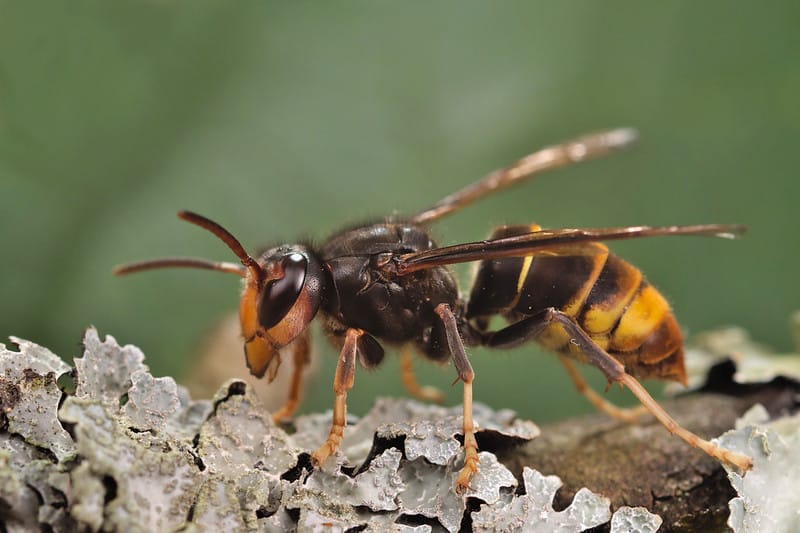
Hornets | The first large-scale study of the diet of invasive Asian hornets has revealed how many native species they threaten. Researchers from the University of Exeter used a method called deep sequencing to identify prey species in the guts of more than 1,500 hornet larvae, with samples collected from across France, Spain, Jersey and the UK. They found around 1,400 different species present, including a range of bees, wasps, butterflies, moths, beetles and spiders. Of the top 50 invertebrate prey identified, 43 are known to visit flowers, and among these were Europe’s three main crop pollinators: the European honey bee (the most common species found), and the buff-tailed and red-tailed bumblebees. Lead author Siffreya Pedersen said the full range of the hornet diet demonstrates that they are ‘highly flexible predators’, posing an ‘extra threat’ to pollinators on top of habitat destruction and pollution. The Guardian covered the research.
Shooting | A voluntary promise to phase out toxic lead shot from game shooting has failed, according to a study in Conservation Evidence. The UK’s nine leading shooting and rural organisations made a vow in 2020 that they would aim to phase out lead shot by 2025, in the hopes of avoiding a full government ban. Five years on, scientists have found that, out of 171 pheasants tested from the 2024-25 shooting season, all but one was killed with lead ammunition (where shot was still in the carcass). In 78 red grouse carcasses, all shot recovered was lead. The Wildfowl and Wetlands Trust has estimated that lead poisoning kills up to 100,000 waterbirds every winter in the UK, and the substance is also toxic to humans. The government’s Health and Safety Executive has recommended restricting lead in ammunition, and Defra must decide whether to ban it fully by March 13. The Guardian covered the research.
Driftwood
Design | An upcoming exhibition at the London Design Museum showcases how designers can ‘fundamentally rethink our relationship with the natural world’, according to its curator, Justin McGuirk. The More Than Human exhibition is inspired by the movement of the same name, which emerged in the late 1990s and has since moved from the theoretical to the practical. The exhibition argues that the needs of nature and animals should be central to designing homes, infrastructure and products: ‘every design project needs to think about how it’s affecting other species, or either limiting its impact on other species, or ideally promoting the health of other species,’ according to McGuirk. The ideas include a pavilion which encourages insects to nest in its exterior, a wave breaker built from a colony of oysters, and a ‘monumental seaweed installation’ by artist Julia Lohmann. It opens on 11 July: read more about it in this Guardian feature.
Music | Two contrasting tracks have won the inaugural Tune Into Nature music prize, which seeks to showcase new music by young, upcoming artists inspired by the natural world. ‘Nightingale’ by Wildforms (real name Dan Cippico) is a drum’n’bass track based on recordings the electronic musician made last spring of the eponymous bird’s quickfire song. Meanwhile, ‘Dawn, Aurora’ by Josephine Illingworth, a 23-year-old Londoner, is composed from sounds she recorded during weeks sleeping in mountain huts in the Dolomite mountains, alongside lyrics from entries in the hut guestbooks. Miles Richardson, founder of the prize and a professor of nature connectedness, said: ‘We constantly hear about the climate and biodiversity crises, but fostering hope and forging a new bond with nature is part of the solution. The entrants of the prize exemplify this’. Listen to the shortlisted songs here and read more in the Guardian.
Flooding | A feature in the Times spotlights efforts on the Wales-England border to help stem urban flooding using trees. Residents of the Worcestershire town of Tenbury Wells, which is still recovering from its seventh flood in four years, are worried that their town could be the first in Britain to be abandoned due to climate change. However, the charity Protect Earth thinks it might have a sustainable solution. When a hillside sheep farm came up for sale above the town, the charity bought it, and the Welsh government has paid them £36,000 for the 12,000 native saplings the charity is planting. The idea is that the trees will slow rain on the way to the river, and the roots will help water penetrate into the aquifer. The team hopes to make the hillsides spongier once more – although the approach will need to be replicated around the region to make a big difference.
Further reading:
- A feature in the Times speaks with dog walkers on Dartmoor who are being disturbed by the presence of wild boar, believed to be released illegally onto the moor.
- An article in the BBC looks back on 1965, when the eagle ‘Goldie’ escaped from London Zoo and entranced the public.
- In Noema Magazine, read about how projects to protect oysters can help feed a growing population while also protecting our coastlines.
- An article in the Conversation discusses recent research into why some animals thrive in urban areas compared to rural ones.
- An article in the Times investigates the experience of Yorkshire farmers who feel Labour’s solar power expansion is prioritising net zero over family businesses.
- A feature in Wicked Leeks asks whether we are living in an age of ‘fast fruit and veg’, much like fast fashion.
- A video on Aeon explores one of biology’s ‘least explored and most important frontiers’: the world of parasites.
- In the New York Times, read about how rising temperatures are ‘scrambling’ the base of the ocean food web: plankton.
Happy days
Goldie | If you were to travel back in time to London in 1965, you might happen upon an unusual scene at Regent’s Park: crowds of captivated citizens, flocking with telescopes to catch sight of a golden eagle. ‘Goldie’, as the raptor was somewhat unimaginatively nicknamed, had escaped from London Zoo when a keeper left the cage door ajar. For 12 hectic days, Goldie enjoyed his freedom swooping above the park, causing traffic jams and picnic-laden crowds. Meanwhile, reporters attempted to capture the bird using a variety of novel methods – including whistling a magic pipe – and even the Royal Navy was consulted. Eventually, a zoo keeper was able to lure him in using a dead rabbit tied to a rope. His antics led to a surge in visitor numbers for the zoo: read more about Goldie’s escapades, including preying on the US ambassador’s Muscovy ducks, in this entertaining BBC article.
Subscribe to our newsletter
Members receive our premium weekly digest of nature news from across Britain.
Comments
Sign in or become a Inkcap Journal member to join the conversation.
Just enter your email below to get a log in link.