Beavers in the Cairngorms & Bugs in Wales
The latest news on nature and conservation in Britain.
National news
COP | ‘The Earth does not belong to us, we belong to the Earth.’ So said King Charles last Friday, in his opening speech at COP28 in Dubai. The monarch used the address to beseech an audience of around 1,000 heads of state and dignitaries to consider the consequences if the summit does not reach a consensus on how to curb the environmental crisis. He said that society is ‘carrying out a vast, frightening experiment of changing every ecological condition, all at once, at a pace that far outstrips nature’s ability to cope,’ adding that working toward being nature-positive was equally as important as net-zero. Meanwhile, Rishi Sunak has denied giving up on the climate crisis, despite re-emphasising the need to row back on green commitments in his speech. During his brief visit to Dubai – he spent longer on his private jet than at the conference – the Prime Minister announced £888m of new green funding, including £500m to tackle deforestation. In other news, world leaders at COP have pledged to tackle the vast role that food and agriculture play in climate change. More than 130 countries, including the UK, have signed a declaration on food systems. The document lays out five objectives, including to enhance food systems resilience, to promote food security and nutrition, and to maximise the environmental benefits of agriculture. The BBC reported the news.
Farming | The expanding number of environmental farmers’ cooperatives in England now cover 580,000 acres, or almost 3% of England’s farmed area, according to analysis by the Game and Wildlife Conservation Trust. The Environmental Farmers Group, along with sister groups in Derbyshire and Yorkshire, represent over 450 land managers who have agreed on three shared objectives: carbon neutrality, biodiversity recovery and cleaner rivers. They have partnered with GWCT and its subsidiary, Natural Capital Advisory, who are supporting the delivery of co-ordinated landscape-scale conservation projects, partly funded through natural capital markets. Separately, Operation Turtle Dove – a project to provide better habitat for the rare birds in southern England – has celebrated a record year of effort, with 260 farms and 107 land managers participating, reports FarmingUK.
Crime | Britain’s wildlife is being failed in the courts, with people who commit crimes rarely convicted, according to a report by the Wildlife and Countryside Link. The report estimated that around 4,457 wildlife crime incidents were reported in England and Wales in 2022, compared to 4,885 in 2021 (although the coalition said actual figures are likely to be higher.) Notably, convictions for wildlife crime fell by 40% last year, from 900 in 2021 to 526 in 2022. Dominic Dyer, the Link’s Wildlife Crime Chair, said: ‘To put it simply, people who hurt wildlife are getting away with it.’ The report urges the government to make key wildlife crimes notifiable, which would allow patterns of criminality to be better understood. It also states that the government’s reliance on charities and NGOs to collect national figures on wildlife crime represents ‘sustained policy failure’ with escalating consequences. ENDS reported the news.
In other news:
- Chris Packham has launched a legal challenge against the UK government over its decision to water down climate policies. The news was widely covered.
- Natural Resources Wales has written an open letter calling on the public sector in Wales to commit to the ‘Nature and Us’ vision for Wales in 2050.
- Saving Scotland’s Red Squirrels has released its fifth annual survey, confirming that the Highlands remain a haven for reds. Meanwhile, Forestry and Land Scotland has estimated it may have killed up to 2,000 red squirrel kits between 2017 and 2022 during tree felling, reports the Ferret.
- The number of bathing waters in England rated as ‘unfit to swim’ has risen to its highest level since a new system was introduced in 2015, reports the BBC. Campaigners Surfers Against Sewage are calling for year-round testing of beaches and rivers.
- The Marine Management Organisation has launched a call for evidence on the impact of commercial fishing on harbour porpoise and marine birds.
- Earth is on the verge of five catastrophic tipping points, according to a report released this week at COP28. The Guardian covered the news.
- The Environment, Food and Rural Affairs Committee has published a report urging the government to put soil health on equal footing with air and water. Meanwhile, a report from NatureScot has revealed increased risk to Scotland’s soil biodiversity from being sealed over by built environments.
- Ramblers have criticised the appointment of Robbie Douglas-Miller as a Defra minister. The Scottish landowner has been accused of restricting access to his estate, and backing the culling of seals and wild birds.
- Defra has announced that it will introduce legislation to permit recreational fishing for Atlantic bluefin tuna in English waters next year.
Across the country
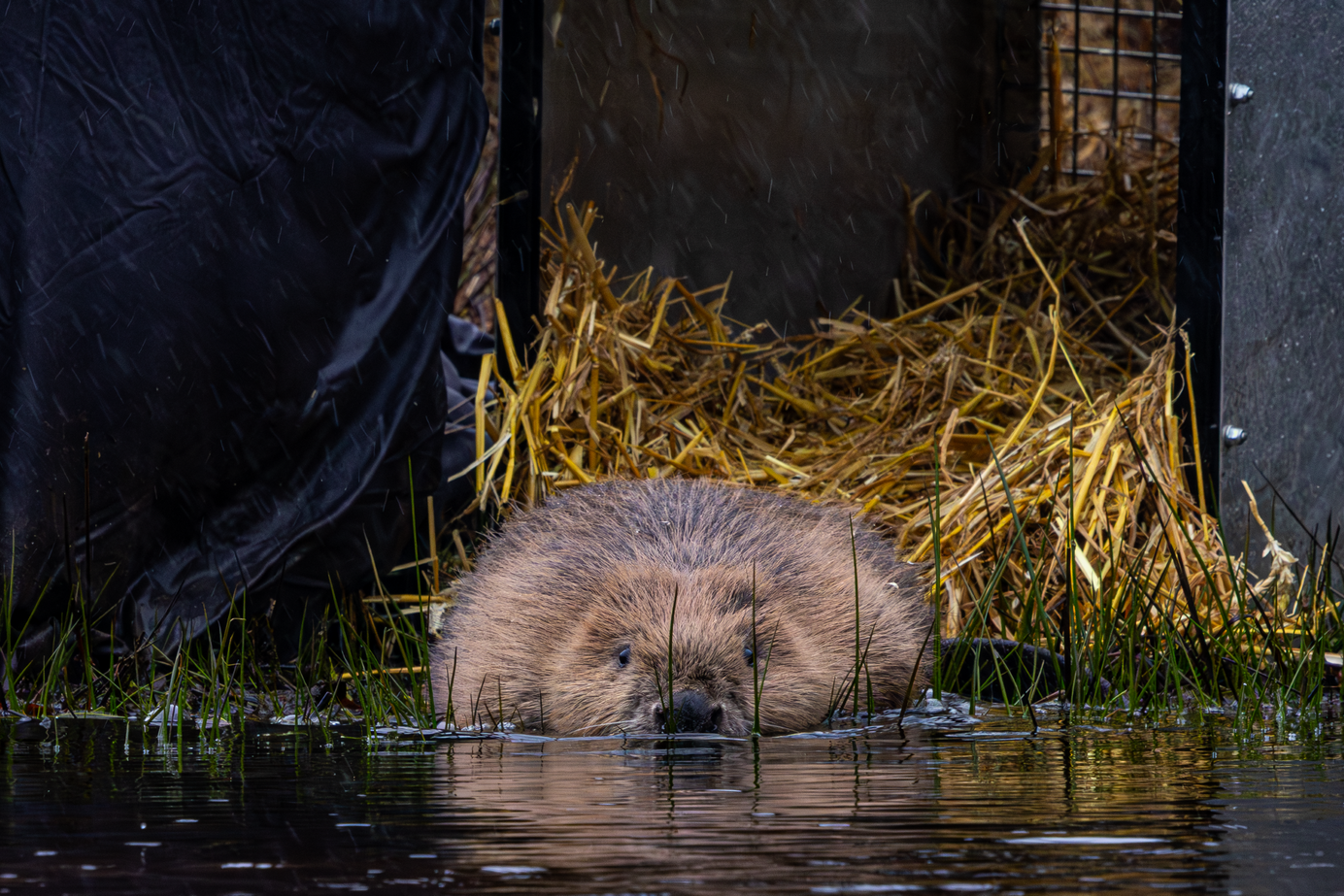
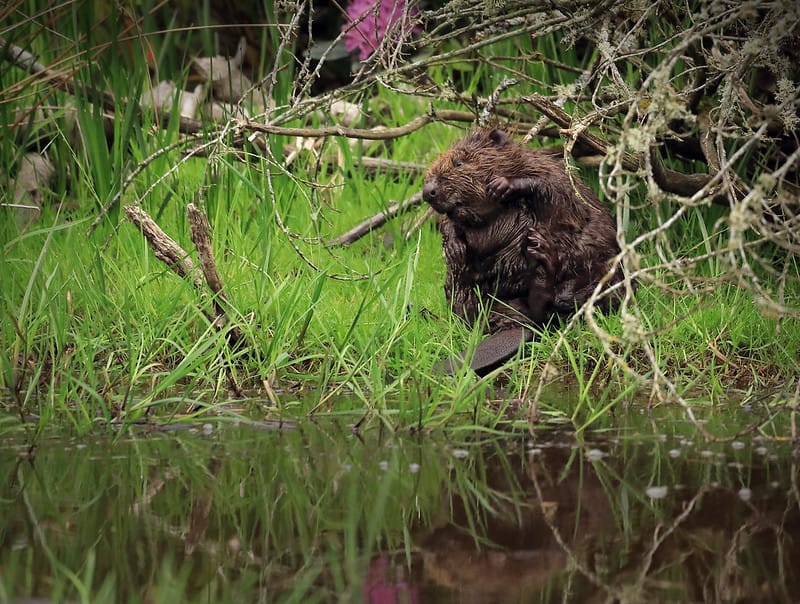
Cairngorms | NatureScot has approved a licence for the release of beavers in the Cairngorms National Park, at three sites in the upper River Spey catchment. It is the first time beavers will be present in Scotland’s largest park in the last 400 years. The licence allows for the introduction of up to six beaver families this year, with scope for a total of 15 over the next five years. The beavers will be translocated from populations already established in agricultural areas where they are causing tension with farmers. Donald Fraser of NatureScot said the decision marked a ‘significant milestone’ for beaver restoration in Scotland by bringing the species back to one of the biggest river catchments, with huge potential for habitat restoration and biodiversity enhancement. He added that the agency ‘appreciates and understands’ the concerns of farmers, but they felt satisfied that monitoring and mitigation plans would sufficiently address any potential conflicts. The BBC and the Herald reported the news.
Isle of Wight | Native white-clawed crayfish have been released into a new conservation centre on the Isle of Wight in a bid to secure the future of the species. The facility is run by the local Wildlife Trust, which has been working with the Bristol Zoological Society’s hatchery for ten years. Now, the centre will play a key role in the Trust’s project to protect and restore Hampshire’s globally unique chalk streams, and boost their populations of crayfish. The team hopes to introduce egg-carrying female crayfish to the centre, with the ultimate aim of establishing self-sufficient wild populations on the Isle of Wight. The crayfish centre is also one of the few in the country that the public will be able to visit and learn about the endangered native invertebrate. The BBC covered the news.
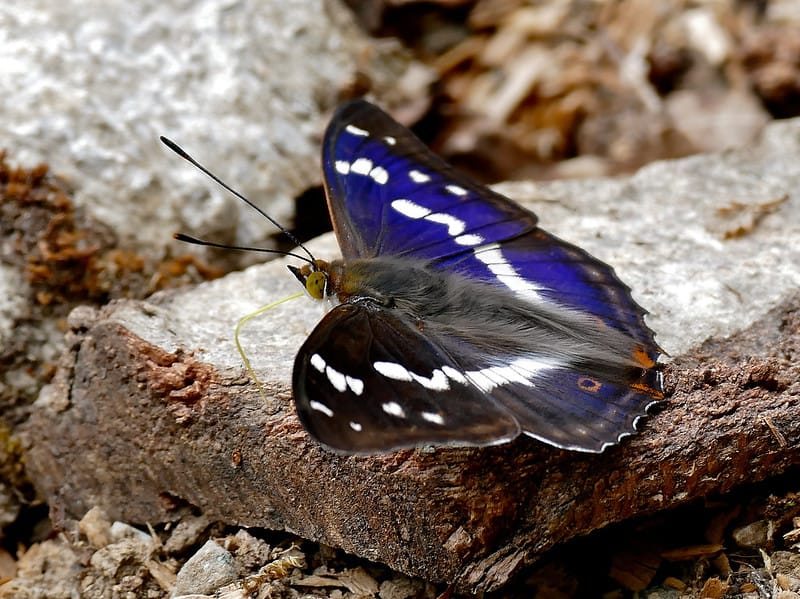
Derbyshire | A partnership between Butterfly Conservation and South Derbyshire District Council is working on an initiative to attract the stunning purple emperor butterfly to the area for the first time. One of Britain’s largest butterflies, the purple emperor is usually only found in the south of England, but conservationists are hoping it will extend its range northward. To this end, the project is planting 550 goat willow trees at locations across Derbyshire, including National Trust and Forestry England sites. The council said it could take up to five years before the trees are mature enough for the butterfly to use as an egg-laying plant. The BBC covered the story. Elsewhere, a lifelong moth enthusiast has discovered a species unknown to science at her local park in Ealing, west London. It has been named Tachystola mulliganae after its discoverer, Barbara Mulligan, reports the BBC.
Elsewhere:
- It has been a record year for wading birds at the RSPB Saltholme reserve in northeast England, reports the BBC.
- The ferry crossing between the Isles of Scilly and Cornwall is the best route for spotting marine wildlife, reports the BBC.
- Northwest water company United Utilities misreported its sewage spilling, yet will be allowed to raise its bills by £5m as a reward for good environmental performance, according to a BBC Panorama investigation. The Environment Agency responded here.
- Hertfordshire Wildlife Trust is warning that plans to build a watersports centre at SSSI site Broadwater Lake would be catastrophic for wildlife and set a dangerous precedent.
- The government of Jersey will debate the creation of a Tree Advisory Board to oversee planting and protecting trees after the damage of Storm Ciarán, reports the BBC.
- The Manx Wildlife Trust has been awarded £27,000 to run a theatre project which will teach children about the challenges faced by local wildlife, reports the BBC.
- A community rewilding project has been launched in Ouseburn Valley, an area of Newcastle once notorious for its pollution, reports Chronicle Live.
- One of Surrey’s most-visited nature reserves is threatened by the construction of a new McDonald’s, reports BirdGuides.
- Red squirrels are beginning to return to Wallington estate in Northumberland, two years after Storm Arwen destroyed their habitat, reports Chronicle Live.
- Reception students in Guernsey are receiving lessons outside to learn about the island’s birds, reports the BBC.
- Yorkshire Water has paid a record £1m civil sanction after polluting a watercourse in Harrogate, killing around 1,500 fish, reports the Yorkshire Post.
- Somerset Wildlife Trust has published a State of Nature Report for the county, revealing mixed fortunes for species, reports the BBC.
- Conservationists are urging ministers to stand against revived plans to develop a golf course on the Coul Links sand dunes near Embo in the Highlands. The Herald, the Northern Times and BirdGuides reported the news.
- An environmental group in Wiltshire is calling for a ban on disposable vapes after finding 20 on the bed of the River Kennet, reports the BBC.
Reports
Bugs | Buglife has launched a report at the Senedd which aims to ‘put bugs on the map in Wales’. The report contains a map of the most important areas for insect invertebrates across the country, and the charity says it will be a vital source of information to help guide nature recovery. The charity identified the 17 ‘Important Invertebrate Areas’ (IIAs) over the course of five years by working closely with experts and using millions of naturalist records. The areas only cover 6.5% of the country, but they are home to over 10,800 species, including seven of Britain’s endemic species. Some of these are extremely rare: the Cliff Mason Bee is only known on two stretches of clifftop, while the Scarce Yellow Sally Stonefly is only found in the River Dee. Programme manager Jamie Robins said the map is only the beginning: ‘We need decision makers to recognise the important role that invertebrates play and use our IIAs to prioritise much needed conservation action.’
Equity | Less affluent areas have less tree cover and are at higher risk of health issues caused by poorer air quality. These are the findings from an online map created by the Woodland Trust in partnership with American Forests and the Centre for Sustainable Healthcare. Using tree canopy data from Google, along with climate, health and socioeconomic indicators, the interactive map reveals the inequalities of urban tree cover across the UK by generating a score for neighbourhoods, known as the ‘Tree Equity Score’. The results reveal that areas with the highest income levels in the UK have more than double the tree cover per person than poorer areas, and nearly 20% less nitrogen dioxide in the air they breathe. Within England, the ten local authorities with the highest scores are found in the south, and the ten lowest in the north, highlighting regional disparities. The Trust is encouraging governing authorities to integrate the Tree Equity Score into policies to better tackle these inequalities. The BBC covered the news.
Land | Highlands Rewilding has published its third annual report, called ‘Building Natural Capital’. The report provides an insight into the company’s ‘pioneering model’ for nature recovery, community prosperity and ethical profitability, all rolled into one. The company currently owns three estates in the Highlands, which it operates as ‘open-air natural capital laboratories’ to tackle the biodiversity and climate crises. Focusing on its Bunloit and Beldorney estates, the report details its progress on peatland restoration, rainforest regeneration, targeted deer control, regenerative agriculture, and even mycorrhizal fungi inoculation. It also discusses the Tayvallich estate, part of which the company recently sold to the local community in what it describes as a ‘unique model for community empowerment’. Locals will use the land to provide much-needed housing to help reverse depopulation. The Herald and the Scotsman covered the news.
Science
Fungus | Researchers have discovered evidence of the earliest disease-causing fungus in the Natural History Museum’s fossil collections. A paper published in Nature Communications describes the fungal pathogen, which is 407 million years old. The study suggests that current disease-causing fungi, such as the ash dieback currently annihilating the UK’s ash trees, have a historical precedent in this fungus. It was found in fossil samples from Rhynie Chert, a geological site in Scotland with remarkably well preserved communities from the Early Devonian period. Best of all: the new fungus has been named Potteromyces asteroxylicola, in honour of the celebrated children’s author and naturalist, Beatrix Potter. Potter’s drawings and studies of the growth of fungi were, in some cases, decades ahead of the scientific understanding of the times. Phys.org covered the research.
Predators | A study in People and Nature explores what factors affect people’s tolerance toward recovering predator species. Researchers used an online questionnaire, shared with organisations related to rural land-based activities, to collect data on attitudes, perceptions, experience and management preferences for six recovering predators in the UK: otter, pine marten, polecat, buzzard, golden eagle and red kite. The results showed that an individual's tolerance of impact is shaped most strongly by how beneficial they perceived the species to be, alongside their personal experience of it. Unsurprisingly, people were rarely accepting of the impacts of species towards which they had a negative attitude. Notably, the study also identified an overlap in tolerance between groups with strong interests in conservation, shooting, farming and fishing. The authors conclude that, to achieve coexistence, a combination of improved attitudes and increased acceptance of impacts is vital.
Chestnuts | A study in Trees, Forests and People investigates how integrating perennial staple food crops into agroforestry systems can support food production while also boosting local ecosystems. In Germany, traditional orchard meadows – ‘Streuobstwiesen’ – are in decline, despite their recognised ecological value. The authors of the study propose using the emerging practice of chestnut cultivation to revitalise these orchard meadows and diversify forests. They interviewed 64 chestnut growers to explore the management of chestnut stands and evaluate the motivations and aims of the growers. They found that most growers aimed to foster the spread of chestnut trees as cultural assets, with sustainable food production named as their top motivation.
Driftwood
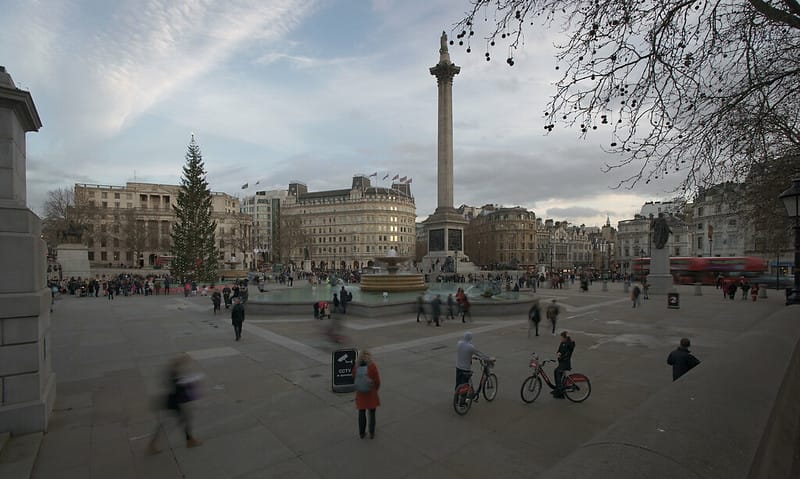
Christmas | It’s the time of year when Christmas trees are being decorated across the country, but the carbon footprint of one particularly iconic tree is under question. A feature in the Guardian spotlights the journey of the Trafalgar Square Christmas tree, an annual gift sent to London by Norway to thank Britain for its support during World War II. The decades old, 20-metre tree is usually cut from woodlands near Oslo, transported by road and sea to London for December, and turned to woodchip a month later. Although she has no desire to see the tradition stopped, the mayor of Oslo, Anne Lindboe, has said she is looking at ways to reduce the tree’s footprint. She added that the suggestion to use a tree grown in the UK instead had not gone down well with Londoners.
Fishing | A feature in the Guardian gives an intriguing insight into England’s first modern fishing apprenticeships, which were launched this autumn in Devon. As an industry, fishing is facing a multitude of difficulties, including declining fish stocks and a recruitment crisis. To tackle the latter of the two, 14 young apprentices have been offered pay, a relationship with an employer, and practical training through college courses. Alan Steer, a third-generation fisher whose son is an apprentice, said that the apprenticeships will give young people a broader understanding of how the industry works. ‘When I started working on sustainability, I didn’t know how much I didn’t know until I met people in other types of fishing, as well as scientists and policymakers,’ he said. ‘Then we could all start to think how to solve each other’s problems.’
Design | An in-depth post by Arup, the engineering company, examines what ‘environment-led design’ actually looks like. ‘The era when proposed urban development projects can treat their environmental impact as a secondary concern is definitely drawing to a close’, according to the blog. It uses the example of Beam Parklands in eastern London: once an abandoned hospital site in a relatively poor area, a project by the Environment Agency and Arup reimagined the area to perform as a flood storage reservoir protecting 300 homes and the local power station, as well as a new country park to promote biodiversity in a highly urban area. Successful environmental design involves putting a sustainable vision at the centre of the concept, rather than mitigating the impact afterwards, according to Arup. Importantly, the process is locally-focused, and provides authorities the chance to show leadership on issues communities care about.
Further reading:
- In the Telegraph, an article airs the concerns of rural business leaders who are critical of the government’s plans to create a new national park.
- A blog by Natural Resources Wales describes the rich range of festive Welsh winter traditions.
- In the Herald, read about a project in Edinburgh which is transforming public spaces into community orchards.
- A review in the Guardian features Solstice, an immersive, light-filled production described as an ‘ode to nature’ for children at Battersea Arts Centre.
- A comment piece in Reuters discusses how sustainable forestry could help correct an economic system which treats nature as a free good.
- In the light of COP28, a BBC feature discusses how various religions can inspire individuals to protect the environment.
- A blog by the Scottish Wildlife Trust reflects on the year for Montrose Basin’s pink-footed geese.
Happy days
Sycamore Gap | Cuttings and seeds taken from the iconic Sycamore Gap tree after its felling are showing positive signs of regrowth, according to an update from the National Trust. The famous tree was cut down in September, and staff from the Trust were able to take material from the tree shortly after. Andy Jasper, director of gardens and parklands, said the material was showing signs of life, despite being the wrong time of year for the type of work. ‘We are hopeful that over 30% of the mature seeds and half of the cuttings will be viable, which means we can hopefully grow new descendants from the tree in the future,’ he said. The trunk of the original tree may also regrow, but it could take up to three years before this begins to happen. The Guardian and the Northern Echo covered the story, and a feature in the Conversation discusses why iconic trees are so important.
Subscribe to our newsletter
Members receive our premium weekly digest of nature news from across Britain.
Comments
Sign in or become a Inkcap Journal member to join the conversation.
Just enter your email below to get a log in link.