
Welcome to Continental Drift – a new Inkcap newsletter exploring the most interesting and important research from across Europe.
Inkcap focuses on nature in Britain, but these landscapes do not exist in isolation. Animals migrate. Climate change is redrawing the ecological map. Experiments in rewilding and restoration are revealing lessons that cross borders.
Each month, we get into the weeds of the ecological research taking place across the continent, and send you a curated roundup of what matters most.
This is the first edition of what will become a regular feature, so any feedback is welcome: just reply to this email with any thoughts.
In our March edition, we have: bird nests in Białowieża Forest, the historical ecology of medicinal leeches in Spain, an unexpected hotspot of bryophyte diversity in Czechia, the decline of calcareous grasslands, and the ecological consequences of war in Ukraine.
Invertebrates in strange places
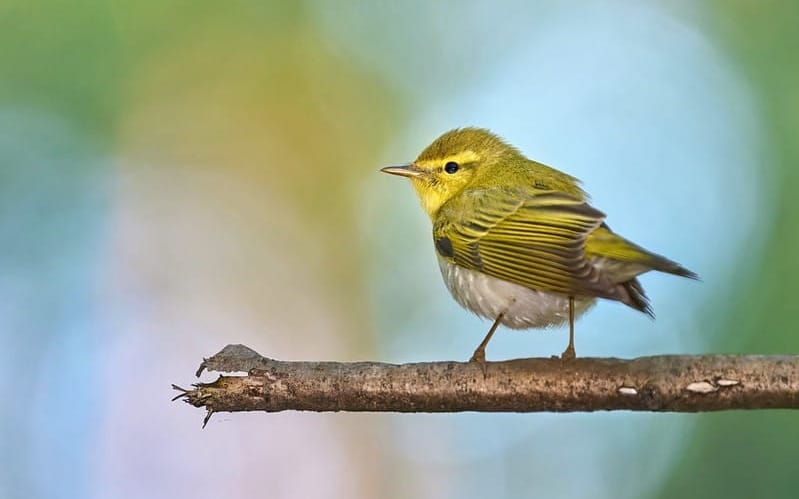
Around April, wood warblers start arriving in Białowieża Forest, Poland, completing their migration from equatorial Africa. Once there, they use dry leaves, grasses, moss and animal hair to create the domed nests in which they lay their eggs.
These structures are fleeting but vital – not just to the warblers themselves but also, it turns out, to invertebrates. In 2019 and 2020, researchers followed warblers across the forest, keeping tabs on the new parents as they built their nests and brought back food for their young.
Once the nests were abandoned, the researchers took the delicate structures – 168 in total – back to the laboratory and counted the macroarthropods (that’s your beetles, spiders, ants, wasps, centipedes, and so on) contained within. The results were compared to arthropods found in samples of nearby leaf litter.
The scientists discovered that these bird nests were acting as ‘valuable reservoirs of hidden biodiversity’. The abundance of invertebrates inside the nests was ‘several times higher’ than in the leaf litter. The nests also hosted communities that were distinct from those found in the litter.
But wood warblers are declining across Europe. So are many other nest-building birds and mammals. The loss of these species will echo through the ecosystem, affecting not just the animals themselves but also the invertebrates that depend upon the habitats they create.
Read more in Insect Conservation and Diversity.
In more insect-related news this week:
- Silent Spring just got a big injection of data. Insect acoustics can provide a snapshot of biodiversity trends. But, even for artificial intelligence, they can be difficult to recognise. The publication of a new dataset, comprising more than 226 hours of audio from Orthoptera (that’s grasshoppers, crickets and suchlike) and cicadas could help develop novel deep-learning methods for tracking insect populations at scale. Read more.
- Corncrake-friendly management also benefits insects. A study of corncrake habitat on the coast of Ireland found that leaving patches of unmown vegetation throughout the breeding season not only prevented the young birds from being killed by machinery – it also boosted the abundance and diversity of the invertebrates upon which corncrakes prey. Read more.
- Within the city limits of Berlin, you will still find peatbogs. These harbour significant insect diversity. But degradation means that true bog specialist species are rare, with grassland species instead reaping the benefits. Improving hydrology by reducing water abstraction could help restore the boggier conditions of old. Read more.