Churchyard Rewilding & Deer History
The latest news on nature and conservation in Britain.
National news
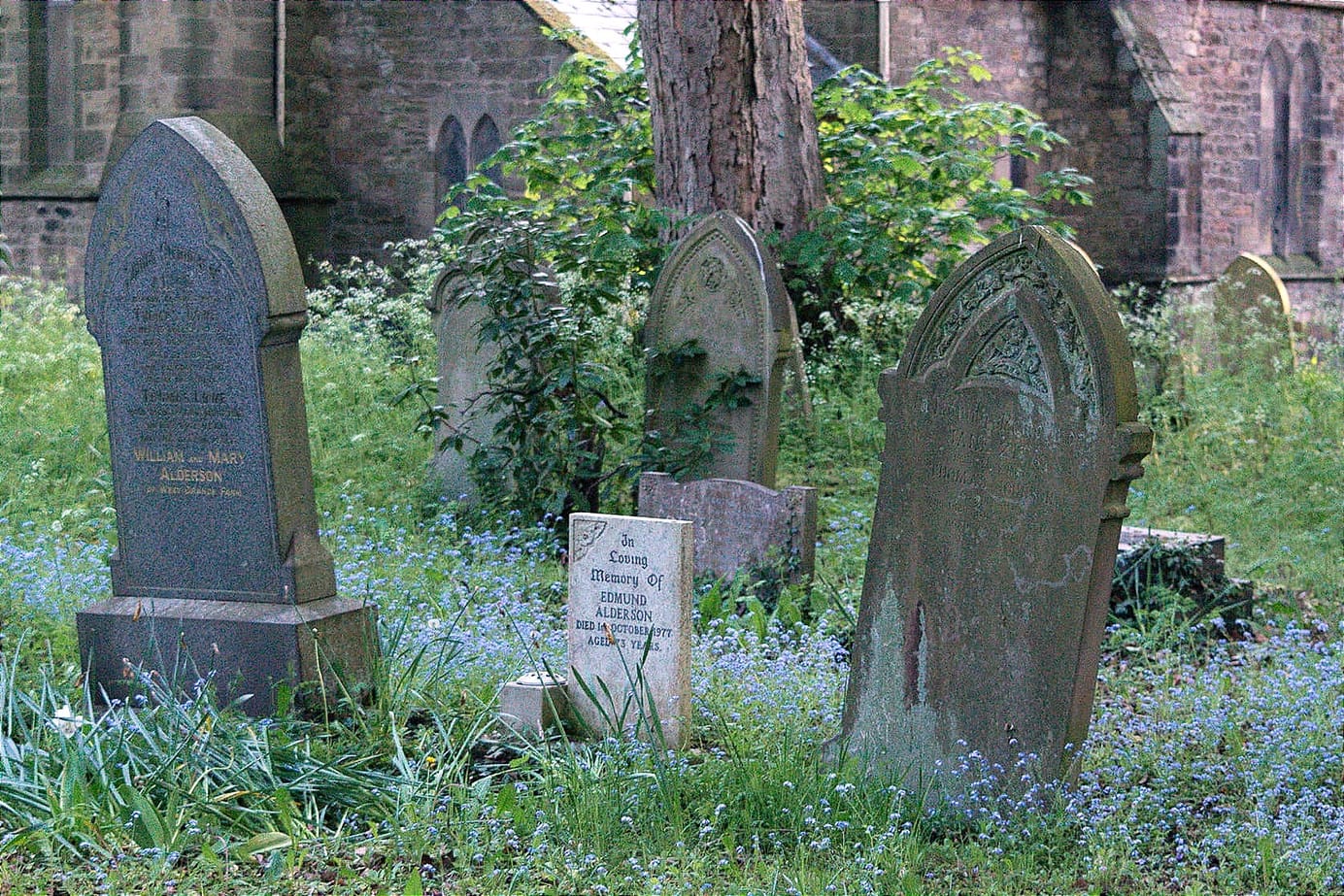
Church | The Church of England has unveiled plans to strengthen its response to the biodiversity crisis. As part of its climate strategy, the Land and Nature Motion will see biodiversity given equal consideration with net zero aims. Speaking at the announcement, the Bishop of Norwich, Rt Rev Graham Usher, said that his dream was for churchyards to be ‘places of the living, not just the dead’. There are around 17,500 acres of churchyards in England, equivalent to an area twice the size of Oxford. He said that churches must look at how the biodiversity of ‘this often very ancient land’ could be enhanced, by counting species, reducing mowing regimes and other acts of rewilding. In addition, the motion would see the Church work with its rural assets portfolio and tenant farmers to reduce agricultural run-off, plant more trees and enhance hedgerows and field margins. The governing body, the General Synod, will vote on the motion later this month. The BBC, the Guardian and the Independent reported the news, and this feature in Inkcap Journal discusses various ways of rewilding death.
Compensation | England has become the first country in the world to make Biodiversity Net Gain a legal requirement. The scheme, introduced by Defra on Monday, requires developers to deliver at least a 10% increase in biodiversity or habitat to compensate for damage caused by building projects. Natalie Duffus, a researcher from the University of Oxford who analysed the impact of BNG trials, said that internationally ‘it’s one of the most ambitious schemes we’ve seen.’ She added that if done well, ‘it could inspire a lot of other markets’. Already, countries including Sweden, Singapore, Scotland and Wales are looking to develop their own version. However, not all reactions were as enthusiastic. The Wildlife Trusts said that while it represented a ‘positive contribution’ towards nature recovery, the current BNG ambition was ‘set too low’ to adequately address the severity of the crisis. The Trusts published a briefing outlining a series of recommended measures, including calling on developers and local authorities to aim for at least 20% gain. The Guardian and ENDS reported the news.
Farming | Tensions over the introduction of a new farming subsidy scheme in Wales are continuing to escalate. In Wrexham, farmers blockaded a minister’s office with 20 tractors and 15 pick-up trucks in a ‘go-slow’ protest against the government plans to tie subsidies to environmental actions such as tree planting and habitat creation. Using the slogan ‘No Farmers, No Food’, the protest was the latest in a growing movement among British farmers who have seen their European counterparts gain results through direct action. The Wrexham protest followed a gathering of around 3,000 farmers at Carmarthen showground last Thursday to discuss the planned reforms. The Welsh government has stressed that their plans are still under consultation, but farmers have accused them of ignoring their concerns. The Times, the BBC, ENDs and Wales Online reported the news. Meanwhile in England, more than 30 tractors took part in a protest at Dover on Friday, and sheep farmers have vowed to continue burning fleeces in protest over ‘measly’ wool prices. Defra responded here.
In other news:
- The CEOs of five leading environmental organisations met with Keir Starmer last Friday to discuss key policy interventions to halt the decline of nature.
- Defra has been served a legal challenge by campaign group Wild Justice, who claim that the government is attempting to relax rules on sewage pollution for housebuilders ‘through the back door’. The Guardian and ENDS reported the news.
- The government has run an experimental ‘interspecies council’ to explore more-than-human representation in policy, reports ENDS.
- British rivers are facing a growing threat of pollution from the rise of US-style ‘mega farms’, reports the Times.
- Defra has announced that more than 10,000 farmers across England have applied for its Sustainable Farming Incentive since September. Meanwhile, Scotland’s First Minister has announced that farmers will continue to receive most of their existing subsidies for growing food, reports the BBC.
- Defra minister Mark Spencer has said that the long-awaited national plan on pesticides is due ‘shortly’, reports ENDS.
- National Highways is urging drivers to stop littering as animals are being lured onto the road by the rubbish, reports the BBC.
Across the country
Suffolk | Grey seals have established a colony on Orford Ness, a shingle spit on the Suffolk coast which was previously used as a weapons testing site. More than 130 seal pups have been born on the Ness this breeding season, after seals first started using it as a breeding ground in 2021 during the pandemic. The Ness was used by the military during both world wars and into the nuclear age – with ghostly remnants of infrastructure still visible on the spit – before the Ministry of Defence sold it to the National Trust in 1993. Rangers have kept the colony a secret for the past three years to protect it. Countryside manager Matt Wilson said: ‘Now we’re ready to start telling the story because we’re happy that this is going to be a good colony.’ The BBC covered the story.
Shropshire | In Whitchurch, a charity called Nature’s SAFE (Saving Animals From Extinction) is freezing the living cells of endangered animals to preserve them for the future. After three years, it has reached the milestone of its 200th species, with samples ranging from African elephants down to the mountain chicken frog. Since securing a £16,000 grant from the Postcode Lottery, the charity has been working to preserve endangered British species: most recently it added cells from red squirrels and Scottish wildcats. Tullis Matson, founder of the charity, said that the samples are frozen using liquid nitrogen and stored in a room a ‘bit like a nuclear bunker’, at temperatures of -196C, when all natural chemical processes in cells stop. ‘So tomorrow, or in 10 years, or in 1,000 years time we can bring that little sample back to life, amazingly just by thawing it out,’ he said. The BBC reported the news.
Somerset | A conservation project near Westhay is using artificial intelligence to monitor the resident bird populations. The Somerset Wildlife Trust is in the process of restoring peatland at a former dairy farm, and is aiming to create a richer habitat for wetland species. To help them identify and monitor the bird populations on site, the Trust has placed four microphones across the 81-hectare site, and is using an artificial intelligence programme developed by the company Wilder Sensing to analyse the birdsong captured. Joe Hampson, who works on the site, said the Trust has collected around 1.3m species recordings over the past 15 months, with wrens, jackdaws and goldfinches being the most common species heard. He added the ‘staggering number’ of recordings demonstrates the role that technology can play in conservation efforts in this ‘new age of data collection’. The BBC covered the story.
Elsewhere:
- Butterfly Conservation is celebrating the discovery of a breeding group of the rare white-spotted sable moth near Canterbury.
- Plans to create a nature reserve at Worlingham Marshes in the Suffolk Broads have been boosted by £2m in funding from the National Lottery, reports the BBC.
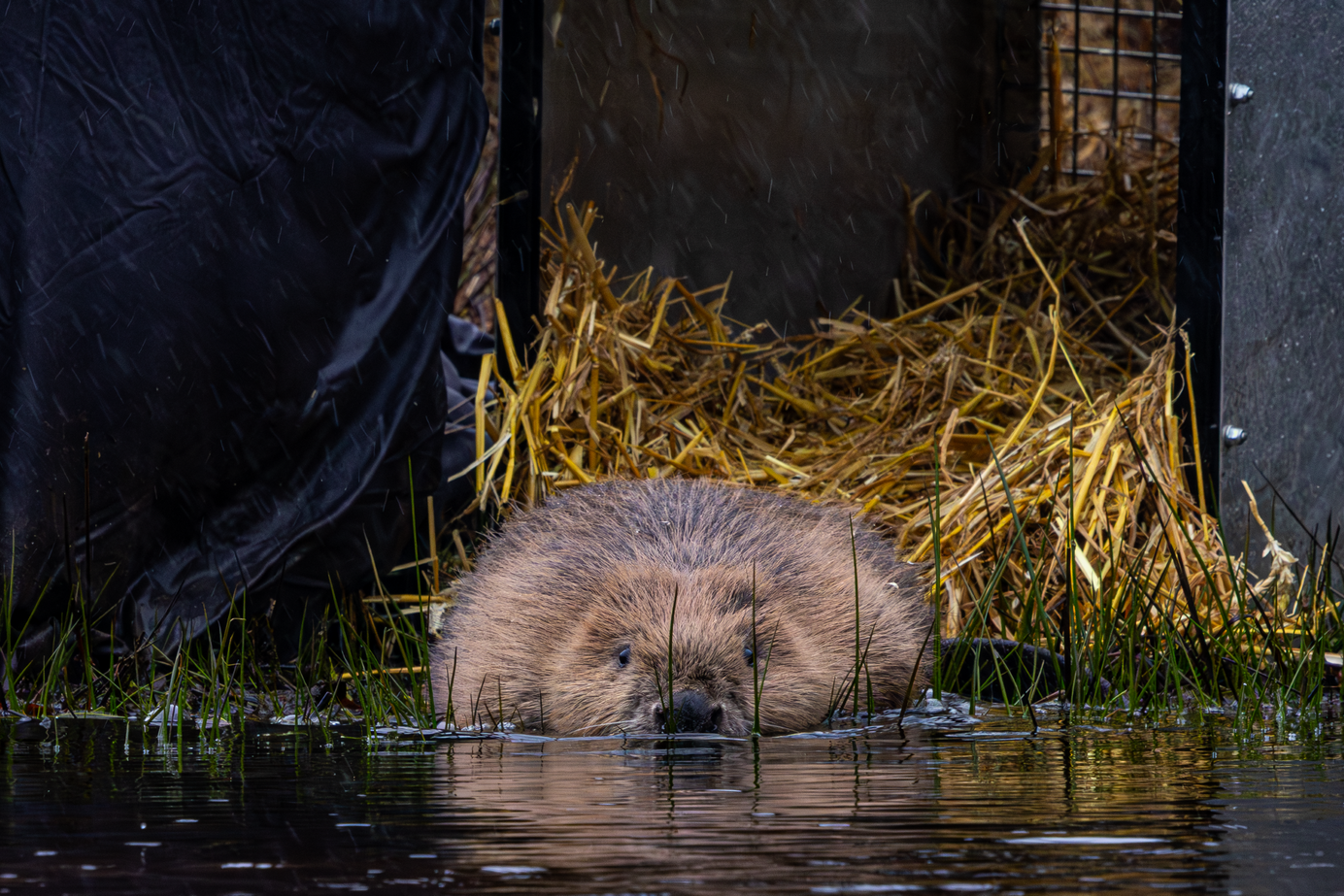
- Sheffield councillors have approved a £98,000 study on introducing beavers to Blacka Moor and the surrounding catchment, reports the Yorkshire Post.
- A controversial housing estate near Kidderminster has helped return the rare blue-tailed damselfly and emperor dragonfly to Worcestershire, reports the Birmingham Mail.
- Tree-planting work to restore an ancient woodland in north Wiltshire is almost complete, reports the BBC.
- Kent Wildlife Trust is seeking public opinion on the feasibility of reintroducing pine marten to the southeast of England.
- Wild swimming is returning to Bristol Harbour after successful pilot schemes last year, reports the Bristol Post.
- An independent report has found that plans to add magnesium hydroxide to the sea at St Ives Bay in an effort to combat climate change are ‘very low risk’, reports the BBC.
- Vets have issued a warning after an alligator snapping turtle, dubbed Fluffy, was found in a Cumbrian tarn, reports the BBC and the Guardian.
- Cumbrae Community Council in west Scotland has voiced fears that plans for a solar farm will devastate a local wildlife sanctuary, reports the BBC.
- Planning officers have said that proposals for mobile masts in the North York Moors could endanger curlew, merlin and lapwing, reports the Yorkshire Post and Northern Echo.
- Herefordshire Council has hosted a ceremony recognising the importance of the River Wye, featuring a puppet of the giant Goddess of the Wye, reports the BBC.
- Fifteen wildlife organisations have met in Norfolk to discuss ways of protecting curlew, reports the BBC.
- Funding from NatureScot will be used to plant over 3,000 trees on an Ayrshire golf course, reports the Ayr Advertiser.
- Scottish Water has planted 48,000 trees on 25 hectares of former grazing land close to its Loch Lomond reservoir complex, reports Fife Today.
- A free wellbeing programme focusing on nature-based activities has been launched in Wiltshire to help men with their mental health, reports the BBC.
Reports
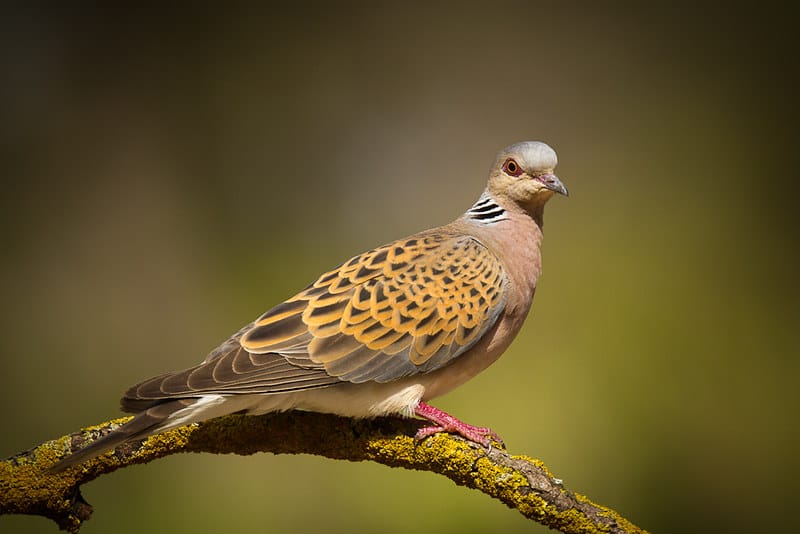
Migration | A landmark UN report has warned that many of the world’s migratory species are facing extinction. From turtle doves to sea turtles, the report is the first global assessment of the species which are listed under the Convention on the Conservation of Migratory Species of Wild Animals (CMS): a treaty signed in 1979 to protect these migrating species. The report found that of the 1,189 species assessed, one in five are threatened with extinction, while nearly half (44%) are showing population declines. The situation is even bleaker for some groups, with 97% of sharks, rays and sturgeon facing a high risk of extinction. To help populations recover, the authors of the report recommend establishing key biodiversity sites on migration pathways, reducing blocking infrastructure such as dams, and creating corridors of protected land to boost connectivity. Scientists are also working to extend the list of species covered by the treaty, as there are thousands of migratory species – particularly insects, which are difficult to track – not currently assessed. The BBC, the Guardian and Reuters covered the research.
Flu | A report by the RSPB has, for the first time, quantified the devastating effects of avian influenza on the UK’s seabird populations. Nine of the 13 species assessed had declined in number by more than 10% since previous surveys between 2015 and 2021. For gannets, great skua and roseate terns, these declines were largely attributable to bird flu, while the disease was found to be the ‘likely cause’ for declines in sandwich and common terns. Gannets were the worst-hit species in the 2022 breeding season, with at least 11,000 deaths recorded in Scotland and a further 5,000 at the Grassholm reserve in Wales. Meanwhile, great skua have experienced a 76% decline in breeding numbers across its range in Scotland, which holds over half of the global population of the species. In light of the report, the RSPB is calling for action to reduce other pressures on seabirds – such as unsustainable fishing and offshore development – so that their populations are more robust. The report was widely covered by national news.
Farming | The Conservative Environment Network has published ‘Ploughing Ahead’, a manifesto outlining how the government can use ‘Brexit freedoms’ to reward and encourage sustainable farming. In the introduction, the report states that it is ‘incumbent on all political parties’ to fully grasp the opportunities presented by the new Environmental Land Management schemes. To achieve this, the manifesto sets out four key areas for the government to address before the election. These include strengthening finances to reward stewardship of the natural world; building fairer food markets for sustainable produce; reducing red tape to help sustainable farming; and boosting British agri-tech. The authors of the report urge that the government ‘must not grow complacent’ about the scale of transition required.
Science
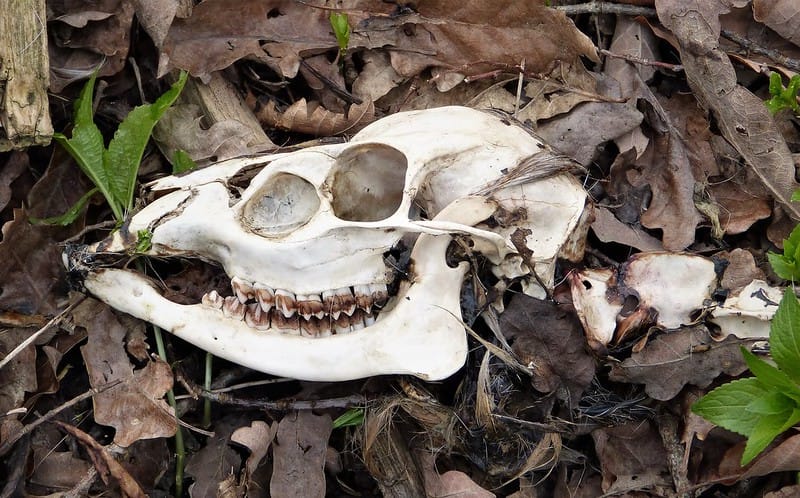
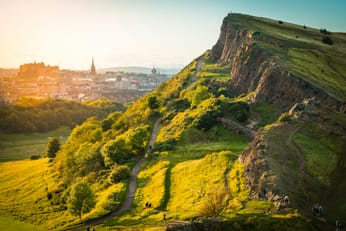
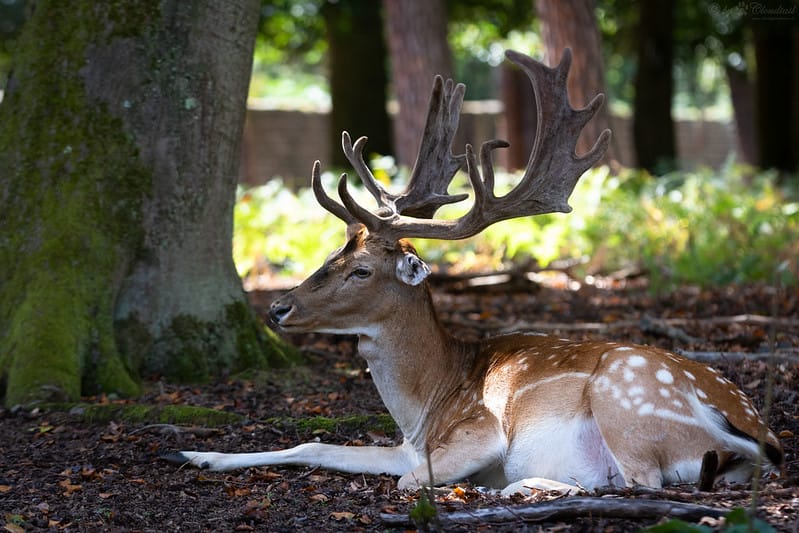
Deer | A study in PNAS charts the 10,000 year biocultural history of fallow deer. To investigate how humans have influenced modern populations of fallow deer, researchers from Durham and Exeter universities combined genetic data with archaeological and historical records to track how the species has been translocated through time. They used several hundred DNA samples – including the oldest sample sequenced from the UK at 130,000 years old – to generate an evolutionary history tree. The results showed that the species was first introduced to Britain by the Romans, not the Normans, as previously believed. It also highlights their introduction to many parts of the globe by British colonial powers. The authors argue that these biocultural histories ‘challenge preconceptions about the divisions between wild and domestic species’, and have implications for conservation policies based on contemporary understandings.
Heat | Butterflies will increasingly rely on shade to help them thermoregulate in extreme weather, according to a study in the Journal of Insect Conservation. Researchers spent six days in July 2022 surveying a chalk grassland site in Bedfordshire for butterflies and day-flying moths. They found that, during the extreme temperatures experienced on the 19th of July, communities of butterflies became largely inactive: flight activity peaked at 30C, with only 10% of butterflies found to be flying during the peak recorded temperature of 39C. However, shaded areas provided a refuge during the hottest period, with 94% of all butterflies found in the shade during the afternoon of the 19th, compared to 2% on cooler days. The authors conclude that conservation actions such as creating artificial slopes and integrating patches of scrub in grassland could help provide an array of microclimates, allowing butterflies and other insects to thermoregulate as summer weather in the UK becomes more extreme.
Highlands | A study in Ecology and Evolution investigates the land cover preferences of ungulates – hoofed mammals – in the Scottish Highlands. Many of these animals act as keystone species with disproportionate impacts on the degraded ecology of the Highlands, so understanding their dynamics is vital to restoration efforts. Researchers used 40 camera traps to track the movements of sika deer, roe deer, red deer and wild boar within the Bunloit rewilding site in Inverness-shire. They found that sika deer and roe deer preferred coniferous plantations and grasslands; red deer showed a slight preference for wetland over woodland; and wild boar preferred grassland and woodland. Contrary to expectations, the results showed no evidence that human disturbance negatively impacted the species’ distributions. The authors hypothesised this was because dense vegetation helped to mitigate disturbance, or that the more crepuscular and nocturnal activity of the species allowed them to coexist alongside human activity.
Driftwood
Peregrines | A feature in the Guardian dives into the covert battle against Scotland’s falcon thieves. By day, George Smith works in maintenance, but every evening and weekend is taken up by his role as peregrine co-ordinator at the Scottish Raptor Study Group. This involves tracking over 90% of all peregrine falcons which live between Edinburgh and the border with England. This extensive dataset has played a key role in Operation Tantallon, a huge wildlife investigation which, since 2021, has been uncovering organised crime throughout Scotland. In the case of peregrines, eggs and chicks stolen from nests are being sold illegally, mostly for racing in the Middle East. Smith recognises the adult birds individually: ‘I know what each one looks like and how it behaves. It’s soul-destroying to go out and find the nests have failed.’ So far, the investigation has resulted in the conviction of a gamekeeper and his son, as well as more than 3,000 active inquiries and 36 searches.
St Agnes | In this BBC article, you can read about the remarkable life work of Rosemary Parslow, who has dedicated countless hours to mapping the rare and precious flora of the Scilly Isles. Perhaps most striking is her annual tradition of spending the Christmas period searching for one particular plant: a tiny endangered fern, the least adder’s-tongue fern, which ‘blooms’ during the middle of winter. Rosemary first visited the area in 1958 to ring seabirds, and said she fell in love with the islands and never looked back. Now 87 years old and officially retired – although she still helps map the coastlines – Rosemary’s contribution to natural history has been recognised through a ‘nature hero’ medal from the Wildlife Trusts. She says she is determined to share her intimate knowledge with a new generation of conservationists.
Film | A 14-minute film about wild salmon has been nominated for the best British short animation at the Baftas on Sunday. But it’s not like you might imagine. Dubbed as a ‘natural history fantasy’, the film features strange-looking human actors with webbed hands and diving masks, representing the endangered creatures. It follows one female human-salmon on her hazardous journey to migrate from a freshwater river to the open ocean, and back to her birthplace to spawn her young. ‘We’re going to become fish,’ says Karni Arieli, half of the Bristol-based film-making duo with her husband Saul Freed. ‘We wanted to not only tell this eco story, but embody it.’ You can read about the short, and the process of filming it in Iceland, in the Guardian, and watch the film itself on Youtube. Meanwhile, the British Mountaineering Council has produced a short film in Welsh and English called ‘Access Land’, which highlights restricted access to the outdoors. The versions are available to watch on Nation Cymru.
Further reading:
- A feature in the Times looks ahead to the experimental technology which could one day help ‘control’ Britain’s weather.
- Also in the Times, this article explores the 20-year programme to revive salmon numbers on the River Dee.
- This BBC video introduces Gordon Bullock, the man behind the transformation of an area of Redbridge in northeast London into a wetland conservation area.
- A feature in Country Life explains where British rivers get their names.
- Read about how the festival industry is searching for ways to be greener in this BBC article.
- An article by the Press and Journal weighs up readers’ divided opinions over the release of wildcats in the Cairngorms.
- The Times and the Byline Times both have articles on the polluted state of Britain’s rivers, the former focusing on the River Severn.
- A BBC feature discusses the accessibility of sustainable fashion.
- The Independent investigates how climate change is threatening the ubiquitous Valentine’s Day roses.
- As part of its series on Scotland’s Seas in Danger, the Ferret has articles on marine protection measures and species in decline.
- If you’ve ever dreamed of working at a seabird reserve, look no further: National Trust Scotland is advertising for summer positions from St Kilda to the Fair Isle.
- This BBC feature looks back over 40 years of dinosaur discoveries on the Isle of Skye.
- In Country Life, countryside charity CPRE explains why more should be done to tackle light pollution.
Happy days
Countryside | Michael Morpurgo, the bestselling author of children’s books such as War Horse, has teamed up with the Woodland Trust on a project to connect children from cities with nature and farming. The project will focus on a unique roundel scheme. Roundels are temporary circular enclosures containing trees and shrubs, dotted across a farm field like biodiversity stepping stones. Each roundel will be ‘adopted’, planted and cared for by a visiting school, with the aim that school children from urban areas will feel connected to a piece of natural habitat of their own making. Morporgo said: ‘To walk through a wood, to listen and to see the wind in the trees, to touch the bark of a tree, and to plant a tree, is to join hands with nature, to feel a deep sense of belonging.’ He added that many of the city children visiting will experience that ‘for the first time’.
Subscribe to our newsletter
Members receive our premium weekly digest of nature news from across Britain.
Comments
Sign in or become a Inkcap Journal member to join the conversation.
Just enter your email below to get a log in link.