Common Land & Rewilding Amnesia
The latest news on nature and conservation in Britain.
Welcome to Inkcap Journal, a newsletter about nature and conservation in Britain. This is the Friday digest, rounding up all the week's news, science, reports, comment and more. Sign up here to get these digests in your inbox every week.
National news
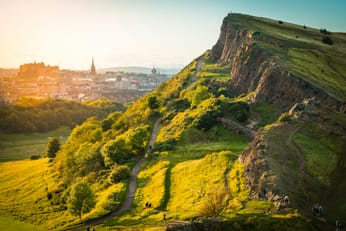
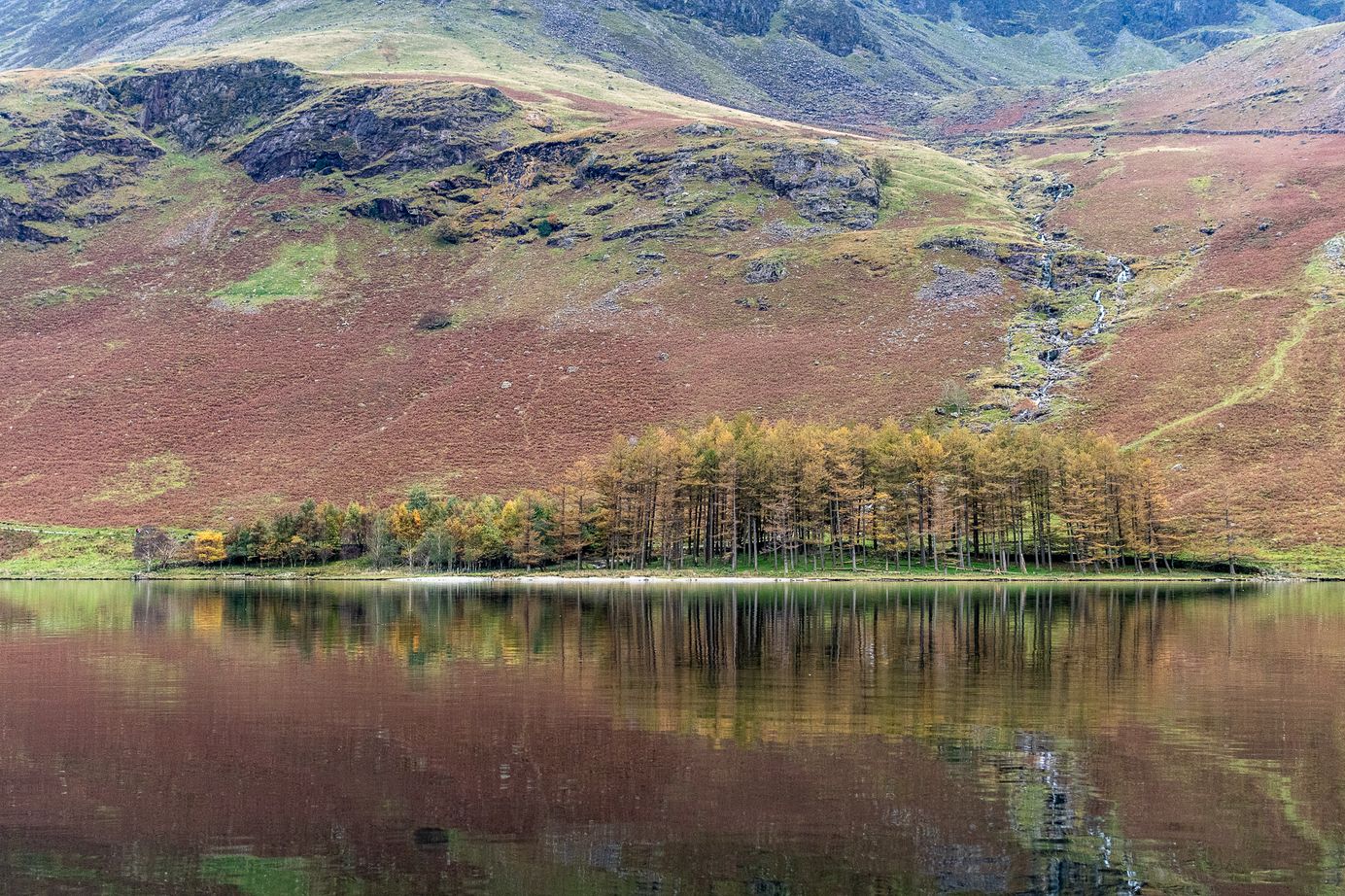
Common land | A new project is underway to help secure the future of upland common land in Dartmoor, the Lake District, the Yorkshire Dales and the Shropshire Hills. The task is being led by the Foundation for Common Land, with 25 partners backing the work. Some 12 commons will receive help, totalling around 18,000 hectares. "Commons are brimming with nature, history and culture," says Julia Aglionby, director of the Foundation. “You are seven times more likely to find common land has a special nature designation, four times more likely to find an ancient monument and about half (39%) of free access land in England is on common land." The news was covered by the Northern Echo. Claire Hodgson of the Yorkshire Dales National Park Authority also wrote about it for the Westmorland Gazette.
Curlew | A new conservation partnership has launched a 10-year action plan to reverse the decline of curlews in Wales. Currently, there are as few as 400 breeding pairs left in the country, and this number is decreasing by as much as 6% per year due to habitat loss and predation. The partnership, Gylfinir Cymru, comprises conservation groups, academia and farming unions, as well as the Welsh government. The plan involves targeted measures such as managing grass and heathland more effectively. Patrick Lindley, chair of Gylfinir Cymru said: “The loss of biodiversity is far-reaching, complex and challenging, but it is considered by many that the loss of breeding curlew from Welsh landscapes will be a loss of biodiversity too far.” The Guardian covered the news.
Forestry | The forestry market has seen a record-breaking year, with average values more than double what they were three years ago, reports Farming UK. Companies and funds are keen to invest as forests are seen as critical to growing the UK’s low-carbon economy. And, according to The Scottish Farmer, COP26 has led to a new wave in landowners being cold-called by potential purchasers due to the rising interest in woodland creation. Meanwhile, the Times reports that Scotland’s only public sector tree nursery is to double its capacity by the middle of the decade. “We are already seeing climate change happening, so we need to grow — and plant — new forests now to increase woodland cover and, most importantly, to help mitigate global warming,” said Alan Duncan of Forestry & Land Scotland.
In other news:
- Birdfair – the ‘Glastonbury of birdwatching’ – has been cancelled after 30 years, reports the Guardian.
- The Welsh government is examining potential pathways to net-zero by 2035 as part of an agreement between Labour and Plaid Cymru, reports the Guardian.
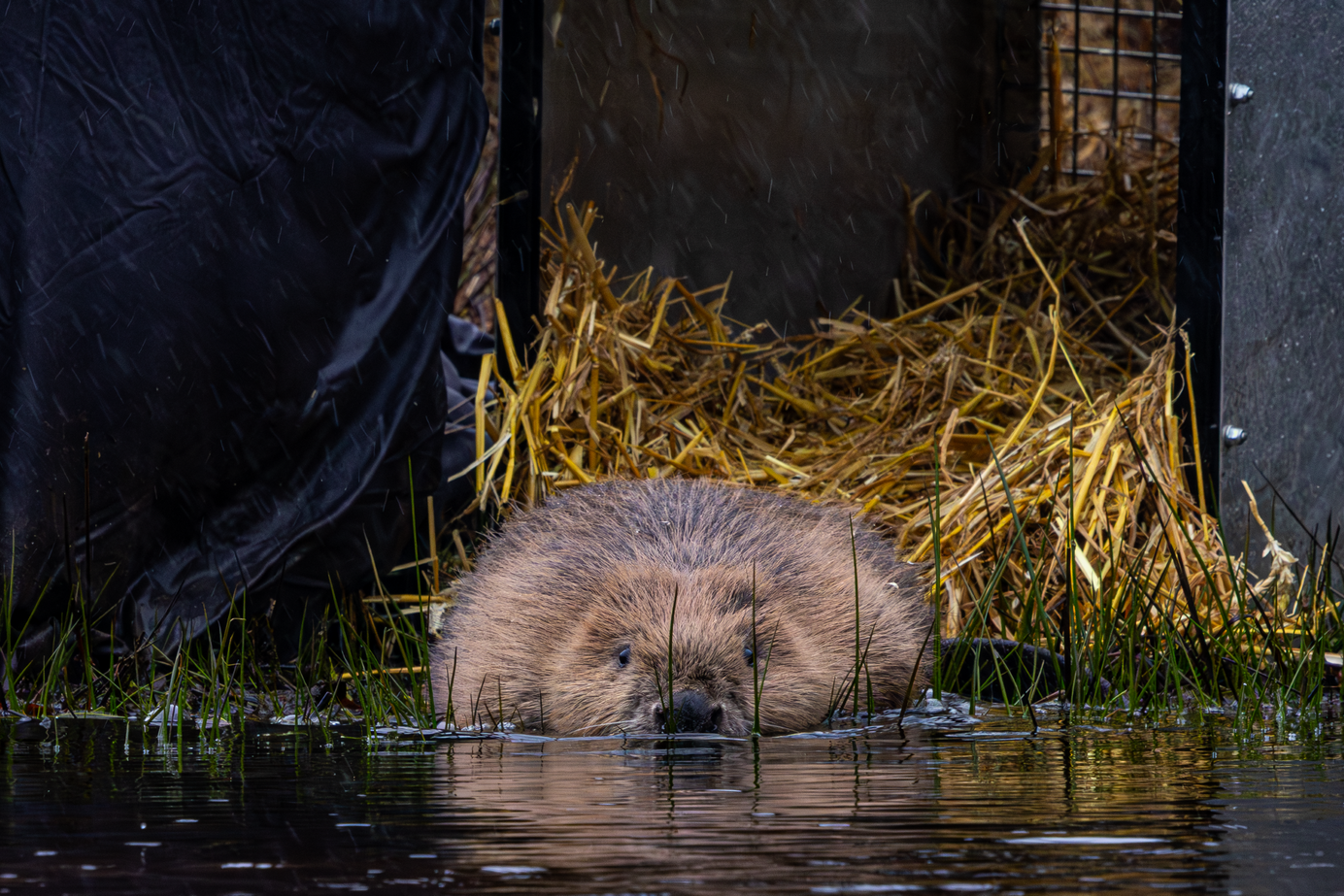
- The Scottish government has made a commitment to “actively support” the expansion of the country’s beaver population, reports the BBC, in what Trees for Life deemed a “breakthrough” moment.
- UK water firms spilled sewage into sea bathing waters 5,517 times in the last year, according to a report by Surfers Against Sewage. The Guardian covers the story.
- Natural Resources Wales will no longer allow trail hunting to take place on its land. The National Trust has done the same.
- Plastic ‘pebbles’ are washing up on beaches, to the alarm of conservationists, reports the Daily Post.
- This year’s warm, wet weather has led to a bumper crop of mushrooms, reports the Guardian.
- Butterfly Conservation has produced a new Red List assessment of the butterfly species at risk of extinction in Great Britain.
- Historic Environment Scotland has launched a climate change adaptation plan, reports Scottish Construction Now.
Across the country
West Sussex | Plans by Centre Parcs to build a £350m holiday resort on the site of ancient woodland in West Sussex have been condemned by environmental organisations. A number of charities have issued a joint statement against the plan, stating that it would “tear the heart out of Oldhouse Warren’s irreplaceable ancient woodland” and result in irreversible loss of habitat for wildlife. The plans involve building up to 900 lodges, a ‘subtropical swimming paradise’, restaurants, roads and car parks in the middle of the 550 acre woodland. The conservation groups say that, were they to go ahead, the development plans would “make a mockery” of the government’s recent commitment at COP26 to end deforestation. The Woodland Trust published blogs on the issue by Natalie Stephenson and Clive Anderson, and Sussex Wildlife Trust posted their own blog. The Times covered the news.
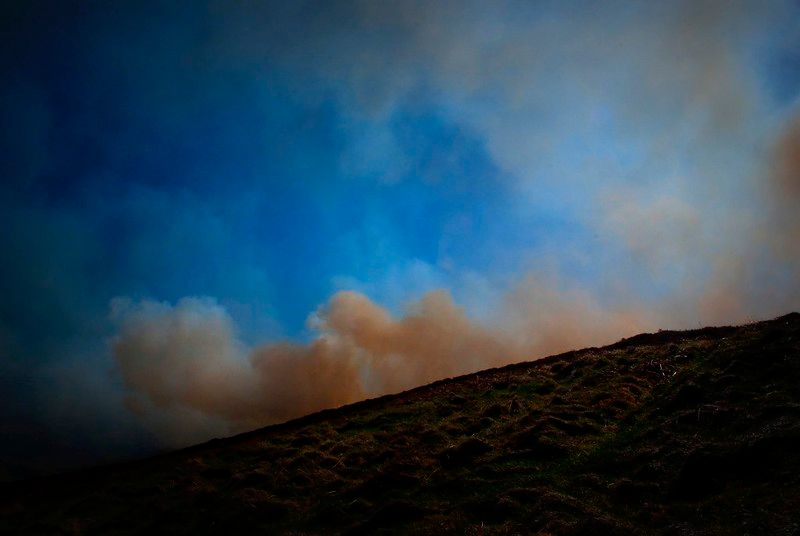
Yorkshire | Lord Gisborough has defended the peatland fires set alight on North York moors during COP26. Activists filmed around 30 moor fires on land owned by the peer at Commondale as the conference drew to a close in Glasgow: the Telegraph and Argus reported on the fires at the time. Speaking on behalf of Lord Gisborough, a spokesperson for the Moorland Association said that ‘deep peat’ is protected and restored by burning: “Controlled burning in the winter is a crucial tactic for moorland management which removes excess vegetation but does not affect the underlying peat.” Redcar & Cleveland Council stated it was "extremely disappointing" that the practice of burning is continuing in the area, while campaign group Wild Moors said that it is past time to put an end to the burning of peatlands for grouse shooting. Teesside Live covered the news.
Flow Country | A vast area of peat bogs, lochs and pools in north Scotland has moved closer to being listed as a natural world heritage site, reports the Times. The Flow Country is a blanket bog covering around 500,000 acres in Caithness and Sutherland, with peat up to 10 metres deep and bogs which have been growing since the end of the last Ice Age. The area has passed the technical evaluation stage to become the UK’s official candidate for world heritage site inscription; the next stage is for full nomination to UNESCO, with the final decision by 2024. It would become Scotland’s first natural world heritage site, and the world’s first as a peatland. Separately, Shetland News reported that peatland restoration would be key to improving the islands' "horrific carbon footprint."
Elsewhere:
- A Northumberland conservation project to boost numbers of rare harvest mice has been heralded as a success, reports the BBC.
- More than 1,000 trees will be planted in north Northamptonshire after the local council secured a grant for their upkeep, reports the BBC.
- Thames Water has been fined £4m for an Oxford sewage leak that killed 3,000 fish. The BBC and Telegraph reported on the story.
- The Great Northumberland Forest scheme has launched, with the promise to plant one million trees, reports Chronicle Live.
- Campaigners warn that the removal of fish protection measures on the new Hinkley Point C nuclear power station could decimate fish stocks, according to Ends Report.
- The Environment Agency team has created fish refugees to protect fish populations across the East Midlands.
- A group of Yorkshire barley growers are planning a trial for zero-carbon beer, according to Farmers Weekly.
Reports
Agriculture | Natural England has published its annual Agri-Environment Evidence Report, which reports on results from a range of agri-environment schemes (AES) and outcomes across nine projects. The purpose of these schemes is to encourage farmers and other landowners to protect and enhance the environment on their land by paying them for the provision of environmental services. Last year’s report was criticised by ENDS Report for lacking "robust evaluations". Amongst various elements, this years’ document focuses on the positive impact of AES on woodland species’ abundance through both woodland creation and improvement. In comparison, the relatively ‘challenging’ development of floodplain wetland mosaics has seen a low level of uptake.
Cities | The UN has published the second edition of its Global Environment Outlook (GEO) for Cities report. It highlights the impacts that cities have on all three environmental crises – climate change, biodiversity loss and pollution – and concludes that urban planning needs to consider ecological processes and nature-based solutions for all city inhabitants, both human and non-human. Bristol and Manchester are both mentioned for their net-zero visions, while London is named as an example of recognising pollinators’ value by placing ‘insect hotels’ in locations associated with green area design and management.
Crime | There was a sharp rise in the reporting of multiple types of wildlife crimes in 2020, according to a report by Wildlife and Countryside Link. Lockdowns appear to have impacted this trend in two ways: firstly, in creating the perception that police were busy so crimes could be committed with relative impunity, and in drawing more people to the countryside who could then witness and report any incidents of concern. The report concludes with a number of recommendations. Its findings were reported by the Guardian.
Science
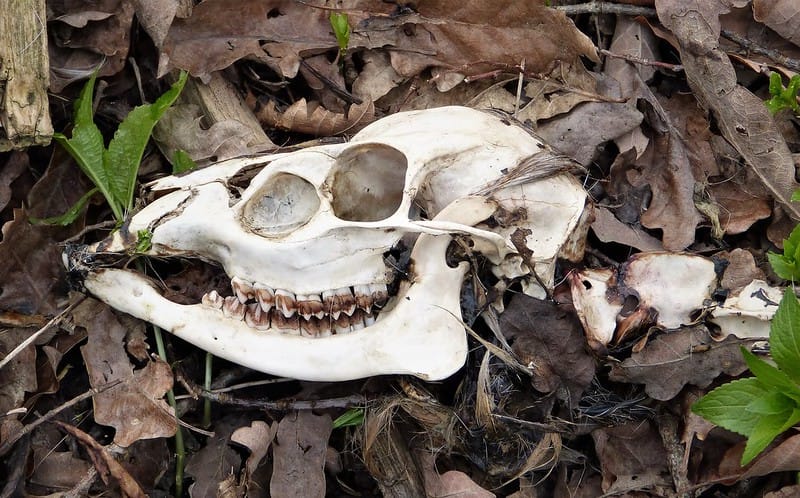
Rewilding | Existing laws and policy frameworks at national and international levels are holding back meaningful attempts to reintroduce megafauna, relying on progressively myopic perceptions of what is “natural”, according to a paper published in the Journal of Environmental Law. The author suggests that these laws have “institutionalised a collective amnesia” about what animals belong where. Separately, another paper published in Trends in Ecology & Evolution looks at whether large herbivores can increase the persistence of ecosystem carbon in grassland habitats, given that grazed areas are less vulnerable to perturbations like fire.
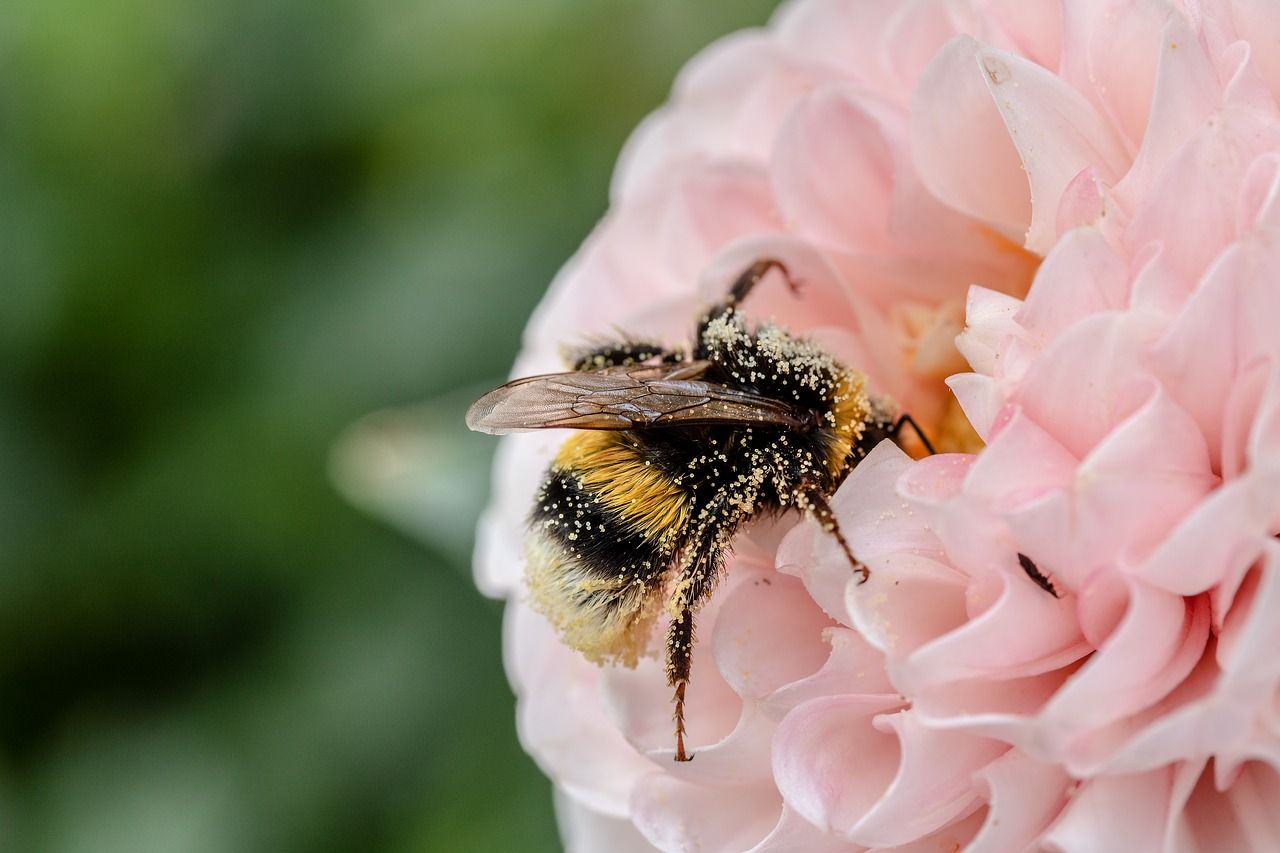
Pesticides | Bees may take multiple generations to recover from a single pesticide exposure, according to a paper published in PNAS. The authors conducted a two-year experiment on blue orchard bees which involved exposing them to varying levels of the insecticide imidacloprid – the use of which is banned in the EU, but production is not. The researchers found that pesticide exposure, both directly to foraging bees and via carryover effects from past exposures, dramatically reduced bee reproduction and therefore population growth. Exposure during larval stages reduced offspring by 20% compared to bees with no exposure. The authors conclude that, due to multigenerational impact, “carryover effects [of pesticides] must be considered in risk assessment and conservation management.” The Guardian featured the research.
Disease | A paper published in the Journal of Ecology shows that diseases affecting different UK tree species have a multiplying effect on the loss of biodiversity. The study focused on the loss of two widely occurring European tree species, ash and oak, both of which are currently threatened by a range of pests and pathogens. The authors found that, although ash hosts 45 species only found on ash and oaks hosts 326 species only found on oak, an additional 141 species also use ash and oak as alternative habitats. Ruth Mitchell, lead author of the study, said: “Current pest and pathogen risk assessment approaches that ignore the cumulative, cascading effects shown in this study may allow an insidious, mostly overlooked, driver of biodiversity loss to continue.” The British Ecological Society posted a press release, while the RSPB published a blog on the research.
Driftwood
Wilderness | The Financial Times’ Henry Mance is one of my favourite feature writers out there, and his latest musings on wilderness do not disappoint. This is ostensibly a travel piece – he finds himself staying at a £921 per night cottage at the so-called Wilderness Reserve in Suffolk – but it is equally a biting take on the commodification of the concept of the wild. “There’s the bucolic Wilderness Festival at Cornbury Park in Oxfordshire,” he writes. “There’s a digital marketing agency called Wilderness, based in the famously uncharted lands of Shoreditch.” He goes on to eat some “wilderness lamb” cooked by a Michelin starred chef, before getting abandoned in a woodland by his hosts.
Land | In New Economics Zine, the publication of the New Economics Foundation, Josina Calliste outlines the work of Land In Our Names (LION), a grassroots Black-led collective devoted to land justice and creating opportunities for Black growers and farmers. At the heart of this mission is reparations, given how land in Britain is concentrated in the lands of people whose ancestors made their fortune through colonialism. “Reparations are primarily about repair and combining the repair of the land with the repair of people,” she writes. You can learn more about (and donate to) LION here.
Farming | The Times has an interview with farmer and writer James Rebanks, who speaks as eloquently as ever about the future of agriculture in Britain. The conversation skirts between rewilding and the acceleration towards land consolidation in the hands of the few, at the expense of Britain’s small-scale farmers – and how government policies are aligning to ensure that the two are linked. “Maybe the best thing is that me and my neighbours and my community do quite radical things to make it better for nature, but not in a weird rewilding, corporate greenwash type way,” he says.
Further reading:
- The Guardian asks whether COP26 has done enough for nature.
- The RSPB has a few updates on farming policy in England, Wales and Scotland.
- The Times has a feature on microplastic pollution in rivers.
- Tony Juniper, chair of Natural England, labels the Environment Act as a “turning point for Nature” in a new blog.
- The Guardian has an editorial on the potential for urban rewilding, following news that Derby will host Britain’s largest urban rewilding project so far.
Happy days
Beekeeping | The Evening Standard has an uplifting feature on Bees & Refugees – a beekeeping charity founded by Syrian Refugee Ali Alzein, designed to both save the native British black bee from extinction while helping refugees to “break any connection with trauma.” Alzein quit his job in London’s fashion industry after realising the extent to which bees were helping him with his mental health. The charity now has 36 hives in the UK and has helped more than 80 refugees and asylum seekers to feel at home.
Subscribe to our newsletter
Members receive our premium weekly digest of nature news from across Britain.
Comments
Sign in or become a Inkcap Journal member to join the conversation.
Just enter your email below to get a log in link.