Corncrake Decline & Rewilding London
The latest news on nature and conservation in Britain.
Welcome to Inkcap Journal, a newsletter about nature and conservation in Britain. Every Friday, we round up all the week's news, science, reports, comment and more.
National news
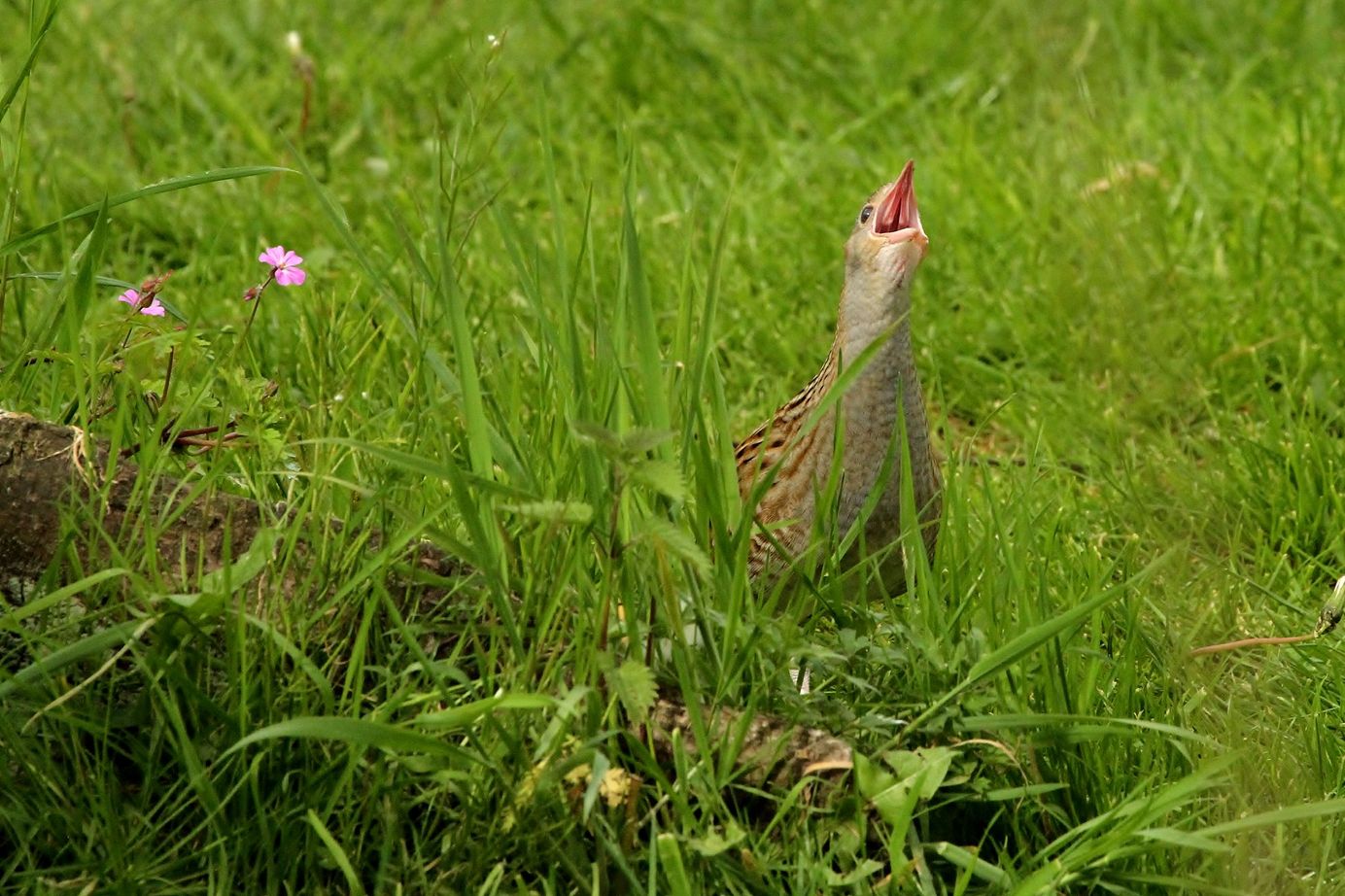
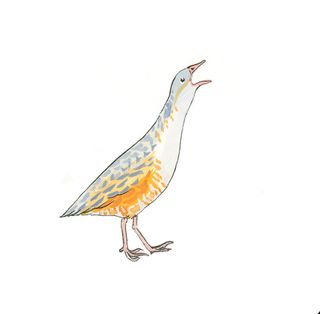
Corncrakes | The annual RSPB corncrake survey shows that numbers of corncrakes in Scotland have declined in the past two years. The survey counted 850 calling males this year, compared to 870 in 2019 and a 2014 peak of 1,289 calling males. The trends this year were highly variable: the Inner Hebrides experiencing a 12.2% drop, while the Outer Hebrides actually saw a 9.9% rise. The reason for the regional variation is not yet known. The RSPB says it will work with farmers, crofters and the Scottish Government to ensure corncrake-friendly farming methods and high nature-value management is delivered through the Agri-Environment Climate Scheme while it continues in Scotland for the next three years. BirdGuides reported the news.
Rewilding | Chris Packham and the Wild Card group have met with the Crown Estate to discuss their campaign to rewilding royal land, reports the Guardian. Packham said that the Estate was “quite clearly aligned” with their aims to change how the land is managed. “We weren’t talking about bears and wolves and lynx, and they were extremely receptive,” he added. However, Wild Card have not yet managed to secure meetings with the royal family and the duchies of Cornwall and Lancaster, which are separate to the Crown Estate. Inkcap interviewed the founders of Wild Card ahead of its launch earlier this year. Another meeting is planned in February; and the campaigners set out their priorities in a series of tweets.
Ask 1
— Wild Card (@wildcardrewild) December 16, 2021
On behalf of the public we ask: what percentage of your land will you release to nature and what is the timeline?
Ask 2
If we organise a panel of experts to advise you further on rewilding would you meet with them? /2 pic.twitter.com/hSVXhuvH2Z
Hen harriers | Natural England has published its latest data on its tagged hen harriers, providing an insight into their fortunes over the past year. Of the 84 chicks that fledged in 2021, 17 were fitted with satellite tags. Five of these birds stopped moving after July, leading to an intensive effort to find their bodies to ascertain cause of death – and, in particular, to see whether they were victims of illegal persecution. Two bodies were located, and, happily, it seems unlikely that they were killed illegally. Marian Spain, chief executive of Natural England, said that these were “encouraging signs…but nobody should be complacent.” Of the other tagged birds, two crossed over to France while the rest remained in England.
In other news:
- The Scottish Environment Protection Agency has published proposals for the creation of new wild salmon protection zones, reports ENDS.
- Scotland's designated bathing waters met environmental quality standards in 99% of locations this summer, reports the BBC.
Across the country
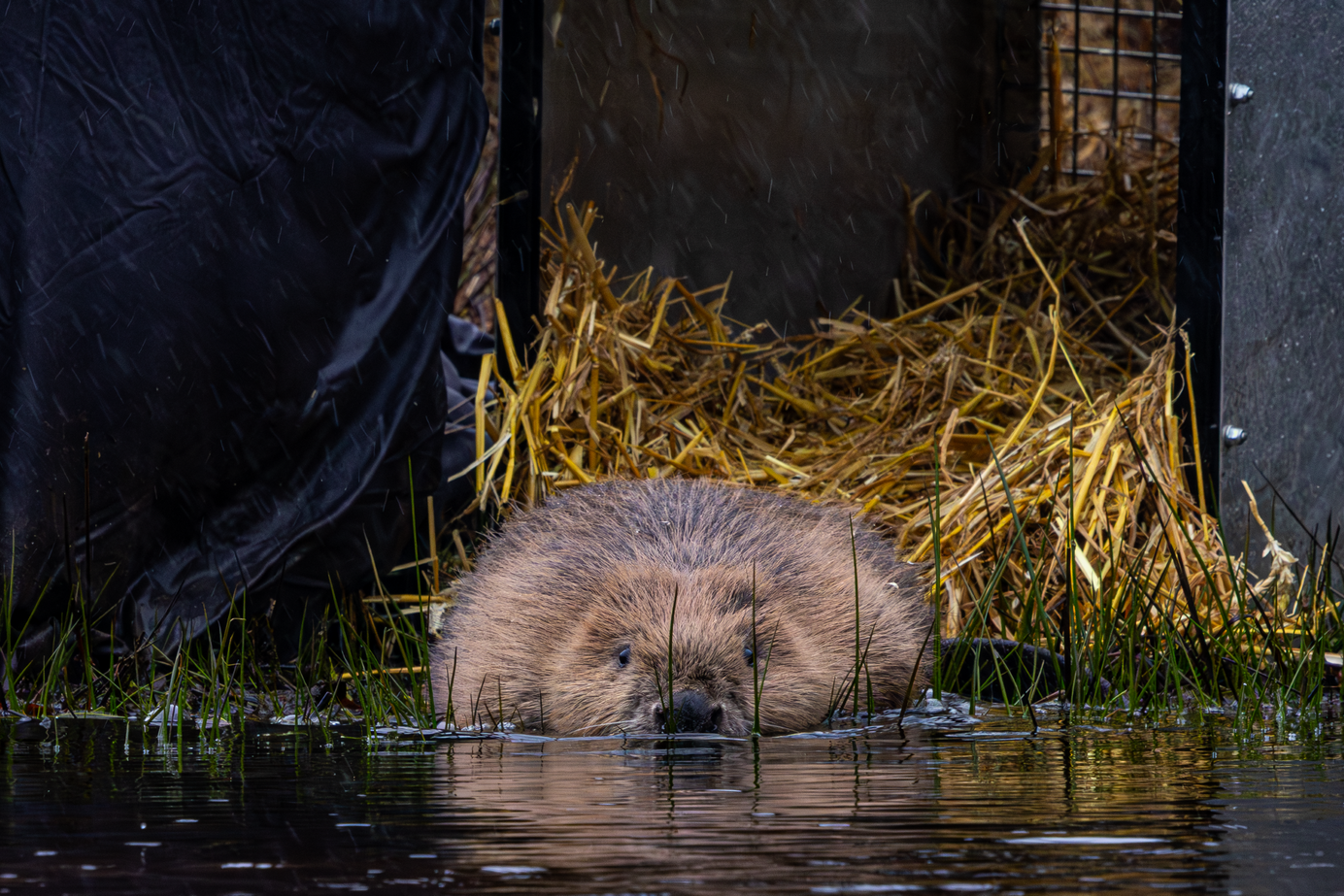
London | Changes are afoot in London. This week Sadiq Khan announced a rewilding fund for green spaces in London, including Hyde Park. He has set aside £600,000 for the project, which will focus on 20-30 designated sites of importance for nature conservation. Khan will be working with Ben Goldsmith, who said the plans would “weave wild nature back through the very fabric of our city”, and would include measures such as green rooftops, nest boxes, re-wiggling streams and species reintroductions. Separately, Wired profiles the efforts of community wilding group Citizen Zoo, which is spearheading efforts to return grasshoppers and water voles to the landscape. CEO Lucaz Ruzo said he would love to see beavers return to London – one of the reintroductions suggested for Hyde Park. Also in London, Grosvenor Square could be transformed into a biodiverse urban garden with its original Georgian shape, if plans are approved by Westminster Council, according to the Evening Standard. Urban rewilding is spreading beyond the capital too, with the City of Greater Sudbury considering a rewilding pilot programme, reports Sudbury.com.
Orkney | Dozens of dead and sick puffins have washed up on the beaches of Orkney, reports the BBC. Scientists have probably ruled out avian flu as the cause, and are investigating other potential reasons. One theory is the recent storms, but the Scottish government is also testing water, plankton and fish samples for the presence of harmful algal species. “Further work is also ongoing to explore whether changes in prey abundance or quality are a potential factor,” a spokesperson added. Prof Mike Harris at the UK Centre for Ecology and Hydrology said that the deaths were particularly worrying as they were all breeding adults, with potential repercussions on next year’s populations. The Scotsman also covered the news.
County Durham | More than 80km of the River Wear is polluted by zinc, cadmium and lead – a legacy of Weardale’s abandoned metal mines, reports the Chronicle. These are the findings of a new report published by the Coal Authority. Pollution like this can cause damage to wildlife and even human health. The issue is not unique to County Durham: metal mine pollution affects around 1,500km of rivers across England. In nearby news, Storm Arwen has blown down the Croxdale Crab – County Durham’s only champion tree. It qualified for this title because it is believed to be the largest and oldest tree of its kind, reports the Darlington and Stockton Times. The crown now passes to an apple tree in Wiltshire.
Elsewhere:
- A popular charity run in the New Forest has been shut down to avoid disturbance to ground-nesting birds, according to the Advertiser & Times.
- The ‘Lost Peatlands’ project is aiming to restore and better manage upland sites in South Wales.
- Controversial plans to fell hundreds of trees in an ancient Northumberland wood are being justified by fire damage, rot and safety reasons, according to Chronicle Live.
- Countryside campaigners and villagers have objected to a planning application for a large poultry farm in Norfolk, reports the Eastern Daily Press.
- Rare wildlife population numbers have boomed as a result of the RSPB’s Minsmere heathland restoration project in Suffolk.
- Sand lizards have returned to the restored heathland at South Downs National Park, reports the BBC.
- Hull Live reports on why ‘waterfront woodland’ is the best option for Hull’s crumbling St Andrew’s Dock.
- Rangers are preparing for the return of wild bison to the UK, with their arrival in Kent scheduled for next spring, reports the Guardian.
- Wildlife-friendly farmers in the East Anglian fens hope to shape ELMS funding policy, writes the Eastern Daily Press.
- The developer behind plans for a ‘UK Disneyland’ theme park insists that the ‘erroneous’ SSSI designation will not stop the development, according to ENDS.
- A decision on whether to fell a 600-year-old Peterborough oak has yet to be reached, reports the BBC.
- Colchester Borough Council has said it cannot do anything to prevent a housing development on rare acid grassland habitat, reports the BBC.
Reports
Diversity | The nature-related pictures offered in image libraries do not show a diverse range of people, reinforcing harmful ideas about who is welcome in the countryside, according to a new report by Climate Outreach, which was commissioned by Natural England. The report highlights six principles that should be at the heart of visual storytelling: these include creating authentic representation rather than tokenism, including more real people, and diversifying who is behind the camera. The report is aimed at “anyone wanting to tell more diverse stories of people and nature”, including communications professionals, academics and anyone working in the outdoors and photography sector.
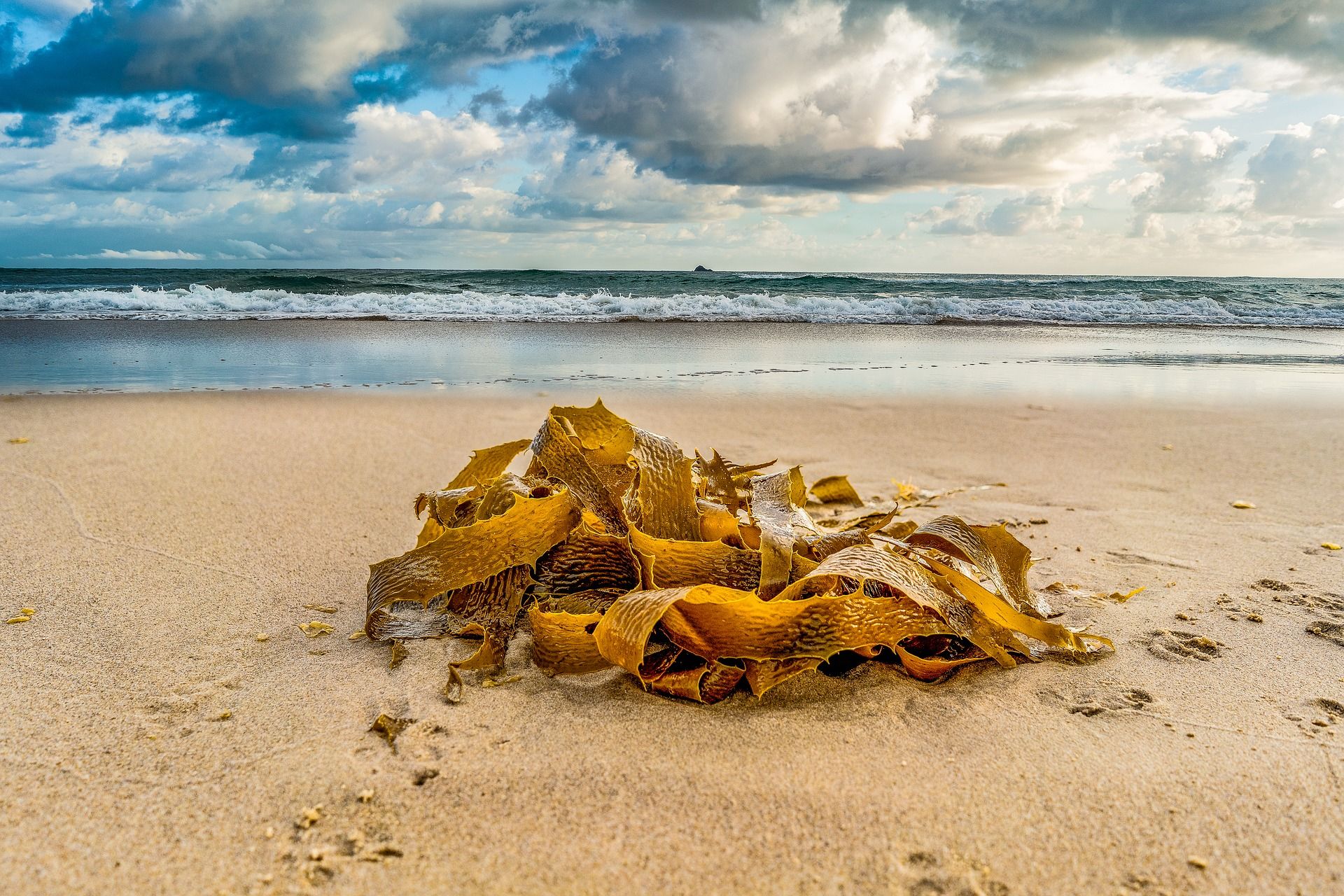
Seaweed | Natural England has released a research report on the impacts of seaweed harvesting and aquaculture, an emerging industry in England and Wales. The impacts of aquaculture will depend on scales, it finds, “with smaller farms unlikely to negatively impact the environment, but a very large farm or several small farms next to each other could have a larger or cumulative impact.” It found that the rate of recovery of wild species after mechanical harvesting is “highly variable and seemingly affected by multiple physical and biological factors.”
Entanglement | NatureScot has released a report on the scale and impacts of marine animal entanglement in the Scottish creel fishery. “The Scottish fishing industry makes a significant contribution to the national economy and forms the social and cultural backbone of many small fragile coastal communities,” it says. “However, with thousands of miles of rope and netting associated with these fisheries in the water at any given time, the incidence of entanglement is increasing.” Almost half of the creel fishers interviewed revealed that they had experienced at least once entanglement between 2008 and 2018, involving at least 12 species of cetacean, shark and turtle.
Science
Waders | A paper in Frontiers of Ecology and Evolution explores the effectiveness of rush management to help increase the population densities of British wader birds. The theory is that the encroachment of rush limits foraging and breeding habitat quality for some species; therefore, rush management via cutting could increase wader abundance. However, the authors found regional variation in the response to rush management, and conclude that rush cutting delivered in isolation may not lead to benefits for waders in the short-term. Instead, they suggest supporting rush management with interventions that improve soil condition and thus food availability, or reduce predation pressure on waders.
Moors | Increasing dominance of purple moor grass (Molinia caerulea) on globally rare and protected blanket bogs in the UK is a growing threat to diversity and carbon storage, as well as an increasing risk of wildfire, according to a paper in Ecological Solutions and Evidence. In response, the authors conducted a trial to increase bog diversity using Sphagnum plugs planted on three Molinia-dominated sites in the South Pennines. They found that the plugs fared better than naturally-occuring Sphagnum colonies, and that they established rapidly and boosted diversity and cover; however, establishment was slower in areas of dense Molinia and likely to be hampered by periods of drought stress. The findings were outlined in more detail by Moors for the Future.
Overkill | A new paper in Quaternary Science Reviews has important implications for the ongoing debate over whether humans or climate change were responsible for the extinction of the world’s megafauna during the Pleistocene. The authors looked at faunal remains in the Southern Levant over the last 1.5 million years, and found that species were extirpated in order of size, with humans hunting progressively smaller animals. “We suggest that hominins were likely the leading cause of Pleistocene extinctions and reduced large-animal abundances in the region,” the authors conclude.
Driftwood
Trees | A lone hawthorn on the shores of a Scottish beach has been named the UK’s Tree of the Year by the Woodland Trust. The Trust describes the tree as a “striking presence” standing guard on the coastline in Dumfries & Galloway. The ‘Kippford Leaning Tree’ took first place with 38% of the vote, while a Monterey cypress tree in Saundersfoot, Pembrokeshire, came in second, and a parasol beech in County Tyrone’s Parkanaur Forest Park finished third. The annual competition highlights the UK’s favourite trees to help show their value and need for protection. The winning tree, which will go on to represent the UK in the 2022 European tree of the year contest, was featured in the Guardian. Separately, Country Life has a feature on the 10 most famous trees in Britain – and the sometimes grisly stories behind them.
Ecology | The British Ecological Society’s conference Ecology Across Borders took place this week. Research topics at the conference included a ‘breakthrough’ study on the use of airborne DNA to detect insect species (picked up by the Guardian); a citizen science project by the University of Sussex which found city allotments to be equally as productive as farming; and a study on how solar parks could boost bumblebee numbers in a win-win for nature and climate (also featured in the Guardian). All the research presented was at the preliminary results stage and yet to be peer-reviewed.
Hibernation | The brilliant Helen Macdonald, author of H is for Hawk, muses on the idea of hibernation as a metaphor for how our experience of time has changed during the pandemic. The idea of being able to disengage from the responsibilities of everyday life “felt like a disturbing, beguiling dream”, she writes. But the metaphor isn’t entirely correct. “Like a hedgehog in a pile of leaves, I was deluded enough to believe I was waiting out this dreadful winter, ready to wake and walk back into the sun. What we’ve experienced is not a hibernation: we are altered creatures, personally, socially, culturally and politically.” The feature appears in the New Statesman’s Christmas Special.
Further reading:
- Scottish seaweed farms could help to spark a jobs boom, reports the Herald.
- The Guardian finds a seed of hope in the disaster that is ash dieback disease.
- Rewilding in Scotland should be accompanied by a “re-naturing” of farms, according to Philip Lymbery, chief executive of Compassion in World Farming International.
- The Guardian profiles Ryad Alsous, the Syrian beekeeper, now based in Yorkshire, whose story inspired the bestselling The Beekeeper of Aleppo.
- The Big Issue looks at how the UK’s system of land ownership is hindering action on climate change and biodiversity.
- The Times interviews Swampy – “Britain’s first eco-warrior” – with his partner and son in their house made from wood, straw and horse hair.
- ‘Green lairds’ should be celebrated, not sneered at, according to a piece in the Herald.
Happy days
Tree of Life | A tree of life representing the connections between all living species sounds like something out of a fantasy novel, but this week Imperial College London has published an interactive ‘tree’ map which does just that. Mapping over 2.2 million living species, the ‘OneZoom Explorer’ is the closest thing yet to a single view of all species known to science, according to their description. The map allows users to zoom into any species and explore its relationship with others in a seamless visualisation on a single webpage. It also includes images of over 85,000 species, plus their vulnerability to extinction where known – the ‘leaves’ are even colour-coded accordingly.
Subscribe to our newsletter
Members receive our premium weekly digest of nature news from across Britain.
Comments
Sign in or become a Inkcap Journal member to join the conversation.
Just enter your email below to get a log in link.