Wild Camping & Historic Atlas
The latest news on nature and conservation in Britain.
Welcome to Inkcap Journal, a newsletter about nature and conservation in Britain. Not a member? Sign up for a 30-day free trial.
National news
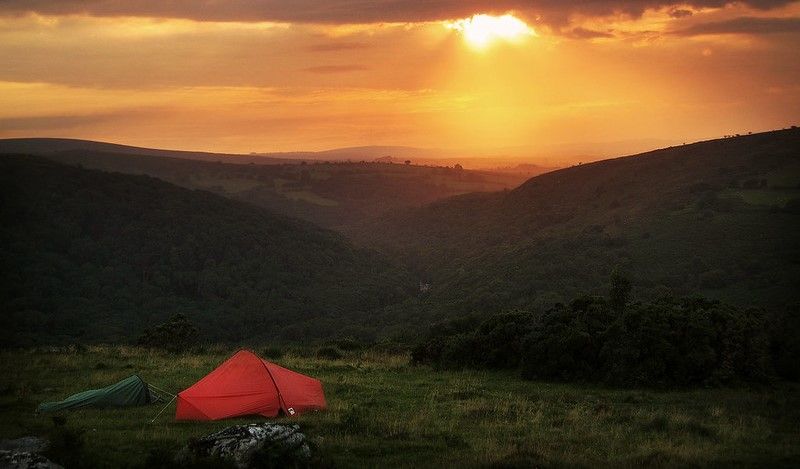
Camping | On Tuesday, judges at the Royal Court of Justice heard an appeal against the decision to ban wild camping on Dartmoor National Park. Lawyers for the National Park Authority told the Court that the ruling “went too far”, and failed to appreciate that camping is an open-air recreation – which is allowed on the moor by a law from 1985. On the other side, lawyers representing the wealthy landowner Alexander Darwall, who originally brought the case against the Park, argued that wild camping is not recreation because sleeping is not an enjoyable activity. Speaking to campaigners gathered outside, Green MP Caroline Lucas thanked Darwall “for inadvertently galvanising a movement that may lead to the biggest shake-up of land rights in a generation.” A ruling is expected at a later date. The news was reported by multiple national papers. Separately, the House of Lords rejected a proposed change to the Levelling Up Bill which would have given more powers to National Parks and AONBs.
Election | A coalition of more than 80 environmental organisations, led by Wildlife and Countryside Link, have launched a major campaign calling on political parties to ramp up their environmental commitments ahead of the 2024 general election. Backed by celebrities including Steve Backshall and Chris Packham, the Nature 2030 Campaign proposes five urgent actions needed to restore nature by 2030, including doubling the nature-friendly farming budget, making polluters pay for restoration, and introducing a new law to guarantee the right to a healthy environment. Research by the WCL found low public satisfaction with the government’s action for nature, with only one in ten Brits believing the government is performing well on key environmental issues. So far, the campaign’s open letter to politicians has gained over 13,000 signatures. The Independent and ENDS covered the news.
Adaptation | Defra has published its third National Adaptation Programme, setting out how the government will adapt the country to deal with climate change over the next five years. In March, the Climate Change Committee said that this year’s NAP would be a “make-or-break moment”, yet experts have expressed disappointment at the weak actions of the report. Environment secretary Thérèse Coffey promised it represented a “step change” in government approach, but critics quickly pointed out that most of the funding pledges are simply re-announcements from other plans. The report fails to adequately address the mounting threats of extreme heat, according to a Guardian article, while the RSPB has criticised a lack of detail on the implementation of nature-based solutions. Richard Benwell, chief executive of Wildlife and Countryside Link, said there was “still a substantial gap” between the measures listed and what is needed for nature recovery. The news was widely covered by national papers. Separately, the Marine Management Organisation also published an adaptation report, in which it says the MMO is “ready to take a greater role” in delivering the UK’s climate goals.
In other news:
- Defra has announced a post-Brexit package of measures for fisheries management, including remote monitoring in English waters and £20.8m in funding for Scottish projects. The Independent and the Telegraph covered the news.
- Natural England is launching six landscape-scale nature recovery projects, covering 176,000 hectares of land from the Tees Estuary to the South Downs. The BBC covered the news.
- The Scottish government has delayed publishing its final biodiversity strategy, reports the Herald.
- Natural Resources Wales is establishing a team to ensure that farms are complying with pollution regulations.
- Natural England has been criticised in both the Times and the Telegraph separately for blocking housebuilding through mitigation measures. Chair of Natural England, Tony Juniper, hit back on Twitter, while George Monbiot wrote about it in the Guardian.
- The Big Butterfly Count has gotten underway, although scientists have warned that last summer’s drought could have impacted populations. The BBC, the Guardian and BirdGuides covered the news.
- The Environmental Audit Committee has said the government is planting less than half its annual target of trees, reports the Independent and ENDS.
- Defra has published its fifth and final annual report on the 25 Year Environment Plan. Critics say it shows little except “ongoing decline”, reports ENDS.
- A debate in Parliament over a proposed law for compulsory swift bricks resulted in a “lukewarm response”, reports BirdGuides.
Across the country
Southern England | A white-tailed eagle chick has fledged for the first time in England in 240 years. It is the first successful breeding attempt to emerge from a reintroduction programme by the Roy Dennis Wildlife Foundation and Forestry England, which has released 25 birds on the Isle of Wight since 2019. White-tailed eagles are Britain’s largest bird of prey, but they disappeared from England entirely after widespread persecution: the last record of a breeding pair was in 1780. Conservationists have hailed the fledging as a “very significant milestone” in the return of the charismatic species. The exact location of the nest is not being disclosed to prevent disturbance. The BBC, the Guardian, BirdGuides and others covered the news.
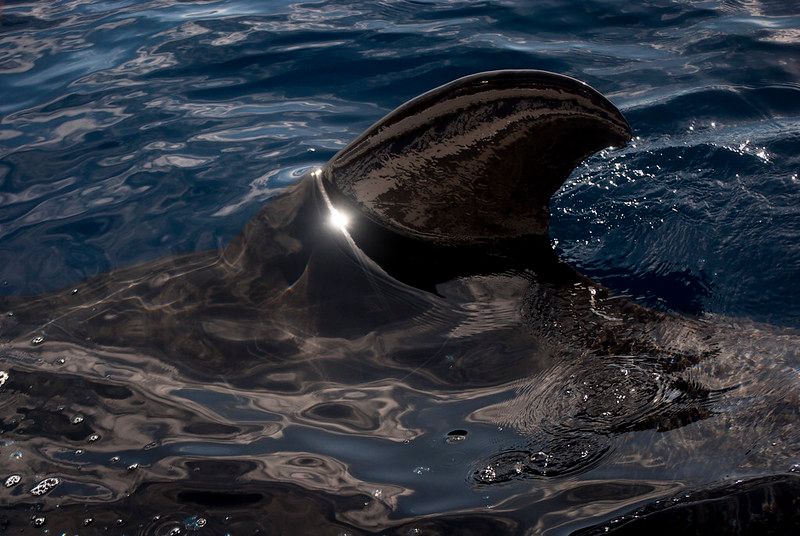
Lewis | Investigations have begun into the mass stranding of 55 pilot whales on Traigh Mhor beach in the Western Isles. Despite the best efforts of rescuers, only one whale was successfully refloated, while the 13 individuals found alive on the beach were euthanised on welfare grounds. It is the deadliest mass stranding of pilot whales in Britain since records began. The British Divers Marine Life Rescue said the pod could have followed a struggling pregnant female into shallow waters, as pilot whales are “notorious for their strong social bonds”. A “monumental” post-mortem examination will now take place on a select number of whales, with islanders asked to free up freezer space for the samples. The team of experts has not ruled out the potential effects of human activity including recent sonar work, according to the Times. The stranding event was widely covered.
Shropshire | In the Wye Valley, an Iron Age hillfort is under threat from creeping vegetation and invasive species. To combat the issue, the Woodland Trust have employed a herd of Dexter cows to help prevent the plants from engulfing the archaeological site, while also spreading seeds through their dung and moving around the soil. To avoid an unsightly fence around the area, the cows have been trained to stay within an area delineated by musical beats, played through the solar-powered collars around their necks. The Telegraph covered the story, including a helpful infographic illustrating how the virtual fence controls the movements of the cattle. Elsewhere, the National Trust has also introduced virtual fencing for a herd of cows on the Mendip Hills, reports the BBC.
Elsewhere:
- Kenmore residents in Perthshire are campaigning against plans by US developers to build an exclusive gated community on the Taymouth estate, reports the Guardian.
- Seeds are being harvested from seagrass meadows in Orkney to regenerate the Firth of Forth meadows, reports the BBC.
- Cambridge University has been criticised over its plans to build a 90 acre solar farm on green belt land, five miles west of the city centre, reports the Times.
- The charity CPRE London is hoping to create an ‘M25 for nature’ by linking together existing areas of green belt to create an uninterrupted ring of trees around the capital, reports the Guardian.
- The Department for Transport has approved plans to build a road tunnel near Stonehenge, despite “colossal” environmental concerns, reports the Telegraph.
- Twitchers are flocking to east Norfolk to see a black-winged kite, only the second ever recorded in Britain, reports BirdGuides and the BBC.
- The River Thame Conservation Trust has removed a barrier on a rare chalk stream in Oxfordshire to allow fish to move freely, reports the BBC.
- A Northumberland community near Morpeth is trying to raise £45,000 to purchase and preserve an ancient woodland, reports Chronicle Live.
- National Highways has insisted that the four-lane A30 road development in Cornwall will result in a 20% net increase for wildlife, reports Cornwall Live.
- Southern Water has suggested that seagull droppings could be to blame for a decline in water quality off a Portsmouth beach, reports the Telegraph.
- Wiltshire Wildlife Trust will re-meander the River Were at Smallbrook Meadows and reconnect it to its floodplain, reports the BBC.
- Wild choughs are set to be reintroduced to a site near Dover after going extinct in Kent over 200 years ago, reports the BBC.
- Pembrokeshire County Council has confirmed an outbreak of avian flu in one of the country’s most important areas for seabirds, reports the Guardian.
Reports
Heat | Trees and green spaces can cool urban areas by up to five degrees, according to a report by Friends of the Earth. The analysis by mapping specialists TerraSulis produced striking heat maps of five English cities – London, Manchester, Birmingham, Bristol and Newcastle – on the hottest day on record: July 19th, 2022. It is the first time that the cooling abilities of both green spaces and trees in urban areas have been modelled together, according to FOE, and it shows their significant impact on varying neighbourhood temperatures. The research also revealed that people of colour make up 65% of the population in areas with the least cooling, demonstrating the unequal impact of climate change felt by marginalised communities. The Independent covered the research.
Farming | There is an urgent need to transform the UK’s food system to address the climate and nature crises, according to a report by thinktank IPPR. The thinktank convened community panels in Cumbria, Kent and Somerset, who developed nine guiding principles for a transition that would be fair to farmers, farm workers and the public. The principles range from increased public education to the promotion of local food. However, the authors of the report conclude that significant change will not happen without “robust intervention” from the government, and their overarching recommendation is to bring forward an industrial strategy for food and farming. The Independent, FarmingUK and Farmers Weekly covered the research.
Health | A report by the Wildlife Trusts has found that nature-based health programmes could save the NHS over £600m every year. Researchers analysed five Wildlife Trust programmes which involve ‘green prescribing’: the practice of prescribing time in nature for its health, wellbeing and social benefits. They found that targeted programmes were able to provide benefits to different groups facing health inequalities – from older people and carers to participants from under-served areas – while also easing the burden on the NHS. To increase access to nature-based projects, the Trusts are calling on the government to integrate green prescribing into community health and social care across the country, and encourage shared investment across government departments.
Science
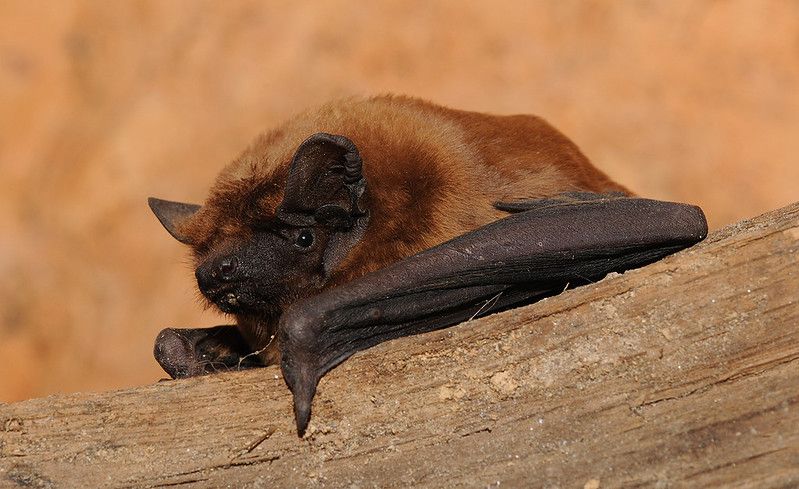
Noise | A paper in Ecological Solutions and Evidence presents the first evidence for the negative impacts of music festivals on bat activity. Researchers at the University of West England found that loud music playback alone was enough to create significant disturbance to several species, even in the absence of additional factors such as lighting and habitat disturbance. In particular, they recorded a 47% reduction in activity for the Nyctalus/Eptesicus species, whose lower frequency echolocation calls might overlap with the frequencies of music tracks. Lead author Jack Hooker said the research would hopefully aid the implementation and enforcement of noise level policies, especially as festivals are increasingly being held in places important for local wildlife.
Fear | Interest in biophobias increased between 2004 and 2022, according to a study published in People and Nature, suggesting that people are becoming more fearful of nature. The researchers examined temporal and country-level data on internet searches for various fears. They found that interest in biophobias was highest in the US, the UK, Australia, Canada, Mexico and India, and that search patterns were strongly correlated to the percentage of the population living in urban areas – but only weakly to the incidence of anxiety disorders. “Our results provide quantitative support to the hypothesis that biophobias are broadly prevalent and possibly increasing as a result of widespread urbanisation and loss of experiences with nature,” the authors conclude.
Songbirds | The presence of bird nests may increase the local diversity of invertebrates, according to a study in Experimental and Applied Acarology. This is because nests offer specific microhabitats within the landscape – the consequence of location, structure and composition. This particular study looked at the presence of mites within wood warbler nests on the forest floor of the Białowieża National Park in Poland. The nests contained a greater average number of mite species than the surrounding leaf litter, and some species were only found in nests. Co-author Richard Broughton wrote a short thread putting the paper in the context of wider research on the role of nests as mini hotspots of biodiversity.
Driftwood
History | Lee Raye, an historian of wild animals and plants, has released their eagerly anticipated Atlas of Early Modern Wildlife. The book delves deeply into the writings of old naturalists, clergymen, poets, travellers and antiquarians – and the results are comprehensive and fascinating. Raye spells out some of the most interesting findings in an article for The Conversation. This includes the huge decline in abundance of British wildlife over the past few centuries, but also, perhaps more surprisingly, evidence of concern about these declines – and signs of ecological protest – well before such sentiments became widespread during the twentieth century.
Entomology | Richard Siddoway Bagnall was an entomologist born in County Durham in 1884. To mark the recent digitisation of his slides, the Natural History Museum has published a paper outlining his biography. Bagnall always led a double life, writes the author, Louise Berridge, cramming his entomological study into his free time around his day job in heavy industry. Her account includes his involvement with the Vale of Derwent Naturalists’ Field Club – a society set up so that steelworkers, miners and their families could socialise, study natural history and ramble in the countryside – as well as the controversy over the distribution of his slides to the Natural History Museum.
Climate | The Ferret, a Scottish publication, is running a new “fact-checking series” focusing on climate change. The articles are based upon the climate misinformation that its readers claim to have encountered. Among the most interesting is a visualisation of Scotland’s changing snow cover from the 1970s to the present day, based upon data from the Met Office. There is also a helpful explainer setting out the answers to common climate questions – including impacts on food supply, wildfires and wildlife – within a Scottish context. Another looks at the Scottish government’s plans for tackling climate change.
Further reading:
- An ancient and shaggy breed of Italian sheepdog could be the answer to eagle attacks on livestock in the west coast of Scotland, reports the Times.
- Alan Titchmarsh is the latest TV presenter to become embroiled in the rewilding debate after calling the practice an “ill-considered trend”, reports the Times.
- A year since bison were reintroduced in Kent, a flurry of pieces from Countryfile, the Times and Kent Wildlife Trust looks back at the success of the project.
- The Financial Times has a list of the best new books on climate and the environment.
- In the Guardian, Stephen Moss writes that the extreme weather of British summers is threatening the existence of house martins.
- Removing vegetarian and vegan labels from restaurant food could encourage meat-eaters to include more of it in their diet, according to a study featured in the Times.
- In a Scotsman column, MSP Monica Lennon argues that Scotland could put itself at the forefront of a global movement for nature by criminalising ecocide.
- An article in the Guardian pushes back against the anthropomorphic casting of recent orca attacks on boats.
Happy days
Wimbledon | Most Wimbledon viewers probably had their eyes on the ball – but those who turned their eyes to the skies might have spotted Rufus the Harris Hawk, now in his fifteenth year of service, cruising above the courts. Rufus has the important job of scaring away pigeons, ensuring that the tennis can happen in peace. “People often comment on how relaxed and unfazed he is – that in itself says he's not disturbed or perturbed by people being around. He's just chilled with it all,” says his handler, Donna Davis. The BBC covered the news.
Subscribe to our newsletter
Members receive our premium weekly digest of nature news from across Britain.
Comments
Sign in or become a Inkcap Journal member to join the conversation.
Just enter your email below to get a log in link.