Deer Culling Rules & Heathland Carbon
The latest news on nature and conservation in Britain.
National news
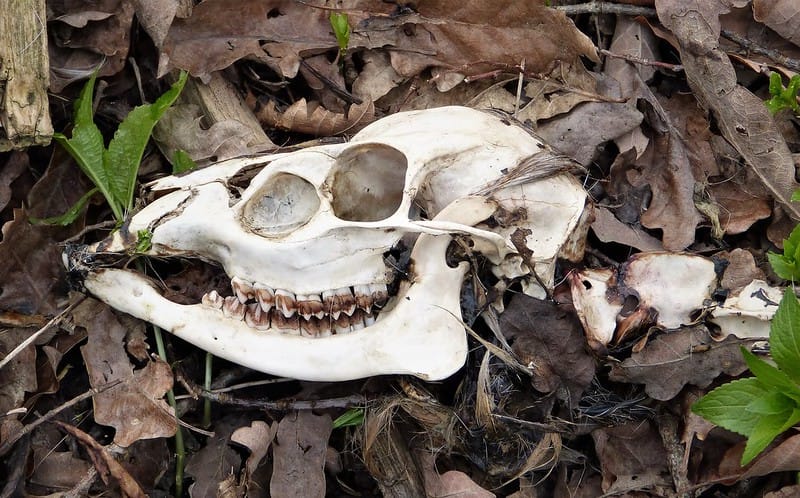
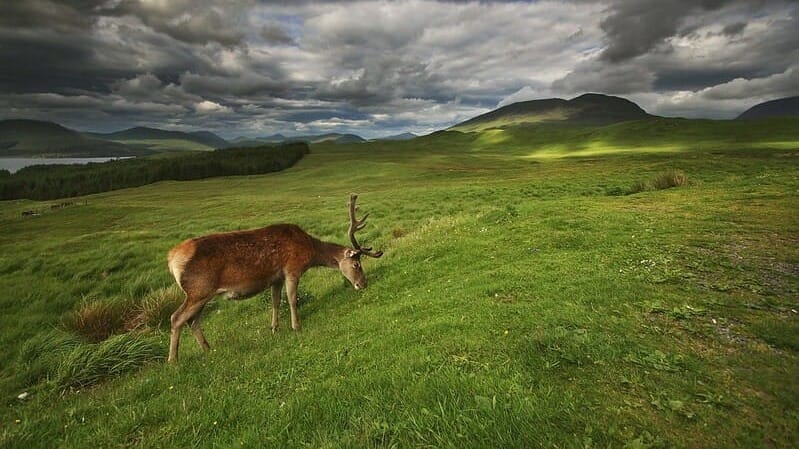
Deer | NatureScot has published a consultation paper outlining proposed changes to Scotland’s system of deer management. Most notable are plans to give NatureScot greater powers to impose control on deer numbers. Currently, officials can order a cull to mitigate against damage caused by deer, but the paper proposes a ‘Deer Management Nature Restoration Order’ (DMNRO) which could be issued when culling would achieve ‘significant gains’ in meeting ‘biodiversity and climate objectives’. Biodiversity minister Lorna Slater said the additional control measures are needed to achieve Scotland’s ambitious targets on tree-planting, woodland regeneration and peatland restoration. Other proposals include removing barriers to venison entering the food market, and changes to improve the welfare of wild deer. The Scottish Environment Link welcomed the proposals, but some landowners have expressed concern at the ‘vague and subjective’ nature of the DMNROs, and its potential for significant financial liabilities. The Telegraph and the Scottish Farmer covered the news.
Flooding | The news is awash with the repercussions of widespread flooding across England. Farmers are facing ‘huge losses’ with some fields entirely underwater, and Britain could see shortages of root vegetables and cereals as a result. As rivers reached record highs, Labour accused Rishi Sunak of being ‘asleep at the wheel’ over prior flood warnings, and said the government was failing to protect homes against flooding. The shadow environment secretary, Steve Reed, said it was not about ‘extra money’, but instead ensuring the budget for flood defences is used ‘to maximum effect’. Meanwhile, scientists have warned that warmer and wetter winters are becoming increasingly likely due to climate change, with flooding predicted to intensify in coming years. Christian Dunn of Bangor University said that, having historically destroyed much of nature’s answer to flooding – in the form of marshes, bogs, fens and peatlands – Britain needs to ‘manage and conserve our country’s existing wetlands and we need to create more of them.’ The news was widely covered by national outlets. Meanwhile, a feature in the Guardian spotlights farmers using natural methods to manage floods.
Restore | A UK start-up has launched this week, with Rebirding author Benedict Macdonald at the helm. RESTORE, according to its website, ‘specialises in highly ambitious ecological restoration projects for landowners across the UK, underpinned by the natural capital and financial advice needed to make these projects a reality.’ Their work spans bio-abundance farming to full rewilding; the land in their sights currently includes everything from a stately home in Yorkshire to a remote island in the Outer Hebrides. In a post on LinkedIn, Macdonald wrote of a manic six months in which the organisation had completed its equity raise and built a portfolio of more than 76,000 acres. Carbon Pulse reported the news.
In other news:
- The profits of salmon farming giant Mowi have halved due to a disease outbreak, reports the Times. Meanwhile, the Scottish government has dismissed calls to improve fish farm guidance, reports ENDS.
- Organisations including the John Muir Trust are demanding a rethink of the £1bn project to roll out telecoms masts ‘across Scotland’s wild places’, reports the Herald.
- Keir Starmer has said Labour’s flagship £28bn green fund is not set in stone, reports ENDS.
- 2023 has been confirmed as the world’s hottest year on record, reports the BBC.
Across the country
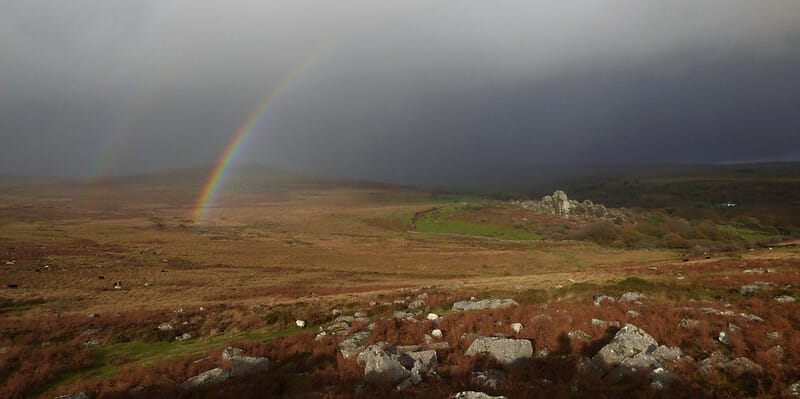
Dartmoor | Wealthy landowner Alexander Darwall has won the right to challenge the court decision to allow wild camping on Dartmoor national park. His appeal to the Supreme Court follows the victory by campaigners last July, when judges ruled that wild camping was allowed under the definition of open-air recreation. Campaign group The Stars Are For Everyone said that the ‘egregious move illustrates the need for greater legal protections for access to nature’. Last summer, Darwall’s attempt to ban wild camping sparked widespread protests, with thousands gathering on the moor to protect their rights. On Twitter, author Robert Macfarlane wrote: ‘We beat him in the Courts of Appeal & we'll beat him at the Supreme Court too. Mustering!’ The BBC, the Guardian and the Independent covered the news. Elsewhere, Sky News reports that Dartmoor rangers will continue to wear body cameras after a trial introduced due to a rise in abuse.
London | Enfield Council is facing a High Court challenge over its decision to grant Tottenham Hotspurs Football Club a 25-year lease for 53 hectares of green space. The club’s plans would see an area of Whitewebbs Park transformed into a ‘world-leading’ women’s football academy, complete with all-weather pitches, floodlights and fencing. However, a group of local residents is staunchly opposing the resulting loss of green space and mature trees. The park is home to 80 species of birds and nine types of bat, as well as what is believed to be the best variety of butterflies in north London. The park includes a rewilded golf course, and connects two areas of ancient woodland. Campaigners say the proposed enclosure is not lawful, but before the case can be heard in court, the council is appealing the court’s decision to grant campaigners a ‘cost capping’ order, which protects individuals from major legal costs in environmental justice cases. The Guardian covered the news.
Gwynedd | A farmer near Llanuwchllyn has spotted a rare white-tailed eagle on his farm, despite the species being absent from Wales since the 16th century. Farm owner Rhodri Jones said it was a farm worker who was first to see the bird, but did not tell Jones it was an eagle at first because he thought his boss would laugh in disbelief. Ornithologist and broadcaster, Iolo Williams, said the sighting was fantastic news: ‘These eagles are a part of our heritage [...] I would personally love to see eagles returning to Wales.’ He added that it was a ‘bit of a mystery’ where the bird came from, as it did not originate from releases on the Isle of Wight. Not everyone is keen for the bird to stick around, however. Jones said it was a ‘great pleasure’ to see the eagle, but he hoped it would be gone before lambing season. The BBC covered the story.
Elsewhere:
- The Leicestershire Wildlife Trust has discovered common lizards at Rutland Water reserve, 15 years after 50 individuals were translocated, reports the BBC.
- A grant of £210,000 will boost efforts to improve a peat wetland near King’s Lynn in west Norfolk, home to rare and threatened species, reports the BBC.
- Bradford Council is working with Natural England to plan a new national nature reserve, in what would be a ‘first for west Yorkshire’, reports BirdGuides.
- The University of Reading’s archaeology department has discovered 7,000-year-old fishing traps made from willow in the Severn Estuary, reports the BBC.
- Natural Resources Wales is using horses as sustainable forest management to remove infected trees from Fforest Fawr on the outskirts of Cardiff.
- The Environment Agency has suggested restocking the River Nene in Peterborough, where more than 100,000 fish died due to a pollution incident, reports the BBC.
- The developers of Hinkley Point C power station in Somerset have proposed creating 800 acres of wetland as a natural alternative to an acoustic fish deterrent, reports the BBC.
- A landowner in Norfolk has announced plans to establish a breeding population of Ruff, reports BirdGuides.
- Swimmers and surfers have reported falling ill after entering the sea on the Sussex coast, where sewage has been spilling for eight days, reports the Times.
- The Environment Agency has taken East Midlands Airport to court over alleged river pollution, reports ENDS.
- Northumberland Wildlife Trust is carrying out conservation work on Annstead Dunes to remove invasive species, reports the Northumberland Gazette.
- Scotland’s Rural College has been awarded £100k to gather the views of Orkney’s residents on forthcoming agricultural and land use policy changes.
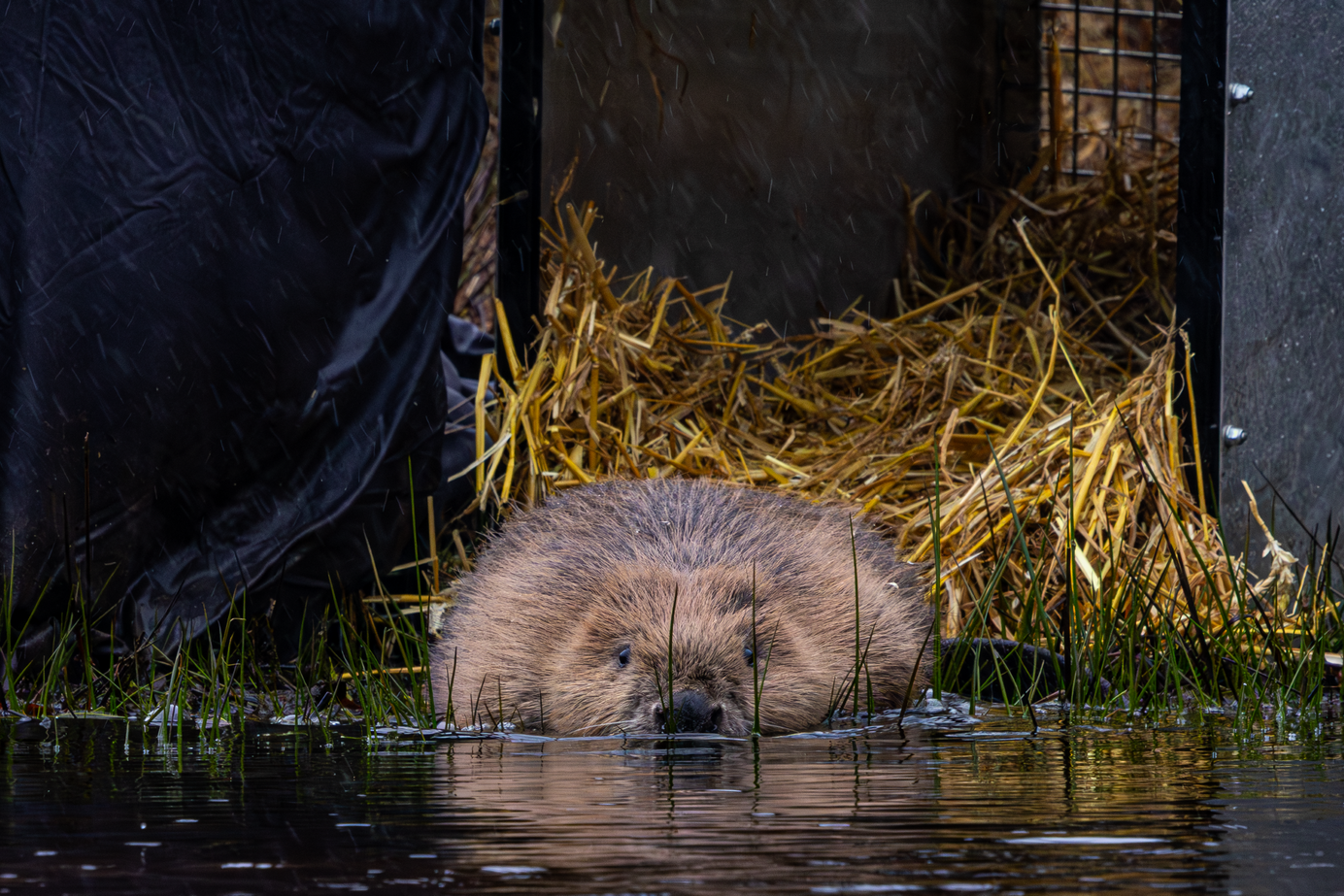
- The City of York Council has said it is ‘open’ to reintroducing beavers on the River Ouse to help reduce flooding, reports the BBC.
Reports
Woodland | A collaboration between the National Library of Scotland and nature tech company Zulu Ecosystems has created a digital map layer identifying historic woodland in Scotland. The project used machine learning to extract areas of woodland – marked by symbols for deciduous woods, fir plantations and mixed woods – on 1st edition Ordnance Survey maps dating back to the 1840s. The result is one of the most comprehensive digital records of ancient woodlands in Scotland, and the project has made it open access to aid conservation efforts. Edward Asseily, CEO of Zulu Ecosystems, said that identifying historic woods is ‘crucial to understanding the scale of their decline so that we can accelerate their revival’, and added that the map would help open avenues for landowners to participate in regeneration. The Herald covered the research.
Biodiversity | Ahead of the statutory requirement for biodiversity net gain (BNG) for new developments, research by property consultancy Carter Jonas has found that an increasing number of local planning authorities are seeking net gains above the 10% required by national policy. The research series found that, currently, three authorities in England require or encourage a net gain higher than 10%, but this figure is set to increase as 17 have such policies emerging. Of those, Kingston Upon Thames and Tower Hamlets would have the most ambitious policies, with both planning to require a minimum of 30% net gain. The research also identifies significant regional variations, with ambitious policies heavily weighted toward the southeast. Associate Sophie Davidson attributed part of this disparity to the influence of Local Nature Partnerships, such as Kent and Surrey, which have promoted higher net gain targets in their counties. Envirotech Magazine and Building covered the research, while a feature in the Guardian takes a closer look at the BNG pilot programme.
Birds | Warmer and wetter weather is having a significant impact on the numbers and species which make up Scotland’s terrestrial bird populations, according to a report from NatureScot. The effects of climate change spell mixed news for different species. The number of woodland birds are on the up, with 18 of the 23 species increasing since 1994. Blackcap, chiffchaff, and greater spotted woodpecker have seen the largest increases, of over 500% each. On the flip side, upland species are faring the worst, with steady decreases since 1994, largely due to increasing summer rainfall. The populations of 12 out of 17 species have dropped, with curlew, black grouse and dotterel all declining by more than 50%. Simon Foster of NatureScot said that the report shows how today’s weather will affect future bird populations, although he added that the climate changes tend to favour common, generalist species and can mask significant changes in rarer and more specialist species.
Science
Heathland | Restored lowland heathland stores less than half the carbon of undisturbed heathland, according to a paper in Communications Earth & Environment. The long-term study in Dorset compared soil carbon in agricultural pasture, native heathland, and heathland which had been restored through acidification with sulphur. Researchers found that, after 18 years of restoration, the soil chemicals, fauna and vegetation present resembled that of native heathland – but importantly, the soil carbon stock of the restored heath was not significantly different to the control pasture. Meanwhile, the native undisturbed heathland contained more than double the carbon stock of the restored heath. The authors write that these results have major ramifications for carbon sequestration proposals, ‘given the urgency required for climate mitigation tools’.
Pine marten | A three-year study by Forestry England has discovered that pine martens have successfully returned to the New Forest after decades of absence. The study began after a number of public sighting reports, and conservationists placed 30 hidden cameras around the Forest to observe the spread of the protected species. After analysing over 1,000 hours of footage, the team confirmed that pine martens have settled across the Forest, and are successfully breeding. In particular, the ancient woodlands provide excellent habitat for establishing territories, while veteran trees are ideal for nesting sites. Leanne Sargeant, senior ecologist for Forestry England, said the next step was to try to estimate the size of the population using methods including DNA analysis. ENDS reported the news.

Meat | A paper in Frontiers in Sustainable Food Systems explores the perception of cultured (or cell-based) meat among UK farmers. The paper presents the first phase of a two-year research project, led by a team from the University of Lincoln and the Royal Agricultural University. It investigates attitudes to the growing technology through discussions with 75 farmers from across the UK, covering a range of responses: some farmers thought that advances in development would result in heightened competition for traditional meat production, while others suggested it could create a premium for pasture-reared meat. A recurring concern was the lack of information on the technology, from sourcing inputs to waste products. The results will now be used to partner with case study farms, with the aim of creating a heat map of ‘winners and losers’ in future scenarios of cultured meat sales. Phys.org covered the research.
Driftwood
Underwater | A feature in the Times reads more like science fiction than journalism. Nonetheless, it reports that a £100m project is coming to a flooded quarry in the Forest of Dean to build the ‘international space station of the seas’. Deep is a company which aims to revolutionise how humans access, inhabit and research underwater environments. Their pressurised modular station, named Sentinel, would allow scientists to live underwater for a month at a time. Sean Wolpert, Deep’s Americas president, explained that the station would allow scientists’ productivity to ‘increase immensely’: ‘They say they could do seven years of work in 30 days down there.’ The company hopes to have the first Sentinel tested in Dayhouse Quarry by the end of next year, and make it seaworthy by 2026.
Electricity | Hollywood star Ralph Fiennes has released a four-minute film called Coast, protesting plans by the National Grid to install pylons and electricity hubs across the area he grew up in Suffolk. The film features black-and-white footage of a young Fiennes at Covehithe beach, which he says features in some of his earliest memories. The actor states that the plans involve building complex inland infrastructure, ‘destroying many acres of heathland and habitat, coastline and wetland irreversibly’. Instead, he backs a petition which calls on the government to follow in the footsteps of other North Sea countries by opting for an offshore grid, which Fiennes argues would be both cheaper and greener. National Grid released a statement disputing the claims that an offshore solution would be cheaper, and said it would include an environmental impact assessment in any plans. The BBC featured the news.
Oceans | A feature by Positive News spotlights a social enterprise which launched in the UK this week, called the Sea Ranger Service. The enterprise, which was founded in the Netherlands in 2016, trains and pays young people from predominantly deprived coastal areas to become ocean conservationists. Research shows that Britain’s coastal towns – although packed with tourists in summer – have higher levels of poverty and unemployment than non-coastal towns. Sea Ranger Service aims to tackle this issue, while also boosting marine conservation efforts. ‘You could say that it’s kind of a blue-collar job for ocean restoration,’ the founder, Wietse van der Werf, says. ‘It breaks the rules a bit because so far it’s mostly activists and scientists who have been involved in this kind of space.’ The organisation is currently in talks with government departments about servicing conservation contracts in the UK.
Further reading:
- An opinion piece in the Guardian reflects on the ‘interspecies love story’ between middle-aged people and birds.
- Read about how some farmers are being paid by the government to allow certain areas of land to flood to help protect urban areas in two BBC articles.
- A Guardian article sets out the findings of American research into why the yields of honey-bees are declining.
- Did you know that puddles have conservation value? Dr. Mike Jeffries from Northumbria University explains in this article by Chronicle Live.
- A leading article in the Times brands Labour’s ‘green prosperity’ plan as ‘green folly’.
- Professor Ed Hawkins of the University of Reading has said the famous climate stripes need a new colour as the world continues to warm. Read about it in the BBC.
- A feature in Atmos explores why we need new words in the English language to animate nature.
- Articles in the BBC and the Guardian take a look at the new species of plant and fungi described by Kew Gardens last year.
- A feature by the BBC’s Future Planet explores the hiking movement to reclaim green spaces for people of colour and ethnic minorities.
- In the Guardian, an interview with economist James Meadway interrogates why the ecological crisis and the economy are intertwined.
- In the Independent, a feature asks whether it is safe for women to wild camp, with a test case on Dartmoor in winter.
Happy days
Wassail | The ancient tradition of ‘wassailing’ is becoming increasingly common once more, according to a feature in the Telegraph. Deriving from the Old English ‘was hál’, meaning ‘good health’, wassailing is a Twelfth Night ceremony dating back to the Middle Ages, and has long been practised in Britain’s cider heartlands. It involves toasting an orchard in the hope of good harvest: pieces of cider-soaked toast are hung from branches and the roots are splashed with cider, accompanied by traditional dress, song, dance, and general revelry. A blog by Staffordshire Wildlife Trust also describes their traditional wassail.
Subscribe to our newsletter
Members receive our premium weekly digest of nature news from across Britain.
Comments
Sign in or become a Inkcap Journal member to join the conversation.
Just enter your email below to get a log in link.