Drought Warnings & River Restoration
The latest news on nature and conservation in Britain.
National news
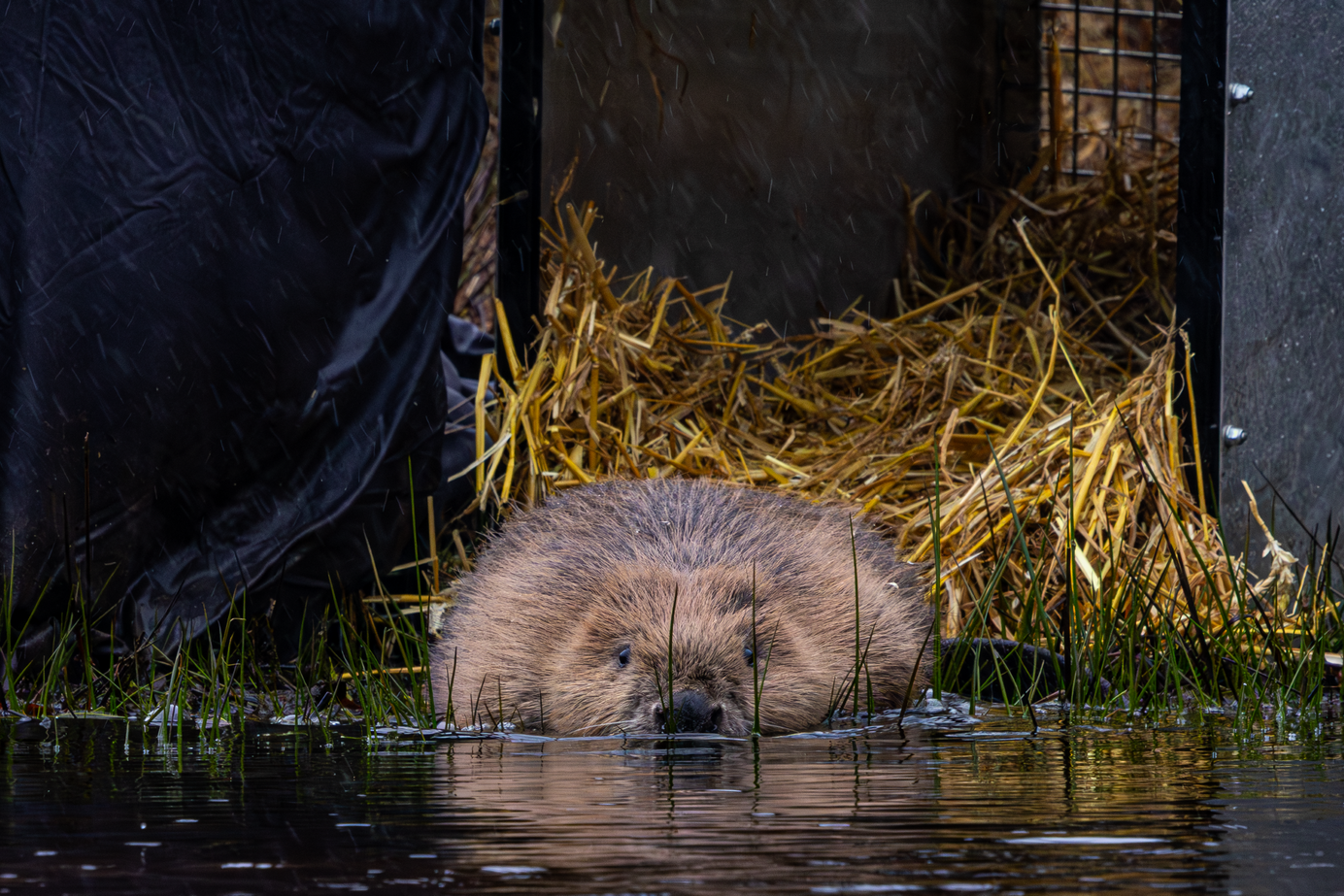
Drought | River levels are expected to remain below normal until October, with exceptionally low levels in central and southern England, according to the latest outlook from the UK Centre for Ecology and Hydrology. The prolonged dry spell is having significant impacts on wildlife in rivers, according to environmental groups, adding to the existing strain of pollution and hot temperatures. The Wildlife Trusts are calling on the government to introduce a suite of measures to help wildlife cope with water shortages. Meanwhile, the Rivers Trust has warned that chalk streams in England, a rare and valuable habitat, are of particular concern, with some starting to dry up. In England, anglers have warned that fish will start to die if Southern Water extracts any more river water, while in Scotland, the River Tweed Commission said that current water scarcity plans are inadequate to protect its fish stocks. The National Trust has warned that bats and species of lichen and mosses have also been hit hard by the hot summer weather, reports the BBC and the Guardian. In the Times, a feature examines how beavers on a National Trust estate in Somerset have stemmed water loss, while an article by the Natural History Museum looks at the positive impact of beavers on wetlands at Knepp Wildland. A blog by the Wildlife Trusts also explains how wetland restoration can help nature during extreme temperatures. The environment secretary and environment minister met with water companies this week to discuss the measures they are taking to protect water, and a Defra spokesperson responded to the widespread media coverage of drought forecasts, stating that “essential water supplies remain safe”.
Metrics | Defra has opened an eight-week consultation on changes to the Biodiversity Metric, which will support biodiversity net-gain, as required by the Environment Act. The biodiversity metric is a tool used to measure biodiversity losses and gains during development. It scores habitat types based on their relative value to wildlife, using ‘biodiversity units’ such as distinctiveness, area size, condition, and strategic significance. Defra’s consultation comes ahead of the introduction of mandatory biodiversity net-gain for new developments in November 2023. This blog by Natural England outlines the evolution of the metric since its inception in 2012. Defra plans to publish version 4.0, the “statutory metric”, later this year, to give a year of use before next year's deadline. Natural England said the consultation was an “important milestone”, but that the metric was just “one tool and component” for achieving biodiversity net-gain. ENDS reported the news.
Woodland | The government has announced £44.2m in funding to expand community woodlands across England. The funding will enable the planting of around 2,300 hectares of trees near cities, towns, villages and rivers, with the aim of giving more people better access to nature. The trees planted will also contribute towards the government’s target to treble tree-planting rates by the end of this Parliament, and will absorb an estimated 600,000 tonnes of carbon dioxide by 2050. England’s 13 Community Forests, including the Humber and Mersey Forests, Northern Forest, National Forest and Great Northumberland Forest, are all set to benefit. The BBC reported the story. In other news, Defra is urging farmers and landowners to apply for funding to support woodland creation and tree-planting, after it announced that the England Woodland Creation Offer will transition into one of the new ELM schemes in 2025.
In other news:
- Defra and the Forestry Commission have opened a consultation on proposals for the sustainable management of England’s deer population.
- Natural England will receive a 34% increase in funding for next year, reports ENDS.
- In a “landmark” first decision, the Office for the Internal Market will examine the potential impact of a ban on the sale of peat in England. ENDS reported the news.
- The Environment Agency’s pension fund has been criticised for owning stakes in UK water firms, reports the Guardian.
- Farmers are warning that some foods could be in short supply due to drought conditions, reports the BBC.
Across the country
Herefordshire | Herefordshire county council has set up a new commission to identify practical ways to tackle pollution in the Wye and Lugg rivers, reports the BBC. The Wye in particular has excessive algal growth, which can be fatal to freshwater wildlife, and is often caused by high levels of phosphate. Relatedly, the council also approved a new “phosphate credit” scheme, which will allow developers to pay towards the creation of wetlands to offset their pollution. The idea is that the wetland plants will absorb nutrients from wastewater, preventing them from entering rivers. Work has begun on the first of the new wetlands, on land bought by the council near Leominster.
Langholm | A fundraising campaign by the Langholm Initiative has reached its target of £2.2m, allowing the partnership to purchase an additional 2,415 hectares of moorland in southern Scotland. The success of the community buyout comes more than three years after the land was put on the market by one of Scotland’s largest hereditary landowners, the Duke of Buccleuch. This purchase adds to the group’s previous acquisition of 2,104 hectares in 2020, thus doubling the size of the Tarras Valley nature reserve. The project will now turn to activities such as peatland restoration, the planting of native woods and bird of prey conservation. Hamish Trench, chief executive of the Scottish Land Commission, said he was “delighted” by the Initiative’s success, but that it also highlighted the challenges of raising significant funds for land. The Guardian, the Scotsman and ENDS reported the news.
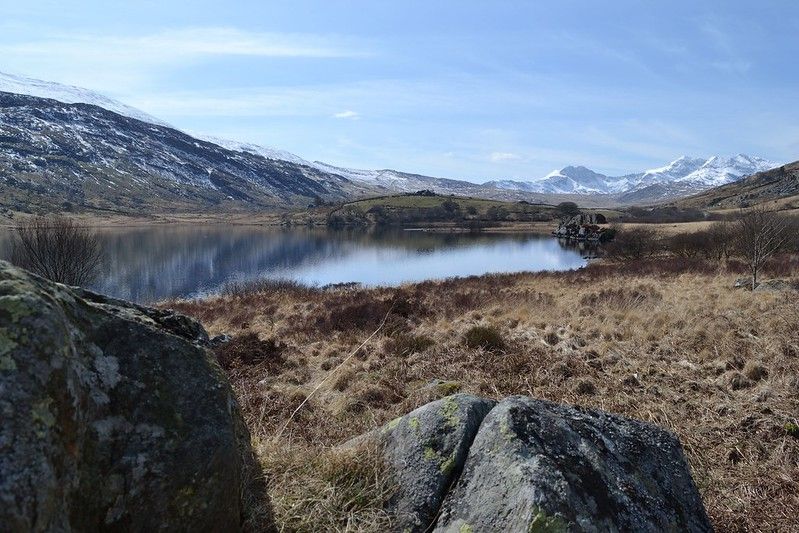
Snowdonia | Peatland restoration on a moorland in central Snowdonia is having a positive impact on fish populations, reports the North Wales Chronicle. Natural Resources Wales (NRW) and National Trust Cymru have been working on the Migneint moor since 2005 to block man-made ditches, which re-wets the peat and allows species such as sphagnum moss to regrow. The moss then acts as a natural filter for peat particles, which would otherwise enter the River Conwy via streams and build up on the riverbed gravel, where breeding fish lay their eggs. The build-up of sediment can starve the eggs of oxygen before they hatch. Monitoring by NRW since the restoration work shows both a reduction of particles in the river, and an increase in juvenile salmon numbers, which bucks the national trend of declining fish numbers. Other benefits of the work include creating habitats for threatened species, providing drought protection and flood risk mitigation, and reducing the risk of wildfires.
Elsewhere:
- The RSPB is urging the government to reopen its investigation into crustacean deaths in the northeast. The BBC and the Northern Echo reported the news.
- A Fife-based company, Akre, has been launched to help firms with carbon-offsetting, after receiving £2m in private seed funding, reports the Scotsman.
- Somerset Wildlife Trust has banned dogs from two of its nature reserves to ensure they are “safe havens” for wildlife and people, reports BirdGuides.
- A petition for a popular swimming spot on the River Avon to be granted bathing water status has gained over 4,100 signatures, giving organisers the right to a full council debate, reports the Bristol Post.
- Two osprey chicks are the first to be born in Yorkshire since records began in 1800, reports the BBC and the Courier.
- The Wild Oysters Project – including nurseries in Blyth and Sunderland – has filtered the equivalent of half a million bathtubs of water in its first year, reports Chronicle Live.
- Bristol councillors are calling for faster tree-planting to protect the city from extreme heat, reports the Bristol Post.
- The Devon Wildlife Trust is calling on the county’s MPs to support its demand that nature and the environment be at the centre of the Conservative leadership campaign.
- A project led by the Wild Trout Trust is creating a “rock ramp” on the River Ecclesbourne in Derbyshire to allow salmon and trout to migrate along the river.
- Six bittern chicks – one of the most threatened bird species in the UK – have fledged at Newport Wetlands, near the Severn Estuary, reports the South Wales Argus.
- Bristol Parks is restoring eight hectares of grassland at Stoke Park to combat climate change and biodiversity loss, reports Bristol 24/7.
- Two of Hertfordshire’s chalk rivers, the Ash and Quin, are to be restored to combat low flows and reverse the historic impact of dredging, reports the BBC.
- Caerphilly County Council has launched an investigation after a developer destroyed a bluebell wood near Llanbradach without planning permission, reports the South Wales Argus.
- Campaigners say it has been a bumper year for Cornish choughs, reports the BBC. Elsewhere, BirdGuides reports a highly successful breeding season for little terns in north Wales.
Reports
Saltmarsh | A report by the Environment Agency updates the national saltmarsh inventory, using aerial imagery captured from 2016-2019 to re-map 95% of England’s saltmarsh habitat. The report found the extent of saltmarsh in England to be 35,504 hectares – an overall increase of 7% compared to the first version of the inventory, which was mapped between 2006 and 2009. The majority of these gains have come from the development of new marsh through realignment sites – when seawater is let back in to flood reclaimed land – in the Parrett estuary, Humber estuary, Medmerry on the south coast, and the Ribble estuary. Although the historical loss of saltmarsh due to land reclamation has largely stopped, it is vital to closely monitor this “sensitive and unique habitat” to ensure no further loss or damage, according to the report. However, the research does not assess the quality or condition of the habitat.
Bycatch | A policy paper from Defra sets out how the department plans to minimise the bycatch and entanglement of sensitive marine species by UK fisheries. Bycatch is one of the most significant threats to marine species globally – species affected include cetaceans such as whales, dolphins and porpoises, but also seabirds, seals and sharks. The UK has committed to reducing, and where possible eliminating, bycatch and entanglement. The paper outlines Defra’s proposed actions, including improving bycatch monitoring, identifying ‘hotspots’ or high-risk areas, implementing improved mitigation measures, and working internationally to solve the issue. However, the paper recognises that reducing bycatch is complex, and will likely require solutions tailored to the needs of different fisheries. ENDS reported the news.
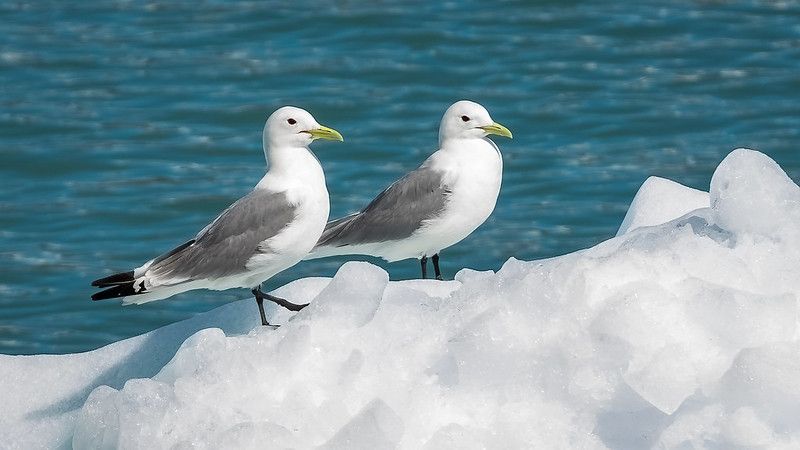
Seabirds | The Joint Nature Conservation Committee (JNCC) has published its priority research areas for assessing the impacts of offshore wind farms on seabirds. Currently, there are critical knowledge gaps in understanding how large-scale wind farms affect seabird numbers, according to the Committee. Findings from the pilot year of the Offshore Wind Strategic Monitoring and Research Forum, which focused solely on ornithology, identified that colonies of black-legged kittiwakes could be significantly impacted by the cumulative effects of wind farms. A total of 20 research projects were suggested by the forum in three reports. The proposed research includes studies on how kittiwakes behave around turbines, their movement between colonies, and their interactions with the ocean. GPS trackers will be used to determine how far offshore they travel and at what altitudes they fly, thus informing future impact assessments and ecological compensatory measures.
Science
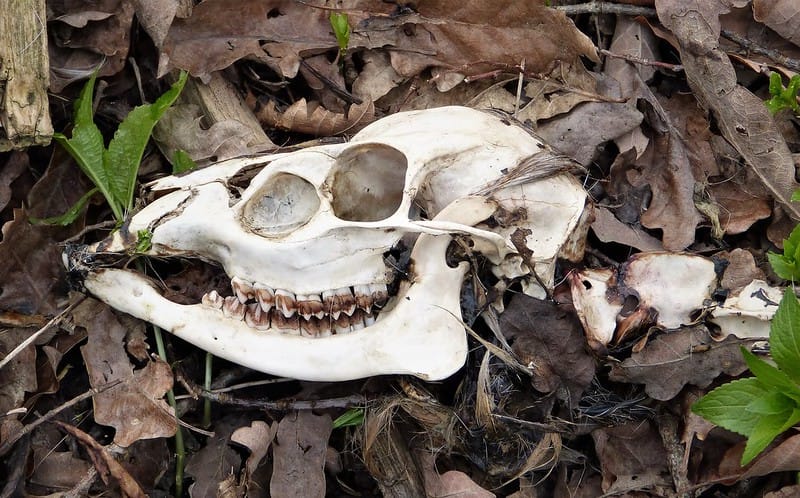
Feeding | The growing trend of feeding wild animals poses a serious risk to both wildlife and humans, according to a paper in the Journal of Animal Ecology. Researchers from University College Dublin studied the wild population of fallow deer in Dublin’s Phoenix Park, the largest walled park in any European capital. They measured 134 fawns – all from the same herds and grazing areas – and found that fawns from mothers who frequently begged for food were heavier than those who rarely approached visitors. Lead author Laura Griffin explained that begging is usually associated with animals who have bolder personality types, and could therefore lead to more aggressive behaviour in the future through an artificial selection process. This clearly holds “enormous risks” for the people and animals involved, she said. Although the paper focused solely on Phoenix Park, the authors noted that similar effects would likely be seen across other populations and species.
Extinction | Species classed as “data deficient” on the IUCN Red List are more likely to be threatened by extinction than their data sufficient counterparts, according to a study in Communications Biology. A species is considered to be data deficient if there is not enough data on their population or distribution, and therefore is not properly assessed by the IUCN. Researchers used an algorithm to predict the probabilities of being threatened by extinction for 7,699 data deficient species, comprising 17% of the IUCN dataset. They found that 85% of data deficient amphibians are likely to be threatened by extinction, as well as more than half of species in other groups such as mammals and reptiles. This is in stark contrast to data sufficient species on the IUCN list, of which only 28% are threatened with extinction. The findings suggest that many more species than previously thought could be at risk of disappearing. The Guardian covered the research.
Islands | A study in Scientific Reports finds that eradicating invasive species from islands is a powerful tool for restoring biodiversity. Researchers examined data covering more than 100 years, comprising 1,550 eradication attempts on 998 islands. They found that, by removing common invasive species such as rats, rabbits, goats, cats and mice, the native fauna was able to recover, often in dramatic fashion. Although islands only cover 5% of the Earth’s land surfaces, they host many globally threatened species, and are therefore disproportionately important for biodiversity. The majority of eradications studied took place in eight countries, including the UK, and while the number of eradications has dipped recently, the size of islands targeted has increased, meaning that projects are becoming more ambitious. The authors say that an ambitious target for invasive species removal from islands should be included in the UN agreement at COP15 in December. The Guardian covered the research.
Driftwood
Trees | The Woodland Trust has announced its 12 contenders for the prestigious Tree of the Year award. The finalists were picked from hundreds of specimens submitted by volunteers. They include five gargantuan oaks, a horse chestnut which survived a lightning strike in Derbyshire, and a remarkable “portal rowan” on the historic grounds of Scotland’s Mavisbank House. Tom Reed, a competition judge, said: “We selected the trees based on their size and significance for their species and also looked for trees steeped in history as well as trees that had high ecological, aesthetic or cultural value.” He added that the number of competitors submitted this year demonstrated the growing enthusiasm for ancient and veteran trees. The BBC and the Times reported the story.
Rivers | “What is a river?” This is the question at the centre of naturalist Dr. Amy-Jane Beer’s new book, The Flow, and a Guardian article examining her turbulent relationship with watery environments. A former kayaker, Beer’s close connection with rivers was shattered by the tragic death of a fellow paddler and close friend. It was seven years before she could return to rivers, and begin to look deeper, beyond her previous experience of adventure and adrenaline. In doing so, she found “wonder and connection and a sense of place, but also a call to act,” she writes. An article in the Telegraph discusses the resulting book, which explores the reverential place of rivers in British culture, alongside the “vile” pollution and abuse of rivers in today’s society. “Mostly, it’s a book of wonder, but there are a couple of angry chapters that deal with the state of rivers and the lack of access to them,” Beer says. “We are literally treating a river as a sewer and yet rivers are life.”
Time | A feature in the New European explores time through the lens of nature. In particular, Simon Barnes – author of The Green Planet, the book that accompanied David Attenborough’s TV series – examines the wonders of ancient trees. One olive tree in Crete, estimated to be 3,500 years old and still producing olives, predates Athenian democracy and the Old Testament. The issue for humans, according to Barnes, is that we struggle to think on timescales of this size. This is to the detriment of our species, he adds, because a short-term mindset does not like to dwell on large-scale consequences. He writes: “We think that a week is a long time in politics: we need to realise that in terms of real time – time as the earth knows it – the olive tree of Ano Vouves has lived fast and will die young.”
Further reading:
- A feature in the Times explores how Kent’s bison – classed as a “dangerous wild animal” in Britain – can help the public relearn how to live in wilder landscapes.
- Young Scots have a “huge appetite” to work in rewilding, according to the charity Trees For Life, which held a three-year skills development project for careers in rewilding.
- A feature in the Hull Daily Mail explores Yorkshire’s “lost” urban rivers, from a six-mile concrete watercourse beneath Hull to Meanwood Beck, which disappears beneath Leeds.
- Author and naturalist Stephen Moss writes briefly in the Guardian about the arrival of avian flu on the Farne Islands. Also on bird flu, a blog by Natural England outlines its response, as well as future plans to combat a “sustained outbreak”.
- An opinion piece in the Scotsman by Ruth Taylor, agriculture and land-use policy manager for WWF Scotland, argues that “Scotland desperately needs a new and more ambitious system to support farming” – one which doesn’t damage nature.
- An article in the Daily Mail questions why Defra has given £116,000 in funding to a rewilding charity co-founded by Leonardo DiCaprio.
- Campaigners are calling on the government to introduce a tax on artificial lawns, reports the BBC. A BBC feature asks whether there is “anything green” about fake grass.
- Following the opening of the Castlefield Viaduct Sky Park in Manchester, an article in the Conversation discusses the merits of turning old city bridges into new urban parks.
- Britain’s farms are being destroyed by corporations covering up their carbon footprint with vast amounts of tree-planting, according to an article in the Daily Mail.
Happy days
Foraging | If you’ve seen wild berries ripening and are wondering what to do with them, this feature in Countryfile will help you make the most of Britain’s free summer bounty. Focusing on the produce of hedgerows and woodlands, it presents an “expert guide” on the best berries, nuts and seeds to collect in September, as well as related recipe ideas. There are, of course, the ever-present blackberries, but also sloe, elderflower and rowan berries, all of which make excellent drinks (think gin, cordial and wine). Seasonal nuts include hazelnuts, chestnuts and acorns, while poppy seedheads will also be ready for gathering next month. The guide also reminds readers to forage responsibly, leaving plenty of food for the squirrels, birds and other animals who rely on the crop to survive winter.
Subscribe to our newsletter
Members receive our premium weekly digest of nature news from across Britain.
Comments
Sign in or become a Inkcap Journal member to join the conversation.
Just enter your email below to get a log in link.