Elizabeth II's Environmental Legacy & New Prime Minister
The latest news on nature and conservation in Britain.
National news
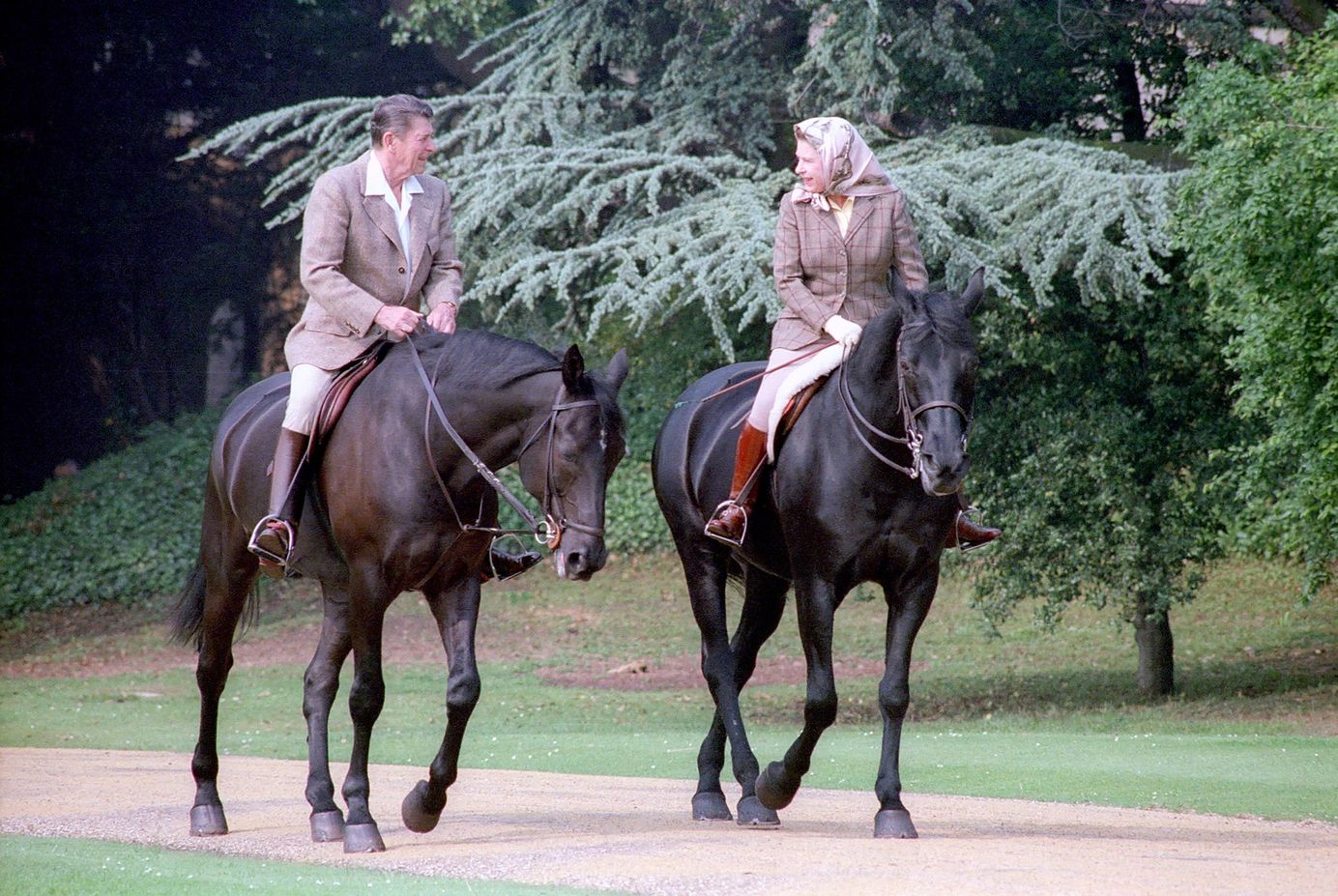
The Queen | Her Majesty Queen Elizabeth II has died at Balmoral Estate. The Queen’s Platinum Jubilee, earlier this year, celebrated 70 years on the throne, marking her reign as the longest serving British monarch. The environment was a central theme of the Jubilee, with Prince William hailing the Queen’s role in promoting environmental protection during her reign. A range of initiatives were implemented to mark the occasion, including the Queen’s Green Canopy, which dedicated a network of 70 ancient woodlands and 70 ancient trees to celebrate her years of service, as well as inviting people from across the UK to “plant a tree for the Jubilee”. During her speech to COP26, the Queen urged world leaders to create a “safer, stabler future” for the planet, saying that she hoped the “time for words has now moved to the time for action”. She added that she took “great pride” in how her late husband, Prince Philip, promoted environmental issues, and that both Prince Charles and Prince William have continued this legacy. In 2018, she joined David Attenborough for The Queen’s Green Planet, a documentary about royal efforts to create a “commonwealth canopy”, forever protected in her name. Recently, the royal family has faced calls to rewild their estates, including the Queen’s personal land.
Government | This week saw Liz Truss elected as the UK’s new Prime Minister, with widespread commentary on what this could mean for Britain’s environment. Over 100 organisations and individuals – including the Climate Coalition, Buglife, the National Trust, RSPB and WWF – have signed an open letter to the new PM, urging her to prioritise the interconnected climate, nature and cost of living crises in her agenda. They write: “As our new Prime Minister, you have the opportunity – and duty – to create a secure, fair and green future for the United Kingdom and to ensure the UK plays its part on the world stage.” However, not everyone believes this is the direction Truss will take her new government. Twenty-nine MPs and peers have written a letter urging their incoming leader to recommit to the net-zero target, after her campaign pledged to expand oil and gas extraction in the North Sea, voiced support for fracking, and opposed onshore wind and solar farms. Climate campaigner Joss Garman has outlined nine reasons why he believes Truss will stick with Boris Johnson’s climate plan, despite her new Cabinet list, although worryingly added that her “battle with the environmental movement is most likely to occur over her policies towards the countryside”. Since coming into office, Truss has set about making a host of ministerial changes. George Eustice has been sacked as environment secretary and replaced by former trade minister Ranil Jayawardena. Although a divisive figure for many, Eustice held the head position at Defra for an unusually long two-and-a-half year tenure, overseeing major changes such as the introduction of the ELM scheme. He sided with Rishi Sunak during the election campaign, citing that Truss failed to recognise the importance of animal welfare and food standards in international trade deals. Farmer’s Weekly looks at the highs and lows of his time as Defra secretary, while ENDS investigates the green credentials of his replacement. Other controversial cabinet changes include the appointment of Jacob Rees-Mogg as the secretary of state for business, energy and industrial strategy. Rees-Mogg previously voiced scepticism over net-zero targets and even climate change, and has vowed to “squeeze every last cubic inch of gas from the North Sea”. His appointment has caused alarm among climate campaigners and energy strategists, with Greenpeace tweeting that Rees-Mogg is “the last person who should be in charge of climate and energy” at this “worst possible moment”. Meanwhile, the Scottish Greens co-leader, Lorna Slater, said the election of Truss is “terrible news for Scotland and our environment.” Analysis by the Guardian takes a more balanced view, arguing that overall, the changes in government are a “mixed bag” for green policies.
Wind | The National Trust for Scotland has urged the Scottish government to stop developing wind farms in remote wild areas. The charity said it recognises the need for sources of renewable energy, but its development should not harm the country’s precious wild land. It is calling for the protection of natural assets to be strengthened in the new national planning framework, which is currently in draft stage. The Scottish Wild Land Group has also raised concerns, saying that landscape protections are a “major omission” from the draft. Philip Long, chief executive of the National Trust, said that “it is now more imperative than ever that efforts to conserve and protect our wild land are given priority.” The Times and the Herald covered the news. Meanwhile, a coalition of campaign groups have lodged a formal complaint against the Scottish government for failing to allow a public right of challenge over decisions which could damage the nation’s environment, amounting to an 11-year breach of international law, reports the Herald.
Law | A Norfolk couple has won a landmark court case against the Environment Agency, using a European Union directive which is still enforceable after Brexit. The Harrises, who own part of Catfield Fen in the Norfolk Broads, argued that measures by the Agency to limit water abstraction did not go far enough to protect the habitats and wildlife of the Broads. The couple has been campaigning for greater protection for wetlands since 2009, saying they wanted to “preserve these unique environments for future generations”. The Broads are home to species such as the Norfolk hawker dragonfly and swallowtail butterfly, as well as rare fen orchids. The High Court ruled the Agency had “acted irrationally” by breaching EU law, and must now reduce water abstraction to protect the rare habitats and rectify any damage. Penny Simpson, who brought the case for the couple, said it was “an important ruling with wide-ranging implications”, and she expected to see similar cases in the future. The BBC and the Guardian covered the news.
In other news:
- One of Eustice’s last actions as Environment Secretary was to announce the successful bids for the Landscape Recovery scheme, which will fund 22 projects with “pioneering ideas” to improve rural landscapes and reverse nature declines. The Guardian covered the news.
- A fresh wave of sewage has hit more than 100 British beaches, reports the BBC, while Green MP Caroline Lucas accused ministers of “going backwards” on the issue. Meanwhile, the Scotsman reports that more than half of Scotland’s designated bathing waters were in breach of sewage safety limits this summer.
- The Telegraph has revealed that nearly all major water companies in England employ former Ofwat regulars, prompting calls to tighten rules to protect the independence and authority of the regulator.
- Defra has announced a £110m fund to level up rural communities, which will invest in projects that “boost productivity and create rural job opportunities.”
- The Welsh government has pledged £32m in grants to help landowners and farmers plant 86 million trees by 2030, reports the BBC and Wales Online.
Across the country
Cheshire | Manchester United striker Marcus Rashford has revealed plans to protect the environment and support wildlife at his new £2.5m home development in Cheshire. The footballer, who is also known for his work campaigning against racism, homelessness and child hunger, has presented a 36-page plan to his local council outlining his proposals to create meadows and grasslands for the benefit of wildlife over the next 25 years. The five-bedroom mansion will be built on the site of a former golf course; looking after the surrounding woodland was part of the planning permission agreement. The plan promises to create “species rich” habitat, to provide homes for mammals like voles and hedgehogs, as well as nesting birds. The Mirror reported the news. Meanwhile, the Evesham Journal reports that the “fashion-conscious” Beckhams are following the “trend” for rewilding, with landscaping plans to plant new trees, native hedgerows and a wildflower meadow on their estate in west Oxfordshire.
Northumberland | An organic farm near Newcastle has staged an “insect protest” calling on the new Prime Minister to protect nature. The protest features photographs of insects ‘holding’ tiny placards, which read “Save us, don’t spray us!” and “There is no planet B”. The bee-sized demonstration is running in conjunction with a change.org petition started by the Organic Trade Board, which urges the public to “Bug the PM” to take action for nature in the first 100 days of office. The petition also asks Liz Truss to commit to protecting wildlife in new policies, limit the use of harmful pesticides and fertilisers, and to represent the UK at COP15 in December. Chronicle Live reported the news.
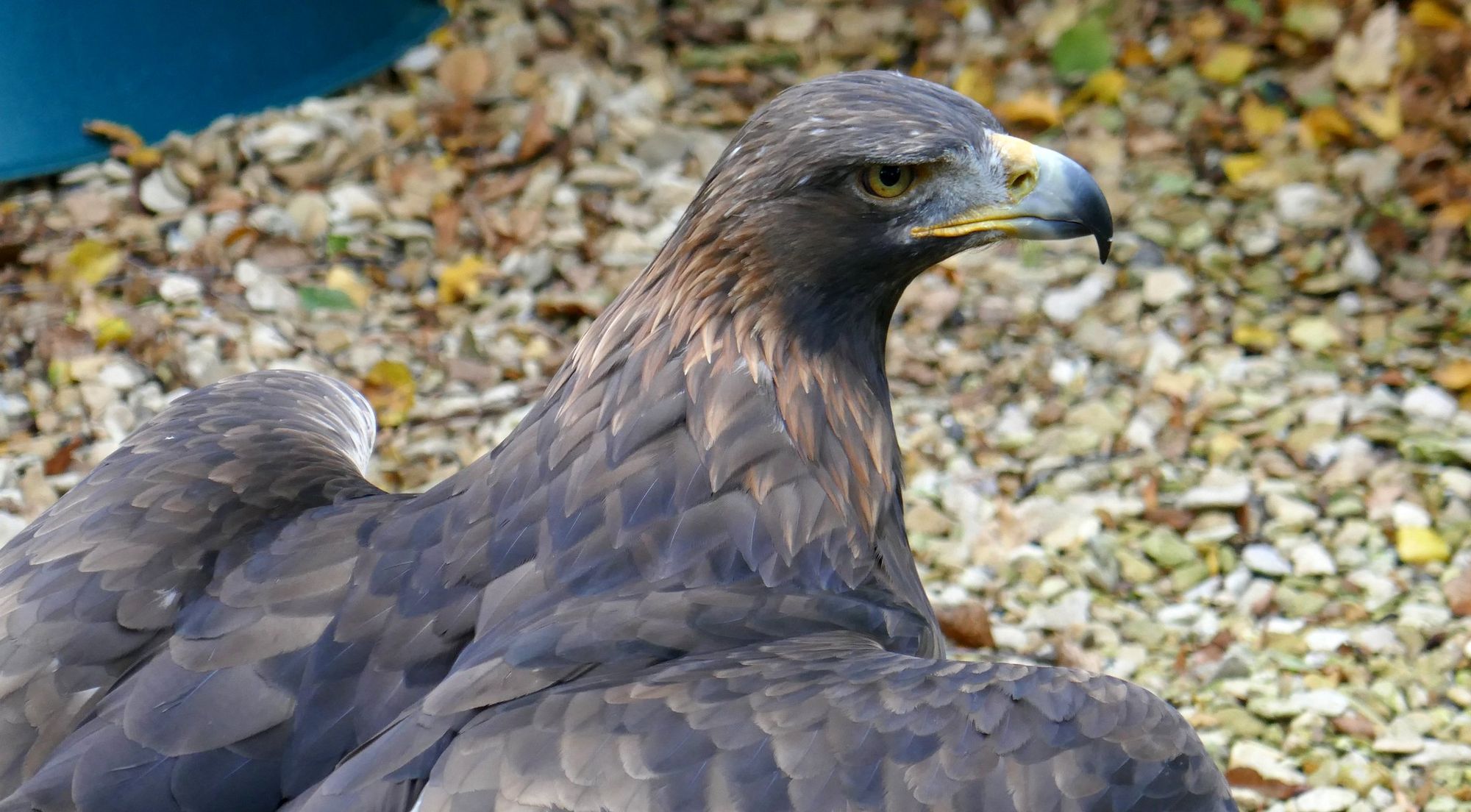
Borders | A golden eagle conservation project has revealed it successfully transported six chicks from the Highlands to a secret location in south Scotland, bringing the total population of golden eagles in the south to around 39. It is the highest number recorded in the area for over three centuries. The South of Scotland Golden Eagle Project began bringing young eagles to the Moffat Hills in 2018, and has since tripled the population in the area. Although most of the birds have settled in the south of Scotland, a few have travelled as far south as the Forest of Bowland in Lancashire, where the species has been extinct for years. Wildlife filmmaker and presenter Gordon Buchanan said the project’s success was groundbreaking: “The perfect predators, golden eagles are heart-stoppingly exciting to watch, so I’m not surprised that eagle fever is spreading throughout the south of Scotland”. The BBC, the Scotsman and the Herald reported the news.
Elsewhere:
- Specialist “weed boats” have been deployed on the River Witham in Lincolnshire to battle the proliferating greenery, which is affecting wildlife and smaller boats, reports the BBC.
- Seabirds in Norfolk nature reserves have had a bumper summer breeding season, reports the BBC. Winterton NNR recorded 700 little tern chicks, while Holkham Estate saw a record 77 spoonbill fledglings, reports BirdGuides.
- Natural England has published a report investigating the water quality of various farming systems within Penwith Moors, Cornwall, which it is considering designating as an SSSI.
- The River Fal, within the Cornwall AONB, is the “most polluted site in the country”, according to figures for last year’s sewage storm overflows, reports Cornwall Live.
- Boris Johnson has confirmed £700m of public funds to build the Sizewell C nuclear reactor in Suffolk. However, opponents say it may face legal challenges unless it installs technology to prevent the death of thousands of fish.
- One of Britain’s rarest bumblebees, the Shrill Carder bee, has been spotted on the Swanscombe Peninsula in Kent, reports Buglife.
- Volunteers from the Cromer Green Spaces group in Norfolk are using scythes to maintain two wildflower areas, under the direction of the Scythe Association, reports the Eastern Daily Press.
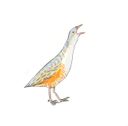
- A juvenile corncrake found 400m offshore in Cullercoats Bay, Northumberland, was rescued by a kayaker and returned to land, reports BirdGuides.
- The skullcap wildflower has been rediscovered on the Isle of Man after 142 years of absence, reports the BBC.
- Yorkshire Wildlife Trust and Natural England are offering full funding to create and restore ponds in Yorkshire for the conservation of great crested newts, reports the BBC.
- In a move branded as “Vole Island”, the Environment Agency is supplementing a population of water voles in the New Forest with 50 new individuals bred in captivity. Voles have been largely absent from the area for two decades since animal activists released 7,000 mink from a fur farm, reports the Telegraph.
- A camera trap has spotted a pine marten in a London woodland, the first time the endangered animal has been seen in the capital in over a century, reports the Guardian.
- Author Amy Liptrot has joined campaigners protesting plans to build Scotland’s biggest salmon farm off Papa Westray in Orkney, reports the Scotsman and the Herald.
- Work has begun on the Natural History Museum’s Urban Nature Project, transforming its gardens into a free-to-visit green space in the heart of London.
- The Royal Borough Council has launched a new trial to enhance biodiversity on Battlemead Common in Maidenhead by releasing almost 40 cows, reports the Windsor Observer.
- The Swifts golf course in Carlisle city centre has been transformed into a 42-acre urban wildlife haven, in a collaboration between the city council and Cumbria Wildlife Trust.
- Natural Resources Wales is investigating a pollution incident in the Cleddau Estuary in Haverfordwest, which was spotted by a “devastated” local farmer, reports ITV.
- A Labour MP has slammed Durham City Council for allowing areas of the River Wear to become clogged with rubbish and dead fish, reports the Northern Echo.
- Volunteers surveying ponds in the Nidderdale AONB in Yorkshire have found a record number of toads, reports the Yorkshire Post.
Reports
Dieback | A report from Natural England examines the impact of ash dieback disease on lichen species that depend on the threatened tree. From the 20 species studied, eight are considered to be at high or very high risk of extinction due to the loss of the tree. The report also attempts to correct a “dearth of advice” on how to combat declines; since many lichens are specialists that can only colonise trees more than 200 years old, simply planting new saplings will not always help. Instead, it may be useful to retain mature trees whose bark has similar characteristics to ash, such as sycamore and Norway maple. Five case studies from the Lake District, Somerset and Devon illustrate how different approaches can mitigate the impact of the disease on lichen, offering an “optimistic future” for the species.
Inclusion | Natural England has published a series of reports entitled Included Outside, bringing together academic and first-hand evidence on groups that are typically underrepresented in nature and the outdoors. The four reports focus on people living with disabilities, people in low-income areas, older people, and people from ethnic minority backgrounds – although it also considers how these various identities may overlap and intersect. A synthesis report identifies various cross-cutting barriers to engagement, including a lack of nearby quality greenspace and personal safety concerns. It also highlights evidence for overcoming barriers, including the potential of micro nature spaces as “stepping stones” to further engagement.
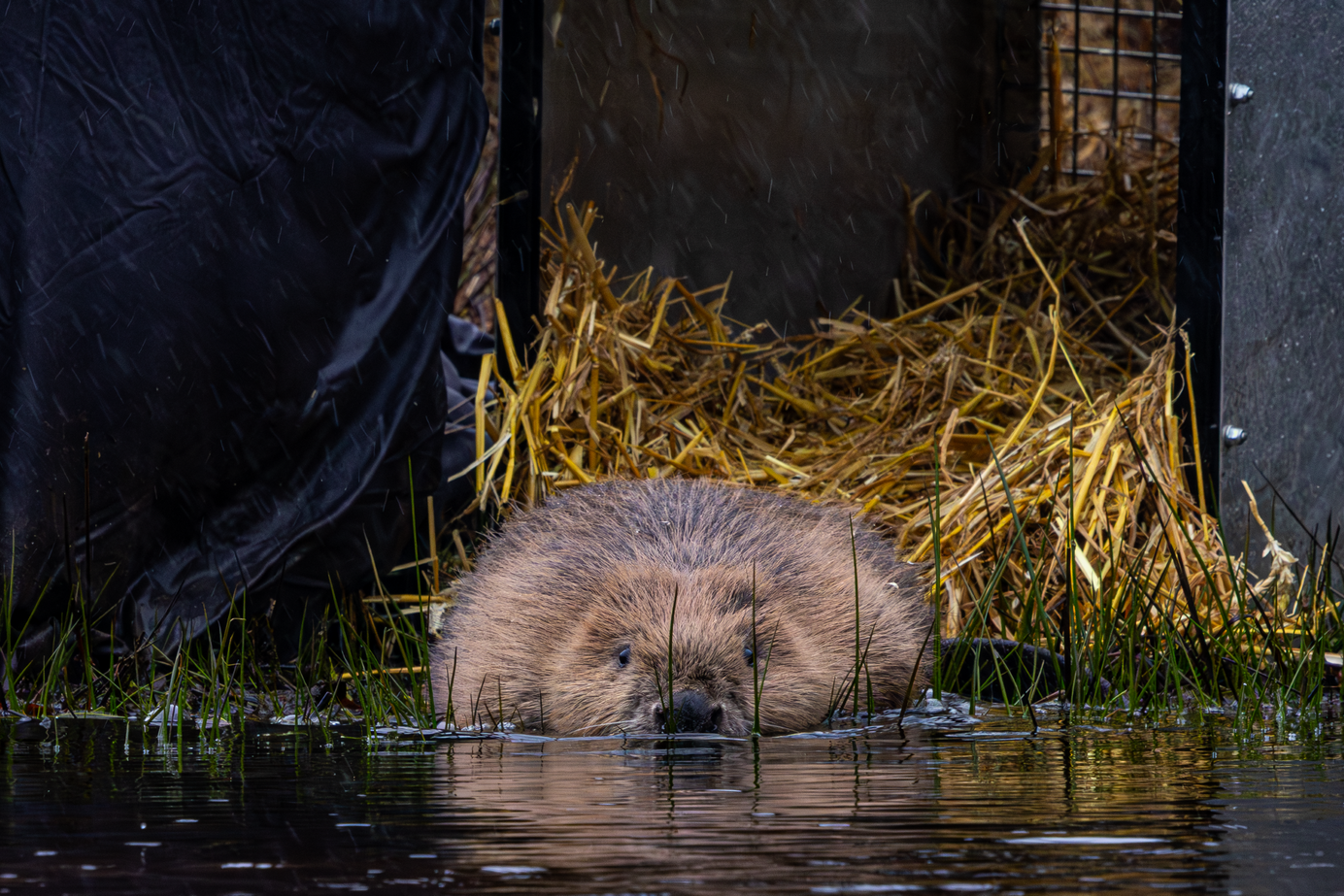
Beavers | Defra has published guidance outlining the laws which will protect beavers in England from 1st October, as well as measures to manage them. The guidance clarifies that, although beavers will become a European protected species, farmers will be allowed to use “lethal force” where necessary to manage beavers and their impacts. Landowners must apply to Natural England for a licence to kill beavers, as well as to transport and release them, or to remove burrows, lodges and associated dams. Conservationists have reacted with anger to the news, arguing that beavers are beneficial to agriculture and should be supported, not targeted. Derek Gow, a reintroduction specialist, said it is “completely and utterly wrong to kill them” and that “we should treasure beavers for all they offer and move them carefully where they will assist the land. We should not kill a single beaver.” The Guardian reported the news, and also published an opinion piece on how the successful reintroduction of beavers offers “reassuring proof” that ecosystems can recover.
Science
Peatland | A study in the Journal of Applied Ecology examines the benefits and drawbacks of three strategies for restoring peatland. Large-scale flooding is the most common and cost-effective method of re-wetting peatland, but it also has damaging side-effects: large quantities of greenhouse gases are released, excess nutrients are washed downstream, and flooded peatland takes over 50 years to regain its natural state. An alternative is to remove the highly mineralised topsoil, but this is costly and creates excess soil. The authors suggest a third approach, which they call “slow re-wetting”: this involves gradually increasing water levels over the course of a decade, so that the mineralisation of peat diminishes. However, they note that there is no “one fits all” solution, and that drainage history and specific peat characteristics should be taken into account.
Trees | A paper in Plants, People, Planet takes the form of a “warning to humanity”, a concept which dates back to 1992 when more than 1,700 scientists called for a halt to environmental destruction. This paper – backed by 45 scientists from more than 20 countries including the UK – focuses on the threat of tree extinctions, and the acute impacts of their widespread loss for people, wildlife and ecosystems. Recent research shows that a third of the world’s tree species are at risk of extinction, representing a major ecological crisis, but the paper also highlights that many tree species provide a wide range of socio-economic benefits, from the provision of sustenance to cultural significance. The authors suggest key actions to avoid the “catastrophic implications” of tree extinctions, including conserving and restoring natural tree populations, and strengthening the role of trees in environmental and climate policy. The Guardian covered the research.
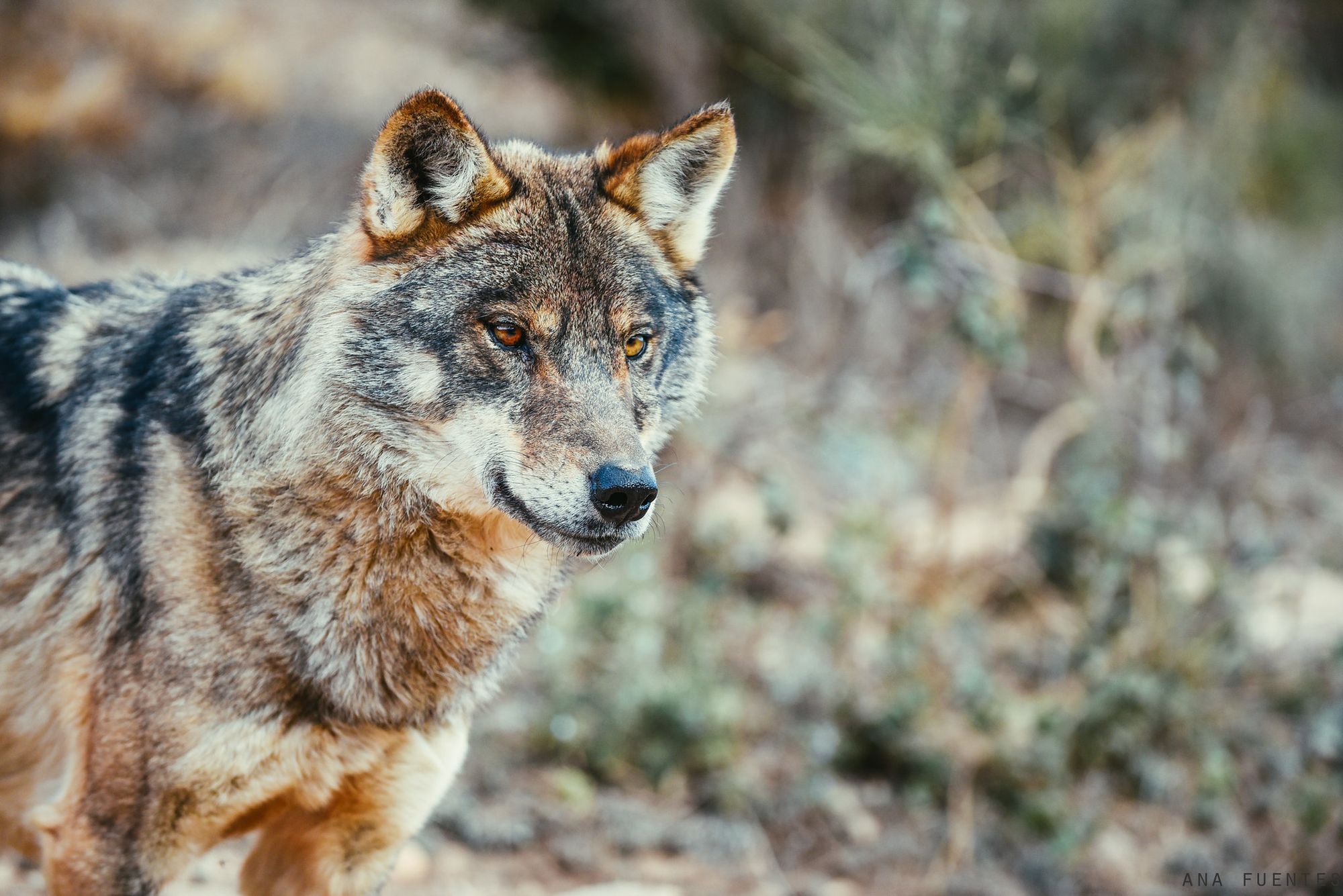
Wolves | In nineteenth century Spain, a politician called Pascual Madoz edited a huge geographical dictionary describing the natural and human environment across the country, including the presence of wolves. Researchers have now used these records to determine how wolf populations have contracted over time. They found that ranges have reduced by an average of 68% – where once the predator was present in all mainland provinces, today it is restricted to the northwestern quadrant. Historical information can be used to produce “robust baselines” that can help to develop conservation targets for future wildlife recovery, the authors conclude. The paper was published in Animal Conservation.
Driftwood
Books | The winners of the Wainwright Prize – the biggest event in nature writing – were announced on Wednesday. James Aldred took the top prize in Nature Writing for Goshawk Summer, a chronicle of the author’s experiences filming goshawks in the New Forest, while Dan Saladino was awarded the prize for Conservation Writing for Eating to Extinction, an exploration of rare foods across the world. Rob & Tom Sears also took the very first award for Children’s Writing on Nature and Conservation with The Biggest Footprint. The judges also commended several other books from the shortlist. The Guardian reported the news.
Congratulations to Rob & Tom Sears, @DanSaladinoUK and @jraldred! Thank you to all those who submitted to our prize this year, and congratulations to all our fabulous shortlisted, longlisted authors and illustrators! 💙💚💛#WainwrightPrize22 #JCWP22 pic.twitter.com/Q7CkhmgWDK
— James Cropper Wainwright Prize (@wainwrightprize) September 7, 2022
Film | A trailer has been released for Rewilding, the winner of Best Horror at the Chicago Indie Film Awards – and potentially the world’s first ever folk horror anthology film. Director Ric Rawlins said the story ideas came to him while working in a rural village near Bath. The three stories follow a retired archaeologist investigating the Devil’s face in a sea cave; a mystery connecting an ancient tree to a 16th century “witch finder”; and a journalist researching the Halloween traditions of a rural village. Rawlins said: “Folk horror is arguably Britain’s gift to the world of film genres [...] But it’s also personal: I think if magic exists it lives in the sea caves, the forests and the fields. I wanted to try and bottle that intuition.” Bloody Flicks and Movies and Mania previewed the film.
Woodlands | Numerous studies reveal that woodlands provide physiological and psychological benefits for humans – but do some woodlands make us happier than others? A research project intends to unearth how the age, size and shape of woodlands affects people’s wellbeing. Researchers are collecting data through an app called Go Jauntly, on which volunteers record their feelings before and after eight woodland walks. The project is part of the £14.5m interdisciplinary Future of the UK Treescapes programme, involving multiple universities and looking at how to best design forests for public benefits. Miles Richardson, professor of nature connectedness at the University of Derby, said: “With the government’s ambitious tree-planting targets, there’s going to be hundreds of new forests around the country. The whole project is about creating design tools so we can create the best treescape for 50 years’ time.” The Guardian covered the research.
Further reading:
- An article in the Times explains how drought has uprooted the natural order, with the balance of ecosystems in southern England “thrown into disarray” as stressed plants and trees shut down early.
- A feature in Country Life looks at nature’s “winners and losers” from this year’s summer. Among the winners are sunbathing reptiles, producers of weird-shaped vegetables, blue butterflies and goat farmers. Spoiler alert: the list of losers is longer.
- An interview in Prospect Magazine speaks with writer George Monbiot and farmer Tom Martin about whether the age of animal farming is coming to an end – or simply being reborn into a more environmentally friendly version.
- A feature in Positive News highlights the growing movement to transform small pieces of underappreciated, scruffy urban land, to the benefit of biodiversity and wellbeing.
- A briefing from the House of Lords considers the impact of the climate and biodiversity crises on food security, and reviews government policies to safeguard UK produce.
Happy days
Foraging | Scotland is hosting a Foraging Fortnight from 3 to 18 September. There is plenty to explore during the second week, with events taking place everywhere from Glasgow to the Cairngorms, with some online events for those who can’t make it in person – if you’re quick, you could still make it to the session on wild teas, taking place at 11AM today. The fortnight is capped off with the Scottish Wild Food Festival on the edge of Loch Lomond & the Trossachs National Park. According to NatureScot, which is leading the event, it is an opportunity to celebrate “our rich natural larder and the variety of wild food available on our doorsteps.”
Subscribe to our newsletter
Members receive our premium weekly digest of nature news from across Britain.
Comments
Sign in or become a Inkcap Journal member to join the conversation.
Just enter your email below to get a log in link.