EU Nature Law & Stonehenge Protest
The latest news on nature and conservation in Britain.
National news
Europe | The EU has passed a landmark law to restore nature after last minute changes of heart from Austria and Slovakia achieved a wafer-thin majority. The nature restoration law, which has proved to be the most contentious pillar of the European Green Deal, sets a target to restore at least 20% of the EU’s land and sea by 2030. It also contains provisions to reverse the decline of pollinator populations, restore drained peatland and plant at least 3bn trees. The law was watered down from original proposals following fierce protests by farmers, yet it still only scraped past with 1.07 percentage points above the required majority. Key to the victory was Austria’s Green climate minister, Leonore Gewessler, who changed her vote despite the Chancellor of Austria announcing he would seek criminal charges against her for alleged abuse of power. Writing on X after the vote, Gewessler said: ‘My conscience tells me unmistakably [that] when the healthy and happy life of future generations is at stake, courageous decisions are needed.’ A coalition of environmental groups led by WWF Europe called the vote ‘a massive victory for Europe’s nature’, and urged member states to implement the legislation as soon as possible. The Guardian and ABC News reported the news.
Rewilding | Rewilding projects have boosted job numbers at sites across Scotland, according to research conducted by Rewilding Britain. The analysis of 13 major rewilding projects, covering almost 60,000 hectares, found a 412% increase in jobs since they began. The projects include sites owned by charities, communities, private landowners and public bodies, and represent a variety of jobs, too: ecology and environmental monitoring alongside nature-based hospitality and tourism, estate management, recreation and education. The largest rise was at Trees for Life’s Dundreggan estate near Loch Ness, a former deer stalking estate, where jobs have risen from one to 26. Kevin Cumming, rewilding director at the charity, said: ‘These remarkable job creation figures show how rewilding can turbocharge social and economic benefits for people, while offering hope for reversing biodiversity loss.’ The Independent and the Herald covered the news.
Emissions | The Supreme Court has ruled that the full climate impact of burning oil from new wells should have been considered when approving drilling sites in Surrey, in what campaigners are calling a landmark case against fossil fuels. Under planning law, the assumption had previously been that only the impacts of constructing the wells should be considered, and not the use of the final products, known as ‘downstream emissions’. Campaigners say that the ruling, which came after a five-year legal battle against Surrey County Council, could put future UK fossil fuel projects into doubt. On X, former leader of the Green Party, Caroline Lucas, said the victory was ‘an absolutely giant step forward to a fossil-free future’, while the charity CPRE wrote that it was a ‘major win’ for the countryside. ‘Businesses should not be allowed to profit from causing lasting damage to protected landscapes, wildlife and our environment,’ it added. The BBC, the Independent and ENDS covered the news. Meanwhile, conservation group Oceana UK has launched legal action against the government for its decision to issue oil and gas licences without taking into account their environmental impact, reports the Guardian.
In other news:
- Campaigners are calling on the Scottish government to prioritise sustainable farming after the Agriculture and Rural Communities Bill was passed into law.
- Wildlife experts are urging the next government to limit the use of pesticides to stop the decline of the UK’s insect populations, reports the Guardian.
- Over half of sewage plants are providing ‘flawed data’ on river spills, reports the Times, while a BBC analysis uncovered 6,000 possible illegal spills in one year.
- An investigation by Unearthed has revealed that the Environment Agency has missed its target response time for around three-quarters of England’s worst pollution incidents in the last five years. The Independent reported the news.
- Dame Judi Dench, Emma Thompson and Chris Packham are among the celebrities expected to be joining over 300 organisations on Saturday for the Restore Nature Now march in London, reports the Independent.
- Politicians from all parties are making a pitch for votes from Welsh rural communities after recent farming protests, reports the BBC. Meanwhile, Plaid Cymru’s manifesto targets nature, net-zero and farming, reports ENDS.
- Nature is almost ‘entirely absent’ from Reform UK’s election manifesto, reports ENDS. The Wildlife Trust responded to the manifesto here.
- Labour has proposed easing planning restrictions on onshore wind farms in order to decarbonise the national grid by 2030, reports the Times and Financial Times.
- Statistics reveal that last year, Scotland created the highest amount of new woodland in 34 years, with a total of 15,000 hectares of woodland, according to Scottish Forestry.
Across the country
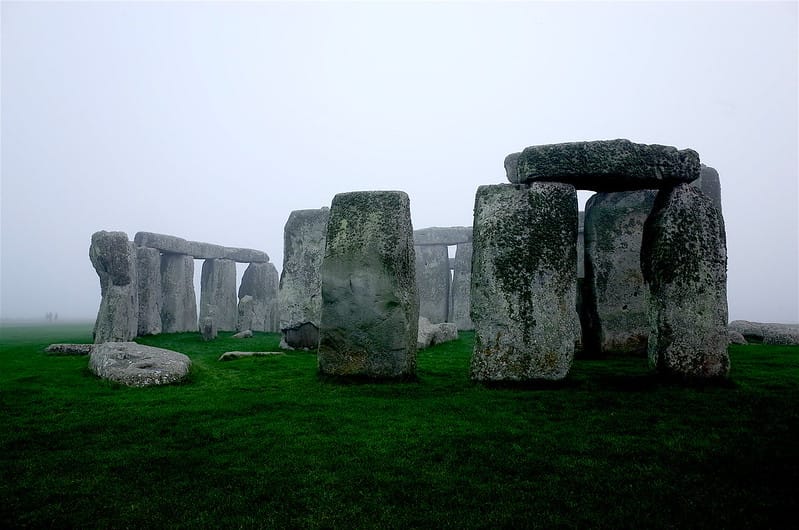
Stonehenge | Two protestors from Just Stop Oil have covered parts of Stonehenge with bright orange powder paint, a day before the Summer Solstice celebrations begin. In a statement, the campaign group demanded that the next government end the extraction and burning of fossil fuels by 2030. They added that the paint was made from cornflour and would ‘wash away with the rain’. One of the protestors, 21-year-old Niamh Lynch from Oxford, said: ‘Stonehenge at solstice is all about celebrating the natural world – but look at the state it’s in! Standing inert for generations works well for stones, not climate policy.’ However, the move has been widely criticised, with conservationists voicing concerns that the paint could damage the species of rare lichens that grow on the megaliths – although others have pointed out that the stones have endured far worse in the past, and the lichens will likely suffer more during the solstice festivities than from the paint. The following day, English Heritage issued a statement saying that the powder had already been removed and that ‘there appears to be no visible damage’. The news was widely covered.
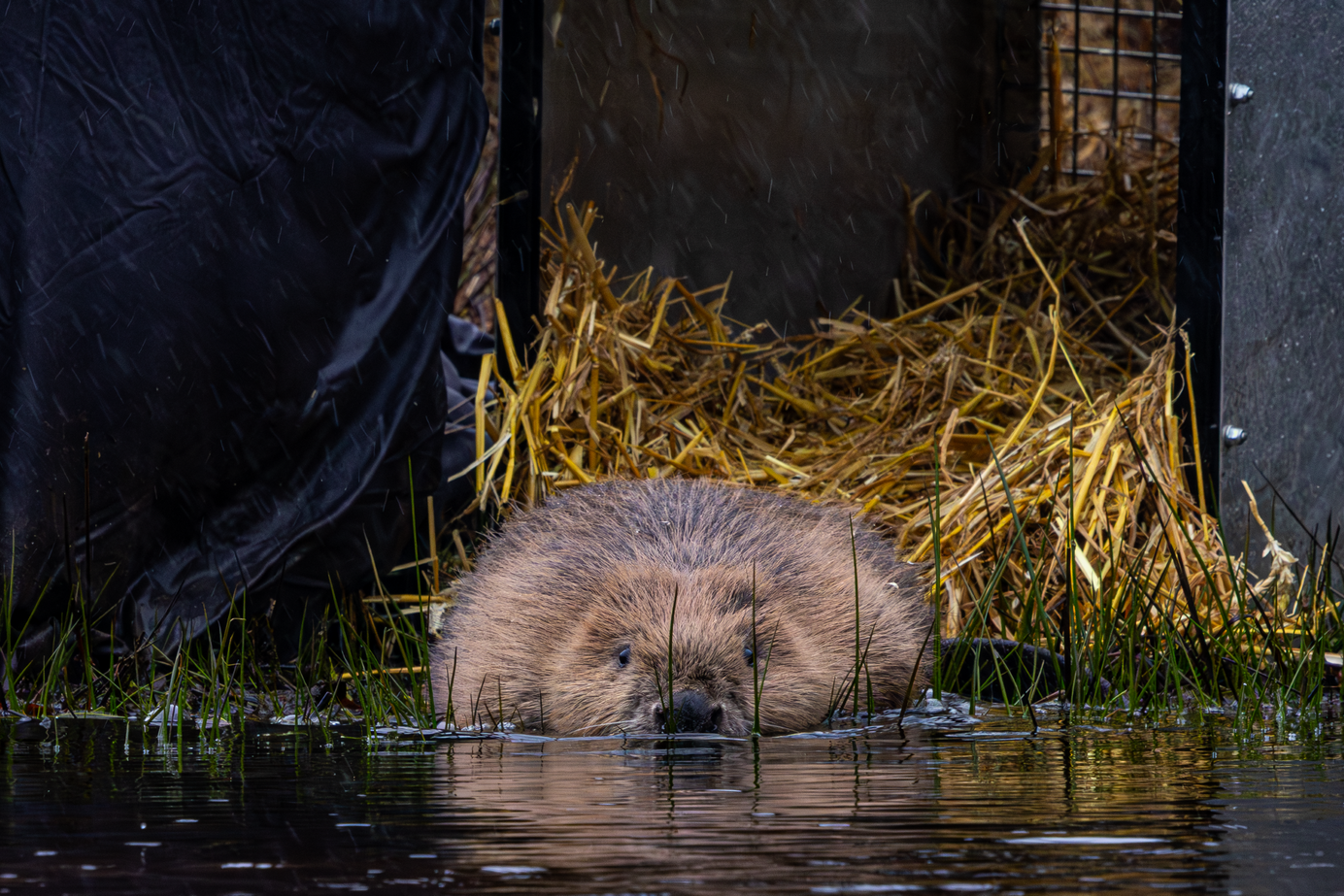
Argyll | The reintroduction of beavers to a Scottish rainforest may be helping to create ideal habitat for endangered water voles. Beavers were reintroduced to Knapdale in Argyll and Bute in 2009, and in the intervening 15 years, their dam-building activity in the forest has created new habitat along the banks of watercourses. ‘They’ve increased what we call edge habitat,’ explains John Taylor, a wildlife manager for Forestry and Land Scotland. ‘Instead of a harsh change from water to land, the edges along the burns and lochs are softened and seasonally flooded.’ Water voles are one of Scotland’s most threatened native species, and are heavily predated by American mink. Experts hope that the added complexity of the beaver habitat will help voles hide from the mink, and return to the area in greater numbers. The Guardian and the Herald reported the news.
Bedfordshire | The Wildlife Trust for Bedfordshire, Cambridgeshire and Northamptonshire is calling on the public to help it secure protection for Strawberry Hill, a former farm which was left to go wild 35 years ago. Today, the ‘accidental’ rewilding site has one of the highest concentrations of nightingales, turtle doves and warblers in the country. At 150 hectares, Strawberry Hill is the largest area of shrubland and young woodland in central England, but it has no official designation or protections. Following the landowner’s death, there were fears it would be sold and returned to agriculture, but the Trust gained a temporary stay of execution. Now, it has raised £1m to buy the southern part, and is launching an appeal for a further £1.5m to secure the rest of the area. The BBC and the Independent covered the news.
Elsewhere:
- A litter of wildcat kittens born at a wildlife park in Kent will contribute to efforts to save the species from extinction, reports the Herald and the BBC.
- A project to monitor the number of lekking black grouse in north Wales has secured funding from the Nature Network Funding programme, reports BirdGuides.
- A group of anglers have purchased a four-mile stretch of the River Ericht in Perthshire, in an attempt to improve water conditions for spawning salmon, reports the BBC.
- Dundee City Council has approved plans to transform a former gasworks into a new Eden Project, reports the Telegraph & Argus and the Scotsman.
- A team of conservationists has reintroduced the rare marsh fritillary butterfly onto a common in Rhondda Cynon Taf, southeast Wales, reports the BBC. Inkcap Journal covered the project last year.
- Allotment holders on the outskirts of Bath are urging the council to renegotiate after the current landowner gave notice to end the long-term lease in 2025, reports the BBC.
- Visitors have been queuing at Kew Gardens to sniff the infamous titan arum plant, or ‘corpse flower’, after it bloomed on Tuesday, reports the BBC.
- Persistent rainfall has wreaked havoc on the breeding birds at Ouse Washes in Cambridgeshire, with multiple species unable to nest due to water levels, reports BirdGuides.
- Volunteers in south Bristol are demanding to know why their wildflower meadow was cut by council workers just as it was coming into full bloom, reports the Bristol Post.
- Almost 100,000 people have objected to plans for a Flamingo Land resort on the shores of Loch Lomond, according to the Herald and Scotsman.
- The Essex Wildlife Trust has shared footage of a rare blonde badger spotted in the countryside, although its location was kept secret. Watch the video on the BBC.
- A landowner in Gower, Swansea, has been fined £1,500 and handed a £11,280 confiscation order after benefiting from cutting down more than eight hectares of protected woodland. The BBC and Wales Online covered the news.
- A nature prescriptions pilot previously trialled in Edinburgh and Shetland has been extended to Orkney, reports the Herald.
- Gamekeepers in Yorkshire successfully saved a batch of curlew eggs after the mother bird was killed by transferring them to an egg-less female, reports the Northern Echo.
- A section of the River Wye is to be granted bathing water status in a U-turn by the Welsh government, reports the BBC.
Reports
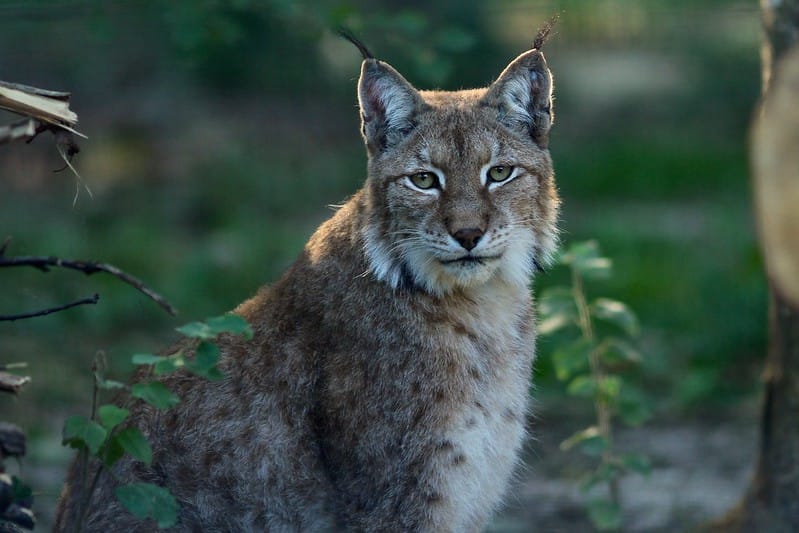
Predators | A report by political ecologist Jonny Hanson delves into one of the most controversial agri-environmental topics: the potential reintroduction of large carnivores to Britain and Ireland. To gain better insight into the perspectives of farmers, Hanson interviewed the five main farming unions across both nations, as well as two key livestock organisations and three rewilding organisations for balance. He found that the conflicts of interest were far more complex than simply farmers’ concerns that wolves or lynx would pose a threat to their livestock. Instead, the issues ranged from who would pay for the upkeep of control measures such as guard dogs or electric fencing, to which landscapes are considered wild enough for reintroductions. ‘Ecological reasons may be cited as the main rationale for reintroducing either species,’ Hanson writes in a summary article for the Conversation. ‘But it is issues of power and money that will largely dictate whether these proposals become reality.’
Cetaceans | The whale and dolphin charity Orca has published its annual State of Cetaceans report, providing insight into how cetaceans are coping with human impacts on the ocean. It analyses 330,000 kilometres of marine surveys conducted in 2023, including records of more than 55,000 whales and dolphins across the globe. In the UK, a comparison with data gathered in 2017 reveals a distinct increase in common dolphin sightings in the English Channel and the Hebrides, and a parallel decline in white-beaked dolphins in the Hebrides. The authors said this was likely linked to increasing sea temperatures and shifts in prey distribution, resulting in white-beaked dolphins moving to colder waters and common dolphins becoming more at home in warmer UK waters. Sally Hamilton, chief executive of Orca, said that large-scale citizen science was ‘essential’ to building up-to-date pictures of cetacean distribution and abundance, in order to manage and mitigate the increasing anthropogenic pressures on ocean ecosystems. The Independent covered the research.
Finance | The UK is among 23 countries paying less than half of its fair share of nature finance to lower income countries, according to a report by the Overseas Development Institute (ODI) thinktank. Developed nations have agreed to collectively contribute a minimum of $20bn annually for nature restoration in low and middle income countries by 2025. In the report, the ODI assesses each country’s ‘fair share’ based on their historic responsibility for biodiversity depletion and their capacity to pay. By comparing this with the country’s progress toward paying their share in 2021 (the last year for which data is available), they found that only two nations – Norway and Sweden – are providing a fair amount, while the ‘overwhelming majority’ do not even provide half. The UK was providing around 24% of its commitment. Lead author of the report, Laetitia Pettinotti, said that it should act as a ‘wake-up call’ to the high income countries, who need to dramatically scale up their contributions within the next year. The Guardian covered the research.
Science
Capercaillie | A study by the University of Aberdeen has found that diversionary feeding could boost capercaillie nest survival – without the need for lethal control of predators. There are only around 500 capercaillie left in the wild of Scotland, and a major threat to their survival is the predation of eggs. To solve this, the trial in the Cairngorms placed 720 artificial nests filled with chicken eggs in historic capercaillie habitat, and set up feeding stations with deer carrion near half of them. The nests were monitored over an eight-week period, and researchers found that those near deer meat recorded an 83% survival rate. PhD researcher Jack Bamber, who led the study, said: ‘Our idea was to fill the bellies of pine martens and other predators, like badgers, in capercaillie strongholds, predicting that once full of free food they would no longer search for eggs.’. The method is already being rolled out by Forestry and Land Scotland, the RSPB Scotland and other partners in Deeside. The findings were published in the Journal of Applied Ecology, and covered by the BBC.
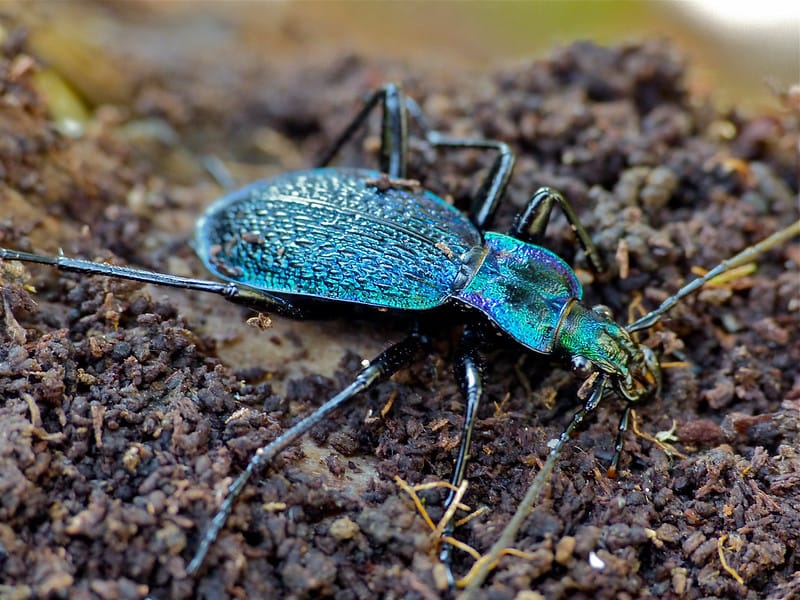
Beetles | Researchers from the University of Exeter are using ‘mini backpacks’ to study one of the UK’s rarest beetles: the blue ground beetle. Little is known about the species, which is largely confined to temperate rainforest fragments in southwest England, mostly on Dartmoor. Working alongside the Woodland Trust, the researchers have provided insight into the habits of the beetles by attaching tiny radio trackers to 36 insects to record their daily movements. So far, they have discovered that some individuals are much more active than others, travelling large distances at night and venturing out for multiple days at a time. They also found that the beetles prefer to stay away from the outer border of their woodland habitat, and showed a strong preference for old growth rainforest, with plenty of decaying deadwood. The authors say that the findings will help inform vital decisions about how to manage the rare and fragmented habitat. The Independent covered the findings.
Bombs | Plants store more carbon, but for a shorter time frame, than scientists previously predicted, according to a paper in Science. Strikingly, the study used analysis of radiocarbon produced during nuclear bomb testing in the 1960s to better understand the carbon uptake of vegetation and soils. Nuclear testing in the 50s and 60s increased atmospheric radiocarbon, which was then absorbed by the biosphere. Researchers were able to combine a new budget for this radiocarbon with model simulations to achieve a more accurate measure of terrestrial carbon turnover rates. The findings suggest that the current Earth system models underestimate terrestrial carbon uptake, but also that carbon dioxide will not reside in vegetation as long as models currently predict. Author Heather Graven said that the study has implications for accurate climate predictions, as the storage of anthropogenic carbon is likely to be ‘more vulnerable to future changes than previously thought.’
Driftwood
Alkaline | In Hakai Magazine, a long read investigates the controversy surrounding a carbon capture project in St Ives Bay, and who has the right to decide where experimental climate technologies are tested. Run by a Canadian start-up company called Planetary Technologies, the pilot project involves pumping magnesium hydroxide into the sea, thus raising the alkalinity of the seawater and encouraging the ocean to absorb more atmospheric carbon dioxide. However, when news of a small-scale test appeared, locals were disturbed by the idea of a foreign company pouring chemicals into their bay, and concerned by the potential impacts to local marine life. An independent review of the project has since found the method is ‘very low risk’, but strong opposition from the community remains. ‘What’s clear from spending time in the region is that locals are devoted to their bay,’ writes Yannic Rack. ‘But it’s also clear that there is critical urgency around carbon removal. If alkalization doesn’t scramble local ecosystems, continued global warming certainly will.’
Pill | For the Guardian, Phoebe Weston explores the burgeoning research topic of animal contraceptives. With the spread of invasive species causing increasing damage to ecosystems and native species, researchers are looking for ways to curb their growth which do not involve lethal action. Trials are currently underway for contraceptives for pigeons, grey squirrels and wild boar, and there are proposals for other species such as parakeets and deer. The aim is to find ‘creative solutions for administering the drugs’, according to Dr Giovanna Massei from York University. Think squirrel feeders which are only opened by the precise weight of a grey squirrel, rather than their lighter red counterparts, or a device activated by the burrowing snout of a boar.
Consciousness | ‘There is no fundamental difference between man and animals in their ability to feel pleasure and pain, happiness, and misery.’ Charles Darwin wrote these words, but at the time his ideas that animals could be conscious in a similar way to humans were shunned as heresy. It is only recently that the scientific community has returned to the argument, as new evidence emerges of animals’ abilities to feel and process what is going on around them. It has been proven, for example, that bees can count, learn to use tools, and recognise human faces. Cuttlefish remember details of past events, cleaner wrasse fish recognise themselves in the mirror, and fruit flies have their sleep patterns disturbed by social isolation. Part of the problem, however, is untangling the association of consciousness with language and intelligence: an understanding which dates back to the 17th century, when René Descartes said, ‘I think therefore I am’. Read more in this in-depth article by the BBC.
Further reading:
- The New Statesman has started a monthly nature column by the UK’s Poet Laureate, Simon Armitage. His first column is on the somewhat unattractive topic of fly-tipping.
- Thursday marked the summer solstice. An article in Forbes explains why it is the earliest solstice for 228 years, while the Telegraph summarises the midsummer traditions. Meanwhile, a feature in the Conversation explores how Indigenous peoples are reclaiming their solstice celebrations.
- In the Guardian, an opinion piece by Guy Shrubsole argues why the incoming government must end attacks on Natural England for trying to protect Britain’s remaining wildlife.
- A feature in the Times explores how the Green Party moved from climate change ‘hippies’ to ‘culture warriors’, while a piece in the Conversation argues that the party’s plans, while not perfect, offer a much-need attempt at environmental leadership.
- In the Guardian, this article looks into research that suggests green space could be even better for children’s brains than previously understood.
- Both the Times and the BBC have articles on wild swimmers who are campaigning for the health of the River Avon.
- Naturalist Stephen Moss writes about why there are fewer swallows in the summer skies in the Guardian.
Happy days
Moth-hunting | A septuagenarian volunteer hunting for one of Britain’s rarest moths made a shock discovery when he stumbled upon it in his own back garden. Over the past year, retired doctor Jo Davis from Lanarkshire has walked for miles along the banks of the Clyde, looking for the currant shoot borer moth. There are fewer than ten known colonies of the species left in Britain, but Jo thought it was likely the tiny moths could be found on the redcurrant bushes along the River Clyde. After a year of looking, however, he had found nothing. ‘I'd sort of given up looking for it, then I couldn't believe it – I was just walking past my fruit cages and this pretty little black and yellow moth appeared,’ he explains. ‘How absurd not to be able to find it all that time and then find it right under my nose.’ Spurred by the discovery, the Butterfly Conservation is calling on people to join the search for the rare moth in an effort to find undiscovered colonies.
Subscribe to our newsletter
Members receive our premium weekly digest of nature news from across Britain.
Comments
Sign in or become a Inkcap Journal member to join the conversation.
Just enter your email below to get a log in link.