Failing on Nature & St Kilda Climate
The latest news on nature and conservation in Britain.
National news
Politics | The leaders of four major environmental charities have penned a warning that every political party is currently failing to tackle the nature crisis in the UK. The CEOs of the National Trust, the RSPB, the Wildlife Trusts and the Woodland Trust wrote a joint op-ed for the i, stating that political leaders need to set out much more concrete plans before the election for how they plan to improve the state of Britain’s nature. They also called for better-resourced nature delivery bodies that ‘have the teeth’ to hold any government to account. To that end, the CEOs raised concerns over an upcoming Private Member’s Bill which would transfer the power to designate SSSIs from Natural England to the Environment Secretary. This would ‘rip up science-led decision-making’ and turn the designations into ‘Sites of Political Convenience’, they warned. iNews summarised the message.
Swimming | The government has announced the largest ever expansion of wild swimming areas, with 27 new locations designated as bathing sites. Official designation means the Environment Agency will test the water during the summer, and if the site fails to meet minimum standards, the local water company must work with the Agency to improve it. The majority of existing swimming spots meet minimum standards, but England’s three river sites were rated as ‘poor’ last year, and campaigners expect some of the new sites – 16 of which are in rivers – to be rated likewise. Campaigner Feargal Sharkey commented that the designations are ‘not a strategy to deal with the decaying state of our rivers’. Defra also said it would hold a consultation on proposals to reform bathing water regulations, including extending monitoring outside the bathing season, and reconsidering the definition of ‘bathers’ to include a wider range of recreational users. The news was widely covered by national outlets.
Food | The Prime Minister has announced a raft of measures and £80m of funding for British farmers at the Farm to Fork Summit, to support domestic food production and boost innovation. The summit also saw the publication of the first Food Security Index, which warned that farmers will need to grow more fruit and vegetables to ensure the UK is not overly reliant on imports. The index revealed that only 17% of fruit and 55% of vegetables eaten in the UK are grown here. In light of the findings, critics have said that the measures announced by the government fall short of what is needed to bolster the sector. Meanwhile, organisations including the Wildlife Trusts and the National Trust have questioned why nature and climate are both absent from the Food Security Index, and why nature charities were excluded from the summit when food security depends on restoring nature. The BBC and the Guardian reported the news.
In other news:
- The Welsh government has delayed implementing its new farming subsidies by a year in order to ‘listen’ to farmers’ concerns, reports the BBC. Wildlife Trusts Wales said the delay was ‘bad news’ for farmers, nature and climate.
- A coalition led by Pesticide Action Network and the RSPB is calling for a nationwide ban on pesticide use in urban areas, reports the Independent.
- Former minister Lord Blencathra has said that cat flaps should be banned to protect the UK’s declining number of garden birds, reports the Express & Star.
- Ministers are considering making the UK’s carbon targets easier to meet by allowing the unused portion of the last budget to be carried over to the next period, against expert advice, reports the Guardian.
- The National Farming Union lobbied the government to weaken limits on pesticides in drinking water as part of post-Brexit reforms, according to documents seen by Unearthed.
- Research by the University of Glasgow has revealed the presence of 16 types of mosquito in Scotland as warmer temperatures lead to larger numbers, reports the BBC.
- Environment ministers from 11 countries, led by Ireland, are mounting a last-ditch attempt to save the EU’s nature restoration laws, reports the Guardian.
- Sitka spruce, an American species, now makes up almost half of Scotland's forests, threatening native species and habitats, according to the Ferret.
- The Liberal Democrats have proposed a Bill amendment to criminalise water company bosses who fail to meet pollution performance standards, reports ENDS.
- The Bird Breeding Survey has published its annual report, marking the 30th anniversary of the survey tracking population changes in the UK’s breeding birds.
Across the country
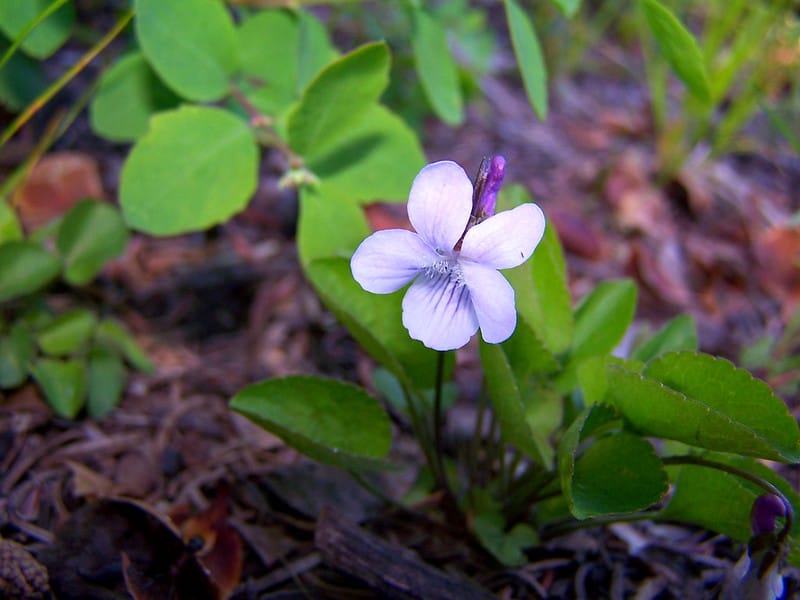
Shropshire | The National Trust is aiming to plant 20,000 marsh violet plants across the Shropshire Hills this year in an attempt to boost numbers of the small pearl-bordered fritillary butterfly. The distribution of the rare butterfly has declined by over 70% since the mid-1970s due to a combination of global heating, wetland drainage and changing land management. The species uses the leaves of the marsh violet as both food and a place to lay its eggs, so the Trust hopes that planting it en masse will help to increase suitable habitat, as well as reconnect isolated groups. Dave Wainwright, of the charity Butterfly Conservation, praised the project, saying it was ‘on a scale that it needs to be, to really make a difference’ for the species. The Guardian, the BBC and the Shropshire Star covered the news.
Berkshire | The Wildlife Trust in Berkshire has constructed Britain’s first ‘snake tunnels’ to help two populations of adder cross a road. The organisation realised that the road, which bisects Greenham and Crookham Commons, was preventing the populations from meeting and mating after using radio trackers to monitor the snakes. Adders are Britain’s only species of venomous snake, but due to persecution and habitat fragmentation they have largely vanished from central England over the last decade. Debbie Lewis, head of ecology at the Trust, said genetic mixing between remaining populations was crucial for their survival: ‘They are part of our native biodiversity and could be extinct here in 10 to 15 years if we don’t do anything’. The two tunnels are topped with grates to allow sunlight to filter through for the cold-blooded reptiles. The BBC and the Guardian reported the story.
Devon | A report by the Devon Wildlife Trust has warned that hundreds of wildlife sites in the county are at risk of neglect and destruction. The Trust worked with the County Council and the Devon Biodiversity Record Centre over 12 years to survey 1,156 County Wildlife Sites, covering 13,000 hectares. They found that, although some sites are being carefully looked after by landowners, over half are not well managed or are in ‘unfavourable condition’. A further 14% are in poor condition, while 24 sites have been destroyed altogether. County Wildlife Sites are recognised for their special biodiversity value, but unlike statutory designations, they contain no legal protection – leaving them vulnerable. The authors stress the need to increase monitoring at the current sites, and also recommend a further 1,000 places are identified and surveyed over the next decade to extend protection across Devon’s habitats and species.
Elsewhere:
- The Kent Wildlife Trust has released findings from the first year of bison roaming freely in the Wilder Blean woodland in Canterbury. Meanwhile, a grant of £100,000 will allow the project to expand from 50 hectares to 200, and build bespoke bison bridges.
- A study of nestboxes in Aberystwyth aims to understand the impact of climate change on competition between birds during breeding season, reports BirdGuides.
- Cornwall Wildlife Trust is hoping to launch a 50-year project to restore an ancient rainforest near Looe, reports the BBC.
- The Chelsea flower show has announced it will introduce a green medal for gardens with the best sustainability credentials, reports the Guardian.
- Theoretical plans to reintroduce the European wildcat to Devon are gaining momentum, according to BirdGuides.
- Staff at Lindisfarne nature reserve have warned that shorebirds are facing their ‘most challenging breeding season yet’ due to the impacts of climate change and visitor recreation, reports Chronicle Live.
- Millions of litres of raw sewage were illegally pumped into Lake Windermere after a ‘fault’ caused United Utilities' main pump to stop, reports the BBC. Meanwhile, the Information Commissioner's Office has ordered United Utilities to share data which could reveal further discharges, reports the Times.
- A three-year study in the New Forest is collecting DNA from pine martens to examine the genetic diversity of the population, reports the Daily Echo.
- The Cambridge University Botanic Garden has been monitoring 90 trees since 2020 to understand how they are reacting to climate change, reports the BBC.
- Newcastle City Council is working with the charity Urban Green to let 33 of its green spaces grow during No Mow May, reports Chronicle Live.
- A four-year project in Durham has created new woodlands equivalent in size to the historic city centre, as well as 2km of hedgerows, reports the Northern Echo.
- A project to promote and protect native wildflowers in Guernsey has increased the number of species grown from seven to 30 in two years, reports the BBC.
- Lancashire University has become one of the first universities in the UK to pledge to be 100% vegan across its campus, reports the Lancashire Post.
- The success of rare bitterns in the Somerset Levels has made the area a ‘wildlife tourism hotspot’, reports the BBC.
- Northumbrian Water has received funding from the regulator Ofwat to track river health trends and population patterns with the help of AI.
- A generation of black-tailed godwit eggs have hatched in captivity after being rescued from flooding across the Nene and Ouse Washes, reports the BBC.
Reports
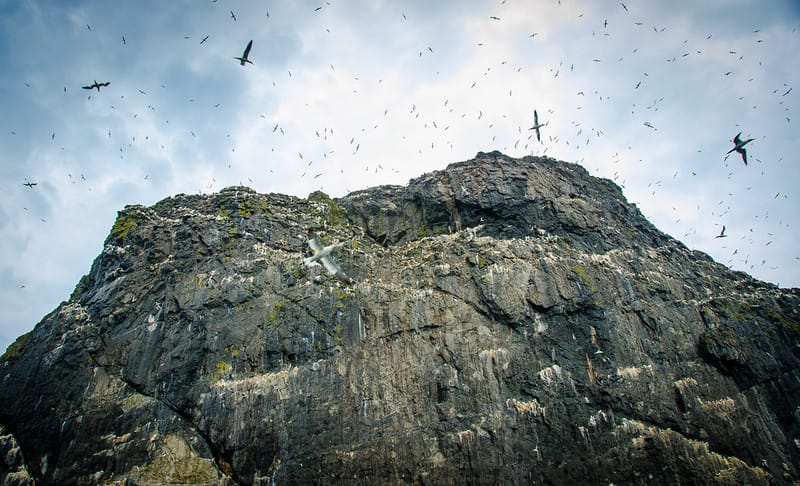
St Kilda | A report by the National Trust for Scotland has identified the greatest threats from climate change to St Kilda, the UK’s only dual World Heritage site. St Kilda is a remote archipelago sitting 64 km west of North Uist in Scotland, and is home to thousands of seabirds and also unique sub-species of mouse and wren. Scientists used a tool called the Climate Vulnerability Index to calculate the predicted impacts of climate change on the fragile environment. They found that rising temperatures, more frequent and severe storms, and changes to ocean currents pose the most serious risks. Susan Bain, property manager for the Trust, said that warmer sea temperatures were already impacting the seabirds which breed on St Kilda, and that changing currents could compound this further, irrevocably changing the habitats and species which can thrive there. The BBC and the Scotsman covered the research.
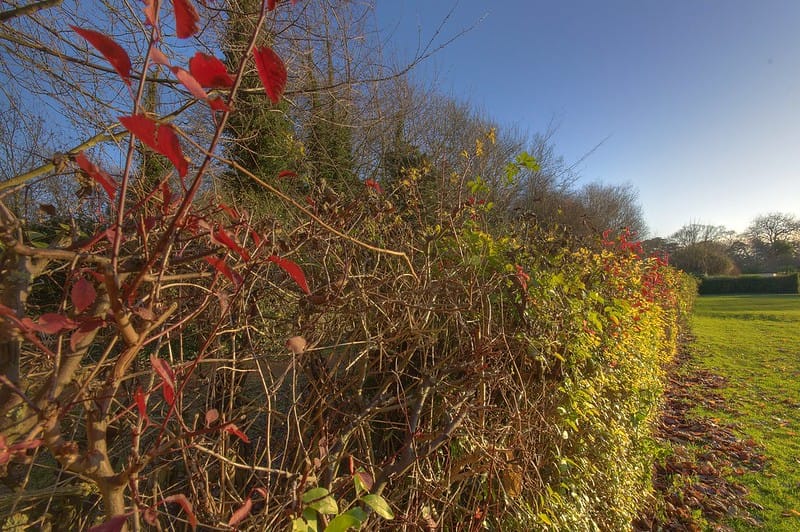
Hedgerows | The north of England would benefit most from the creation of more hedgerows, according to a report by the countryside charity CPRE. The analysis, conducted by the Organic Research Centre, used data on historical hedgerow cover and the condition of existing networks to identify areas with the most suitable habitat for hedgerow creation and restoration. It found that seven out of the eight areas with the highest priority scores were in the northern half of the country, including three in Yorkshire alone. In light of the findings, CPRE is calling on the government to concentrate action on the areas identified in the report, as well as develop an effective system for monitoring the quantity and quality of progress towards its hedgerow targets.
Manifesto | The Conservative Environment Network has launched a green manifesto, setting out a series of recommendations to revive the UK’s trees, woodlands and forests. Trees are rooted in the UK’s natural heritage, according to the report, but the depletion of nature coupled with a lack of tree-planting is harming the UK’s wildlife, its public wellbeing, and industries such as timber. The report addresses five key areas, including boosting timber security, protecting existing trees, and integrating trees into farmed landscapes. It also recommends that British venison should be made more readily available on the market, including being served at schools and hospitals to reduce the damage done by unchecked populations of deer. MP Robert Goodwill said: ‘Wild venison is as free range as it comes. Eating it is a win for our woodlands that can also boost our food security’. The Daily Mail covered the news.
Science
Sea Eagles | A study by Forestry England has found that white-tailed eagles reintroduced to the south of England feed on a range of prey, but not on livestock. The UK’s largest bird of prey was reintroduced to the Isle of Wight in 2019, with 29 eagles released on the island so far. The study used high-resolution data from GPS devices worn by all the birds to identify regular foraging areas and tree perches, before scientists and volunteers spent hundreds of hours in the field gathering over 600 observations of feeding. The results showed that the birds’ prey included rabbits, hares, cuttlefish and grey mullet fish, as well as feeding on carrion and through ‘piracy’: stealing food from smaller birds of prey. Despite concerns, lead researcher Stephen Egerton-Read said there had been no conflict with livestock farming, and that the results should provide ‘reassurance’. The BBC and the Independent covered the research.
Tree Rings | Rings found in buried ancient trees have confirmed that last summer was the hottest in the northern hemisphere in the last 2,000 years. Climate scientists had already proven that 2023 was the world’s warmest year on record, at least back to the 1850s, but tree rings record temperature information further back than even Victorian scientific records. Scientists studied thousands of trees – both living specimens and fossils – focusing on trees living at altitude, where the impact of temperature on summer growth is most clear. By combining the tree ring record with modern data, they found that the summer of 2023 was 2.07C warmer than the ‘pre-industrial’ period of 1850-1900 – and 3.93C hotter than the coldest summer on record, in the year 536. The results were published in Nature, and covered by the BBC.
Rewilding | A study in Conservation Biology examines the potential for future rewilding projects in the UK. Using land system simulations, researchers analysed the potential area available for rewilding in 2080, under various climatic and socioeconomic scenarios. They estimated that around 5,000 to 7,000 km2 would be either unmanaged, or managed in ways that would allow for the provision of ecosystem services in tandem with rewilding. These potential areas emerge in a variety of ways, from intensification elsewhere having an unintended land-sparing effect, to popular demand for environmental restoration and appetite for exclusive recreation. Very little of the available land, however, coincides with priority ecosystems for conservation: peatlands, ancient woodlands, or wetlands. They conclude that there will be ‘substantial opportunities’ for rewilding, but also a need for interventions to maintain priority conservation areas.
Driftwood
Film | For Atmos, science and technology journalist Chris Baraniuk explores why Hollywood hasn’t made more films about the biodiversity crisis. In the 21st century, there have been a few notable examples of films which grapple with the climate crisis: The Day After Tomorrow, for example, and most recently, Don’t Look Up. But what about biodiversity loss, which has been happening for centuries? ‘It is terrifying, cinematic in its magnitude, and yet the film industry has barely touched it, except in solemn documentaries that tend to preach to the choir,’ writes Baraniuk. This is even stranger considering the number of A-listers who are vocal about environmental issues, including Leonardo DiCaprio and Jane Fonda. Historically, film writers have been loath to take on the role of activists – but that could be changing in the next few years, Baranuik finds.
Nature | What do we really mean when we say ‘nature’? According to the Oxford English Dictionary, nature is defined as: ‘The phenomena of the physical world collectively; esp. plants, animals, and other features and products of the Earth itself, as opposed to humans and human creations.’ Now, a campaign called We Are Nature is attempting to redefine the word ‘nature’ to include humans, rather than existing in opposition. By doing this, it aims to ‘rekindle the bonds of care towards the living world’, and reflect how humans are intertwined in the web of life. Ecologist Tom Oliver explains the push behind the campaign in an article for the Conversation, and ponders the ethics of lobbying to change the definitions of words.
Biocide | In an essay in Noema Magazine, environmental studies professor Laura Martin writes about the invisible dangers of pesticides and herbicides. Martin begins by reflecting on the topic through the personal lens of her father, who died from a cancer he believed to be caused by exposure to Agent Orange during the Vietnam War – but which Martin belatedly discovered was present in the chemicals he sprayed on his front lawn. Biocide chemicals are omnipresent in society now, found in environments across the globe and in our own bodies. ‘With biocides, we have fundamentally reshaped life on Earth,’ Martin writes. ‘When we look at trees and birds and insects and lawns, we see the species that have survived 80 years of continuous, uncontrolled biochemical warfare. What, we ought to wonder, is missing?’
Further reading:
- A festival in Gloucester last weekend celebrated the ‘legendary’ farmer and broadcaster, Eric Freeman, one of the founders of the British rare breeds movement. Read about his legacy on the BBC.
- Read about how ‘Belties’ – Belted Galloways – are helping to save the high brown fritillary, the rarest butterfly in Wales, here.
- A feature in the New Statesman dives into the ‘Great Stink’: how privatisation and the pursuit of profit has led to the pollution of England’s waterways.
- An opinion piece in the Financial Times takes a look at the recent success of the Green party in traditionally ‘blue’ areas of the countryside.
- In the Telegraph, horticulturist Alan Titchmarsh calls on British gardeners to grow a wide range of biodiverse plants, and not ‘ditch exotic plants in favour of rewilding’.
- Last weekend, people from across the UK witnessed one of the most dramatic displays of the Aurora Borealis in decades. The BBC has a useful video explainer on the solar flares that caused the display, while the Times has a stunning selection of images from across the UK, in case, like us, you happened to be in bed.
Happy days
Bog | A species once thought to be lost for 100 years has produced its first mass flowering in living memory. Shy slender sedge was believed to have disappeared from Askham Bog reserve near York in 1930, and was not rediscovered again until 2021. It produced just one flowerhead in 2023, but this year it has surprised ecologists with nearly 2,000 feathery spikes. Professor Alastair Fitter, who rediscovered the plant, said the flowering was likely due to the wetter winter, and proved that the bog would have been much wetter a century ago. The Yorkshire Wildlife Trust is working hard to rewet the bog in the hopes of discovering other species lost from the site. Fitter said: ‘Who knows what we might find and what might appear unexpectedly from the depth of the bog if Askham Bog is given a chance to recover?’ The BBC covered the story.
Subscribe to our newsletter
Members receive our premium weekly digest of nature news from across Britain.
Comments
Sign in or become a Inkcap Journal member to join the conversation.
Just enter your email below to get a log in link.