Fungi Conservation & Hedgehog Strategy
The latest news on nature and conservation in Britain.
National news
Fungi | Fungi could be set to receive the same status as flora and fauna later this month, under a proposal from the UK and Chile to the COP16 summit in Cali, Colombia. The ‘pledge for fungal conservation’ suggests that fungi should be recognised as an ‘independent kingdom of life’ for environmental protection, with mushrooms, mould, mildew, yeast and lichen all receiving elevated status. ‘This is the most important thing that has ever happened in the field of fungal conservation,’ according to Giuliana Furci, the Chilean-British chief executive of the Fungi Foundation, which has been the driving force behind the initiative. The pledge recognises the crucial role of fungi in soil health, carbon sequestration and breaking down pollutants – and also highlights that humans have depended on fungi for thousands of years. The initiative, which is co-sponsored by the two governments, is also backed by the IUCN and Royal Botanic Gardens Kew. The Guardian reported the news.
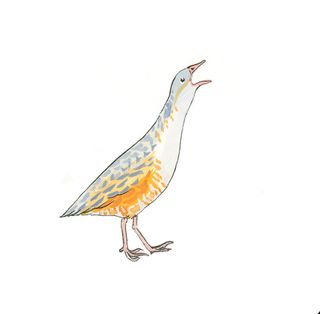
Curlew | A four-year project led by the RSPB has celebrated an increase in the number of endangered curlew chicks. The Curlew LIFE project focuses on upland and lowland farms in five key areas across the UK: Hadrian’s Wall and Geltsdale in Northern England, Conwy in North Wales, the Insh Marshes in Scotland, and the Antrim Plateau and Lough Erne lowlands in Northern Ireland. A red-listed species, the number of breeding curlew in the UK has fallen by nearly half (48%) since the mid-1990s. However, results from the programme show that the number of chicks successfully fledging has risen since it began in 2020, laying a foundation for its recovery. In particular, the Antrim Plateau recorded a remarkable increase from 37 pairs last year to 52 this year. Project manager Suzannah Rockett said the commitment of hundreds of farmers had been crucial to delivering the success.
Pledges | More than 80% of countries have failed to submit new nature pledges ahead of the COP16 summit in Colombia, according to an investigation by Carbon Brief and the Guardian. At the last COP in 2022, nations agreed to publish national pledges known as national biodiversity strategies and action plans (NBSAPs) ahead of the talks: these would act as blueprints for individual countries to tackle biodiversity loss and meet the global targets. Only five of the 17 ‘megadiverse countries’ – home to 70% of the world’s biodiversity – have produced pledges, while three of the G7 nations did not produce a plan. The UK government promised to publish its NBSAP by May of this year, but was delayed by the change in government, and now intends to publish it in the new year. Representatives from various environment ministries said that ‘technical difficulties’ and ‘structural barriers’, including lengthy consultations, had caused the delays.
In other news:
- Marine charity Open Seas has accused the Scottish government of ‘floundering’ over the management of Scotland’s fisheries post-Brexit, reports the Herald.
- The Tree Council is looking for ‘tree growing champions’ to take part in a research survey about the UK’s community tree nurseries.
- Outdoor company Millets has analysed data to rank the UK’s cities as wildlife conservation hotspots. Watford, Cardiff and Aberdeen take the top spots in each nation.
- A project to restore river woodlands across Scotland is now underway thanks to £1.8m in funding from the National Lottery Heritage Fund, according to Buglife.
Across the country
Barnsley | An area of abandoned coal mines in Yorkshire has been awarded Local Wildlife Status after conservationists discovered that it has become a hotspot for bats. A year-long study of the 28-hectare area, which includes a collection of mineshafts and the surrounding moorland, has revealed that eight species are using it as an ‘autumn swarming’ location, during which bat populations find a mate. The study, conducted by the South Yorkshire Bat Group and Yorkshire Water, included acoustic monitoring around the clock, and filming with night vision to monitor bat activity. Lead ecologist Sean Davey said: ‘Bat swarming sites are more commonly found in wooded lowland areas so it’s particularly interesting to find swarming happening up on this exposed moor with no trees around.’ The BBC reported the news.
Cornwall | On the Lizard Peninsula, Natural England and the National Landscapes project are trialling conservation methods to benefit both archaeological heritage and nature. The prehistoric settlement site at Kynance Gate consists of two groups of roundhouses, dating from the Middle Bronze Age and Iron Age periods, but the site has suffered from encroaching vegetation and livestock erosion. Now, cattle have been replaced by Dartmoor ponies to reduce erosion, and there are plans to use a small herd of goats to manage the bramble and gorse. It is hoped that heathland burning will benefit rare plants and lichens. Cornwall Live covered the story.
Fife | A distillery based in Fife has announced that it is partnering with a Scottish biotech company to use whiskey effluent to create Omega-3 nutrients, to reduce the unsustainable demand for wild-caught fish. Eden Mill, which is finishing work on its new distillery outside of St Andrews, will supply the whisky byproduct to MiAlgae, an Earthshot Prize finalist, based in Edinburgh. Omega-3 nutrients are fatty acids with various health benefits, particularly for the heart and brain, and are most commonly sourced from wild-caught oceanic fish. However, the original source of Omega-3 is in microalgae. MiAlgae plans to use the effluent to grow microalgae itself, giving the byproduct an environmentally-friendly second life. The Herald reported the news.
Elsewhere:
- The Game and Wildlife Conservation Trust has launched a project to reintroduce black grouse to the North York Moors, reports BirdGuides.
- In Mansfield, Severn Trent is spending £76m to install the UK’s largest urban use of natural flood prevention systems, reports the Times.
- On the Cleddau River in west Wales, Natural Resources Wales has introduced a herbivorous weevil to control an invasive plant species.
- Sightings of basking sharks off western Scotland have fallen to their lowest level in 20 years, reports BirdGuides.
- A young female hen harrier has disappeared in Bowland, Lancashire, under ‘suspicious circumstances’, according to the RSPB. The BBC reported the news.
- A new gadget developed by the Plymouth-based Ocean Conservation Trust can plant 2,000 seagrass seeds in 20 minutes by a single diver, reports the Plymouth Herald.
- York’s first ‘floating ecosystem’ has been launched on the River Ouse to provide habitat for wildlife and improve water quality, reports the BBC.
- A public consultation is underway in Conwy on the creation of the county’s first eco-friendly burial site, reports the Daily Post.
- The West Midlands authority has announced £300,000 for 14 community environmental projects, ranging from a climate festival to monitoring water quality, reports the BBC.
- Meanwhile, Liverpool council’s GreenUP project, which aims to rewild built-up areas, has won three prizes at an international ceremony. So far, it has created urban rain-gardens, green walls, pollinator posts and floating islands around the city, reports the BBC.
- Kent Wildlife Trust has announced the birth of two bison calves at their Wilder Blean wilding project, reports the BBC.
- Cumbria Wildlife Trust has reached its funding goal of £1.25m to secure the purchase of Skiddaw Forest.
- A flux tower has been installed in Poole Harbour to monitor carbon levels as the habitat changes from dry land to wet intertidal habitat, reports the BBC.
- A BBC investigation has discovered that United Utilities has been repeatedly dumping sewage illegally into Windermere over the past three years.
- The Butterfly Conservation has been awarded £727,000 for a project in the south of Scotland to help farmers improve their land for wildlife.
Reports
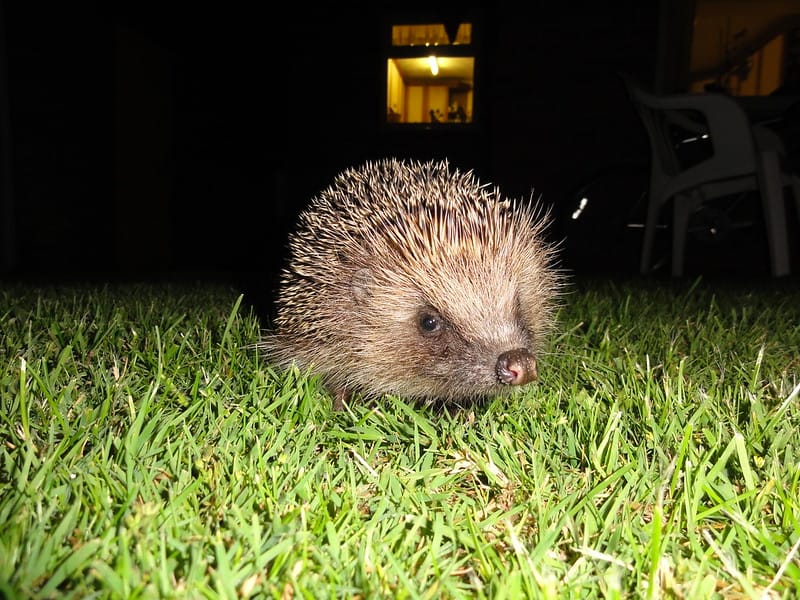
Hedgehogs | Wildlife charities have published the UK’s first national hedgehog conservation strategy in response to the species’ extreme decline. In 2022, the State of Britain’s Hedgehog report found that the UK population had shrunk by between 30-75% in rural areas since 2000. Now, the People’s Trust for Endangered Species and the British Hedgehog Preservation Society have collaborated with over 30 stakeholders to create the strategy, which identifies key threats facing hedgehogs, as well as priority areas for further research. Those threats include the loss of habitat and natural food sources, increased vehicle collisions, and stress due to human intervention. The Yorkshire Post covered the news.
Biodiversity | Ahead of the 16th Biodiversity COP taking place in Colombia, the Wildlife Trusts have published a report outlining how the UK government can reverse nature loss at home and show global leadership by implementing the Global Biodiversity Framework. The framework was championed by the UK at COP15 two years ago, yet it has resulted in little progress at home – with the government on track to meet only four of its 40 domestic targets. The report examines where action is urgently needed, with targets grouped under three headings: reducing threats to biodiversity; meeting people’s needs through sustainable use and benefit-sharing; and tools and solutions for implementation. According to the report, the upcoming COP represents a chance for the new UK Government to ‘think globally while it acts locally’, and demonstrate its intentions for ‘bold and ambitious action for nature’.
Wildlife | The World Wide Fund for Nature (WWF) has published two major reports. The first, The Living Planet Report 2024, reveals that the average size of global wildlife populations has fallen by 73% in the last 50 years. This is based on almost 35,000 population trends across 5,495 species, with freshwater populations suffering the heaviest declines. Habitat degradation and loss – largely driven by the food system – is cited as the primary cause, followed by overexploitation, invasive species and disease. The report warns that several global tipping points are approaching unless met with a rapid transformation of our food, energy and finance systems. BirdGuides and the Guardian reported the news. Meanwhile, WWF has also published a Global Roadmap for a Nature-Positive Economy ahead of the COP16 summit, calling for a reform of global financial and economic ‘rules of the game’ to reverse nature loss.
Science
Genetics | Common European tree species have retained their genetic diversity throughout millions of years of climate change, according to a study in Nature Communications. A team of scientists from 22 European research institutes studied seven species of forest trees to investigate how their genetic diversity was affected by the ice age cycles. They collected samples from 3,500 trees in 164 populations, and found that for all seven species – which included Scots pine, European beech and silver birch – the ice ages had little impact on their genetic diversity, despite large shifts in geographic ranges. This was attributed to the ability of tree pollen to travel thousands of kilometres, connecting populations across vast areas. ‘This is a welcome sign,’ said Pascal Milesi, first author of the study. ‘The evolutionary processes that were at play in the past may also be useful to cope with today's rapid climate change.’ Phys.org summarised the findings.
Snowflakes | A study by the University of Reading has analysed the intricate dance of falling snowflakes. By observing the physical motion of falling ice crystals, researchers hope to better understand the processes which lead to rain and snow – as well as visual phenomena such as sun dogs and ice halos. The authors dropped 3D-printed crystals into a tank filled with water-glycerine to simulate atmospheric conditions, and used high-speed cameras to analyse their descent. The findings revealed four major types of ice crystal motion: stable, zigzag, spiralling, and transitional (a mix of zigzag and spiral). This understanding could help meteorologists to provide more accurate predictions for weather forecasting, which uses radar to bounce signals off particles in the air, as well as improve climate models and long-range weather predictions.
Nitrogen | It is commonly understood that plant species are generally moving toward the poles, or higher altitudes, as the climate warms. However, a study in Science has challenged this view by showing that many forest species are actually moving westwards across Europe – as a result of nitrogen pollution. Nitrogen is a key nutrient that supports plant growth, and excess amounts in the environment – caused by emissions from agriculture, industry and transport – can support certain species. A team of researchers analysed the shift in distribution of 266 species across Europe over several decades, and found a rapid spread of nitrogen-tolerant plants, mainly from eastern Europe. In fact, westward movement was more than twice as likely as northward shifts, with some 39% of the species moving westward, and only 15% northward. The authors said the findings highlight that biodiversity is driven by multiple factors, not simply climate change alone. Phys.org summarised the results.
Driftwood
Fens | In the Times, science editor Ben Spencer investigates how farmers in East Anglia are tackling the challenge of feeding the nation while also cutting carbon emissions. The flat landscape is often nicknamed as Britain’s breadbasket thanks to its highly fertile soil – a result of its wet, peaty nature – but peat dried out for agriculture is a source of greenhouse gases. Now, growers are investigating ways to raise the water table to keep the peat wet while still growing produce. One farmer is achieving this by burying pipes beneath his fields: in winter these act as a drainage system, and in summer provide subterranean irrigation. Elsewhere, small-scale paludiculture trials are raising the water table almost to the soil surface. It’s unlikely that the entirety of the Fens can be rewetted to become carbon-negative, according to Megan Hudson of the Fenland Soil farming group, but perhaps a ‘mosaic’ landscape is possible.
Oysters | Last week’s oyster festival in London sold out within a matter of hours. This was indicative of a wider boom across the country. Seen as healthy, increasingly affordable, and even good for the environment, oysters are firmly back on the British menu. Their renewed popularity comes after a long lull in the oyster industry, after the UK’s native population was crippled in the mid-1900s by overfishing. Now, a feature in the Guardian looks at whether red tape restrictions on invasive species could curb the growth of oysters in our diets. The current craze is being fuelled by the Pacific rock oyster, which was introduced to the UK to replace its depleted native species. However, government priorities are focused on rehabilitating native reefs, while oyster farmers using the Pacific type are restricted from expanding to protect coastal ecosystems – leaving the future of the industry uncertain.
Film | A documentary titled ‘Sea, Land & City’ explores the pioneering nature-based solutions taking place across the southwest of England. The film is a product of multimedia business Wonderoom and its founder Mairead Cahill, who is the face of the film as she hikes, climbs, sails and wades her way across the region to gain a ‘frontline experience of nature restoration in action’, according to the blurb. These include the beaver wetlands of the River Avon; the restored temperate rainforests of the Leighon estate; the seagrass meadows in the Solent; as well as eco-moorings in Studland Bay and floating ecosystems in Bristol. Positive News previewed the film, which is available on WaterBear. Meanwhile, a new short film highlights the urgent need to boost conservation efforts in the Galloway and Southern Ayrshire Biosphere, reports the Daily Record.
Further reading:
- A feature in the Guardian looks at whether red tape restrictions on invasive species will curb the return of oysters to British menus.
- This year’s autumn could be your best chance to see an abundance of ‘weird and wonderful fungi’, thanks to the wet weather, according to a piece in the Conversation.
- An article in the BBC asks whether the impacts of climate change could result in marine pollution from the thousands of shipwrecks in UK waters.
- The Guardian has an interview with wildlife presenter Hamza Yassin, who explains that, before he sits in a hide to film, he hangs his pyjamas nearby so that animals get used to his scent.
- The Times has a raft of articles on carbon, including the reality of carbon removal projects; whether efforts to cool the planet are worth the risk; and Labour’s net-zero challenge in charts.
- For the Guardian, biodiversity reporter Patrick Greenfield investigates whether nature’s carbon sinks are failing – and what will happen if they do.
- The Times and the Guardian both have articles on last week’s news that wild salmon numbers have hit a record low.
- Labour’s energy plans are being pitted against anti-wind-farm ‘obstructionists’. But who are the true environmentalists? The Times explores the issue.
- An opinion piece in Country Life argues that the ‘doom-laden’ terminology of conservation campaigners is countermining their cause.
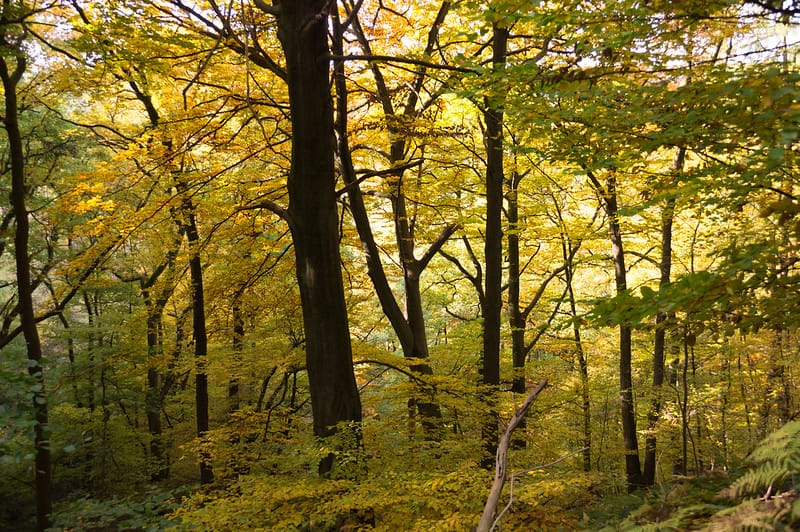
- From the Forest of Dean, this BBC piece explores the activity of ‘leaf peeping’: to view and photograph foliage in areas where leaves change colour dramatically.
Happy days
AI | If you could speak to a dodo, what would you say? Perhaps more interestingly – what would it say back? Now, visitors to the Museum of Zoology in Cambridge can (sort of) find out, thanks to a project using generative AI to enable conversations with 13 species. Alongside the dodo, these include a giant sloth fossil, a blue fin whale skeleton, brain coral, and a preserved cockroach. The project is a month-long experiment which will see visitors scan a QR code to start the conversation, with the AI replying from the animal’s simulated point of view – having been fine-tuned with scientific data selected by a team of ecology experts. Read more on the BBC.
Subscribe to our newsletter
Members receive our premium weekly digest of nature news from across Britain.
Comments
Sign in or become a Inkcap Journal member to join the conversation.
Just enter your email below to get a log in link.