Green Politics & Raptor Crime
The latest news on nature and conservation in Britain.
Welcome to Inkcap Journal, a newsletter about nature and conservation in Britain. This is the Friday digest, rounding up all the week's news, science, reports, comment and more. Sign up to receive a free one-month trial.
National news
Politics | It has been an eventful week in Scottish politics, with the Green Party and the SNP agreeing to a shared policy programme that, if approved by Green members, will thrust the party into national government for the first time anywhere in the UK. If that happens, the co-leaders, Patrick Harvie and Lorna Slater, will be given ministerial roles with responsibility for environmental and social justice policy, reports the BBC. The prospect of the Greens making it into power at last has generated a large amount of commentary. In the Guardian, Caroline Lucas writes that, while there was some element of compromise, the power sharing proposals are “unmistakably green”. RSPB Scotland cautiously welcomed the agreement, calling it “a step in the right direction as Scotland charts its course towards nature and climate restoration”. ScotLINK welcomed the commitment towards a Natural Environment Bill that would include targets for nature restoration on both land and sea. Nature commentator Mark Avery said the deal marked “real progress” on the regulation of grouse shooting. Even so, the agreement could yet fail to pass, and big questions remain around the compromises that the Greens will have to make around fossil fuels; the former Scottish Greens leader has already branded the deal a disappointment due to its “vague promises”. The outcome will be decided at a party conference on Saturday.
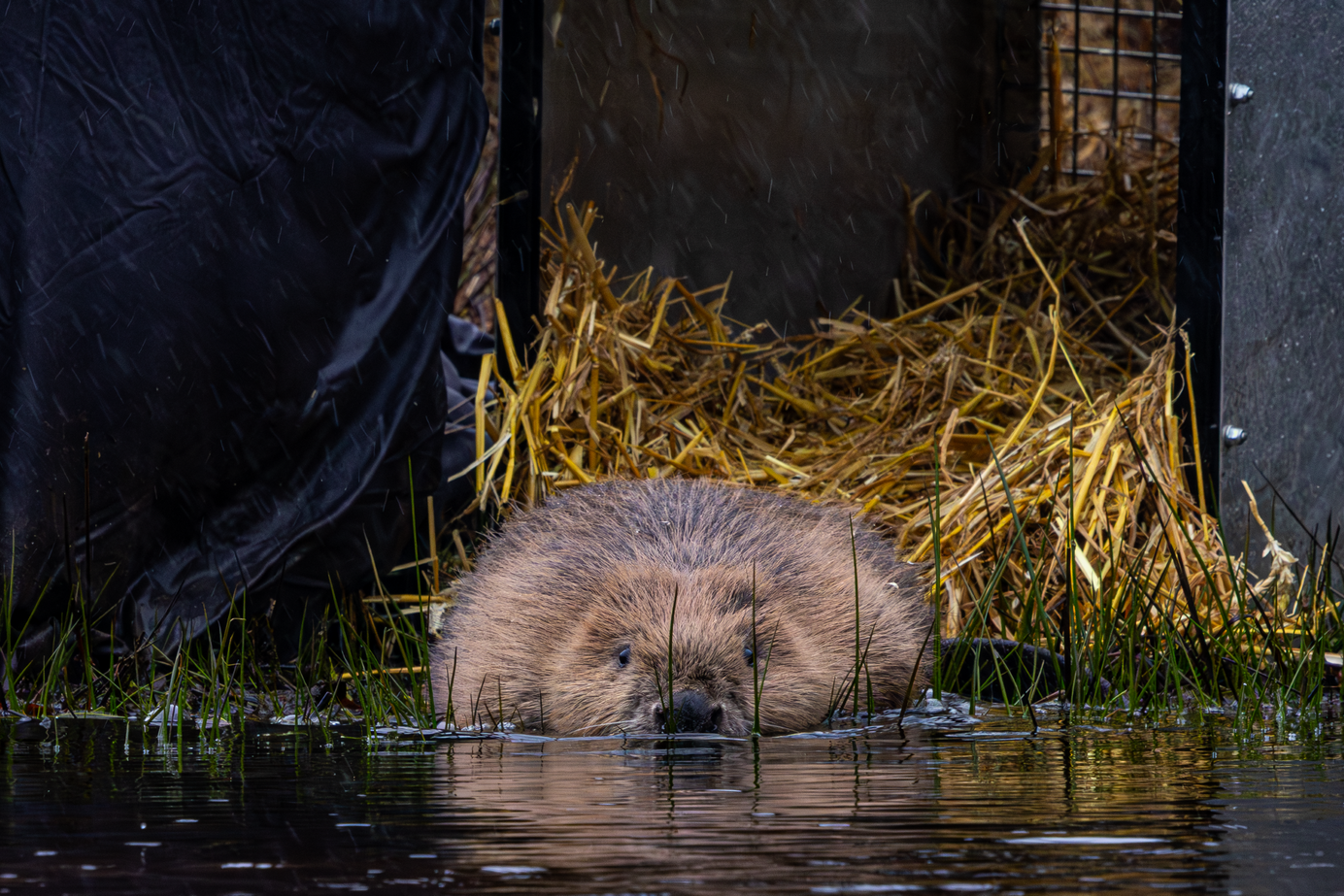
Beavers | The government has launched a consultation into the future of beavers in England; it is seeking views on potential releases both into the wild and into enclosures. This is a big step towards establishing native beaver populations across the country. The news of the consultation was widely covered, with stories in the BBC, the Guardian, the Times and the Daily Mail. Harry Barton, chief executive of the Devon Wildlife Trust, which led an early reintroduction trial on the River Otter, said that it was vitally important that beavers were returned “in a planned and sensible way”, given the potential for conflicts to arise, while also highlighting the benefits that the animals can bring to people and ecosystems. Richard Bramley of the NFU called for a full impact assessment on “a farmer’s ability to produce food” before licences are issued, and said that adequate compensation should be awarded if there was a financial impact on businesses. Natural England also released a report outlining the recent history of beaver reintroductions.
National parks | Cities in England could be granted national park status as part of the government’s response to the Glover review of protected landscapes, reports the Guardian. Currently, London has been awarded an informal national park designation, but Defra is apparently looking to extend this to other cities. The Telegraph also reported that the Chiltern Hills and the Cotswolds, which are currently AONBs, could be upgraded to national parks – although this was swiftly denied by the government. Meanwhile, campaigners in Scotland have renewed calls for a new national park to be created in Galloway, reports the Herald. Currently, just two of the UK’s 15 national parks are located north of the border.
In other news:
- Planting trees without plastic guards should be standard practice according to a UK study, reports the Guardian.
- The Nature Friendly Farming Network is urging caution on tree-planting in Wales, reports the County Times.
- The Scottish government has launched a loan scheme for farmers and crofters, reports the BBC.
- The government has allocated £4m in funding to projects that will produce biomass for green energy, including growing algae from the byproducts of whiskey.
- Two hospitals in Wales are researching whether treating patients outdoors can speed up recovery and improve mental health, reports the BBC.
- Changes to the planning system have led to a rush of applications for peatland restoration works in Scotland, reports the Strathspey Herald.
- Natural England chair Tony Juniper has praised the government’s ambition on nature in an interview with the Telegraph.
- Natural Resources Wales has said that ending pollution from old lead, zinc and copper mines will cost as much as £282m, reports the BBC.
- Eight golden eagle chicks have been moved to southern Scotland from the Highlands, reports the BBC. Here’s a video about the project.
Across the country
Lake District | The saga over the future of Dowthwaite Head farm in the Lake District has arrived at a somewhat happy conclusion. A group of local farmers, ecologists and charities – including English Pastoral author James Rebanks – had previously attempted to purchase the historic farm, but were eventually outpriced by a mystery bidder. However, a multimillionaire couple, Katherine and Martin Pinfold, then stepped in, eventually securing the land for £2.78m. “It’s not going to become a holiday village and it will have farming at its core,” said Katherine. “It will be nature friendly farming and we are working with local ecologists to develop plans for the farmland and hedgerows and tree planting.” Danny Teasdale, who was involved in the original community bid, said that the couple were “the best people that could have beaten us”. The Times has the story.
Southampton | The intricacies of meadow management have been causing trouble in Southampton, reports the Daily Echo, after residents complained that the flowers were being cut just two months after they were being promoted. The deputy leader of the council said that they had “put an immediate stop to it and are urgently investigating the matter” – only for council officials to later row back, saying that the mowing was intended to maintain the habitat. In fact, as Plantlife pointed out this week, late-August is the traditional time to mow meadows, as the disturbance encourages the annual cycle of wildflower growth. We explored some of these complexities – and how councils are dealing with them – in our recent investigation.
Gloucestershire | The Environment Agency fears that a plague could be spreading among Britain's native crayfish – the white-clawed crayfish – in Gloucestershire after some of the creatures were found dead in two brooks, reports the BBC. The disease was brought to the UK by another invasive species, the American signal crayfish, killing off the native animal to such an extent that it is now considered endangered. Separately, researchers – including Jack Greenhalgh and the Norfolk Rivers Trust – are mapping the presence of both species across rivers in Norfolk, using DNA traces found in water samples from 50 sites to track their movements. The Eastern Daily Press has the story.
Elsewhere:
- Brighton Council has come under fire from residents for allowing too many weeds to grow along pavements, reports the Times. (Excitingly, this article references Inkcap Journal’s reporting on council rewilding.)
- The Environment Agency has created a pollinator corridor along the River Great Ouse.
- Wildflower seeds are being collected at the Eden Project, reports In Your Area.
- Five eagles have been found dead in the Western Isles, reports the BBC.
- More than 1,000 people have opposed plans for a road that would cut through Mandale Meadow in Middlesbrough, report the BBC and Teesside Live.
- Bitterns have bred in Sefton, on former arable farmland, for the first time in two centuries, according to the local Wildlife Trust.
- Save Newcastle Wildlife has objected to the volume of plastic grass that has been installed throughout the city, reports the Chronicle.
- Environment Agency data has revealed that a popular swimming spot on the River Wharfe contains extremely high levels of E. Coli, reports the Yorkshire Post.
- Several dead birds and hedgehogs have been found dumped on a grass verge in Kent, reports the BBC.
Reports
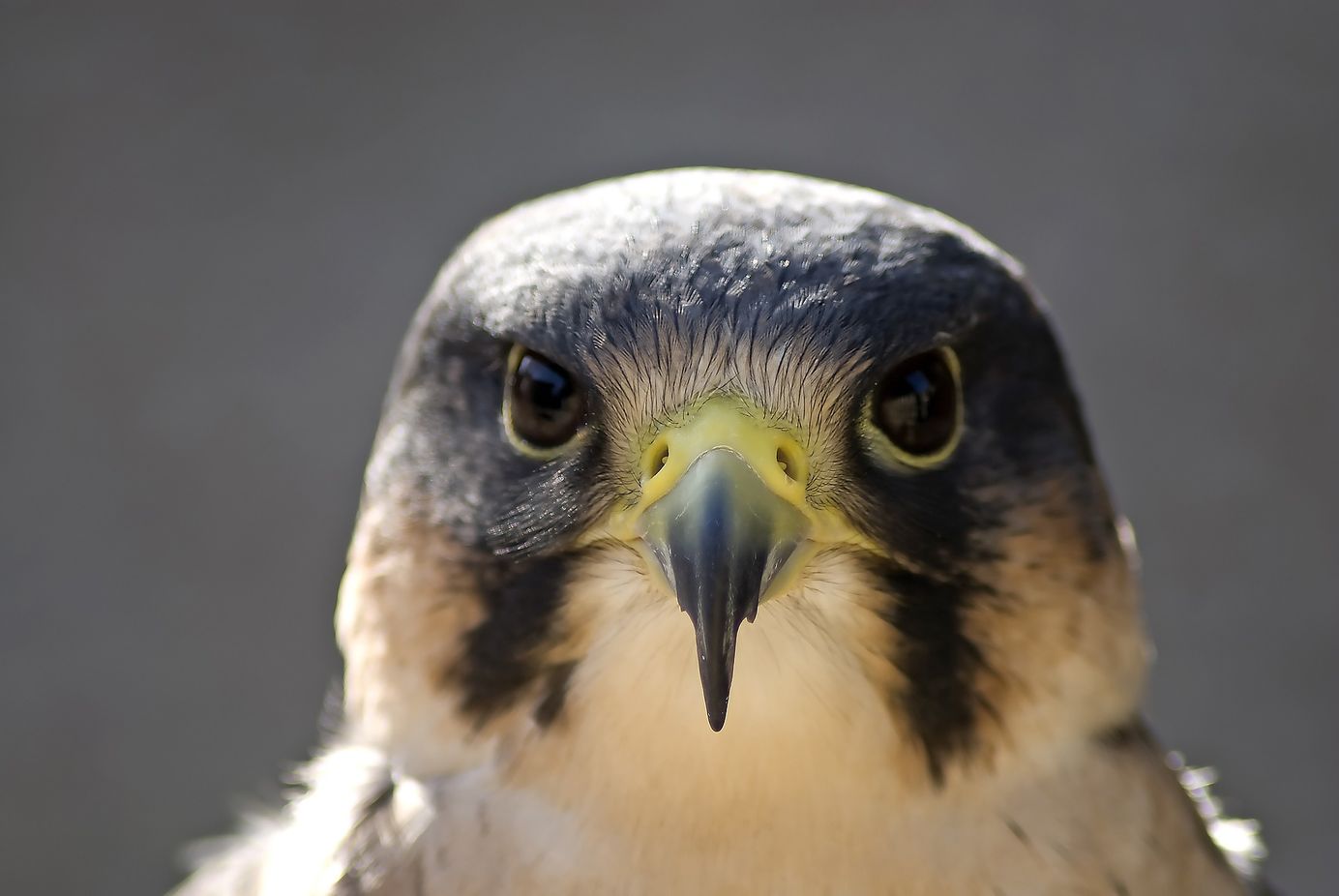
Raptors | A report on crimes against birds of prey in Wales contains both good and bad news. The research, written by RSPB Cymru, documented three decades of raptor-related crime from 1990 to 2019. It found that the theft of eggs and chicks – once popular collectors’ items – had almost entirely ceased. Less positively, it found an uptick in incidents of raptor persecution, including shooting, trapping and poisoning, over the past decade. The real numbers could be much higher, as confirmed cases may only represent the tip of the iceberg. The research also found that the probability of persecution was three times higher in areas where driven shooting of gamebirds was available – a relationship that was “stronger than we expected”, according to the RSPB’s Julian Hughes. The BBC covered the story.
Land reform | Two reports addressing the future of the Scottish landscape were released this week. The Scottish Ecological Design Association published A New Vision for Land Use in Scotland, based upon six conversations that it has convened over the past months. The report touches upon themes including energy, soil and the rural economy, and concludes with eight recommendations for the Scottish government. The findings were covered by Insider and the Press and Journal. Separately, Community Land Scotland released a briefing paper for MSPs on land reform, which points out that concentrated land ownership will prevent communities from realising the benefits of the transition to net-zero.
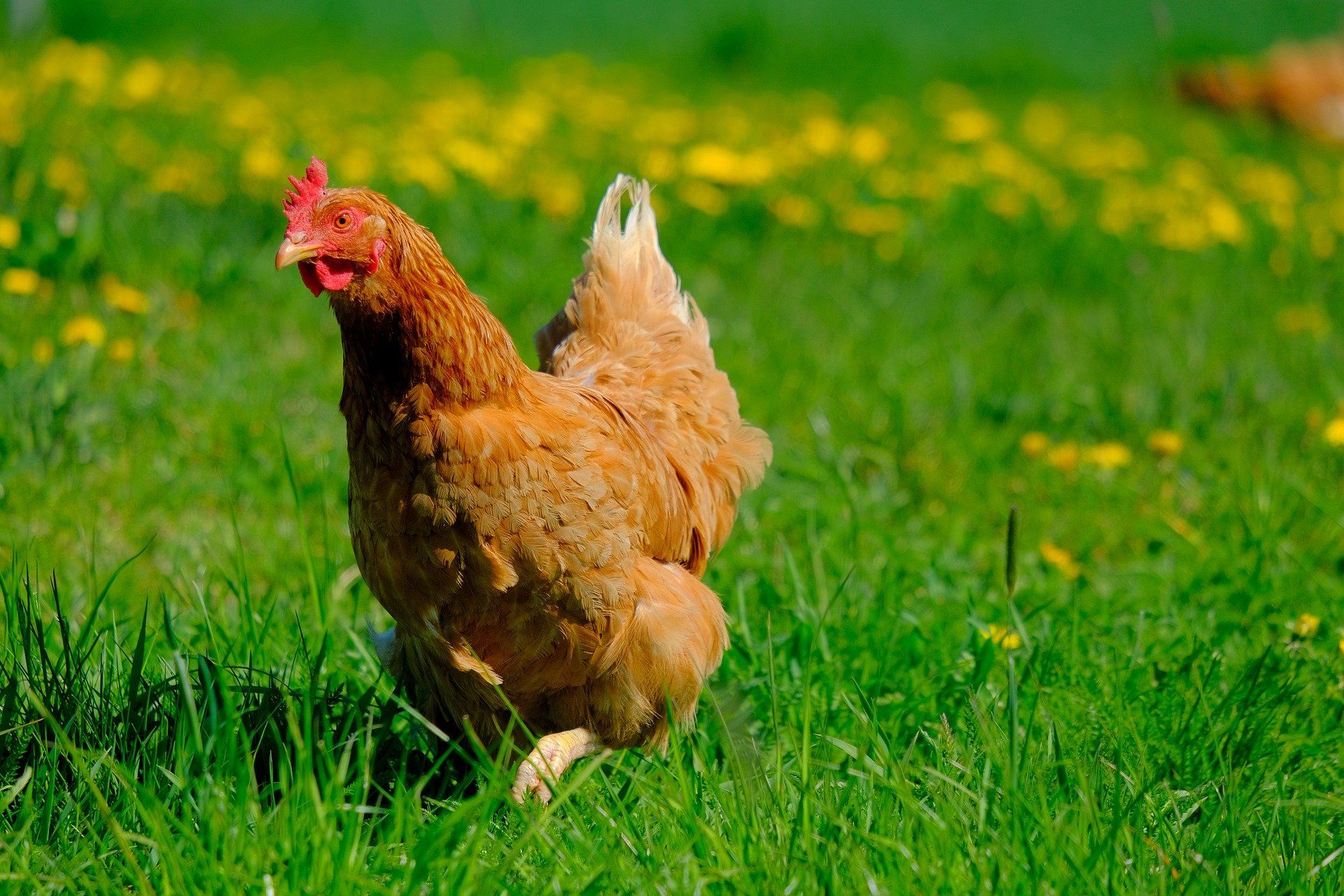
Chicken | The Soil Association has released a briefing calling on the government to commit to peak poultry consumption within a year, and to place an immediate moratorium on the construction of new intensive poultry units. Overall, it says that consumers must move towards “less and better chicken”, pointing out that raising and feeding chickens causes environmental damage both domestically and abroad, and asks for farmers to be supported in the transition to agroecological or organic farming systems. BusinessGreen covered the story.
Science
Connectivity | As temperatures rise, species will adapt by migrating into cooler northern areas of the UK – but the corridors of land that will take them there are not being adequately protected, according to a study published in Proceedings of the Royal Society B. In fact, connecting areas were more underrepresented than the researchers had expected, given the extent of the protected areas. The positive takeaway is that just a 10% increase in protected land could increase connectivity by 41%, helping to reduce vulnerability to climate change. The study was conducted by researchers from the University of Liverpool, Natural England and the UK Centre for Ecology and Hydrology.
Agriculture | Researchers in Switzerland have analysed the agronomic, economic and ecological performances of the different systems of arable farming used in Europe: organic, conservation (focusing on minimum mechanical soil disturbance, for instance) and conventional. They found that organic and conservation agriculture was better for biodiversity, soil and water quality and climate mitigation – but that conventional cropping delivered the highest yields. However, organic production was better economically thanks to higher product prices and additional support payments. The study was published in Science Advances.
Insects | A shift towards LED streetlights is decimating moth numbers in England, according to a study in Science Advances. The bright white light emitted by these modern installations are more damaging to insects than the orange glow of older streetlights. The study’s author, Douglas Boyes, describes the results in an article for the Conversation. “Lighting reduced the numbers of caterpillars by between one half and one third,” he writes. “Lit areas almost universally had lower numbers than their darker counterparts. Sites with white LEDs also had a steeper reduction in numbers compared to sites with sodium lamps.” The findings were covered by the BBC and the Guardian.
Driftwood
Health | Green World, the Green Party’s magazine, has a feature about the ongoing attempts to prevent the construction of a new cancer facility in Cardiff. The centre will be built on the 23-acre Northern Meadows, which provides vital green space for locals, many of whom live in flats with no gardens. While the protection of nature is an important part of the campaign, it’s not the whole story: doctors are also campaigning against the facility on the grounds that it’s located too far away from trauma and surgical provisions, which may be unsafe for patients undergoing treatment.
Rewilding | There are a couple of features this week on the Northwoods Rewilding Network – a relatively new initiative from Scotland: The Big Picture, which seeks to help smaller landowners rewild and restore their land, applying the principles across different scales and settings. You can read more in the Scotsman and the Daily Record. Meanwhile, Insider has published a special report on the economic issues around rewilding, focusing on whether it can genuinely create opportunities for people in the Highlands, particularly in light of Scotland’s concentrated patterns of land ownership. Robert Shrimsley, the UK editor-at-large of the Financial Times, has also delved into the rewilding debate this week. He’s rather dismissive of the whole thing. “Packs of wolves and bears? Seriously? It’s scary enough in parts of the country now. North of the border is overrun by ferocious Scottish Nationalists,” he writes. “As for lynx, well they might not kill me, but they would seriously inconvenience a sheep.”
Offsetting | The Telegraph has a feature on the growing business of biodiversity offsetting – essentially allowing developers to pay for biodiversity improvements elsewhere to compensate for any damage caused onsite. In the words of one early adopter estate, it means “economic activity can occur and the environment can continue to flourish”. According to landowners, farmers and brokers, the market for biodiversity offsets is an excellent way to bring in investment – but not all environmentalists are convinced. Friends of the Earth says that offsetting “gives the impression that nature can be in constant flux and can be dug and moved at the whim of developers”.
Further reading:
- The Landworkers’ Alliance has released its response to the National Food Strategy.
- The Guardian has a feature on a project to restore the dynamic and shifting nature of sand dunes.
- The Senedd has released a research briefing on biodiversity, outlining Welsh policy alongside the government’s current positions and future plans.
- New research looks at how London’s golf courses could ease the housing crisis, and briefly addresses biodiversity, too. The Guardian has covered the findings.
- Penguin Classics has launched a “new canon” of environmental literature, reports the Guardian.
- Countryfile has announced the winner of its New Nature Writer of the Year competition. Spoiler: it’s Caro Fentiman from Northumberland.
- Steve Waters explains why he’s written a play to be performed at nature reserves in the Guardian.
- The RSPB has a blog about successful hen harrier breeding at their Geltsdale reserve and the role of diversionary feeding – that is, providing a supplementary food source close to the nest.
Happy days
Photography | Countryfile is celebrating 30 years of its calendar, and has published some of its favourite photos to date. Personally, I’d liked to have seen every photo going back three decades to see how they’ve changed. Instead, they’ve just published a small selection of mostly recent images, but they are still quite pleasing to browse.
Subscribe to our newsletter
Members receive our premium weekly digest of nature news from across Britain.
Comments
Sign in or become a Inkcap Journal member to join the conversation.
Just enter your email below to get a log in link.