King's Speech & Rainforest Recovery
The latest news on nature and conservation in Britain.
National news
King’s Speech | On Wednesday, the King delivered the longest speech at a State Opening of Parliament in more than 20 years. Written by ministers, the speech did not focus on the green aspects of Labour’s legislative programme, but the environment is central to at least nine bills that will have ‘far-reaching effects’, according to the Guardian. These include the Great British Energy and crown estate bill, which will both help the green energy push. The water bill will see a crackdown on industry practices, including personal criminal liability for bosses and increased powers for the regulator to ban bonus payments if environmental standards are not met. The planning and infrastructure bill will allow some development to take place on green belt land. In response, the charity CPRE has called on the government to deliver on its commitment for a brownfield-first approach. Meanwhile, Craig Bennett of the Wildlife Trusts said that ‘getting Britain building’ must also mean creating wetlands and wildflower meadows, and providing people with better access to nature. Nature only received a small reference in the speech, however, with a promise to ‘use development to fund nature recovery’, mainly through the biodiversity net gain mechanism. The Guardian and the Independent reported the news.
Solar | Energy secretary Ed Miliband has approved three giant solar farms in the east of England that were previously blocked by Conservative ministers. The move is part of the Labour government’s plans to boost solar power across the country, which will also see millions of homes fitted with solar panels. The energy delivered by the three farm sites will equate to around two-thirds of the energy installed on rooftops and the ground during the whole of last year, reports the Guardian. The plans have been welcomed by energy experts, while also causing local outcries. Objections largely revolve around protecting agricultural land and food security, as well as the quality of life for rural residents. The countryside charity CPRE said Labour’s decision ‘smacks more of a dictatorship than a democracy’ and is calling for a judicial review to overturn the decision. ITV, the BBC and ENDS covered the news. Meanwhile, a comment piece in the Telegraph argues that the decision is just the start of Miliband’s ‘green energy madness’.
Crime | Conservationists have voiced concerns after the Metropolitan Police axed its long-standing and well-respected Wildlife Crime Unit. The team played a key role in enforcing local wildlife laws, as well as tackling the smuggling of illegal animal parts and plants through Heathrow Airport. In London, it covered everything from the destruction of protected bat breeding sites to poisoned foxes and illegally felled trees. Although a National Wildlife Crime Unit still exists, it only has an advisory role and, unlike the WCU, is unable to prosecute directly. The Naturewatch Foundation said it was ‘short-sighted’ and ‘shameful’ to abolish the unit. Campaigner Chris Packham has also spoken out against the decision, saying: ‘I’d be happier if [the police] stopped harassing Just Stop Oil and devoted a proportionate amount of time to tackling the abuse of wildlife.’ The Times reported the news.
In other news:
- Three-quarters of Scots support legal targets to improve nature, according to polling by Scotlink as it campaigns for the introduction of the Natural Environment Bill. The Herald reported the news.
- Farmers are facing a financial ‘cliff edge’ as Labour is yet to commit to maintaining the agricultural budget for England, according to the president of the NFU. The Guardian reported the news.
- The water regulator Ofwat has expanded its investigation to include all 11 water and wastewater companies in England and Wales as they come under scrutiny for sewage spills, reports the BBC and the Times.
- A new safety limit on a pesticide harmful to marine life has been delayed by four years following pressure from the salmon farming industry, reports the Ferret.
- BrewDog has abandoned its pledge to be a ‘carbon-negative’ company, saying the carbon credit market was economically unsustainable, reports the Times.
Across the country
Galloway | Inspired by successful US studies, the Galloway Fisheries Trust is planning to dump tonnes of scallop shells into a Galloway river to help save its wild salmon. Rising levels of acidity in the river – caused by excess atmospheric CO2, large conifer plantations and degraded peatlands – are threatening the Atlantic salmon population, and the rich calcium found in shells helps neutralise the acid and restore pH balance in the water. Around 700 tonnes of waste shells will be deposited into the River Bladnoch, while another 490 tonnes will be crushed and spread on forestry roads and tracks to act as a buffer against ‘acid flushes’ during floods. The Times covered the story.
Pembrokeshire | The Wildlife Trust of South and West Wales has announced plans to begin restoring Atlantic rainforest across a 146-acre area of open overgrazed land in Pembrokeshire. The project will take place at Trellwyn Fach, a 146-acre area connected to the Gwaun Valley woodland, a remnant Celtic rainforest, in the south and open moorland on Dinas mountain in the north. The Trust said that there is ‘little diversity on the majority of the land’ and that the potential to improve habitats for wildlife is therefore ‘high’. It plans to introduce low-intensity grazing in some areas, while two-thirds of the site will become broadleaved woodland through planting and natural regeneration. Sarah Kessell of the Trust said the site was ideally situated, ‘giving us the opportunity to buffer and extend this amazing habitat as well as improving access for the local community.’
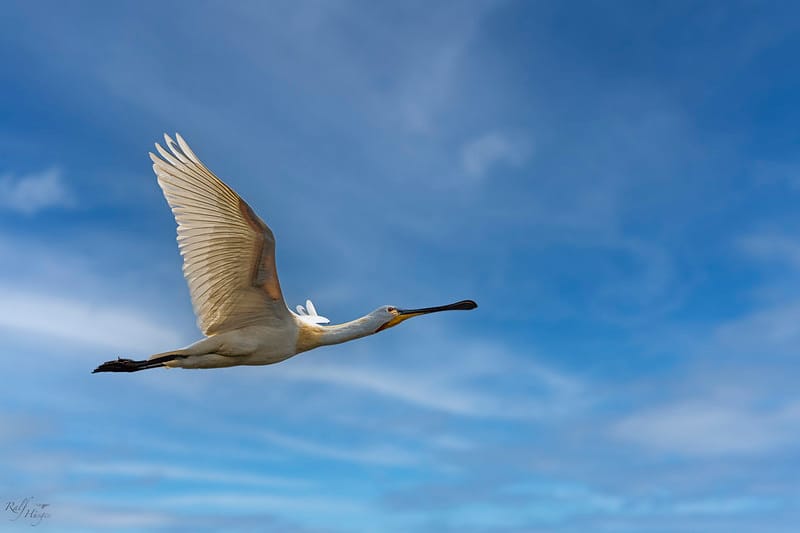
Cambridgeshire | For the first time since the 17th century, spoonbills have nested in Cambridgeshire at the RSPB Ouse Washes. The new colony established itself during a successful year of breeding for the species, which was driven to extinction in the UK in the mid-1600s and did not reestablish until 2010. Now, they are breeding at multiple RSPB reserves across the UK. Other breeding sites include Havergate Island in Suffolk and Fairburn Ings in West Yorkshire, where nine chicks – nicknamed ‘teaspoons’ – have already fledged. Jonathan Taylor, a site manager in Cambridgeshire, said it was ‘fantastic that this iconic and highly adapted heron species has returned’ to the Washes, which are the ‘perfect habitat’ for spoonbills. The Independent covered the story.
Elsewhere:
- Pupils are releasing European eels into rivers across the West Country after schools were given tanks as part of a project to educate children about the species, reports the BBC.
- The European shag population on the Isle of May has dropped by over 80% after a series of winter storms, reports the Scotsman.
- The great silver water beetle has been rediscovered at a site in the Great Fen in Cambridgeshire, 86 years after it was last seen in the area, reports the BBC.
- The London Wildlife Trust has launched a count of stag beetles, with the capital being a ‘hotspot’ for the species.
- A planning decision to allow oil drilling in a Lincolnshire AONB has been quashed following the Supreme Court ruling which stopped a similar plan in Surrey, reports ENDS.
- A former quarry in Shipley has been transformed into a habitat for nature, complete with ponds and wetland areas, reports the BBC.
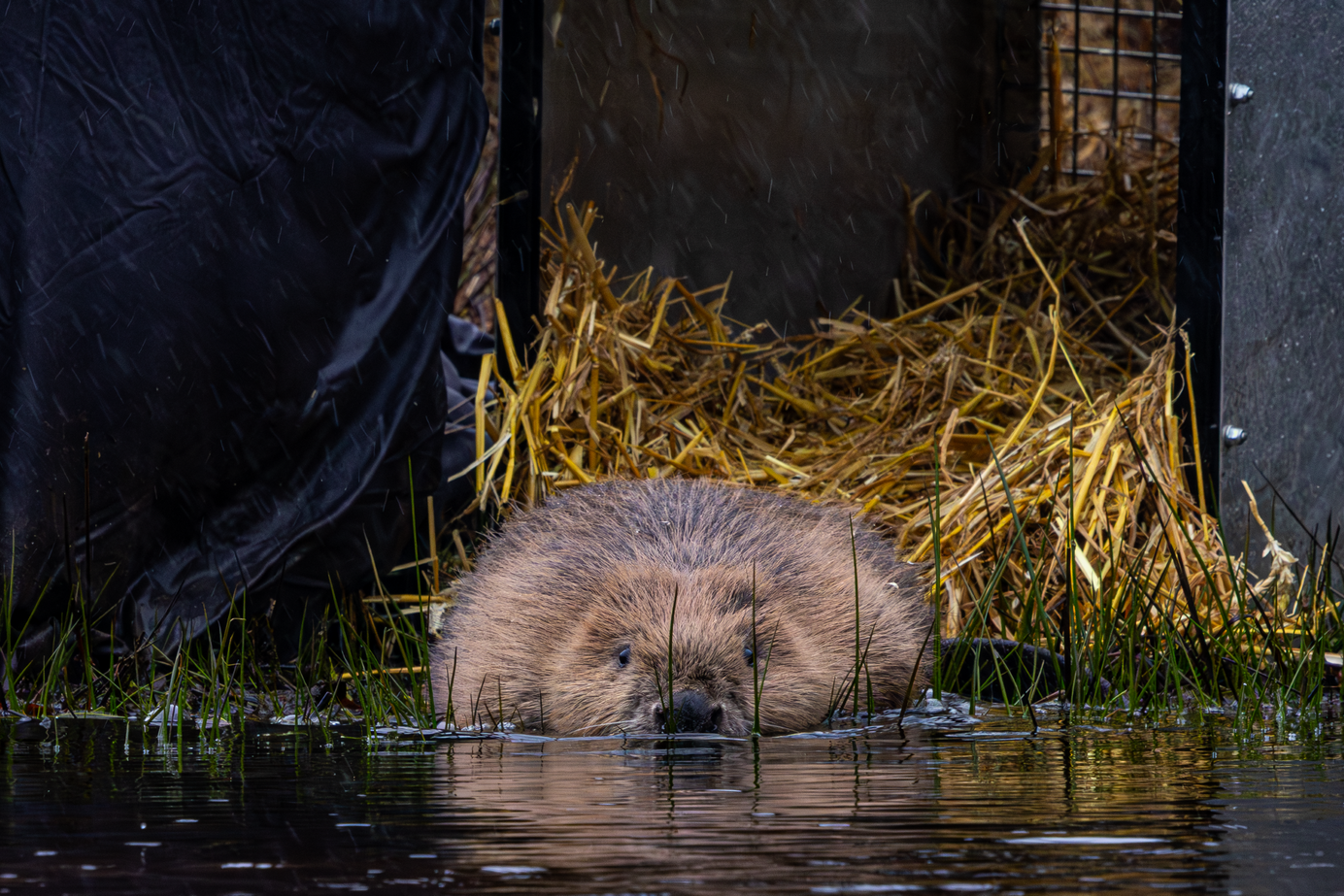
- A beaver kit has been born on a Northumberland estate for the first time in centuries, reports ITV.
- Oxfordshire County Council has granted permission to a flood alleviation scheme, which will work with a natural floodplain to create grazing meadows with wildflowers and wetland areas.
- A cider orchard in Somerset has been infested with an ‘unprecedented’ amount of ermine moths due to the weather, reports the BBC.
- The Natural History Museum in London has opened its new urban gardens: five acres which tell the story of the origins of life, reports the Guardian and the Independent.
- In Ayrshire, a herd of woolly Mangalitsa hogs are revitalising an area of woodland farm, reports the Times.
- Herefordshire Wildlife Trust has received a grant to restore Bartonsham Meadows, formerly a dairy farm, into nationally rare floodplain meadows.
- NatureScot has restricted the use of general licences of the Lochindorb Estate near the Cairngorms after evidence of crimes against birds of prey, reports the Times.
- Two of the UK’s rarest marshland birds – bitterns and marsh harriers – are making a comeback on the Gwent Levels in southeast Wales, according to Natural Resources Wales.
Reports
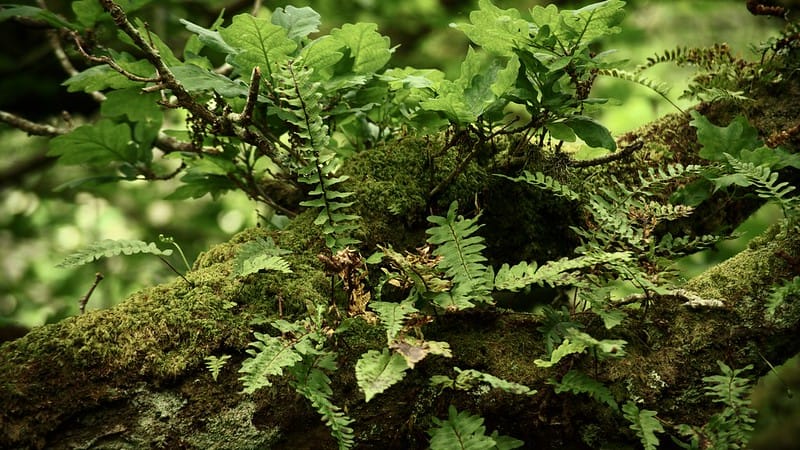
Rainforest | On Tuesday, Scotland's rural affairs secretary Mairi Gougeon announced a blueprint for the country’s rainforests. The strategy aims to improve the condition and health of Scottish rainforest while also providing benefits to communities. Actions include funding a new rainforest advisor for the Croft Woodlands project, enlisting specialist advice on lichens and bryophytes in woodland development, reducing the impacts of herbivores including deer, and extending plans to control rhododendron. Plans will initially focus on nine key areas, including Torridon, Morvern, Loch Lomond and Knoydart. Julie Stoneman, a project manager with the Alliance for Scotland’s Rainforest, welcomed the strategy: ‘Scotland’s rainforest holds an immense wealth of threatened wildlife, and it’s great to see it finally starting to receive the attention it deserves.’ Read more on the Scottish Forestry website.
Climate | Rapid progress on net zero is needed to make up for lost ground, according to a report by the Climate Change Committee. In its legally mandated annual report, the CCC highlighted that – despite the UK’s successful track record – last year saw a slowing of pace and reversal or delaying of key policies. Responding to the report, Ed Miliband claimed it laid bare the failures of the previous government, and said Labour was ‘wasting no time’ in transforming Britain into a clean energy superpower. The Independent and the BBC covered the news, while the CCC summarised its analysis in a thread on X. CarbonBrief provided its typically in-depth analysis, including key messages on agriculture and land use. Meanwhile, a report by the London Climate Resilience Review has warned that the capital must be better prepared for severe floods and heatwaves, reports the BBC and the Evening Standard.
Today’s report from @theCCCuk is a stark reminder of the small but vital window of opportunity we have to tackle the nature & climate crisis. ⏳
— RSPB (@Natures_Voice) July 18, 2024
The scale of the challenge is huge, but we know the solutions.
What is needed now is the political will & ambition to deliver them. pic.twitter.com/MC4OiE8jXZ
Grasslands | A report by Plantlife highlights how grasslands are intrinsic to Scotland’s biodiversity, history and identity – whilst also playing a role in food production and tackling climate change. The charity examines the richness of the nation’s grasslands, from machair to meadows, alongside the threats they are facing and what can be done to protect them. It urges the Scottish government to invest in a monitoring programme, recognising grasslands as a nature-based solution to climate change, and establish stronger protections for grasslands within planning policy, among other actions. Grasslands cover more than a third of Scotland’s land, and ‘could therefore be a huge national asset’ to help meet government targets on nature recovery, climate and sustainable farming, the authors conclude.
Science
Drought | It’s not just drylands that are impacted by drought. Intensifying climate change means that the UK’s rivers are suffering, too, with the effects exacerbated by water abstraction, habitat modification and water pollution. These droughts affect the volume of surface water and flow velocity, and can cause permanently flooded areas to dry out completely. This has a dramatic impact on freshwater biodiversity, causing declines in microorganisms, algae, plants, invertebrates and fish. The increasing extremity of these events mean that the rivers are taking longer to recover. ‘The risk of droughts that push ecosystems beyond thresholds to persistent, species-poor, functionally simplified states is increasing,’ the authors write. The paper, which involved researchers from the Environment Agency, was published in WIREs Water.
Hares | What impact does woodland expansion have on local biodiversity? A study in the European Journal of Wildlife Research investigated the effects on the distribution of mountain hares in the Cairngorms National Park. Using a combination of mountain hare surveys, bioclimatic and land use data, the authors predicted that targets of an additional 70 and 350km2 of new woodland – the government’s targets for 2027 and 2045 respectively – would see hares lost from almost 250 one-kilometre squares: around a 7% reduction compared to their 2015 distribution. Notably, the authors found that the reduction was largely driven by the changes in land management, such as the loss of predator control, rather than by forest expansion itself, as hares benefit from the maintenance of driven grouse moors. Elsewhere, a study in Ecosystem Services analyses the impact of woodland creation in the Cumbrian uplands.
Insects | The climate crisis is impacting the colour of insects’ bodies – and therefore their sex lives, according to a review paper in Ecology and Evolution. Broadly, as temperatures heat up, insects produce less of the melanin pigment that creates their colours, becoming lighter and brighter to reflect the heat and stay cooler for longer. However, the team found that this pattern of hotter-weather-lighter-insects does not always hold true, although it is unclear why some species respond differently. What is clear is that colour often plays a key role in attracting mates, as well as camouflaging from predators – both of which could be disrupted by climate-driven changes to colour. The Guardian covered the research.
Driftwood
Woodland | A feature in Rewilding Magazine speaks with Hedley Tomlyn, who is leading an effort to restore a Scottish conifer plantation to its original broadleaf woodland. He bought the 70-acre site in 2003, when he found it ‘dilapidated’. In this interview, he outlines his two decades of restoration work and his hopes for the future. His efforts have mostly involved reintroducing native broadleaf trees, although he is clear that he always wanted the ecosystem to be financially sustainable, with humans a part of its landscape. Businesses in Edinburgh will send staff to learn about his vision and join his work. ‘We’ll also serve venison that comes from our deer management effort, and cook everything over charcoal made from wood that’s been coppiced here for hundreds of years,’ he says. ‘That’s quite thrilling, because it’s bringing a lot of people into the forest that are normally captive in city offices.’
Wheat | In the 1920s, British plant scientist Arthur Watkins embarked on an ambitious project to collect as many samples of wheat from across the globe as he could. A century later, his persistence is bearing fruit: a UK-Chinese collaboration has sequenced the DNA of 827 types of wheat, all assembled by Watkins, and nurtured at the John Innes Centre near Norwich. The result is that scientists are able to pinpoint previously unknown genes which could help create robust varieties with improved yields to feed the Earth’s growing population. These strains include plants with improved disease resistance, with reduced need for nitrogen fertilisers, and even the ability to grow in salty water. ‘Essentially we have uncovered a goldmine,’ said Simon Griffiths, a geneticist at the John Innes Centre. ‘This is going to make an enormous difference to our ability to feed the world as it gets hotter and agriculture comes under increasing climatic strain.’ The Guardian covered the story.
Whales | Last week saw the mass stranding of 77 pilot whales on the Orkney island of Sanday: the largest ever recorded stranding of the species on British shores. This week, a handful of articles dig into the context surrounding the tragic phenomenon. The BBC explains that initial findings from tissue samples suggest the whales were healthy when they were stranded, and unlikely to be following a sick leader. Some of the whales also had fresh stomach contents, suggesting they were feeding nearby. The Times questions whether naval activity or offshore wind farm surveys could have played a part, while the Guardian takes a look at the detective-like process of how whale experts will now study postmortem clues, including evidence of a stress response to loud noise preserved deep inside the whale’s skull. This could take over a year, however, and experts from the Scottish Marine Animal Stranding Scheme say the events are usually caused by a combination of factors.
Further reading:
- A collection of five prints from the trunk of the felled Sycamore Gap tree are now on public display. The BBC and Northern Echo have the details.
- Chair of Natural England, Tony Juniper, writes in the Guardian about the lack of insects – particularly butterflies – this summer.
- Dr Ruth Tingay, author of the Raptor Persecution UK blog, explains in the Scotsman why the new licensing law means that grouse moors will have to stop killing golden eagles.
- The Guardian has a selection of winning images from the BigPicture photography competition, including a dramatic shot of gannets diving off Shetland.
- A feature in the Scotsman introduces Dr Gino Jabbar, a ‘honey sommelier’ who keeps around two million bees around Edinburgh.
- Carbon Brief has a Q&A article examining how ‘debt-for nature swaps’ can help tackle biodiversity loss and climate change.
- An article in the Conversation questions how Europe can confront the spread of invasive species in the face of their impacts on society and economy.
- In the Sussex Byline Times, Ross McNally writes on whether an English ‘right to roam’ could be compatible with the recovery of biodiversity.
Happy days
Swans | If you are around the Thames this week, you may spot a peculiar sight: a flotilla of rowboats, crewed by men dressed in bright red tunics and feathered caps, grabbing hold of young swans. This is ‘swan upping’, an annual royal census of swans on the Thames. Taking place over five days, the medieval tradition cum conservation project involves weighing and measuring the swans before releasing them. Last year’s search revealed the ‘disastrous’ impact of avian flu on the population, but David Barber, the King’s swan marker, has told the BBC that there have been ‘far fewer’ cases reported this year, and he is optimistic that numbers are recovering. He added that the event is ‘unique’, and hopes the attention will help improve protection for swans.
Subscribe to our newsletter
Members receive our premium weekly digest of nature news from across Britain.
Comments
Sign in or become a Inkcap Journal member to join the conversation.
Just enter your email below to get a log in link.