Labour's "War on Nature" & Ancient Woodland
The latest news on nature and conservation in Britain.
National news
Planning | Chancellor Rachel Reeves wants to scale back environmental protections even further to boost infrastructure development, according to a report in the Times. The Treasury is preparing another planning reform bill, which may roll back European legislation. One rumour is the creation of a smaller, UK-only list of protected species, reducing protections for creatures that are common in Britain but rare elsewhere. The rhetoric of ‘bats and newts’ is again being used to justify the move; the relevant charities immediately condemned the plans. The Freshwater Habitats Trust called for an end to the ‘scapegoating’ of ‘threatened habitats and species’ while the Bat Conservation Trust said that there was ‘no evidence’ that wildlife protections were responsible for planning delays. Columnist Alice Thomson wrote in the Times that Labour appears to have ‘gone to war against nature and beauty’. Meanwhile, the Guardian reported that Labour is using Brexit to weaken environmental standards, including planning and water policy, air pollution and recycling.
Regulation | The government has announced a new approach to environmental regulation, aimed at ending the ‘merry-go-round’ of overlapping authorities faced by developers. Instead of consulting separately with Natural England, the Environment Agency and the Marine Management Organisation, major projects will now deal with one body, appointed as the Lead Environmental Regulator. This streamlined approach was among the recommendations of the Corry Review (read more about that here), and is designed to avoid the kind of excess spending for which the HS2 bat tunnel became notorious. The Lower Thames Crossing will be the first project to put this approach to the test, with Natural England taking the lead. Richard Benwell, of Wildlife and Countryside Link, said that the reform could be a ‘step forward if it ensures environmental duties are met from the very start,’ but there was still a risk that nature would be treated as an ‘afterthought’. The BBC and the Times covered the news.
Wildlife | It has been a week of winners and losers, as far as wildlife is concerned. Wasps are booming this year, reports the Guardian, arriving earlier than expected and in high numbers, thanks to warm and dry conditions. UCL wasp expert Professor Seirian Sumner suggests setting aside a ‘sacrificial morsel’ to keep them away from your ice cream. The Guardian, meanwhile, looked at booming populations of gulls – the so-called ‘seagull menace’ – in Scarborough, while the BBC asked whether the birds still deserved to be protected under Jersey law. The urban success of gulls, however, is disguising a wider decline in their populations. Butterflies, too, are doing badly: official figures released this week revealed that abundance has declined by 18% across the UK since the 1970s. The Independent and the Telegraph covered the news.
In other news:
- The government has warned bird keepers and gamebird rearers about the growing risk of bird flu.
- The hot summer means that migratory birds are arriving in Britain weeks too soon, reports the BBC.
- Smuggled Russian timber is being used to construct British homes, fuelling the war in Ukraine, reports the Times.
- An as-yet-unpublished report by Forestry England suggests that England has sufficient habitat to support a population of golden eagles, reports the Guardian.
Across the country
Hebrides | Animal rights charity PETA has demanded that the Harris Tweed Authority ditch sheep wool and replace it with hemp, rebranding as ‘Harris Weed’ in the process. This is because the wool industry harms sheep, writes vice president Yvonne Taylor in a letter to CEO Calum Iain Maciver, while sheep grazing in turn is driving habitat degradation and biodiversity loss. Hemp, she adds, is a low-carbon and ethical alternative. But the switch doesn’t seem likely to happen any time soon: as Scottish Field reports, under the 1993 Harris Tweed Act, the fabric must be ‘handwoven by the islanders at their homes’ and made from ‘pure virgin wool dyed and spun in the Outer Hebrides’. In any case, Maciver has already said no.
 Chris Baraniuk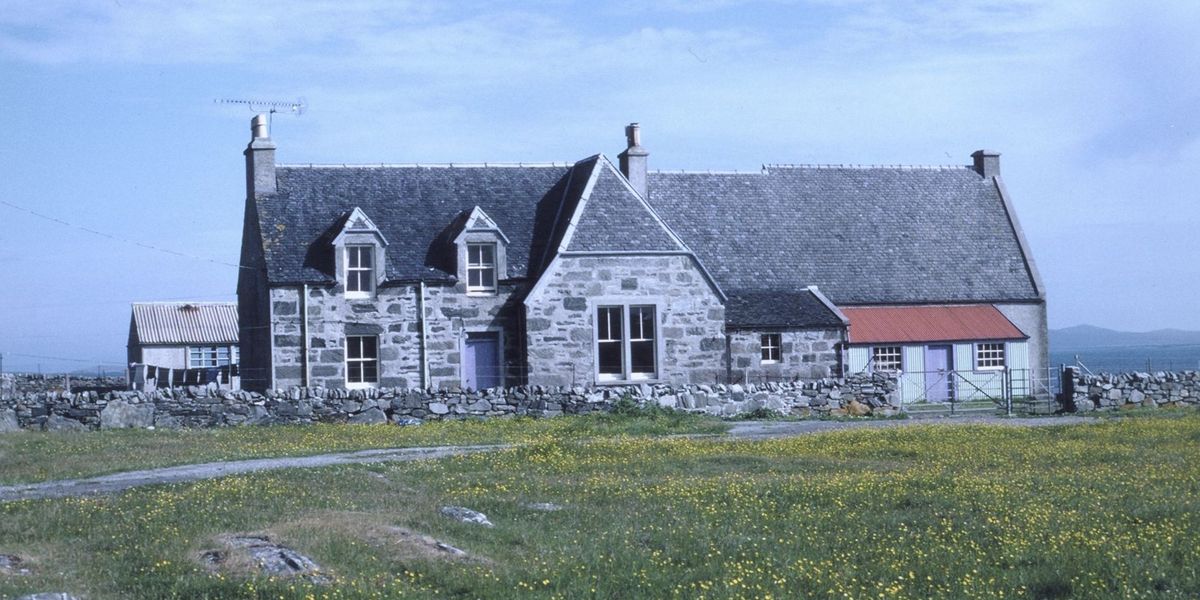
Anglesey | Great White Egrets have bred in Wales for the first time, with four chicks fledging from two nests at the RSPB reserve Cors Ddyga on Anglesey (Ynys Môn). Egrets bred for the first time in the UK in Somerset in 2009, with numbers increasing steadily throughout wetland sites since then. The species is currently on the Amber List in Wales. Staff at the reserve put the success down to improved legal protections, climate change, and more prey availability – but also to the creation and restoration of wetlands at the reserve. The improved habitat was intended for Red Listed bitterns, but ‘has benefitted the egrets at a large-scale, which ensured they could nest successfully without human disturbance,’ said Julian Hughes, head of species for RSPB Cymru. North Wales Live covered the news.
Cotswolds | The impacts of the summer’s fourth heatwave and associated drought continue to echo through the natural world, impacting both people and wildlife – including penguins. In Wiltshire, a stretch of the River Thames has dried up just seven miles from its source, thanks to months of below-average rainfall. ‘We have lost all the fish and there is no other wildlife in there,’ said one resident, whose home overlooks the water. Over the border in Gloucestershire, the fire service had to step in when the penguin enclosure at Birdland dried up in the hot weather. Elsewhere, in Darlington, hundreds of trees planted by the council have died because they were not watered enough during the heatwave, leading to political backlash. The BBC spoke to a Christmas tree farmer in Malvern, who has resorted to spraying his crop at night to ensure they are healthy enough to retain their needles into the festive season.
Elsewhere:
- In Hastings, a group of volunteers have launched a project to return kelp forests off the Sussex coast, reports the BBC.
- In the Cotswolds, residents have locked horns with the church after it demanded they cut down the 250-year-old sycamore in their garden, reports the Times.
- Persimmon Homes has secured approval to remove 120 metres of hedgerow at a nature reserve in Somerset, reports the BBC.
- HS2 has realigned the River Cole in Warwickshire – something it says will enhance riverine habitats and bankside biodiversity, reports the Express and Star.
- The Large Marsh Grasshopper has returned to the Broads after an absence of 86 years, reports the BBC.
- Swimmers have been warned to stay away from a beach in Llandudno after harmful bacteria was found in the water, reports the BBC.
- The recent fire in the North York Moors will have been ‘catastrophic’ for wildlife, reports the York Press.
- The charity WildFish has warned that the River Avon – a chalkstream – has suffered a ‘decade of decline’, reports ITV.
- Salmon are breeding in the River Don for the first time in 200 years, reports the BBC.
- King Charles’ meadow at Highgrove was cut back last weekend by members of the Scythe Association of Britain & Ireland, reports Gloucestershire Live.
- Residents across Inverclyde are being encouraged to contribute towards a community map of fruit trees, reports the Greenock Telegraph.
- New analysis, based on samples collected by volunteers, has revealed high levels of phosphorus in Windermere, reports the Times.
- Plans to build 62 homes near a Hampshire nature reserve have been rejected, reports the Daily Echo.
Reports
Shooting | The shooting sector is key in helping the UK reach its nature recovery targets, contributing more than £1.1 billion every year in natural capital benefits, including carbon sequestration, wetland management and the control of invasive species. These contributions cost less to the taxpayer than the alternatives, while also supporting rural livelihoods and cultural heritage. That is the conclusion of a report by the British Association for Shooting and Conservation (BASC), the largest shooting organisation in the UK. The report includes proposals to expand on these contributions, including stronger collaboration between shooters, the government and conservation bodies, and closer integration with environmental land management schemes.
Songbirds | More than half of the UK’s 84 breeding songbirds are either threatened or in decline, with willow tits having suffered the steepest reductions in the last 25 years, according to a report by the charity Songbird Survival. The document collates the causes of these declines, and is based upon a review of the scientific evidence conducted by Professor Paul Dolman and Dr Alex Lees. Pressures include climate change, garden bird feeding, pollution, predation and insect declines. Songbird Survival has commissioned four new research projects off the back of this review, aiming to fill some of the remaining knowledge gaps, including projects on the impacts of disturbance on woodland birds and whether veterinary drugs harm nesting tits.
Food | A briefing from The Food Foundation looks at the risks that food production poses to biodiversity, and how loss of biodiversity also hampers food production. The report is aimed at food businesses and investors – it is supported by the Investor Coalition on Food Policy, which represents $8.13 trillion in assets – and takes a financial perspective on the problem. It points out that the cost of failing to address biodiversity loss now exceeds the cost of taking action. Dietary change is one solution, the report suggests, but companies must also take a stronger stance on biodiversity, including board-level expertise on the topic. Another suggestion is to link executive pay to performance on nature-based targets. FoodBev Media covered the news.
Science
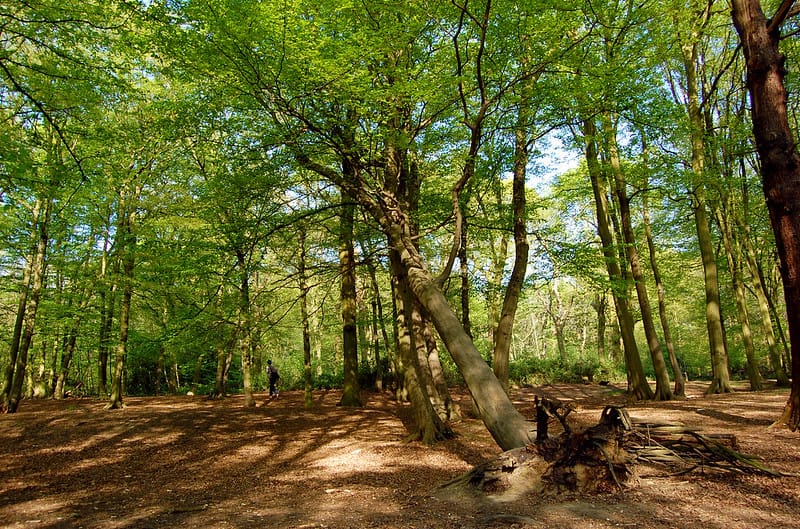
Woodland | Ancient woodland may be protected, but it is not immune to the impacts of urbanisation. Some 8% of woodland patches are adjacent to or surrounded by urban land, and that is affecting their flora, according to a paper in Ecological Solutions and Evidence. Researchers at the Open University looked at the present-day ecology of three woodlands – in London, Warwickshire and Milton Keynes – and compared it to historical records. They found that the urban woodlands were as rich in ancient woodland indicator species as rural woodlands, but that they contained a higher number of alien species, the likely spillover from parks and gardens. Read more in a blog by lead author, Holly Claire Woo, in the Applied Ecologist.
Trees | Ash dieback is putting the UK’s net-zero plans in jeopardy due to the loss of carbon from forest soils, according to a study in Global Change Biology. To date, the disease has killed around nine million trees in British woodlands, and is predicted to kill another 100 million over the next 30 years. The loss of carbon from the trees themselves has already been noted; however, this study marks the first attempt to measure the loss of underground carbon sequestration. The scientists estimated that, over five years, dieback caused almost six million tonnes of CO2 to be released from woodland soils – roughly equivalent to the amount of CO2 emitted by cars travelling on Scottish roads annually. Read a summary of the study by the UK Centre for Ecology & Hydrology, which led the research.
 Sarah Wild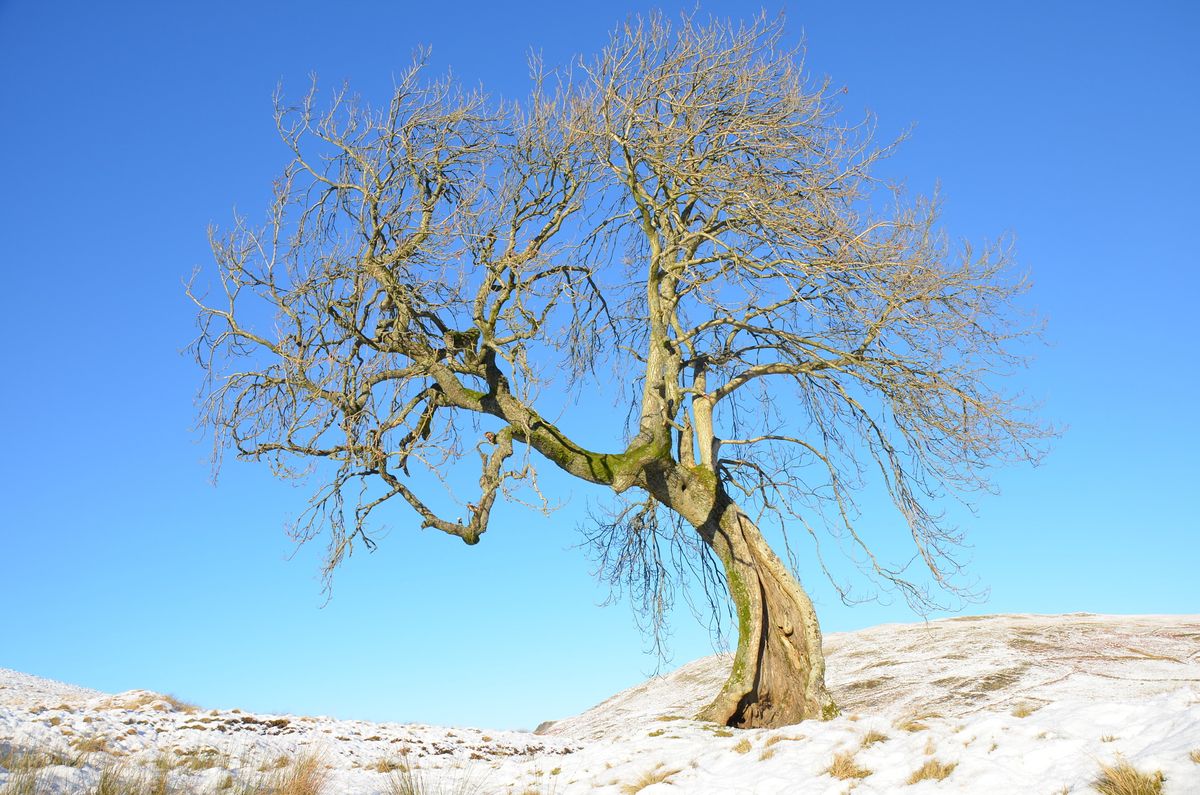
Stranding | Cetacean strandings have surged over the last 30 years, with scientists blaming a cocktail of human factors, including chemical, plastic and noise pollution, warmer oceans, declining fish stocks, and entanglement with fishing gear. The study, published in Scientific Reports, used data collected by the Scottish Marine Animal Stranding Scheme to reveal several important trends, including the species most likely to become stranded, and where the majority of strandings were taking place. The findings act as a lens onto the wider health of ocean ecosystems, the authors write, as cetaceans are ‘sensors and sentinels of ocean health’. The BBC and the Guardian covered the story.
Driftwood
Eels | As a child in the 1970s, Vanessa Becker-Hughes would catch eels in the Somerset Levels; traditional methods alone could yield as many as 200 in one night. Last summer, however, Becker-Hughes caught only one. To help return the eels to the Levels, she and other residents have founded the Somerset Eel Recovery Project. Their focus is on the water, but also on rebuilding the ‘lost connection’ between people and eels. Initiatives include monthly eel cafes, new artwork, and bringing elvers into schools and nurseries. ‘The eel is just one thing,’ said Becker-Hughes. ‘But I really believe that the eel could become a household symbol of our water – freshwater and salt water – like the honey bee is for pollination and clean air.’ The feature appeared in Positive News.
Autumn | The weather has been confusing lately. The UK’s fourth heatwave of the summer has been accompanied by all the usual signs of autumn: fallen leaves, dropping acorns, blackberries in the bushes. The BBC and the Guardian grapple with the meaning of these signs. Both articles conclude that, rather than autumn coming early, nature has become stressed by the lack of water, and is responding accordingly. Such unpredictability can be disastrous for wildlife, whose lifecycles are tied to the availability of food, including insects and berries. Farmers have also been impacted by ongoing drought. ‘We know it's a real risk we'll lose huge chunks of nature due to climate impacts,’ said Kathryn Brown, director of climate change and evidence at the Wildlife Trusts.
Fire | A government consultation to extend a ban on moorland burning – a practice widely used by gamekeepers – has resulted in a sudden rash of outraged articles, with various gamekeepers and lobbyists accusing Labour of fuelling wildfires through their ‘religion of rewilding’. Pro-burners argue that prescribed burns prevent more serious wildfires by reducing fuel load; conservationists largely argue in favour of re-wetting. Andrew Gilruth of the Moorland Association was among those who spoke to the Telegraph, saying that the moorlands are becoming ‘a massive tinderbox’. In the Daily Mail, the former cricketer Lord Botham accused the RSPB of ‘fuelling intimidation’ of gamekeepers. An article in Conservative Post said Labour’s approach was like ‘asking a vegan barista to run a butcher’s shop.’ The BBC offered a more measured take from Andreas Heinemeyer, an associate professor at the University of York. He warned against ‘culture wars’ and blanket approaches to the problem: ‘Every site is different. That's ecology.’
Further reading:
- A feature in the Guardian looks at the fungal networks that underpin Britain’s rare and ancient hazelwoods.
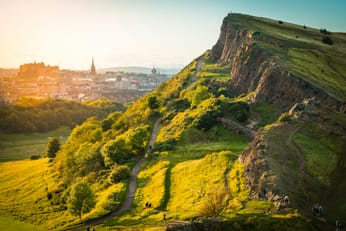
- Following the burn at Arthur’s Seat, a column in the Conversation looks at what the UK could learn from South Africa regarding fire management.
- The Times examines the pros and cons of ‘bathing water status’, as a section of the River Wharfe faces the loss of its designation.
- We need more positive climate novels, writes the author Sarah Hall in the Guardian. Her latest novel, set in Haweswater, was described as a ‘mighty epic of climate change in slow motion’.
- In the Telegraph, Patrick Galbraith dismisses rewilding as unnatural, instead arguing for measures including hedgerow planting and moorland grazing.
- Climate change means more octopus in British oceans – and they are increasingly appearing on the menu, reports the Times.
Happy days
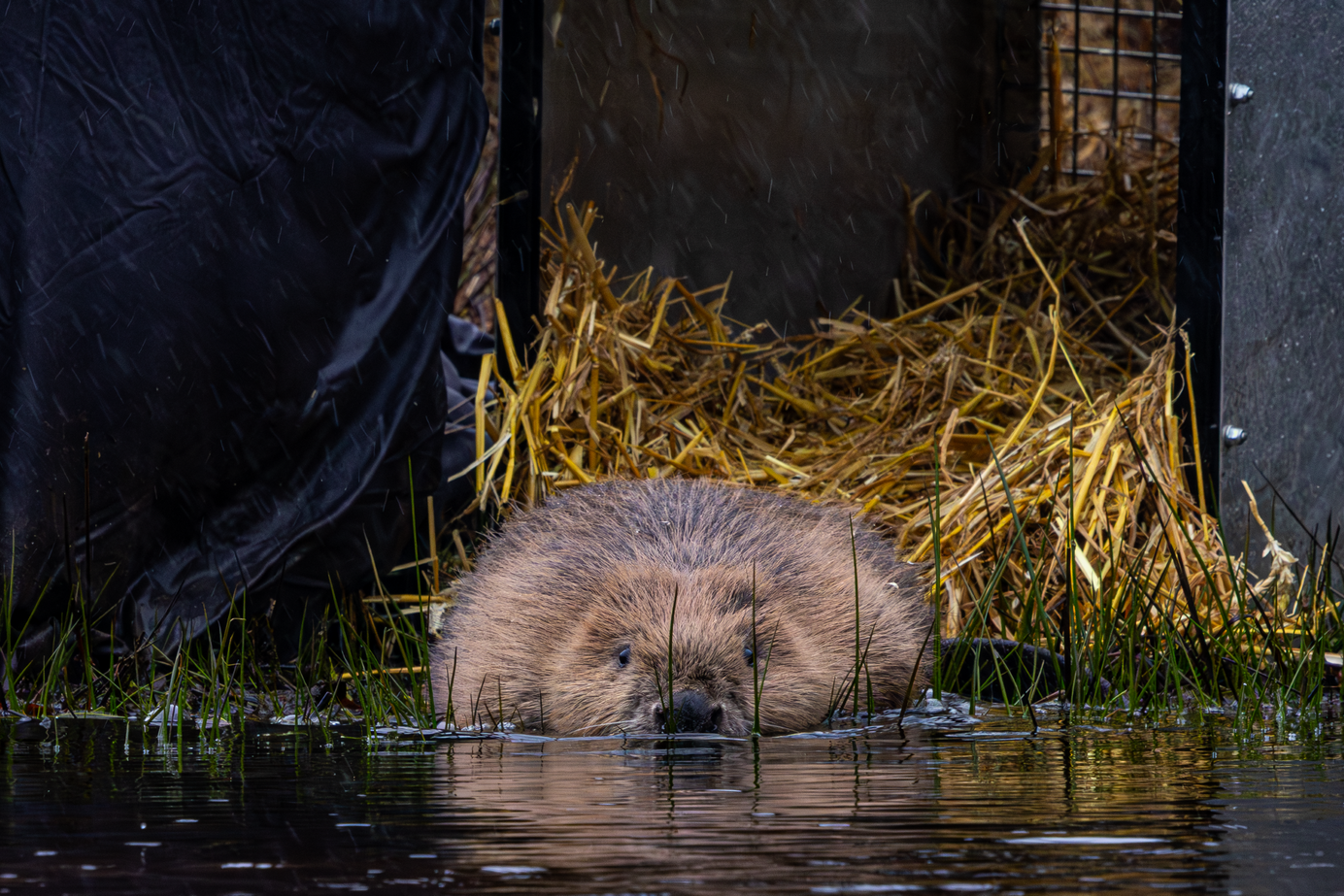
Beavers | England could soon have a thriving population of wild beavers, if the latest update from Natural England is anything to go by. Back in February, the agency published its landmark policy on wild beavers: the first step in enabling the species to exist beyond the enclosures to which they have so far been confined. Since then, there have been 39 ‘expressions of interest’ from projects across the country. The majority of these were deemed ‘potentially viable’, and eight were invited to submit full applications for a licence. The first decisions are expected this autumn, and more applications will be invited in 2026.
Subscribe to our newsletter
Members receive our premium weekly digest of nature news from across Britain.
Comments
Sign in or become a Inkcap Journal member to join the conversation.
Just enter your email below to get a log in link.