Landscape Protection & Rainforest Regeneration
The latest news on nature and conservation in Britain.
Welcome to Inkcap Journal, a newsletter about nature and conservation in Britain. This is the Friday digest, rounding up all the week's news, science, reports, comment and more.
National news
Landscapes | After a long wait, the government has released its response to the Glover Landscapes Review, which set out a number of recommendations on how to improve England’s protected areas. The consultation, which runs to 9 April, includes proposals to improve access to nature, protect biodiversity, and use the land to store carbon and help rural communities adapt to the impacts of climate change. “These reforms will play a pivotal role in meeting our international commitment to protect 30% of land for biodiversity by 2030 as we build back greener,” said environment secretary George Eustice. The BBC reports on the proposals. According to green groups, the plans are “headed in the right direction”, although there will need to be new legislation and more funding to ensure the proposals result in meaningful action. Emma Marsh of the RSPB added that time was running out: “We’ve waited more than two years for a response that still does not have a clear timetable with commitments to bold action.” CPRE also published a response urging the government to “put its money where its mouth is”.
Water | This week has been a mixed bag for UK waters. The government released statistics showing that 99% of English bathing sites meet required water quality standards – the highest number since new standards were introduced in 2015. The Environment Agency carried out tests at more than 400 sites, with 94.7% of beaches and inland waters gaining an ‘Excellent’ or ‘Good’ rating, and 4.3% achieving the minimum ‘Sufficient’ rating. Elsewhere, the news was not so positive: the BBC and the Times covered a report by the campaign group Windrush Against Sewage Pollution on illegal sewage spills by seven water companies. Data collected and analysed by Professor Peter Hammond, a retired computational biologist, shows that the companies discharged untreated sewage thousands of times between 2017 and 2021, from 59 different treatment works. A spokesperson from the Environment Agency said, “Where there is evidence of non-compliance we will not hesitate to pursue the water companies concerned, and take appropriate action – as is evidenced by the conclusion of seven prosecutions against water and sewerage companies in 2021.”
Pesticides | The government has authorised emergency use of the banned pesticide thiamethoxam to protect sugar beet crops in England. Neonicotinoids were banned for agricultural use in the UK in 2018 due to their devastating impact on bees, yet for the second year running the government has granted its use by farmers to protect against a virus transmitted by aphids. This decision goes against the recommendations of the government’s own advisors, and environmental charities have condemned the decision as a “betrayal of promises”. Defra have defended the decision by stating that “exceptional temporary use will be tightly controlled and only permitted in very specific circumstances when strict requirements are met”, and have published their analysis of the impact of the virus on sugar beet production. Joan Edwards, director of policy and public affairs at The Wildlife Trusts said, “Less than two months ago the Government adopted a legally binding commitment to halt the decline of wildlife by 2030 within its flagship Environment Act – the authorisation of this neonicotinoid flies in the face of this commitment and sounds a death knell for millions of bees and other insects.” The BBC and the Guardian covered the news.
In other news:
- River groups have called for a review of how water pollution incidents are investigated in Wales, reports the BBC.
- Some 81% of Britons support rewilding, according to a poll by YouGov, commissioned by Rewilding Britain.
Across the country
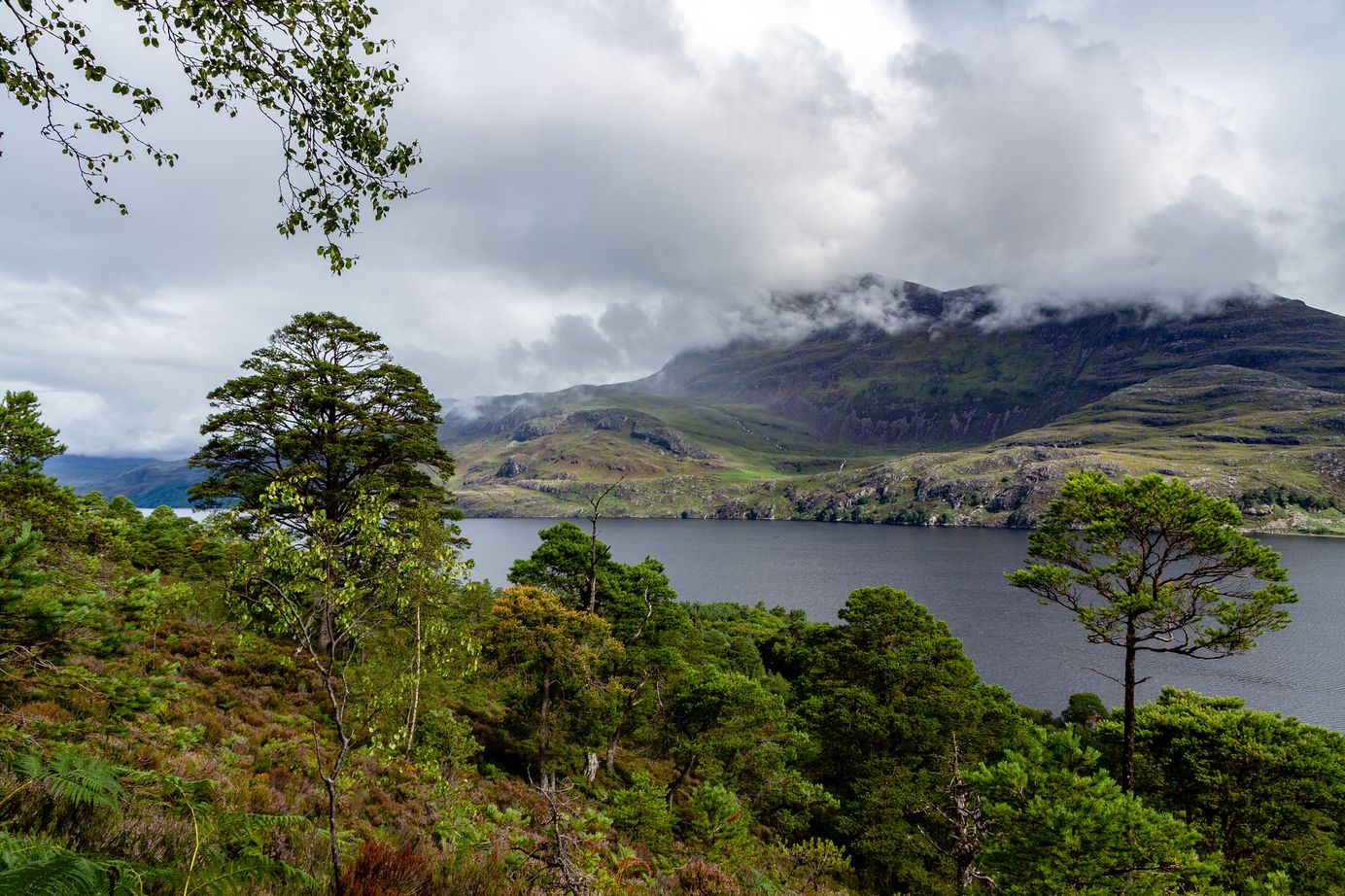
Wester Ross | The forests on the UK’s oldest national nature reserve – Beinn Eighe – are being left to regenerate naturally for the first time in its history, reports the BBC. Since 1951, planting has increased woodland area by 41%, but now NatureScot is planning on taking a step back; this year, the main planting phase will end with the last 20,000 trees planted, and in future years natural regeneration will help to expand the woodland further. The only planting will be for underrepresented species in areas where there is no seed source, the agency explained in a press release. “Due to the local oceanic climate, the woodlands at Beinn Eighe are classed as temperate rainforest, which is a very rare habitat globally,” it added. The Scotsman also covered the news.
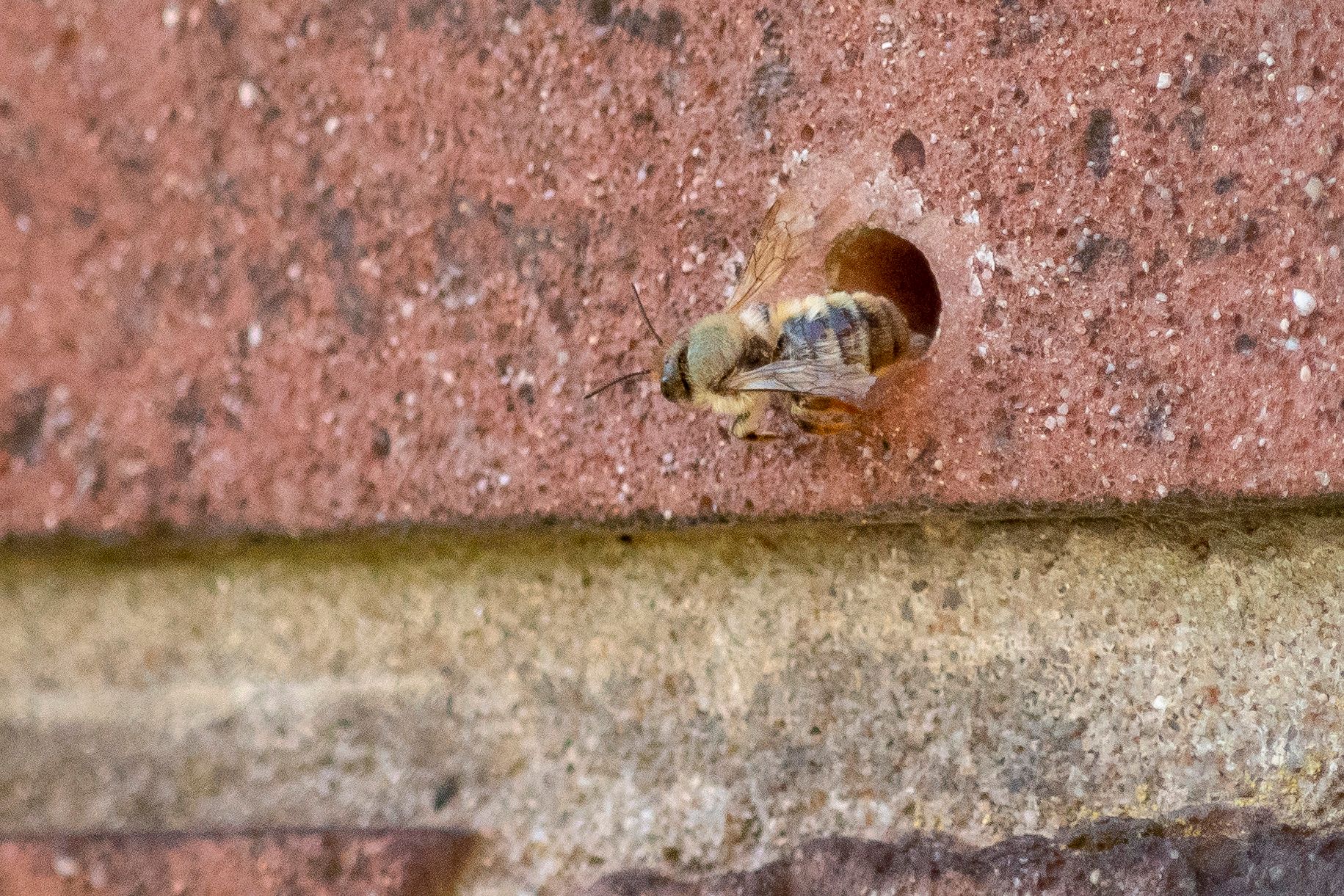
Brighton | Brighton council has passed a planning condition which requires new buildings taller than five metres to install swift boxes and ‘bee bricks’ to aid urban biodiversity. ‘Bee bricks’ are special bricks with holes to provide nesting and hibernating space for solitary bees. However, some scientists have warned that the initiative will make no real difference to biodiversity, and may actually do more harm than good: they argue that the holes could attract mites or encourage the spread of disease if not cleaned properly, while others say the bricks are easy targets for ‘greenwashing’ and a better action would be introducing more flowers. Councillor Robert Nemeth, who has championed the idea since 2019, said: “It’s going to take some years yet to establish the degree of effectiveness of bee bricks but it’s heartening to know that studies are underway.” The Guardian and the Conversation covered the story.
Northumberland | A four-year project by Forestry England will seek to restore 2,000 acres of peat bogs across Northumberland and Cumbria by removing trees and blocking drainage ditches. The Border Mires, as the area is known, lies between Hadrian’s Wall and the Scottish border, and was heavily planted with commercial conifer plantations during the 20th century, reports the Evening Standard. Marjorie Davy, from Natural England, said: “The Border Mires are exceptionally important for peatland conservation, with extensive deposits of very deep peat that will continue to grow when the right conditions are re-established.” The project has received a £1m grant from the government.
Elsewhere:
- Protestors against the Norwich Western Link are hoping for a crowd of 100 in Wensum Valley to demonstrate against the controversial road, reports the Eastern Daily Press.
- The Scottish Environment Protection Agency is investigating a pollution incident in the River Esk at Musselburgh, reports the BBC.
- Major peatland restoration is taking place at a wind farm in South Lanarkshire, reports the Scotsman.
- Severn Trent water company will be ‘held to account’ over sewage dumped into Shropshire rivers, according to the Shropshire Star and the BBC.
- A cake maker from Cardiff has been fined £26k for polluting a city park stream, reports the BBC.
- The Press and Journal has an article on how you can help protect Deeside’s vital but vulnerable capercaillie population.
- Warwick Wildlife Trust says conservationists who criticised their woodland management plan have ‘misunderstood’ the plans, according to the Rugby Observer.
- Kenfig Nature Reserve in Bridgend has been ‘devastated’ by motorbikes, reports Wales Online.
- Northumbrian Water has been fined £240,000 after sewage leaked into a stream in County Durham, reports the Chronicle.
Reports
Adaptation | The government has published the UK’s third Climate Change Risk Assessment, a report which recognises the “unprecedented challenge of ensuring the UK is resilient to climate change”. The Risk Assessment is based on the Independent Assessment of UK Climate Risk, a piece of statutory advice provided by the Climate Change Committee (CCC). The assessment prioritised eight areas for immediate action over the next two years, to which the government has now set out its approach. Several of these have relevance to the natural world, including the “high” climate risks to terrestrial and freshwater habitats, “medium” but increasing risks to soil health from increased flooding and drought, and “medium” but increasing risks to natural carbon stores. The Natural History Museum featured the report.
Ocean | UK green charities have released a report which highlights the government’s failure to deliver on the ‘Marine Super Year’ promised by the Environment Minister in January 2021. Charities including the Marine Conservation Society, the RSPB and The Wildlife Trusts rated the last year’s actions against a scorecard, and found that the government had made no demonstrable progress in 11 out of 17 important steps for ocean recovery. This follows heavy criticism in 2020 when the government missed the goal of achieving Good Environmental Status for the UK’s seas, and recent public outcry over the impacts of sewage discharges into the sea. Despite the stalled progress, the report states that “many opportunities remain to make 2022 the year where the tide is turned for UK seas given sufficient political will and commensurate support.”
Health | A trial of ‘Nature Prescriptions’ has helped hundreds of patients in Edinburgh with their health, according to a report by RSPB Scotland. The idea of nature prescriptions originated in Shetland in 2017, and was applied by five GP practices in Edinburgh during a pilot trial in collaboration with Edinburgh and Lothians Health Foundation. Nearly 350 patients were prescribed nature as part of their treatment for 32 different health conditions. The results of the trial found that nearly three quarters of patients who provided feedback benefited from the prescription, and 87% were likely to continue using nature to help with their health and wellbeing. The report highlights that nature prescriptions involve more than simply being outdoors: they are about connecting with nature in ways that are personal, emotional and meaningful. For example: tuning in to the changing seasons, listening to nearby birdsong, and helping local wildlife thrive.
Science
Uplands | In 2020, a paper published in IBIS claimed that, if heather moorlands were no longer used for driven grouse shooting, they would likely be converted to sheep pasture or forest plantations. This week, a new paper authored by scientists from Natural England sought to refute that claim. The view that Britain’s uplands are only of interest to sheep farmers and foresters is “past its time”, they concluded. Instead, a range of alternative land uses is likely to take over in the absence of driven grouse shooting. “The concept of public money for public goods is one that increasingly resonates with the taxpayer and it seems likely that a wholesale shift in the emphasis of management and use of the uplands will take place over the next two or three decades,” writes lead author Alistair Crowle in an explanatory blog for the British Ornithologists’ Union.
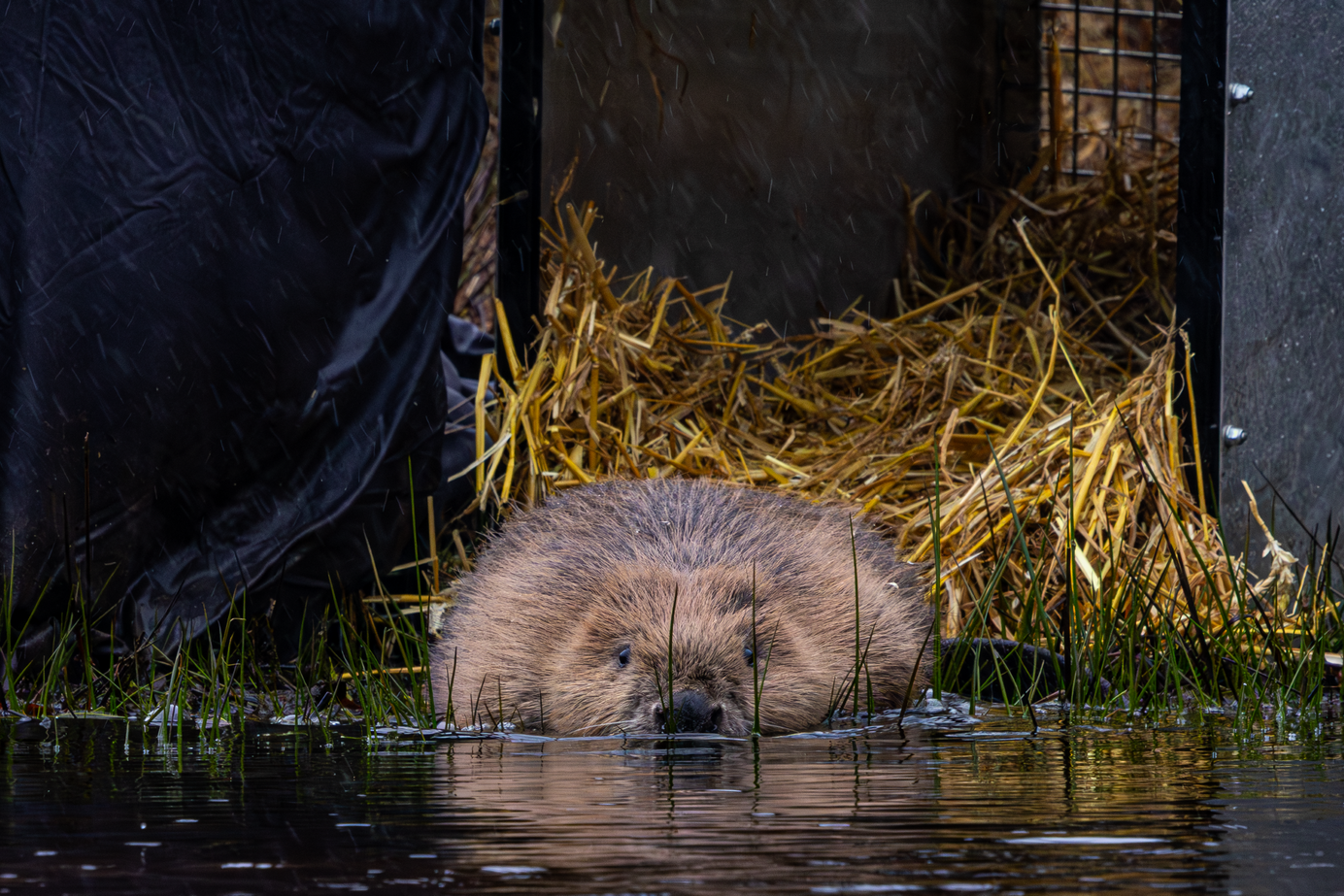
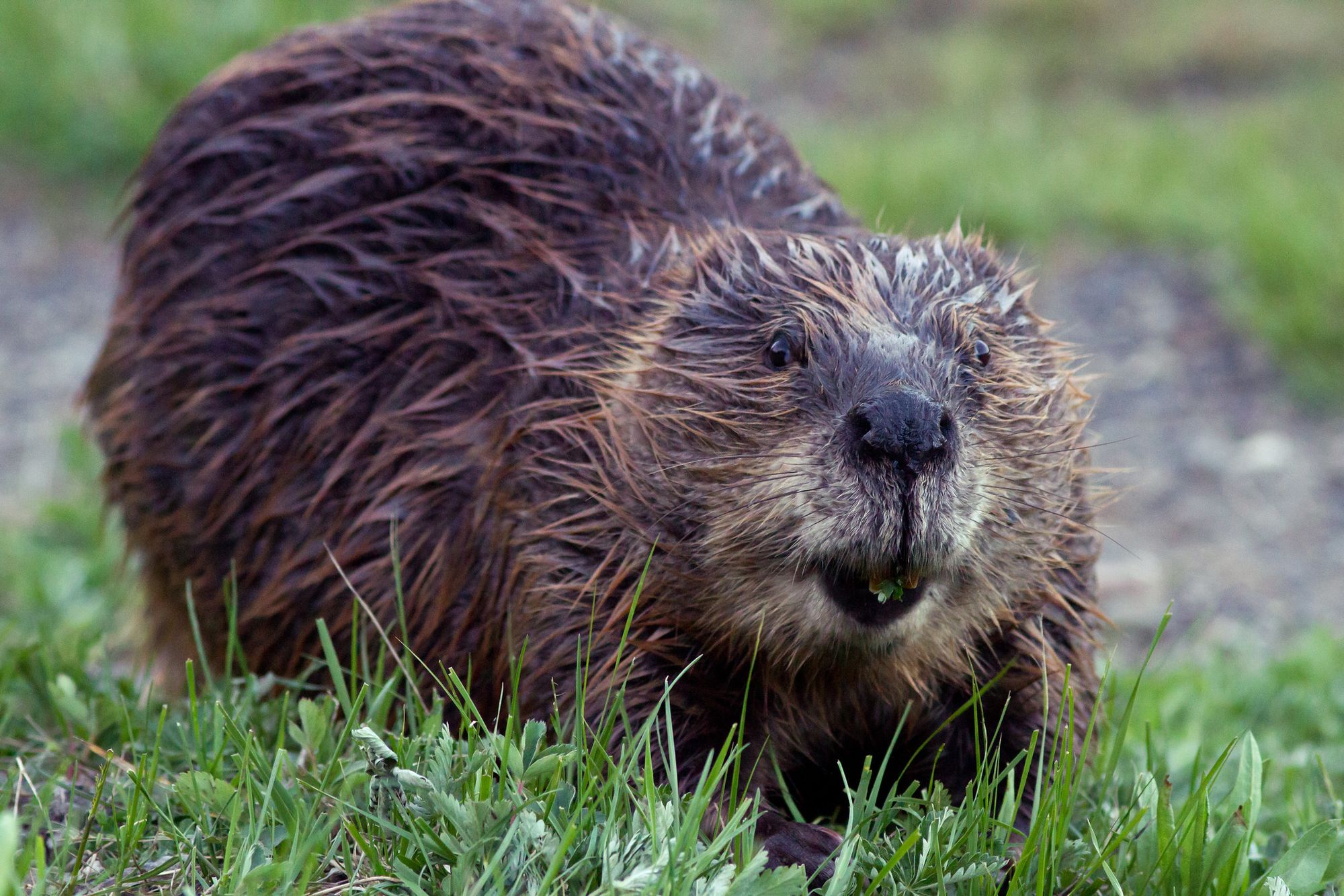
Beavers | Beavers could make a significant contribution to improving the condition of Scotland’s rivers, according to a report by the University of Aberdeen and the James Hutton Institute. These impacts include helping to improve the water quality in rivers and limiting the effects of droughts. The study is a large-scale review which collated evidence from 120 studies of beaver populations worldwide, and applied these findings to river ecosystems in Scotland. By identifying trends associated with the effects of dam building on water quantity and quality, the researchers have provided detailed evidence to help policymakers consider the benefits and limitations of beaver expansion in Scotland. NatureScot highlighted the research.
Grazing | Equestrian land could be an overlooked but important environmental resource, according to a paper published in Animals. The researchers conducted a survey of 758 horse, pony, donkey and mule keepers in the UK, and reported on the various ways in which equid keepers described environmental practices as part of their care. Equestrian land use has been overlooked in environmental research and policy so far, the study says, but could have considerable impact when considering the ability of pastureland to help sequester carbon, prevent soil erosion and provide diverse ecosystems for native plant and wildlife species. Horse and Hound featured the research.
Driftwood
Wildfowling | Natural England chair Tony Juniper has spent some time with the Lytham & District Wildfowling Association, taking a walk about the mouth of the Ribble Estuary in Lancashire. Topics discussed included the importance of wildfowling clubs and their role as the custodians of estuaries and marshes, reports Politics.co.uk. Juniper said that it was “very good to learn about the cooperation and common cause that exists between Natural England and wildfowlers there. I hope this example of good practice is something that we might replicate across the country as we go forward.” In a recent RSPB survey, the club’s site was identified as holding the estuary’s highest population of breeding birds. The comment article was written by the British Association for Shooting and Conservation.
Body image | Stylist Magazine covers a new study by Anglia Ruskin University showing that being in nature helps people to deal with negative body image by removing triggers and strengthening coping mechanisms to keep unhappy thoughts in perspective. “That might sound obvious: if you’re spending time in your local park, for example, you’re less likely to be bombarded by triggering images and messaging from adverts, influencers or celebrities,” writes Miranda Larbi. “Instead, we might see normal people with regular bodies, animals and calming blue and green space.” Here’s the original paper.
Rewilding | Is rewilding just for toffs? Monty Don thinks so. “I have a great reservation about the way that the concept of rewilding is enthusiastically promoted by people who don’t have anything to rewild. In other words it’s other people’s land that they want to rewild. To make it possible you need thousands of acres and a private income, otherwise it doesn’t make any kind of sense,” he said in an interview with the Times. India Bourke, environment correspondent for the New Statesman, pushed against the sentiment in a separate piece. “Don’s comments risk fuelling a divide between farmers and conservationists – a divide that money for nature recovery holds a hope of healing,” she writes.
Further reading:
- The Guardian profiles the man who built homes for 60,000 swifts.
- Tree planting is essential to tackling the climate crisis, writes Baroness Young of Old Scone, a Labour peer and chair of the Woodland Trust, in Politics Home.
- In the Observer, journalist Alex Moshakis meets the people tackling noise pollution in quiet places.
- Writer CJ Schüler has a piece in the Financial Times, asking what happened to London’s lost woods.
- BBC Countryfile has listed its best nature and countryside books of 2021.
- George Monbiot writes about the impact of fishing gear dumped in the ocean, after a Scottish trawlerman came to him with evidence.
Happy days
Photography | If you like photographs of rewilding, then it’s your lucky week. Firstly, Bournemouth University has a new exhibition exploring rewilding, featuring work by Dorset photographer and conservationist Sam Rose. If you don’t live locally, you can still see photographs – and read about the rewilding projects – on the exhibition website, What If You Just Leave It?. The Financial Times has a feature on another photography project, called People in Rewilding, by Jo Metson Scott. It is a series of landscape photographs and portraits “as rich and diverse as the wildlife these people help to nurture.”
Subscribe to our newsletter
Members receive our premium weekly digest of nature news from across Britain.
Comments
Sign in or become a Inkcap Journal member to join the conversation.
Just enter your email below to get a log in link.