National Parks & Yorkshire Waxcaps
The latest news on nature and conservation in Britain.
National news
Planning | More than 170 groups have written to the Prime Minister warning him that reported plans to weaken protections for national parks would devastate nature. The open letter responds to reports that chancellor Rachel Reeves is pushing to change the planning bill, removing a duty on authorities to protect and enhance nature within national parks and landscapes. This would make it easier for developers to build houses and other infrastructure projects. Rose O’Neill of the Campaign for National Parks said the proposal was a ‘kneejerk reaction’ unsupported by evidence. Meanwhile, a government spokesperson told the Guardian that the reports were untrue. Ministers have until Monday to come forward with amendments to the bill. The Guardian and ENDS have further coverage.
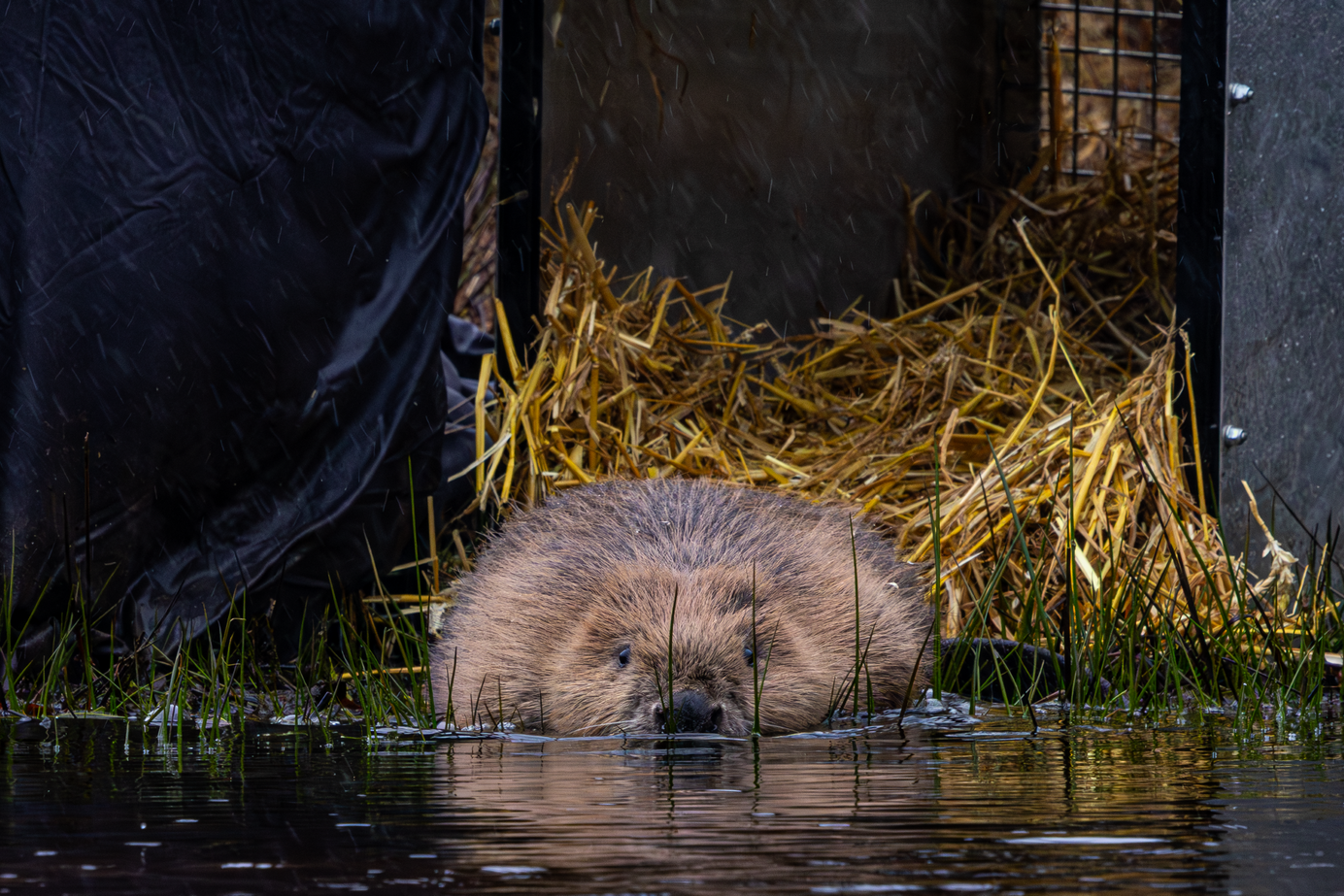
Beavers | The Welsh government has announced that beavers will be protected as a native species, making it illegal to harm them or damage their habitat. The legislative change brings Wales in line with England and Scotland, where beavers are already protected. The government also plans to establish a Beaver Forum to address concerns about impacts on land use, water systems and other species. Wildlife Trusts Wales called the decision a ‘historic moment’ for the species. Meanwhile, the Beaver Trust welcomed the move but urged the government to follow up with a management framework, wild release licensing system, and national beaver strategy. The BBC and Wales Farmer reported the news.
Rivers | The UK’s largest ever environmental group action has been filed at the High Court over the alleged pollution of three rivers. Nearly 4,000 people have joined a lawsuit against poultry giant Avara, its subsidiary Freemans of Newent, and Welsh Water, accusing them of degrading the Wye, Lugg and Usk rivers. Claimants argue that the declining state of the rivers in recent years has harmed recreation, tourism, businesses and property values, and are seeking ‘substantive damages’ and a mandated clean-up order. They cite chicken manure and sewage pollution as the causes of poor water quality, even though all three rivers are protected for their importance to rare wildlife, including otters, salmon and freshwater pearl mussels. The accused companies deny the claims. The BBC, Times, Guardian and ENDS reported the news.
In other news:
- Defra has announced that more than £10m in water company fines has gone to 51 projects across England to repair the damage done by sewage pollution.
- The hottest summer on record has led to an abundant apple harvest – but the resulting cider is ‘too potent’ for pubs, reports the Telegraph.
Across the country
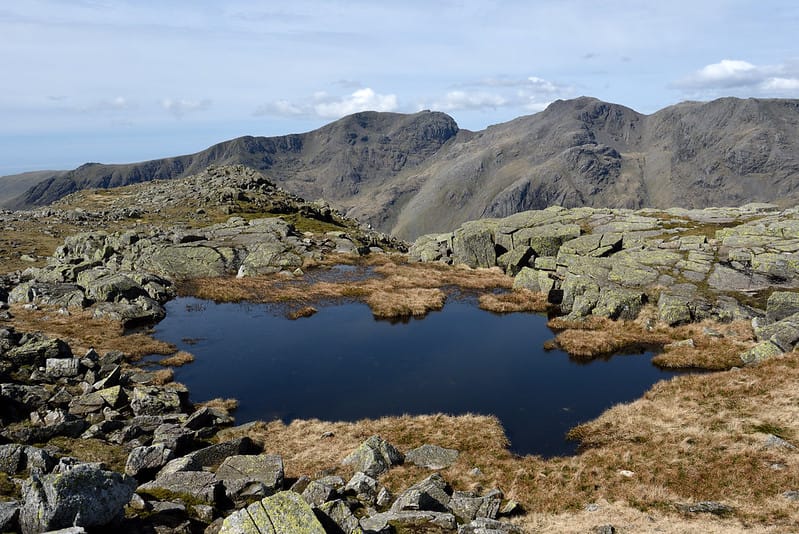
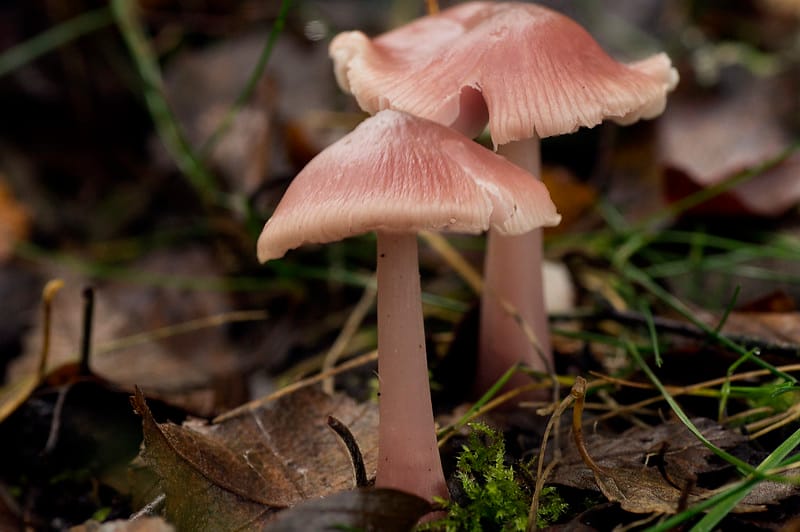
Yorkshire | The Yorkshire Dales and North York Moors are hotspots for endangered fungi known as waxcaps, according to the charity Plantlife. Its annual citizen science survey ‘Waxcap Watch’ discovered hundreds of new sites for pink waxcap and violet coral, with a particular concentration in north Yorkshire. Both species are listed as ‘vulnerable’ on the IUCN Red List. Plantlife said that waxcaps are often an indicator of rare, species-rich grassland, and can therefore help to locate and protect fragments of old meadows. Conservation officer Aileen Baird said the results represented a ‘major leap in knowledge’. BBC covered the story.
North England | One of the UK’s largest squirrel surveys has found a 10% decline in red squirrels across northeast England. The results from the 2025 monitoring programme, run by Red Squirrels Northern England (RSNE), detected red squirrels in just 42% of surveyed areas, while greys were present in 64%. Both species declined in presence from 2024 levels, but the sharper drop in reds is a ‘stark reminder’ of the urgent need for conservation efforts, according to the Northumberland Wildlife Trust. RSNE has launched an appeal to fund measures including wildlife trail cameras and specialised feeders. The Hexham Courant and Chronicle Live reported the findings.
Exmoor | Pine martens have returned to Exmoor National Park after more than a century of absence, thanks to a project led by the Devon Wildlife Trust. The team translocated 19 pine martens from the Scottish Highlands and released them at secret locations last month. Each individual was fitted with a radio collar, allowing conservationists to track their movements for the first six to nine months, after which the leather collars are designed to drop off. The project follows a similar release on Dartmoor last autumn: the team hopes that the two populations will expand and eventually merge to re-establish a stable population in southwest England. The North Devon Gazette, Somerset Leveler and BBC Wildlife covered the story.
Elsewhere:
- The chough population on the Isle of Man has declined by almost a quarter over the last century, reports the BBC.
- Climate change is threatening the future of the famous West Highland Way hiking trail, reports the Herald.
- Wandsworth Council in London has employed heavy horses to prepare the soil at Tooting Common for sowing native wildflowers, reports the BBC.
- The Environment Agency has released a group of native crayfish back into the wild after they were rescued from a Yorkshire river during drought conditions.
- The Scottish government is investigating two boats filmed allegedly scallop dredging in an MPA in the northwest Highlands, reports the BBC.
- NatureScot has awarded £60,000 to a project tracking peatland restoration at the Ardtornish Estate in the west Highlands, reports the Herald.
- A £21m project will remove industrial barriers from Yorkshire rivers to aid fish migration, reports the BBC and Northern Echo.
- The Wilder Blean bison project in Canterbury is celebrating the birth of a ‘third generation’ calf, reports the BBC.
- Police Scotland are investigating the poisoning of a sparrowhawk in Aberdeenshire with a banned insecticide, reports the Herald.
- Herts & Middlesex Wildlife Trust has restored 7km of the rare chalk River Ash, including creating a range of new wetland habitats.
- Buglife has relocated 32 endangered wart-biter bush-crickets to the South Downs to establish a new population.
- Conservationists have placed 20 artificial ‘cubes’ housing 4,000 oysters off the coast of Tyne and Wear, reports Chronicle Live.
Reports
Fish | More than half of the UK’s top ten commercial fish stocks are currently overexploited, according to marine conservation charity Oceana UK. The Deep Decline report found that, since leaving the EU, British politicians have set catch limits too high, allowing trawlers to decimate stocks. Now, only 41% of 105 stocks are considered healthy. Species most at risk include cod, herring and Atlantic mackerel. In the Conversation, marine scientist Callum Roberts wrote: ‘This is political negligence, not ignorance.’ Oceana is calling on the government to set a legally binding deadline to end overfishing. The Guardian and Oceanographic covered the research.
Food | A shift toward plant-rich diets could more than halve global food system emissions, according to a report by the EAT-Lancet Commission, a group of leading experts in nutrition, climate, health and agriculture. It builds on the landmark 2019 report, which introduced the concept of a ‘planetary health diet’ centred on grains, fruits and vegetables. The 2025 edition reinforces the 2019 findings, adding improved modelling and greater attention to social justice. It also finds that food systems are the largest contributor to five breaches of the nine planetary boundaries, including biodiversity loss and land use change. Recommendations include clearer food labelling and redirecting agricultural subsidies to make sustainable food more affordable. Carbon Brief summarised the findings.
Housebuilding | A report by the Key Cities network has found that nature is not a major barrier to housebuilding in the UK. The report examines how to facilitate construction across 25 key urban areas outside London. Analysis revealed that the main obstacle for local authorities lay in delivery, not planning. Participants identified cost and finance (27%) and land availability (19%) as the most significant barriers. Only 6% cited the planning system – including nature protection regulations – as the primary obstacle. The CIEEM summarised the findings. Separately, chancellor Rachel Reeves has unblocked a development of 20,000 homes threatening a species of rare snail because she has a ‘good relationship’ with the developer, reports the Guardian. Meanwhile, Inside Housing has a piece on what a ‘nature-centric’ approach to housebuilding might look like.
Science
Heatwave | Marine heatwaves will become more frequent in British waters, according to a study in Communications Earth & Environment. Researchers from the University of Exeter, the Met Office and Cefas used climate models to assess the likelihood of heatwaves similar to that of June 2023, when the shallow seas around the UK rose 2.9C above average for 16 days. Such heatwaves now have a 10% annual likelihood. Although the full impact on ecosystems has yet to be assessed, scientists know that the 2023 heatwave significantly disrupted phytoplankton blooms, and likely put other forms of marine life under severe stress. The authors are calling for more research to understand the impacts. The Guardian covered the paper.
Grasslands | In the mountain grasslands of Switzerland, botanical diversity has been preserved far better than across lowland farmland, according to a study in Global Change Biology. The research was based on handwritten plant inventories from 1884 to 1931, which were rescued from the bin ahead of renovations at Agroscope, Switzerland’s agricultural research institute, allowing scientists to replicate the surveys. They found that, in the last 100 years, meadow diversity declined by almost 40% on intensively farmed lowlands, while higher areas, where the use of machinery and fertilisers is more limited, lost only 11%. The study also found that climate change had relatively little impact on diversity compared to land use, although the authors note this could change as climate threats increase. The Guardian covered the research.
Salmon | The genetic structure of present-day Scottish salmon populations is most strongly influenced by their historic recolonisation of rivers after the last Ice Age – although modern factors also play a role, according to a study in PLOS One. Using microsatellite data, researchers investigated the impact of multiple historic and contemporary factors on the genetic diversity of 48 Scottish salmon populations. Salmon in recently deglaciated areas were less genetically diverse, likely because populations became isolated after colonising newly ice-free rivers. Deglaciation played the strongest role in determining genetic structure, but waterbody modifications – such as hydro-dams on the east coast of Scotland – were also found to decrease genetic diversity by impeding movement.
Driftwood
Genetics | Genetics featured heavily in the news this week as the IUCN prepares to debate whether to promote genetic engineering as a tool for nature conservation. The session is due to take place on Friday at the organisation’s World Conservation Congress in Abu Dhabi. In response, more than 90 organisations have voiced their objection to the motion, arguing the technology remains experimental and unpredictable. Meanwhile, a feature in Noema by journalist Aryn Baker explores the morality of using gene editing to ‘save’ nature; for example, by creating heat-resistant coral or blight-resistant American chestnut trees. She writes: ‘At the core is a fundamental divide over what makes nature natural, the risks of unintended consequences and the responsibility that comes with using a technology once relegated to the realm of a divine creator.’ Read more on the topic in New Scientist and European Scientist.
Vegetables | Over the last 60 years, the number of vegetable varieties planted in the UK has significantly decreased – to the detriment of nature-friendly farming efforts and our tastebuds, according to a feature in Wicked Leeks. British customers are used to seeing the provenance of meat labelled, from Welsh saltmarsh lamb to Scottish Highland salmon. But when was the last time you saw ‘District Nurse’ French bean from Cardiff, or ‘Ragged Jack’ kale from Somerset? This is largely due to the current emphasis on uniformity, high yield, and ease of harvest, according to journalist Nick Easen. However, he argues the time is ripe for change: heritage vegetables bring an incredible range of flavours, while also adding genetic resilience and biodiversity – and many of them have brilliant local histories to boot.
Investment | An article in the Times business section explores a left-field form of investment: plots of nature. Investing in ‘alternative assets’ such as areas of woodland, meadow or other natural sites has multiple rewards; Jess Russell-Perry, for example, used a lump sum from a divorce to buy a 5.5-acre woodland plot in north Devon in 2023. Since then, she has planted 650 trees and dug ponds for water storage, increasing the value of the investment. The benefits are not purely monetary. She explained: ‘I wanted to pass on something that would have benefit to my sons that wasn’t just money, that they’d be able to see. We must have doubled the number of songbirds’. Separately, also in the Times, read about the private members clubs which are funneling money and expertise into saving the planet.
Further reading:
- A feature in the Guardian explores research into the revival of a traditional way of making yoghurt – using live ants.
- The Environment Agency has launched a version of Minecraft to help young children learn about coastal erosion through gaming: find out more on the BBC.
- A feature in Wicked Leeks digs into whether eco-scores on food products actually assist customers in making better choices.
- On the BBC, read about the anonymous poem which was written in memory of a tree brought down by Storm Amy in Hull.
- King Charles is set to feature in an Amazon Prime documentary which he hopes will inspire people to protect the environment, according to the BBC.
- On Positive News, find out about the AI-powered experiment by a London agency giving a voice to trees.
- In the Guardian, science writer Helen Pilcher explains why we need to understand animal communication in their terms.
Happy days
Species | Wicken Fen nature reserve in Cambridgeshire has recorded its 10,000th species: a rare moth called the six-belted clearwing. Managed by the National Trust since 1899, the wetland near Ely is now believed to have the highest number of recorded species in the UK. The charity said the biodiversity of the site has surged since it began expanding the reserve in 1999, with 13 species entirely new to science discovered there. Countryside manager Alan Kell said: ‘If you give nature the opportunity and the space, it will do remarkable things.’ Read more on the BBC.
Subscribe to our newsletter
Members receive our premium weekly digest of nature news from across Britain.
Comments
Sign in or become a Inkcap Journal member to join the conversation.
Just enter your email below to get a log in link.