Nature at COP27 & Cat Migration
The latest news on nature and conservation in Britain.
National News
COP27 | On Biodiversity Day at COP27, environment secretary Thérèse Coffey called for renewed global action for nature and set out the actions that the UK government will take to drive these efforts. This included a pledge of £30m of seed finance towards the Big Nature Impact Fund, a new public-private fund for nature that will finance UK nature projects such as tree-planting and peatland restoration. Coffey also announced an additional £12m to go towards the Ocean Risk and Resilience Action Alliance, and £6m in support of developing countries for nature-based solutions. Coffey said that the UK continued to demonstrate “international leadership” through its commitment to the natural world and would be striving for an “ambitious agreement” at COP15 in December. Meanwhile, the UN’s head of biodiversity, Elizabeth Maruma Mrema, said that the outcomes of the COP27 talks would be instrumental in influencing the specific targets negotiated at COP15. Mrema, along with architects of the Paris climate agreement, are hoping that COP15 will prove a “Paris moment for biodiversity”, referring to the legally binding climate targets set in 2015. Also at Biodiversity Day, the IUCN, along with Egypt and Germany, launched the ENACT initiative, which will coordinate global efforts to address climate change, land and ecosystem degradation, and biodiversity loss through nature-based solutions. In other news, a report by Nature4Climate and Capital for Climate predicts that the ‘nature tech’ market will grow by $6bn following COP27. The Times and the Guardian provided coverage of the COP proceedings.
Data | The Office for National Statistics has released the third edition of ‘Climate Change Insights’, bringing together official data on the theme of natural and rural environments. Among its major findings, the report found that land use and agriculture accounted for around 12% of all UK emissions on a territorial basis in 2020. Meanwhile, forest land proved to be a major carbon sink, removing more carbon than any other land type. Sociological data showed that 85% of British adults believe that the way people use the environment and land has an impact on climate change, while over 60% are either ‘somewhat’ or ‘very’ worried about the environment. Meanwhile, WWF analysis of information revealed through a Freedom of Information request shows that the government needs to more than double the ambition of its plans for the land and farming sectors to achieve its 2030 climate targets. Data in the FOI revealed a “black hole” in the government’s plan, with experts saying that the current Net Zero Strategy makes “heroic” assumptions about the level of cuts that can be achieved based upon current actions.
Disease | The government is “not sufficiently prioritising the threat” of animal diseases, according to a report published by the Public Accounts Committee. The huge societal risks of zoonotic disease outbreaks have been seen in the past with foot and mouth, avian flu and Covid-19. The UK also faces ongoing threats from bovine tuberculosis and new diseases such as African swine fever. Outbreaks pose a threat to UK health, trade, farming and rural communities, according to the report, yet Defra has allowed the UK’s main animal health facility at Weybridge to “deteriorate to an alarming extent”, impacting its ability to respond to any major outbreaks.
In other news:
- Keir Starmer has promised that a Labour government would lift the planning ban on new onshore wind farms, reports the BBC.
- The farming minister has said Defra is “fine-tuning” the environmental land management scheme (ELMS) rather than binning it, despite reports otherwise, according to ENDS.
- The Wildlife Trusts have written to the health secretary, Steve Barclay, urging him to continue funding the Green Prescribing for Mental Health programme beyond 2023.
- Willow tit populations declined by 86% from 1995 to 2020, reports BirdGuides.
- The British Association for Shooting and Conservation has warned that an “outright ban” on snares would have unintended consequences for biodiversity and conservation in the Welsh countryside, reports politics.co.uk.
Across the country
Lake District | Natural England has announced the creation of a 3,000-hectare Super National Nature Reserve in the Lake District. ‘Wild Ennerdale’ is among the first of England’s Super NNRs, which are recognised for their landscape-scale approach to nature. The Wild Ennerdale Partnership has already been working to improve the ecology of the valley for two decades, with sustainable grazing practices promoted across grasslands, forests and fells. The area is home to a number of vulnerable species, including the red squirrel, freshwater pearl mussels and the Arctic char. Natural England said the designation – which makes Ennerdale the largest NNR in Cumbria – will protect the area from development. The BBC covered the news.
Exmoor | Last week, National Parks England released data showing that the country’s ten park authorities will have to make cuts of £16 million over the next three years, with government funding having fallen by 40% in real terms over the last decade. Multiple news outlets have now published articles looking at what this shortfall means in practical terms. Exmoor National Park could be forced to sell publicly owned woodland and moorland, reports the Times, as well as giving up the management of 620 miles of pathways. The South Downs National Park is also struggling, with its chief executive, Trevor Beattie, questioning why the “green lungs” of the nation are facing financial difficulties, despite being at the centre of nature recovery and climate change targets. The chief executive of Northumberland National Park says its authority is also “cut to the bone”, and that “all the things you take for granted” on a countryside walk are threatened by the lack of funding.
Shetland | The operators of Shetland’s new Spaceport on Unst have pledged to dig soundproof holes for otters and implement a “no-launch” period during seabird nesting season, reports the Times. Rockets are scheduled to start lifting off from Britain’s first “vertical spaceport” next year, but the operators, SaxaVord, have vowed they will put measures in place to protect local wildlife before then. Some 135 species, including puffins, Arctic terns, plovers and merlins, live within the area that will be affected by the deafening noise of the launches. SaxaVord has already built an underpass for otters to travel beneath the road transporting rockets to the launchpad, but they have been advised to also build extra holts and shelters with soundproofing, so the animals have somewhere to hide. The details of the plan are set out in a consultation document by the Civil Aviation Authority, investigating the Spaceport’s environmental impact.
Elsewhere:
- Lancashire Wildlife Trust has announced that £180,000 of government funding will go toward identifying and assessing peatland across the northwest of England.
- An arable farm in south Lincolnshire will be the site for a major rewilding project akin to Knepp Estate, according to BirdGuides. The Guardian reported mixed local reactions.
- Weevils from South America have been introduced to two sites in West Yorkshire to tackle an invasive plant species blocking the waterways, reports the Yorkshire Post.
- The Rannoch Marble micro-moth has been found 42 years after its last sighting in the UK, at the very same wetland in the Scottish Borders, reports the BBC.
- The Canal and River Trust has completed work on a £60,000 pass to allow eels to move up the River Trent in Nottinghamshire, reports the BBC.
- The sale proceeds from a collection of 4,000 teddy bears will contribute to Herefordshire Wildlife Trust’s land purchase fund and work to restore local habitats.
- Worcestershire Wildlife Trust has raised £580,000 to purchase farmland near Monkwood, which they plan to restore for wildlife, reports the BBC.
- On his 74th birthday, King Charles was appointed as Ranger of Windsor Great Park, a role which the Duke of Edinburgh held for 69 years, reports the Express and Star.
- A brewing company in Cheltenham has invested more than £60,000 in restoring an area of Welsh peatland, in an effort to reduce its carbon footprint, reports the BBC.
- The National Trust has moved a colony of 13 water voles on Northey Island in Essex after their freshwater pond was threatened by rising water levels, reports the BBC.
- Military veterans have helped to plant 400 native wildflowers at the Eden Project to benefit the threatened marsh fritillary butterfly, reports the BBC. The efforts were part of nature-based courses designed to help people facing mental health issues.
- The Environment Agency has announced a £750,000 project to rejuvenate areas of the Tees Estuary by restoring its natural tidal cycles and wildlife habitats.
- A previous grouse-shooting moor in southern Scotland is to become a haven for birds of prey after its community purchase, reports the Times.
- Norwich City Council has published a Biodiversity Strategy to help nature thrive in the city over the next decade.
- An extinct pond on Hampstead Heath, painted by artist John Constable in the early 1800s before it dried up, is to be revived, reports the Guardian.
- A moorland restoration scheme in the Peak District has been awarded more than £1m to improve biodiversity, flood defences and water quality, reports the BBC.
- Natural Resources Wales has sent more than 30 legal notices to landowners after illegal modifications to rivers, reports FarmingUK.
Reports
Raptors | Urgent action is needed to halt the illegal killing of birds of prey, according to the RSPB’s Birdcrime report. The report details the confirmed cases of raptor persecution in 2021. Out of 108 total cases, 80 took place in England, the second-highest figure on record following 2020’s unprecedented surge. All birds of prey are protected in the UK under the Wildlife and Countryside Act 1981, yet the shooting, trapping and poisoning of raptors continues at a “sustained high level”, according to the report. Over two-thirds of confirmed cases related to land managed for gamebird shooting. Scientific studies show that most killings go undetected, meaning the actual number of cases could be far higher. Mark Thomas, head of the RSPB Investigations team, said that raptor persecution has “no place in modern society”. The RSPB is calling for the introduction of licences for all driven grouse shooting, as well as better enforcement of existing laws, to clamp down on the crimes. The Guardian, the Scotsman, the Herald and ENDS reported the news.
Carbon | Rewilding and regenerative agriculture project Wild Ken Hill is a carbon positive operation, according to a report produced in collaboration with the Farm Carbon Toolkit. The land, which is split between rewilding, traditional conservation and regenerative farming, was used for filming Springwatch earlier this year. The results of the carbon audit show that, overall, Wild Ken Hill sequesters 3,200 tonnes of carbon per year, with its farm operations specifically in the green by 1,600 tonnes, which the owners attribute to their move to regenerative agriculture in 2019. Wild Ken Hill says it will continue making improvements, such as reducing synthetic fertiliser. They also hope it can provide inspiration for other agricultural operations: the report shows that “arable farms can move to a positive carbon balance really quite quickly”, according to their announcement.
Food | A report by the food and farming charity Sustain analyses how UK councils are tackling the climate and nature emergencies through food. The report, named ‘Every Mouthful Counts’, found that six out of 10 councils omit food and farming from their plans to tackle climate change, despite the food system contributing around a third of all UK emissions. However, local authorities hold “significant power to transform food and farming from the ground up”, according to the report, and certain councils are already demonstrating how it can be done. The report includes an interactive map which describes case studies of councils that are leading the way on the food revolution, from Bristol City’s urban food growing projects, to Glasgow City’s work to improve access to fruit and vegetables for low-income households.
Science
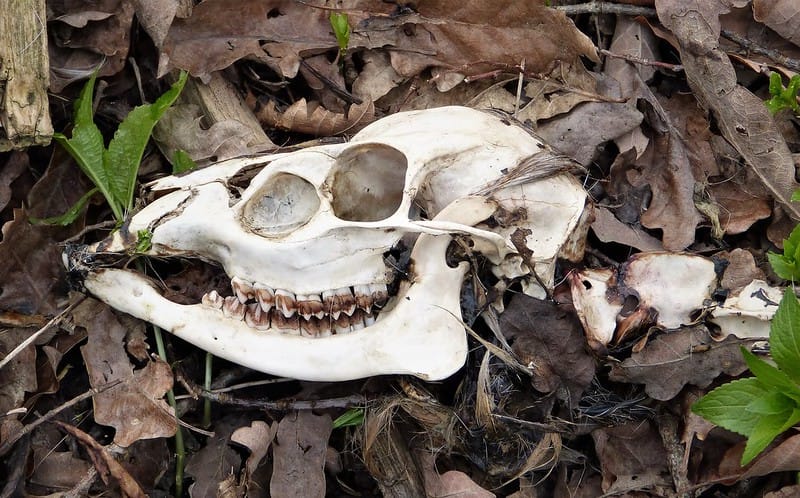
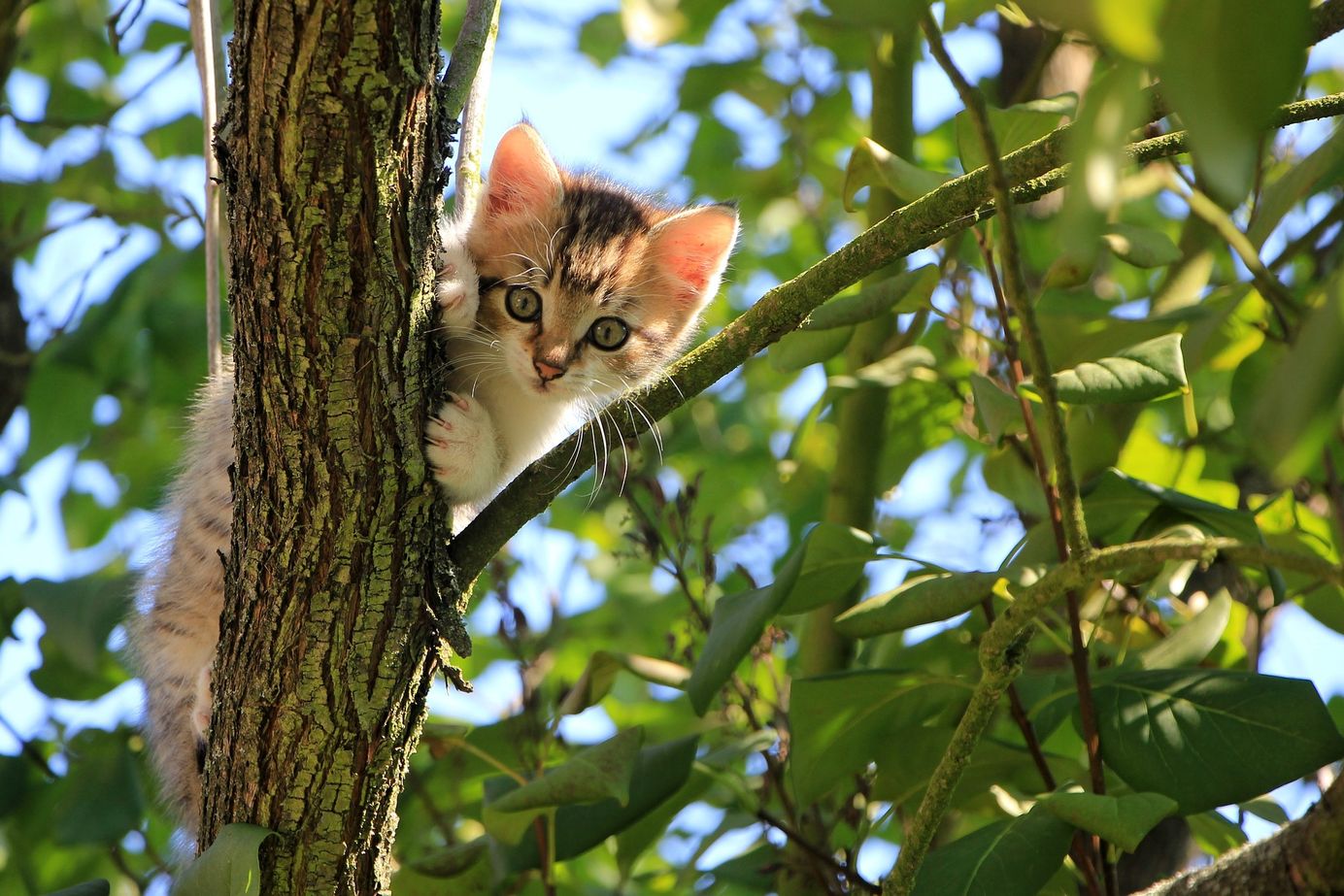
Cats | Have you ever wondered about the origins of our feline friends? By combining paleogenetics, zooarchaeology and radiocarbon dating, researchers are attempting to better understand the spread of domestic cats in central Europe. A paper published in Antiquity outlines the project’s preliminary findings. Using more than 200 specimens from 102 sites, dating between the Late Pleistocene and modern period, researchers found that cats with genes from the Near East – where domestication first took place – were present in Europe prior to the Neolithic period, much earlier than previously thought. Cats also shrank from the Neolithic to the medieval period, with the first prehistoric pets roughly the same size as European wildcats before shrinking down to their current dimensions.
Rewilding | A study in Plos One details what happened when 25 hectares of abandoned farmland were left to passively rewild for 33 years. Trees and woody vegetation were slow to develop, likely because the nearest source of seed was a woodland 1.5km away. However, thorny scrub thickets covered over half of the site after 33 years, and small wetlands developed spontaneously. The resulting habitat mosaic supports a “locally distinct bird community”, with higher numbers of wetland and woodland species – particularly songbirds – compared to nearby farmland. The authors also note that the shrubland will provide valuable ecosystem services to nearby urban communities via recreation and berry-gathering opportunities, as well as resources for pollinators.
Our new #rewilding paper: Slow development of woodland vegetation & bird communities during 33 years of passive rewilding in open farmland.
— Richard Broughton 🇺🇦 (@woodlandbirder) November 11, 2022
Where tree seed sources & dispersers were scarce, a shrubland mosaic developed, full of songbirds eg. warblers.https://t.co/BnX0X3xLVD
1/n pic.twitter.com/LvQkPyKg6N
Pollution | Air pollution kills many of the parasitic insects vital to sustainable farming, according to a study in Proceedings of the Royal Society. Sustainable farming practices rely on natural pest control to keep aphids and other unwanted insects away from crops. To investigate the impact of pollutants on this relationship, researchers delivered controlled amounts of diesel exhaust and ozone – both found in emissions from vehicles and industry – to oilseed rape plants. They found that the pollutants made it more difficult for parasitic wasps, which lay their eggs inside aphids, to find their prey, resulting in declining populations. Dr. James Ryalls, from the University of Reading, said: "Even at the levels we used, which were lower than safe maximums set by environmental regulators, the overall numbers of parasitic insects still fell. This is a worrying result.”
Driftwood
Roses | Horticulturalists in England are being forced to retire award-winning rose varieties due to climate change. In the past, roses were selected for their striking blooms and appealing scents, but growers now have to choose varieties which are more climate resilient, as well as resistant to pests. Simon Toomer, the curator of living collections at Kew Gardens, explained: “Plant breeders have had to put a greater emphasis on disease resistance by introducing genes (through hybridisation) from more disease resistant plants. These are often the more wild types of rose that have a natural disease resistance.” Disease-resistant varieties include the Dame Judi Dench, an apricot-coloured rose created to honour the actor in 2017. The Guardian covered the story.
Autopsy | An article in the Guardian explores the tricky question of what, or who, is killing British cetaceans. Over the course of 32 years, the Cetacean Strandings Investigation Programme (CSIP) has completed around 4,500 post-mortems and autopsies, all for the purpose of understanding why and how cetaceans end up dead on British beaches. Each dissection, according to scientist Rob Deaville, offers an insight into their marine lives: “A dead animal on the beach is obviously a sad event but it gives us, as strandings scientists, a unique chance to try to learn as much as possible about them.” Causes of death can vary from starvation and bycatch to attack by other animals; underlying factors such as pollution are harder to quantify, but risk becoming a “forgotten problem”.
Trees | There are simply not enough saplings grown in Britain to keep up with tree-planting demand, according to conservationist and writer Richard Negus, in an article for The Critic. Despite ambitious promises, Defra has failed to achieve its tree-planting targets in the last three years. In fact, the sum of three years’ worth of planting failed to reach the target for even one year, Negus points out. He says it is “little wonder” the targets are missed by such a wide margin, given there are “remarkably few” commercial-scale tree nurseries in the UK. With the rest of Europe also trying to plant trees as quickly as possible, it’s little use trying to import saplings to make up the shortfall. What’s worse, according to Negus, is the neglect of England’s current woodlands. “The fundamental Conservative principle of looking after what you have before you buy new has been ignored,” he writes.
Further reading:
- In the Times, Chris Haslam writes about why holidays should now come with an eco-rating.
- In the Herald, Sandra Dick writes about how unorthodox conservation methods are helping to save Britain’s rarest amphibian, the natterjack toad.
- An article in Wales Online describes the efforts of one man to rebuild a coastal community in Wales through his passion for oysters.
- A BBC video introduces Thorn, a spaniel who is helping to eradicate stoats from Orkney.
- In the Metro, the ‘Big Happiness Interview’ explores the connection between trees and happiness.
- A feature in Countryfile describes where you can see the best murmurations of starlings in Britain – and why you need earmuffs to watch.
- In UnHerd, Aris Roussinos writes about the magic of Britain’s lost rainforests, and why we need to restore the “sacred groves of our ancestors.”
- A photo essay in the National Geographic explores both community and conservation in the oft overlooked Welsh Black Mountains.
Happy days
Homes | If you’ve ever admired a property’s luscious garden, or looked dreamily at a sod-covered house, this photo feature is for you. As part of their fantasy house hunt series, the Guardian features five eco-homes – from London to the Isle of Skye – which have been built specifically to benefit biodiversity. Whether set in wildlife-friendly, butterfly-filled grounds, or built as part of a low-carbon community, these homes are all uber-green. The feature includes links to their market listings, if you happen to be looking.
Subscribe to our newsletter
Members receive our premium weekly digest of nature news from across Britain.
Comments
Sign in or become a Inkcap Journal member to join the conversation.
Just enter your email below to get a log in link.