Nature Envoy & Rewilding With Horses
The latest news on nature and conservation in Britain.
National news
Envoy | The Labour government is planning to appoint a special envoy for nature for the first time, according to the Guardian, as it attempts to put the UK at the centre of global efforts to tackle the ecological crises. It will also reinstate the post of climate envoy, which the previous Conservative government abolished over a year ago. On Tuesday, foreign secretary David Lammy made his first major foreign policy speech at the Temperate House in Kew Gardens. In it, he vowed that tackling the twin crises of climate and nature emergencies would be central to all that the Foreign Office does: ‘These are not random events delivered from the heavens,’ he said. ‘They are failures of politics, of regulation, and of international cooperation.’ Campaigners have welcomed the news, which sends a ‘strong signal’ that Labour is ‘serious about the environmental agenda, after a lacklustre performance by the last government’, as Chris Venables from the Green Alliance put it. The Guardian has further analysis of Lammy’s speech here.
Butterflies | Butterfly Conservation has declared a national ‘butterfly emergency’ after the Big Butterfly Count recorded its lowest ever numbers. The count, which took place in July and August across the UK, has been running for 14 years, and this year involved 85,000 participants. These citizen scientists spotted an average of seven butterflies per 15 minute count, the lowest in the scheme’s history, and down from an average of 12 last year. In particular, this year was the worst recorded for the common blue, small tortoiseshell, painted lady and Scotch argus, among other species. The charity said that the poor results are partly due to a wet spring and cool summer, but that the backdrop of long-term decline is still hugely concerning. It has called on the government to ban the use of neonicotinoid pesticides, which are fatal for butterflies and bees, ‘before it is too late’. The news was widely covered in national outlets.
Hen harriers | For several years now, hen harrier numbers have been increasing across England – but 2024 has bucked the positive trend, with a sharp drop in both breeding efforts and fledgling chicks. There were just 25 successful breeding attempts this year, compared to 36 in 2023, leading to 80 chicks, down from 141. In a blog outlining the figures, Natural England suggested poor springtime weather may be to blame, with parent birds struggling to feed their offspring – although it nonetheless deemed the numbers ‘concerning’. Nature commentator Mark Avery broadly agreed with this perspective, adding further context on his blog around the role of brood management – or ‘brood meddling’ as he puts it – which is designed to prevent illegal killing of the birds on grouse moors. Still, it wasn’t all bad news. At the Geltsdale reserve, managed by the RSPB, hen harriers had their most successful breeding season for 30 years, reports the Chronicle – a fact that led some to wonder whether the weather could be wholly blamed for declines elsewhere.
In other news:
- Up to 10,000 sites across England are contaminated with ‘forever chemicals’, according to an unpublished government report, obtained by the Times and ENDS.
- The amount of pesticide residue allowed on many food types in England has soared since Brexit, the Guardian reports.
- TFN reports on the controversies facing the John Muir Trust, following the publication of a critical dossier by a former member of staff.
Across the country
Cumbria | Plans are afoot to reintroduce white-tailed eagles to Cumbria, with a series of in-person and online events taking place across the county, including a full-day event on 27 September. The project is being led by the Cumbrian White-Tailed Eagle Steering Group, composed of a number of organisations including the University of Cumbria and the Lake District National Park Authority. A pre-feasibility study in 2023 found that there is suitable habitat for the birds across Cumbria, and work is now focused on what people think about having the species back in the landscape. The project has the backing of former Workington MP, Mark Jenkinson, who said: ‘These magnificent birds deserve to be part of our landscape once again.’ The news was covered by the News & Star and BirdGuides.
Coniston | The National Trust is planting thousands of wildflowers in the south of the Lake District as part of efforts to restore traditional hay meadows. More than 5,500 plants are being plug-planted during September at Boon Crag Farm on the shores of Coniston, having been grown locally by the Cumbria Wildlife Trust at its nursery in Carlisle. The UK has lost 97% of its wildflower meadows since the 1930s, according to ranger Luke Knowles, and restoring the meadows will help provide habitat for pollinators, nutrition for grazing livestock, and benefits for soil health. The BBC reported the news. Elsewhere, the National Trust and Wandsworth Council are both using draught horses for mowing duties at Scotney Castle and Wandsworth Park respectively to encourage wildflowers to bloom on the grasslands.
Denbighshire | Wild service trees are among the rare species making a comeback in Denbighshire, thanks to the efforts of a nursery to harvest and cultivate seeds from ancient and veteran trees in the local area. In a project funded by the Welsh government, and established by Denbighshire council following its declaration of a climate and ecological emergency in 2019, polytunnels are also becoming a temporary home to trees like black poplar and juniper. These rare saplings will eventually be planted into a nature reserve being created on the fields next to the nursery, and further around the county, leading to a ‘marked increase’ in their presence, according to senior biodiversity officer Liam Blazey. ‘Hopefully through some of the work we are doing here, we can slow or turn the tide,’ he said. The BBC covered the story.
Elsewhere:
- A plan to build a new coal mine in Cumbria has been blocked by the High Court, reports the Times.
- Some 120 pearl mussels are being released into a river in Gwynedd to boost the critically endangered species, according to Natural Resources Wales.
- Ringed plovers are on the rise in Snettisham, Norfolk, following efforts to keep visitors and dogs away from their nests by the RSPB, reports the BBC.
- Animal rights campaigners are opposing an onshore fish farm at Grimsby Docks, claiming it is a ‘new form of factory farming’, reports the Guardian.
- Residents of a Devon town have reported an alarming drop in the number of horseshoe bats, reports the BBC.
- It has been a good year for Cornish choughs, reports BirdGuides, with a record 55 pairs attempting to breed.
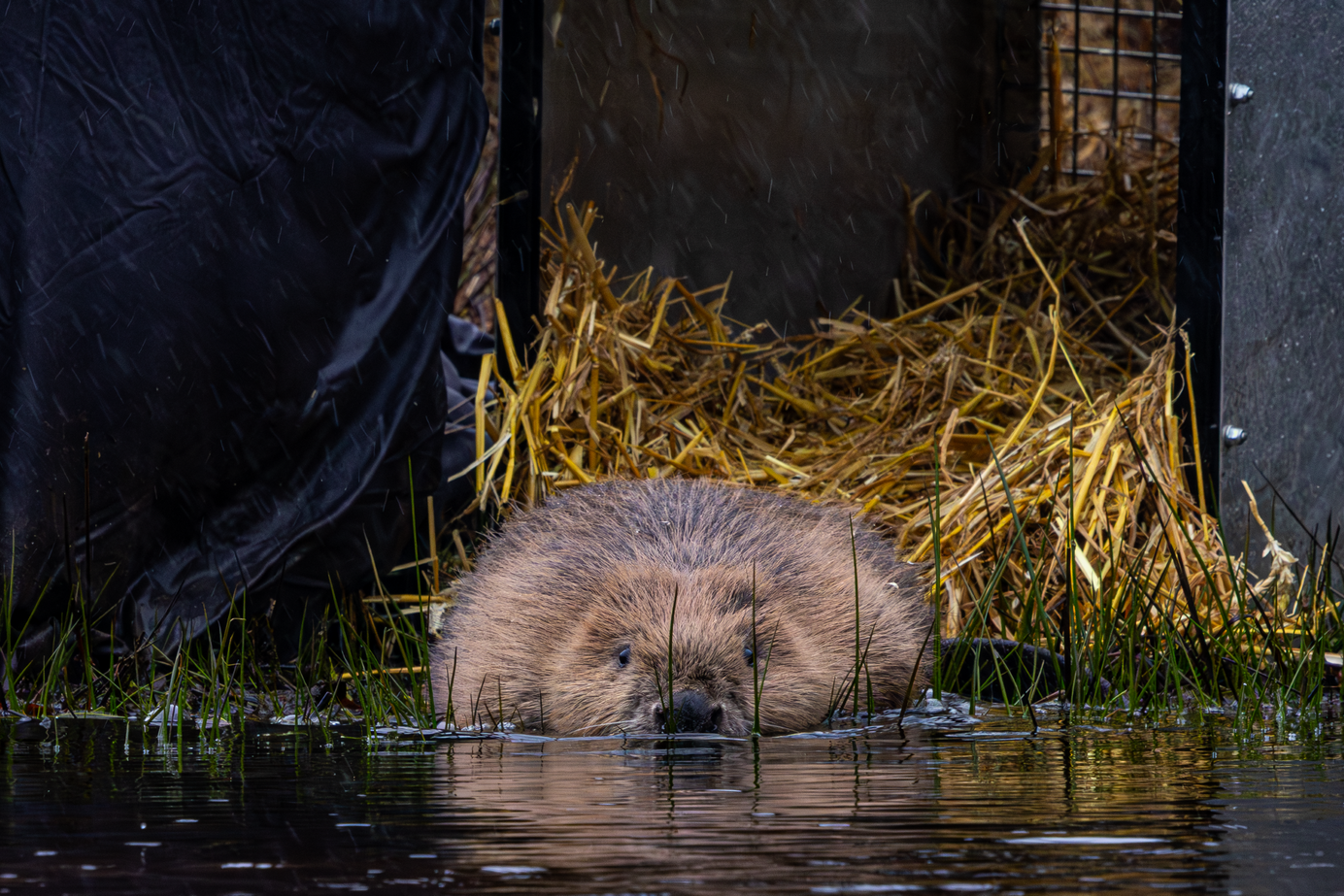
- Beavers have been born in Hampshire for the first time in 400 years, reports the Independent.
- Some 240,000 new trees have been planted in the Humber Forest over the past year, reports the BBC.
- Dame Judi Dench is among those calling for a reprieve for 11 trees due to be cut down to make way for a new annexe for Ripon Cathedral, reports the BBC.
- The South of Scotland Golden Eagle Project faces imminent closure unless new funding can be found, reports BirdGuides.
- A proposal to build a new Flamingo Land resort on the banks of Loch Lomond has been rejected by the national park authority, on the grounds it does not comply with environmental and nature conservation policies, reports the BBC.
Reports
Green Belt | A collaboration between the countryside charity CPRE and The King’s Foundation has published a collection of 14 essays, each setting out an expert’s vision for the future of the Green Belt. ‘Perspectives on the Urban Edge’ includes a range of views from various fields, including law, agriculture, conservation and planning. Not every contributor opposes development on the Green Belt, but all are concerned that pressures from development risk losing vital green space within reach of 30 million people. The essays touch on topics including the history of Green Belt; peri-urban farming; healthy cities and public access; and overcoming the urban-rural divide. In the foreword, CPRE vice president Fiona Reynolds writes: ‘No-one is entirely committed to the Green Belt as currently defined, and this is therefore an opportune moment to consider a change of purpose while keeping their extent intact.’
Peat | The IUCN UK Peatland Programme has released its 2024 progress report, following on from the UK Peatland Strategy from 2018. The document summarises the current state of peatland conservation and conservation, finding that around 250,000 hectares of restoration activity has taken place since the 1990s. That may sound impressive, but it fails to put the UK on track to meet the target of 2 million restored hectares by 2040 that was set out in the original strategy. Presently, Scotland is the only nation where more than 50% of designated peatland sites are in a favourable condition – although the uncertainty of much of the data on peatlands makes it difficult to assess their true state in many cases.
Ocean | For the first time, scientists have mapped how much carbon is contained in the bottom of the ocean around the UK – and it’s a lot. The Blue Carbon Mapping Project, carried out by the Scottish Association for Marine Science on behalf of WWF, the Wildlife Trusts and the RSPB, found that the top ten centimetres of the UK seabed contains some 244 million tonnes of organic carbon. Separate findings for the various seas around the UK are spelled out in a series of reports. Report co-author Michael Burrows explained how they conducted the analysis in a feature for the Conversation. The reports also highlight the threats to this underwater carbon, including bottom trawling and offshore development. In response, charities are calling for better management of marine protected areas, improved strategic planning of activities in UK seas, and more investment and research on protecting blue carbon. Channel 4 and inews were among those to cover the story.
Science
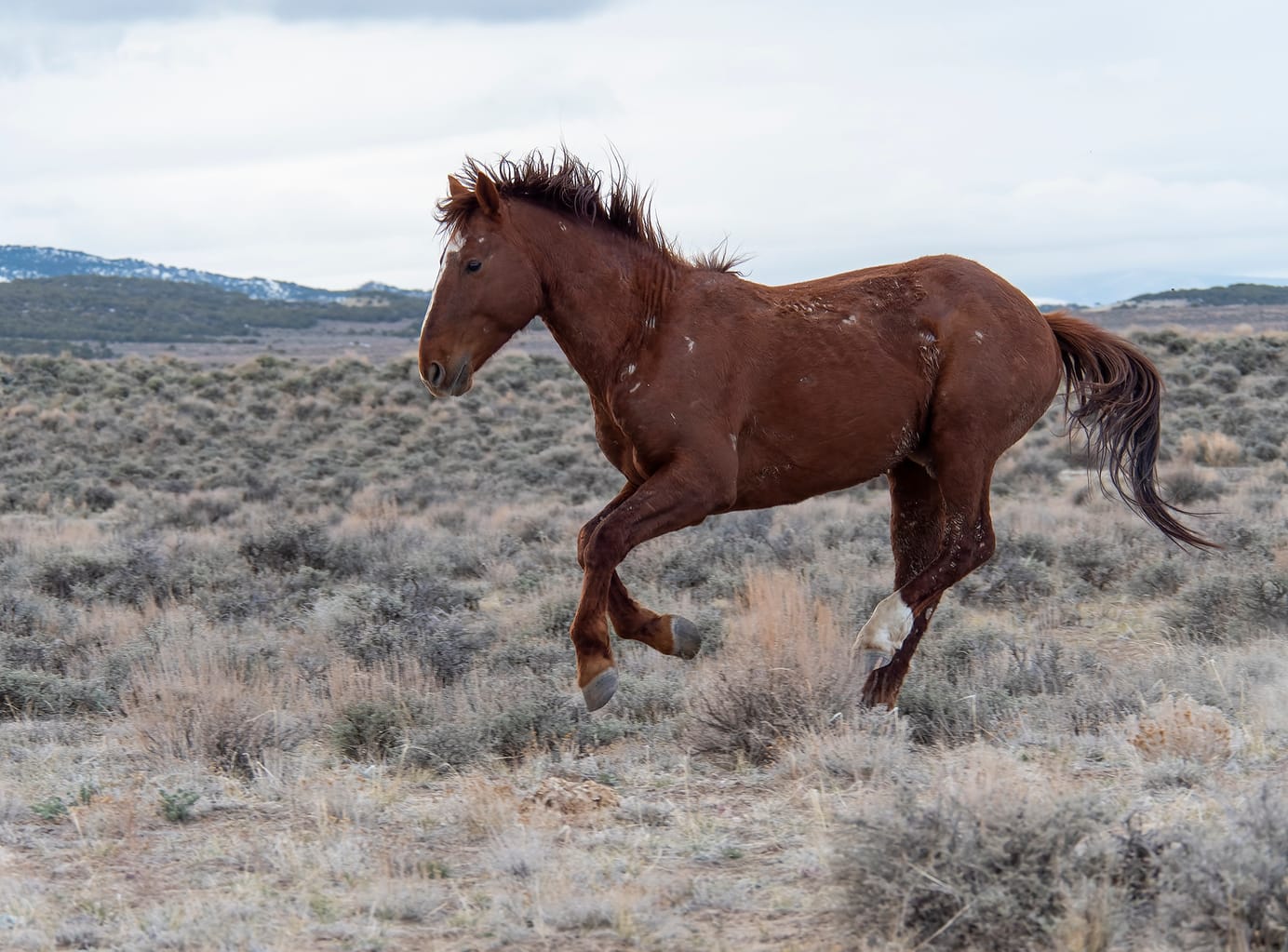
Horses | It is becoming more common to use horses in rewilding initiatives across Europe, but the special millennia-long relationship between humans and horses means that their reintroduction is fraught with practical, ethical and emotional difficulties. A study, published in Biological Reviews, summarises these conflicts and suggests ways forward. Domestic horses are bred for certain characteristics, leading to low genetic diversity and inbreeding, while many are brought up on artificial diets and within unusual living conditions. These lead to health issues that may be intensively managed within kept individuals, but require a different approach in wild specimens. The authors suggest new terminology for rewilded horses, maintenance of genetic diversity, and the restoration of natural population control processes.
Soil | Pollution is the greatest threat to healthy soils, according to a paper published in iScience. Soils harbour around 60% of global biodiversity, yet threats to soil life remain understudied compared to above-ground ecosystems. To address this, researchers conducted a meta-analysis of data from 624 studies, examining threats including climate change, land-use intensification, pollution, invasive species and habitat fragmentation. They found that, unlike above-ground biodiversity, where land-use and climate change are usually the greatest threats, pollution had the largest negative impact on soil communities. Metal pollution had the strongest effect, although pesticides were also significantly harmful. In a blog summarising the research, co-author Dr Victoria Burton said the findings highlighted the need to explicitly include soil fauna in future research, both to conserve biodiversity and to safeguard future food production.
Amphibians | It is often assumed that bigger is better for protected areas when it comes to protecting biodiversity. However, regarding amphibians, that is not necessarily the case, argues a group of zoologists in Nature Communications Biology. Establishing smaller ‘microreserves’ of less than 10 square-kilometres would be a highly effective way of maintaining threatened amphibians, which are poorly represented by the network of larger protected areas as it stands. Reserves of this size could cover all or most of the distributional range of many species, including animals that would otherwise be excluded from larger reserves. ‘As humanity unites in ambitious land-based conservation goals for the near future, it is a pivotal moment to revisit our assumptions about how very small PAs are valued and placed,’ the authors conclude.
Driftwood
National Parks | The Guardian’s environment editor Damian Carrington has investigated the plight of England’s National Parks – and why they are failing nature. This deep dive examines the history of the Parks, which were initially set up 75 years ago. At the time, the main concern was the encroachment of urban sprawl and industrialisation – so Park authorities were created to act as planning authorities. Fast forward to today, and it is the intensification of farming, rather than buildings, which has caused the most destruction, yet Park authorities have neither the power nor the resources to prevent this. Another issue is the boards overseeing the Parks: they are almost the definition of ‘pale, male and stale’, according to Carrington, and only 15 out of 225 members have professional conservation or ecology expertise. The newly installed Labour government could be ‘an opportunity for a new start’, he writes, but ‘deep reform is needed’.
Camping | Would you consider paying £20 for the right to camp in nature? Two school friends who grew up on Dartmoor are attempting to resolve the ‘right to roam’ debate, according to a feature in the Times. They have created Camp Wild: a network of more than 150 wild spaces across England and Wales, where users can book an area of private land for 24 to 48 hours. Co-founder Tom Backhouse explained that the aim was to support landowners with the conservation of natural spaces, while enabling wild adventures and nature connection for more people. However, not everyone agrees with the principle of ‘paywalling nature’, as activist and barrister Paul Powlesland called it on X. He wrote that wild camping represents the ‘chance to be alone in, and with, nature’ – ‘not because you’ve booked and paid for [it] on yet another bloody app, but because it’s the basic right and inheritance of all people in these islands.’
Extinction | Thousands of years ago, during the Pleistocene, the islands of the Mediterranean were home to populations of dwarf animals, including boar-sized hippos and horse-sized elephants. Then they went extinct – and new research suggests that humans were to blame. Ecologists and archaeologists have studied when humans first arrived in Cyprus, and whether they had the capacity to wipe out these animals, using mathematical models relying on population size, longevity, survival and fertility. Contrary to previous belief, it seems that ancient humans would have been capable of wiping out these tiny ‘megafauna’, and did so in less than 1,000 years. The team writes about their findings in the Conversation. Separately, nature writer Mark Cocker looks at mankind’s long and fraught relationship with nature, from Roman times to the Pleistocene, in his review of Jeremy Mynott’s new book, The Story of Nature: A Human History. You can read it in the Spectator.
Further reading:
- The news on English rivers isn’t all bad, writes Michelle Jackson, a freshwater ecologist at the University of Oxford, in the Guardian.
- A feature in the Times explores how cities can be turned into ‘sponges’ capable of dealing with greater flooding.
- British spiders take the spotlight in a new series of Royal Mail stamps, reports the Independent.
- A feature in the Guardian looks at the efforts underway to restore Exmouth national park.
- The Times speaks to ‘kayak vigilante’ Don Staniford, who is raising awareness of conditions at Scottish salmon farms – despite the threat of a lawsuit.
- Read an extract from Chloe Dalton’s new book, Raising Hare, about her efforts to bring up a leveret, in the Guardian.
- The Guardian interviews Pam Warhurst, the founder of the guerrilla gardening movement Incredible Edible.
Happy days
Deadwood | Gardens tend to lack deadwood, yet this is a vital habitat and hunting ground for many species of invertebrates, mammals, birds, reptiles and amphibians. Discover Wildlife shares some simple ideas for incorporating deadwood into a garden today, including a stumpery – popular among the Victorians for displaying their ferns – and a logpile. If you’re lucky enough to live in a stag beetle hotspot, it suggests burying a piece of wood, as the bugs need submerged, rotting wood to complete their life cycle.
Subscribe to our newsletter
Members receive our premium weekly digest of nature news from across Britain.
Comments
Sign in or become a Inkcap Journal member to join the conversation.
Just enter your email below to get a log in link.