Nature Restoration Fund & Skiing Ecology
The latest news on nature and conservation in Britain.
Hello, everyone! Just a quick note to say that this will be our last newsletter of the year. We are taking a two-week break over Christmas, and will be back in 2025. Thanks to everyone who has read and supported us over the last 12 months; we couldn't do it without you. Hope you all have a lovely festive season! -Sophie
National news
Planning | Labour has released a planning reform working paper, outlining how it intends to accelerate house building while also protecting nature. At the heart of the proposal is a new Nature Restoration Fund. The idea is to streamline the building process by allowing developers to pay into a central fund, allowing them to start building immediately, rather than having to undertake site-specific assessments and plan mitigation action themselves. The sum of money will be calculated and then distributed by a delivery body, most likely Natural England, into nature restoration projects across the country. Writing in the Sunday Times, environment secretary Steve Reed and housing secretary Angela Rayner said that the reforms would deliver ‘on our plan for change, while protecting the natural environment we all depend on.’ For some useful analysis of the risks and benefits of this approach, see this thread by Richard Benwell of Wildlife and Countryside Link. The Times covered the news.
Councils | Also on the subject of planning, new research by Wildlife and Countryside Link has revealed that 59% of local authorities are failing to meet their obligations on biodiversity. Under the Environment Act, these authorities have a legal duty to develop actions to protect the environment by 1 January 2024, with policies and objectives to deliver upon them to be agreed ‘as soon as possible’ after that. But according to freedom of information requests, made to 294 councils, only 41% have both actions and policies in place. Around a third had not even met the original January deadline, while a quarter had met that deadline but had failed to produce any supporting policies. Charities have launched a new campaign, Wilder By Design, urging the government to include key measures to protect nature in the upcoming Planning and Infrastructure Bill. The Chronicle covered the news.
Parks | On the 75th anniversary of the creation of England’s National Parks, the government has announced that new powers will be granted to the authorities in charge of the country’s Protected Landscapes to boost nature recovery and access to the outdoors. The measures include a general ‘power of competence’ for National Park Authorities – which will clarify their legal framework, reduce bureaucracy and enable a more entrepreneurial approach – and guidance to ensure that public bodies operating in these areas, including water companies, deliver better environmental outcomes. Defra said the changes will also see more trees planted, more peat restored and more habitat created to support the government’s environmental targets. The Campaign for National Parks wrote on X that the news was a ‘very welcome anniversary gift’, adding that it had been ‘campaigning for this for a long time’.
In other news:
- The Office for Environmental Protection has found that the government and industry regulators have broken the law by allowing water companies to spill sewage. The BBC and ENDS reported the news.
- The Scottish government has launched a consultation on its draft action plan to protect seabirds.
- Defra has confirmed plans for a new UK food strategy, reports ENDS.
- Natural Resources Wales has launched a peatland restoration grant offering landowners between £10,000 to £250,000 to develop and deliver peatland restoration in 2025.
- The Health and Safety Executive has published a recommendation that the use of lead ammunition for live shooting should be banned. Wild Justice reacted to the news here.
- The Environmental Audit Committee has launched an inquiry into whether international treaties are adequately protecting marine ecosystems.
Across the country
Teesdale | The Environment Agency has completed the latest phase of a project to reduce metal pollution in the Upper Teesdale rivers. Around 200km of rivers in Teesdale and Swaledale are polluted by metals washed out of long-abandoned mines. To tackle this, the EA has created three hectares of vegetation plots above Middleton-in-Teesdale to reduce rainwater runoff and help filter the remainder. The project used an innovative hydroseeding technique which involves spreading seed and mulch by hose to create erosion-resistant layers in which plants can thrive. A related programme is using locally-sourced plants to encourage the growth of rare calaminarian grassland habitats, composed of metal-tolerant plants found across the North Pennines. The combination of both will help to improve water quality in the area and downstream, and boost local biodiversity. The Northern Echo covered the news.
Gloucestershire | National Highways and Natural England have signed a ‘landmark’ agreement putting environmental issues at the forefront of a major construction project in Gloucestershire. The memorandum of understanding concerns a new 37 metre bridge to be built over the A417 road in the Cotswolds. The bodies have agreed to invest £402m into environmental schemes, including a 27 metre strip of chalky grassland and hedgerows on the crossing. The plans also include a dedicated bat underpass, bird fencing to limit collisions, and the translocation of more than 2,000 reptiles and 100 Roman snails. More than 100,000 trees and eight hectares of grasslands will also be planted. The BBC reported the news.
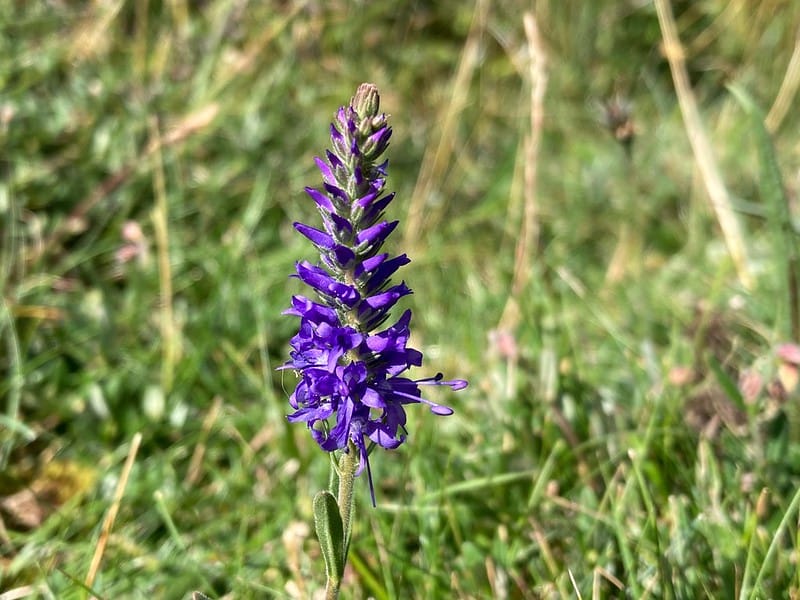
Yorkshire | One of the UK’s rarest wildflowers has received a helping hand thanks to the Wild Ingleborough programme in Yorkshire. Spiked speedwell is a small, purple wildflower found in only a few locations, including the Yorkshire Dales. Researchers collected seeds from a cluster which clings to an exposed cliff ledge high on the Ingleborough massif, where it is out of reach from grazing sheep. Some were sent to Kew Gardens’ Millennium Seedbank for long-term protection, while around 600 were successfully germinated and potted. Now, 75 have been planted out at Ingleborough, as part of a wider programme to restore wildflower and shrub species across the mosaic of upland habitats. Other species cultivated in the nursery this year include bloody cranesbill, globeflower, and a variety of montane willows.
Further reading:
- Dorset Council has announced a two-year project to restore Avon Heath Country Park, a 210-hectare site which is home to all of Britain’s native reptile species, reports the BBC.
- The charity Groundwork is planning to install almost 100 bio-receptive tiles and six artificial rock pools on a disused slipway in Whitby to attract new species, reports the Yorkshire Post.
- Colchester City Council has introduced a herd of rare breed Dorset Down sheep to aid conservation efforts at a country park over winter, reports the BBC.
- Yorkshire locals are campaigning for an end to plastic tree guards after more than 132,000 were used for planting efforts in the Howardian Hills, reports the Yorkshire Post.
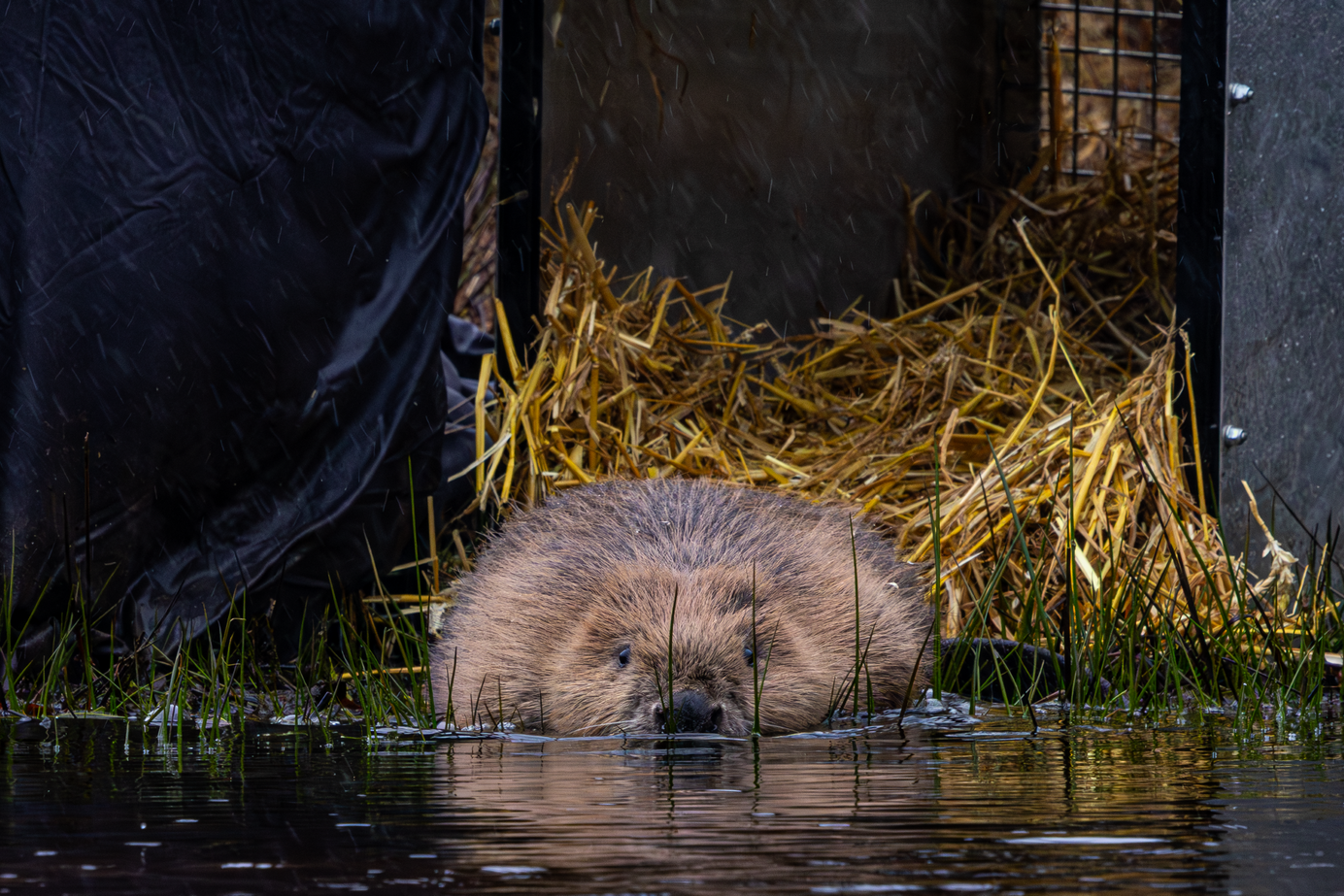
- Forestry and Land Scotland has applied for a licence to release beavers into Glen Affric, as soon as next spring if the licence is approved, reports the BBC.
- Butterfly Conservation is searching for ‘hardy’ volunteers in south Wales to join their winter tradition: searching for pinhead-sized butterfly eggs in prickly hedgerows.
- Cumbria Wildlife Trust has completed its purchase of Skiddaw Forest in the Lake District after raising £1.25m in six weeks.
- Writer Louise Welsh and architect Jude Barber are leading calls to grant the River Clyde a legal ‘right to personhood’ to safeguard its waterways, reports the Herald.
- Southend-on-Sea City Council has replaced pesticides used on a golf course with hawking, reports the BBC.
- Comhairle Nan Eilean Siar (the Western Isles council) has signed an eight-year deal to turn all of the non-recyclable waste on Barra and Uist into green fuel, thanks to a fast-acting bacteria, reports the Times.
- Bradford City Hall has filed a planning application to install nests on its iconic clock tower to help peregrine falcons nest and breed, reports the Yorkshire Post.
- The number of great skuas on Shetland is very slowly increasing after being devastated by bird flu, according to NatureScot.
- The RSPB has documented record numbers of one of the UK’s rarest moths, the Dark Bordered Beauty, at the Insh Marshes reserve in Kingussie, reports Scottish Field.
Reports
Flooding | More than six million homes in England are at risk of flooding, according to research by the Environment Agency. The body has published its National Assessment of Flood Risk, providing an updated picture of risks from rivers, the sea and surface water under the latest climate projections from the Met Office. The modelling revealed much higher numbers than the agency’s previous assessment in 2018, with 6.3 million homes currently estimated to be at risk, rising to 8 million – or one in four properties – by 2050. The assessment also analysed the rising risk of coastal erosion, with 3,500 properties endangered by 2055, increasing to around 10,000 by the end of the century. In light of recent funding cuts to flood protection plans, campaigners are calling on the government to strengthen its strategy to deal with the impacts of extreme weather. The Guardian, the Financial Times and the BBC reported the news.
Marine | The Wildlife Trusts has published its annual Marine Review, looking back at the research, discoveries and conservation successes of the year. Notable discoveries involve multiple climate change indicator species and non-native species in British waters. These included rare sea slugs, devil’s tongue weed, and even a loggerhead turtle, which was relocated back to the Azores. The report also highlights projects such as the Blue Carbon Mapping Project, which saw the UK become the first country to estimate the carbon stores in its seabed habitats, and the completion of a network of snorkel trails around Scotland. Meanwhile, local Trusts used cutting-edge technology such as thermal imaging and drones to survey populations of seals and gannets respectively. Read the full report here.
Biodiversity | A report by the UN’s biodiversity panel, IPBES, has warned that ‘fragmented governance’ between biodiversity, climate change, food, water and health is putting them all at risk. The ‘nexus assessment’ explores the interconnections between these issues, and warns that focusing heavily on one – climate change, for example – could have negative impacts for both humans and nature. On the flip side, the authors stress that many of the actions to tackle biodiversity loss also have co-benefits for the climate. Overall, they laid out 71 solutions to addressing the intertwined issues, with the list including rewilding, reducing plastic pollution, and reforming global finance systems to fix the nature ‘funding gap’. The report was approved by almost 150 countries including the UK, and involved three years of research. Carbon Brief has a thorough summary of five key takeaways, with further coverage by the Times and the BBC.
Science
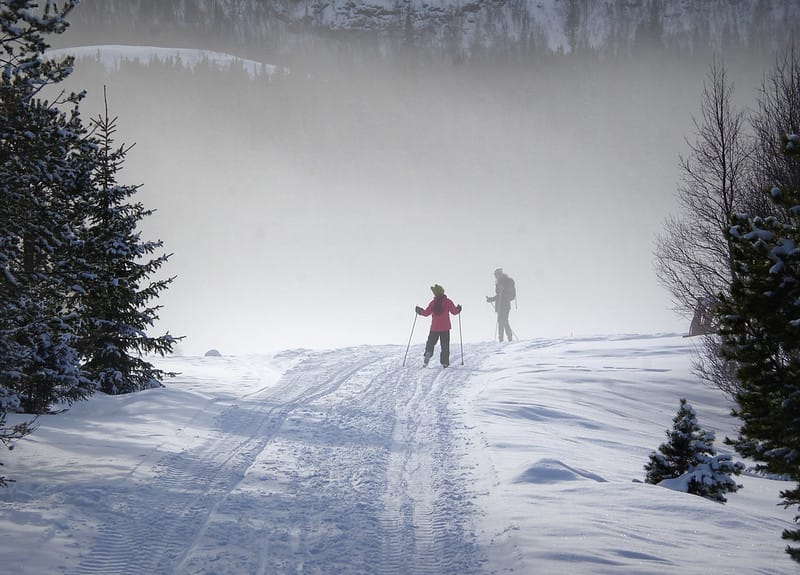
Skiing | Climate change is often highlighted as a threat to the ski industry, but what impact does skiing have on local wildlife? The effects of ski slopes on bird communities are mostly – but not uniformly – negative, with the impacts depending on both elevation and species. Ski-pistes can act as a proxy for avalanches, which create habitat mosaics that host unique avian assemblages. A study in Ibis explores the extent to which the pistes can compensate for the loss of these natural disturbances, which are decreasing in both frequency and severity due to temperature rise and land use change. Pistes at higher elevations fared the worst when compared to natural avalanches, and the authors recommended that the development of new ski resorts be avoided here at all costs. In the montane forest zone, however, pistes could act as a refugia for open habitat species that are losing ground at higher elevations, so long as their management is sustainable.
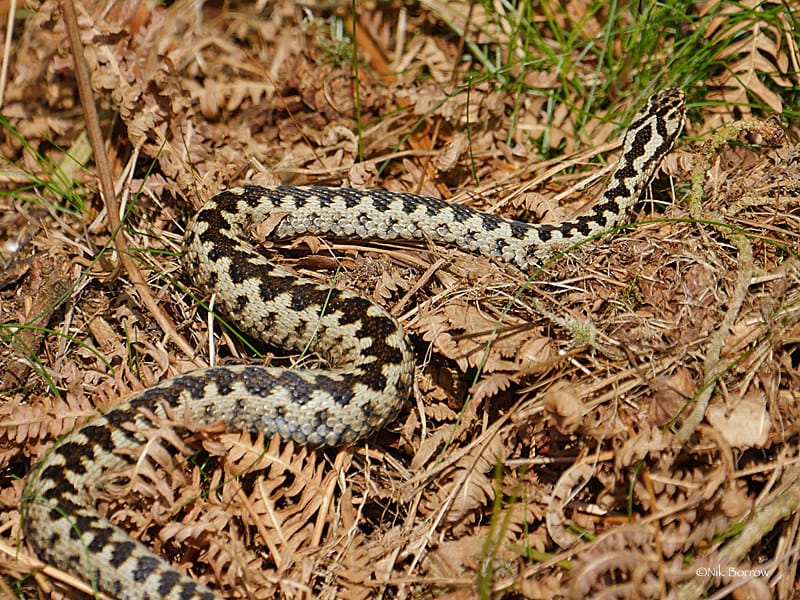
Reptiles | In 2019, the charity Froglife created basking banks – raised areas of rock, brick and bare earth – at a private reserve near Peterborough as a way of expanding favourable habitat for the European adder. For the next five years, researchers monitored the site, not only for adders but also other reptiles, including slow worms, barred grass snakes and viviparous lizards. Each species had a unique response to the intervention, but in general the experiment showed basking banks to be a low-cost intervention with the potential to enhance local reptile diversity. ‘We think reptiles probably used the banks even more extensively than was recorded, as they are good places to hide from researchers,’ said Dr Brian Pickles, of the University of Reading, who led the research. The paper was published in Conservation Science and Practice.
Ospreys | Drones are the least disruptive method of monitoring osprey nests, according to a study published in Wildlife Biology. Monitoring is occasionally necessary – for instance, when the structure needs maintenance – and there are various ways to assess what’s happening inside the nest, including climbing and bucket truck surveys. Researchers compared these methods across the southeastern US, and found that ospreys spent more time on their nests and made fewer agitated calls when drones were employed, compared to other methods. The researchers acknowledged that osprey behaviour is complex, and that staying on the nest may also be a form of protective behaviour, but reached the overall conclusion that drones were the ‘best choice’ for those needing to catch a peek of the birds.
Driftwood
Christmas trees | On the Scottish island of Bute, an unassuming crop of young Christmas trees is the surprising location for a project at the forefront of mycoforestry. This is the emerging but nascent practice of cultivating fungi as a food crop from tree planting. What might look like a simple polytunnel of Scots pine seedlings is actually the seedbed for an experiment that could produce the first carbon-negative source of protein grown on a commercial scale. This involves inoculating the seedlings’ roots with ectomycorrhizal fungi, which will eventually produce protein-rich mushrooms. When the seedlings are planted out, they will – theoretically – create a plantation with the capability of sequestering hundreds of kilos of carbon for every kilo of mushroom protein produced. Read more about how the process could make Christmas trees more sustainable on Wired.
Map | The RSPB has released a map showing the fates of the majority of its tagged hen harriers, allowing the public to see the place and cause of death or disappearance of each bird, including illegal persecution, suspicious circumstances and natural causes. The map includes data on 178 of the 226 harriers tagged by the charity since 2014. Those that are currently alive do not feature on the map, while others have been left off due to ongoing police investigations. An accompanying blog highlights the case of Chance, whose tag suddenly stopped working on the grouse moor to which she had returned to breed in 2016. ‘Hen Harriers are the most intensely persecuted birds of prey, and the tags continue to provide us with the facts that the persecution is continuing,’ said Jenni Burrell, investigations intelligence officer at the RSPB.
Shellfish | Oysters and mussels offer a sustainable source of protein, yet they are underused in the UK, according to a short feature in the Guardian. During the Victorian times, oysters in particular were an important part of British culture, and yet in recent times the industry has dwindled, thanks to the collapse of reefs due to dredging, overfishing and pollution, and to regulations that prevent their sale in the EU. Poor water quality also continues to hamper the business. Yet shellfish farming offers a biodiversity-friendly source of sustenance: the bivalves help to clean the seawater, require little input, and act as nurseries for fish. Producers are now lobbying the government to lift restrictions and boost the industry. ‘What is a cottage industry should be huge in this country,’ said Robin Hancock, who runs a seafood business.
Further reading:
- A feature in Noema looks at the relationship between humans and nature, with a focus on fertility control in wild animals.
- To round off the year, the Guardian has a list of five UK biodiversity success stories, while BBC Future looks at seven breakthroughs for climate and nature. You can also read about the ‘weird and wonderful’ plant and fungi species discovered this year in the Guardian.
- A blog by the Wildlife Trusts takes a look at the native species which have become enduring cultural symbols in festive myths and folklore.
- A feature in the Conversation digs into Guy Shrubsole’s latest book, The Lie of the Land: Who Really Cares for the Countryside? – and why he argues that landowners are not the best stewards.
- A blog by NatureScot highlights the deer culling measures taking place at Creag Meagaidh reserve, and why the public should try venison this winter.
- In the Press and Journal, read about what it is like to look after the UK’s only free-roaming herd of reindeer in the Cairngorms.
- An article in the BBC explores an initiative to return a rare type of heritage apple to Cardiff after a century of absence.
- The University of Exeter is collaborating with Natural England to run two community art projects in nature-rich landscapes in Devon and Cornwall. Read more here.
Happy days
Rewilding | The charity Tir Natur is nearing the end of a fundraising drive to purchase an area of land in Wales covering more than 1,000 acres. Once the sale is complete, the plan is to rewild the ecosystem – which would make it the largest restoration project in the country. Currently, the site has rivers, peat bogs and some ancient trees; the aim is to introduce ancient breeds of livestock to graze the land and act as proxies for extinct and missing fauna including aurochs and wild boar. With just a couple of weeks to go, they are very close to meeting their target of £60,000 – so why not end the year on a positive note and help to push them over the line? You can donate here.
And, with that, we are signing off for Christmas. Have a lovely, wild & restful festive break!
Subscribe to our newsletter
Members receive our premium weekly digest of nature news from across Britain.
Comments
Sign in or become a Inkcap Journal member to join the conversation.
Just enter your email below to get a log in link.