Ocean Heat & Fossil Hunters
The latest news on nature and conservation in Britain.
Welcome to Inkcap Journal, a newsletter about nature and conservation in Britain. Not a member? Sign up for a 30-day free trial.
National news
Oceans | The surface of the world’s oceans has hit its highest ever temperature as climate change causes it to heat up. Last Friday, the Copernicus climate modelling service reported an average temperature of 20.96C, breaking the previous record set in 2016. Notably, the oceans are usually at their warmest in March, and scientists are worried about the potential for further heating over the next six months. The Wildlife Trusts expressed their “great concern”, warning that “the UK will not be immune to the changes we are seeing”. High ocean temperatures endanger marine species across the globe, as well as impacting ocean currents, storm activity, and the oceans’ capability to absorb carbon dioxide. The Trusts are calling on the government to accelerate net zero efforts, and to resource research into the potential impacts over the next five years. The BBC, the Guardian and the New York Times covered the news, among others. Copernicus also confirmed that July was the planet’s hottest month on record, reports the Times.
Politics | Conservative peer Zac Goldsmith has said he would be “very tempted” to support Labour at the next election if they demonstrate a “real commitment” to the environment. Goldsmith resigned from government five weeks ago over Rishi Sunak’s “apathy” toward climate issues. Now, talking to the BBC’s HARDTalk, Goldsmith said he hopes that the Conservative party “comes to its senses”, but that there is “no solution to climate change that does not involve nature” – and currently his party has no “clear answer” to the challenge. The BBC, the Guardian, the Times and the Independent reported the news. Meanwhile, environment secretary Thérèse Coffey has warned Sunak not to abandon green policies, saying that the party must “continue to show that we care about the environment” to win the next election. The Times and the Guardian reported the story.
Grassland | The charity Plantlife UK and its partners are calling on the government to develop a Grassland Action Plan for England. Grassland covers more than 40% of England’s land, constituting a vast natural asset, yet its potential is untapped, according to the charity. An estimated two billion tonnes of carbon is stored in grassland soils across the UK, but Plantlife says that sequestration could be greatly improved by changing the management of grasslands to increase plant diversity and reduce monocultures. As competing pressures on land grow, the charity says the government must ensure that grasslands receive the same level of strategic focus and investment as peatland and woodland.
In other news:
- The Labour party would extend the right to wild camp to all English national parks if elected, reports the Guardian.
- Thérèse Coffey has ordered that staff at Defra ‘cease engagement’ with Greenpeace after a protest at the home of Rishi Sunak, reports ENDS.
- Early reports suggest that Little Terns have had a successful breeding season in parts of the UK, despite the impact of bird flu on seabirds, according to BirdGuides.
- The government is setting up a Climate Resilience Board to steer government action on climate change, reports ENDS.
- The UK’s six biggest water firms are facing lawsuits over claims they have underreported sewage pollution and overcharged customers, reports the BBC and the Guardian.
- Thérèse Coffey privately advised water companies to save money by delaying climate change measures, according to ENDS. The Times and BusinessGreen reported the story.
Across the country
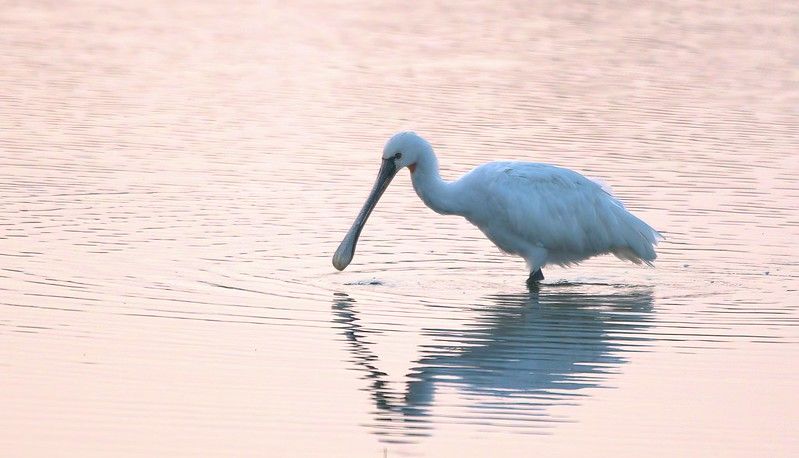
Norfolk | Spoonbill chicks have fledged in the Norfolk Broads for the first time since the 17th century. The species is of European conservation concern, and one of the UK’s rarest breeding birds, with only eight known breeding sites in England. The Norfolk Wildlife Trust said the successful hatching demonstrates that its work to enhance habitats in the Broads is “hugely important” for the future of its wildlife, and especially for returning former lost species to the landscape. The fledglings are known as ‘teaspoons’ on account of their shorter, flat bills. The BBC and BirdGuides covered the story.
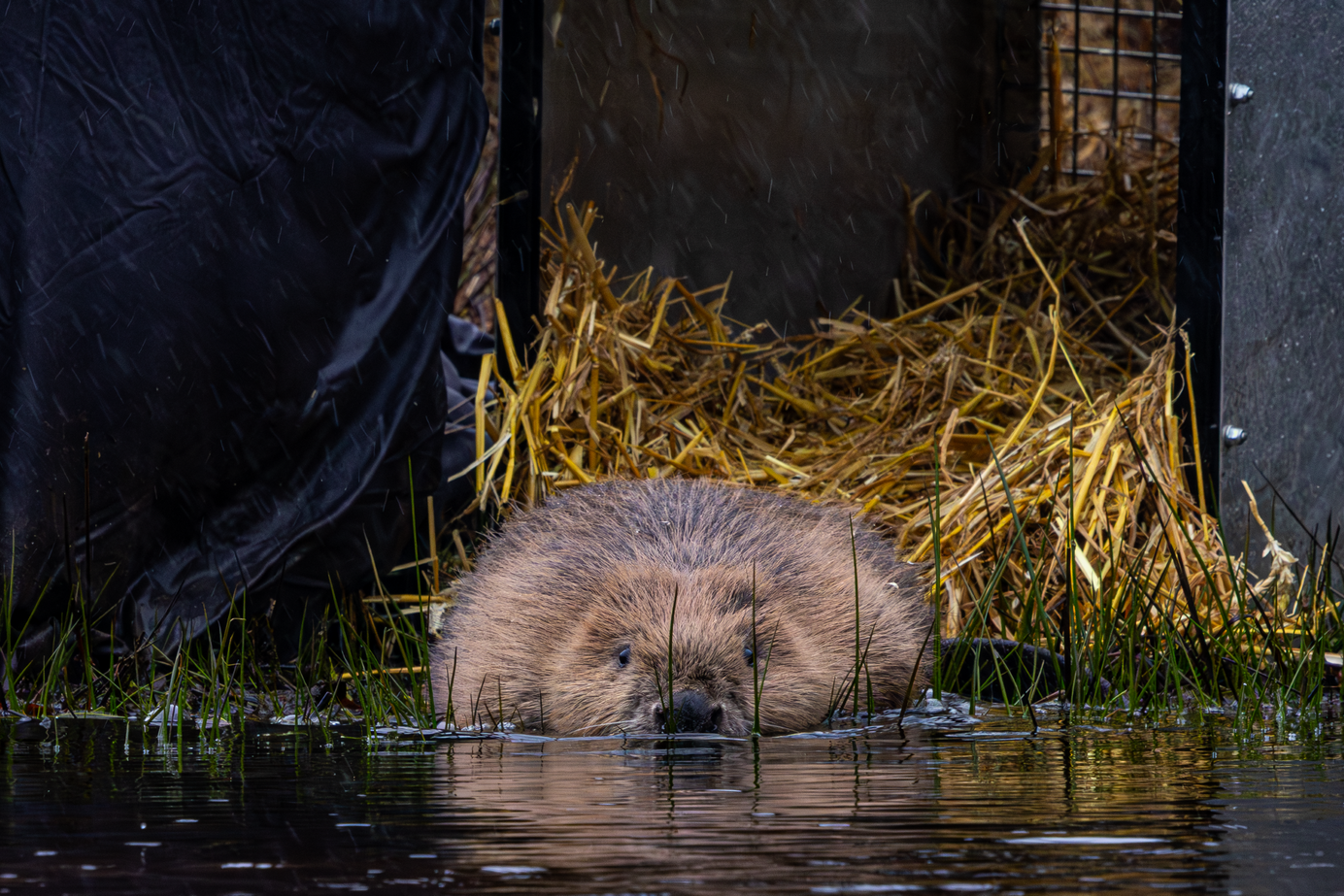
Cairngorms | Beavers could be set to return to the Cairngorms this autumn. The National Park Authority will speak to local residents over the next two months about its proposals to release the species at a number of potential sites, including Rothiemurchus, the RSPB’s Insh Marshes reserve, and land managed by Wildland Cairngorms. Beavers have been missing from the Cairngorms landscape since they died out in Scotland around 400 years ago, but the authority’s proposals would see individuals from the Tay area relocated to the River Spey to create a self-sustaining population. After gathering public opinion, CNPA will need to apply for a licence from NatureScot before any releases can take place. The BBC and the Scotsman covered the news.
Sunderland | At least 57 athletes have fallen ill with sickness and diarrhoea after swimming in the sea at Sunderland during the World Triathlon Championships. The swim took place off Roker beach, where sampling by the Environment Agency three days before the event showed levels of E. coli 39 times higher than typical readings. However, British Triathlon – the governing body – said the sampling results were not published until after the event, while Northumbrian Water insisted it had no recorded discharges which could have affected the water quality. Australian athlete Jacob Birtwhistle wrote on Instagram that he had felt “pretty rubbish since the race, but I guess that’s what happens when you swim in shit.” Liberal Democrat councillors are urging Sunderland Council to hold an emergency meeting to get to the bottom of the issue. The Guardian and Chronicle Live reported the news.
Elsewhere:
- Invasive pygmyweed is posing a threat to native aquatic species in the Lake District, reports the Times.
- In Llanberis, feral goats have emerged from former quarries and are ruining local woodlands and rose-beds, reports the BBC.
- A social bird-feeding scheme run by the Shropshire Wildlife Trust is helping to tackle loneliness, reports the BBC.
- The first growing season at Northern Roots, the urban farm in Oldham, has been particularly difficult due to unseasonal weather, reports the BBC. Other farmers in Wiltshire are “heartbroken” by the wet weather.
- Researchers from Edinburgh’s Botanic Garden are hoping to replicate the effects of their rain-garden project to alleviate flooding on agricultural land, reports the Herald.
- Swindon Borough Council and Wiltshire Council have received £300,000 in government grants for tree-planting, reports the BBC.
- National Highways are relocating 600 fish from one side of the M25 motorway to the other to allow for upgrades to a junction in Essex, reports the BBC.
- Conservationists are celebrating the birth of three beaver kits in Exmoor National Park and also at the Knepp Estate wilding project in Sussex.
- Powderham Castle in Devon has set up a sanctuary for injured and disabled hedgehogs, reports the BBC. Meanwhile, the Cuan Wildlife Centre in Shropshire is receiving more hedgehogs and hoglets than usual due to the wet weather.
- Environmental charity Project Earth is fundraising to buy a ‘secret’ woodland at the centre of Bristol which has been private for more than 100 years, according to the Bristol Post.
- The Manx Wildlife Trust is searching for two volunteers to live on a remote island off the Isle of Man to count seals for their annual survey. Details of the job are in the Express & Star.
- A £20,000 scheme to reduce the number of gulls in Rhyl, Denbighshire, has been cancelled, reports BirdGuides.
- A joint project between the British Trust for Ornithology and the Yorkshire Dales National Park is using GPS technology to track the movement of curlews in the Dales, particularly in Wensleydale, reports the Northern Echo.
- More than 13,000 visitors used a watchpoint to view the nest of a pair of peregrine falcons in Cromer as their young hatched, reports the BBC.
- A conservation group in Cambridge is concerned that a tiny nature reserve protecting a river corridor will be endangered by planned university buildings, reports the Guardian.
- Seals in Cornwall have been moulting after becoming confused by the unseasonable weather, reports the Times.
- Lancashire Wildlife Trust has announced that plans to build a housing development on 74 hectares of lowland peatland in Greater Manchester have been scrapped.
Reports
Harriers | Wild Justice have released a report in the run up to the ‘Glorious Twelfth’, the official start of the grouse shooting season, criticising a government scheme to protect hen harriers. Brood management – or brood “meddling”, as the report refers to it – involves removing harrier chicks or eggs from nests to rear them in captivity, before releasing them after fledging. In theory, removing chicks reduces the density of harriers on moors, therefore leading to less grouse predation and, in turn, less harrier persecution by the shooting industry. However, Wild Justice argues that this method is “giving in to criminals” by rewarding them for past wildlife crimes, while also delaying more stringent prosecution measures. The organisation also posits that, after five years, there is little to no evidence that the scheme actually works, and the money – almost £900,000 – would be better spent on other aspects of hen harrier conservation. The Guardian and ENDS covered the report. Separately, Natural England published a blog on a “promising” first year for their hen harrier breeding programme, which aims to create a sustainable population in southern England. Meanwhile, the Countryside Alliance has published a report which concludes that the environmental, social and economic benefits of grouse moor management outweigh alternative uses – though the reaction on Twitter has been sceptical at best.
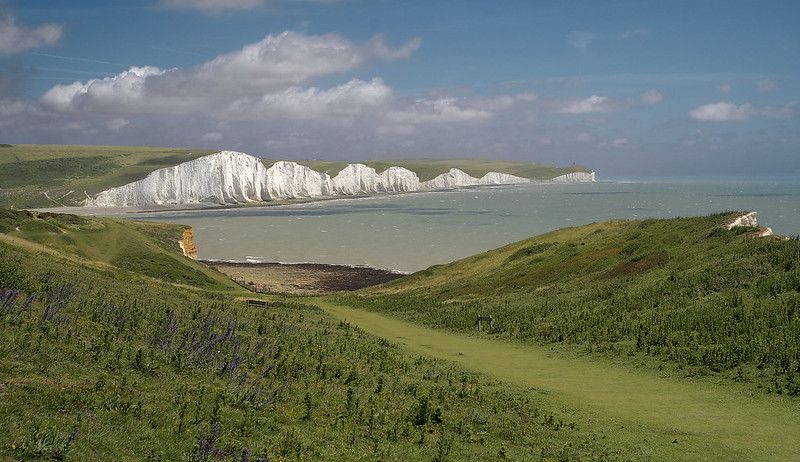
Chalk | In a report called Downs from Above, Historic England has used aerial imagery to map the South Downs landscape to the north of Brighton. The organisation examined more than 9,500 images and airborne laser scans, analysing hundreds of archeological sites from the Neolithic period to the Second World War. The detailed imagery reveals historic uses of the chalk landscape, from low earthworks characterising prehistoric and Roman field systems, to features of medieval agriculture including enclosures and dewponds related to sheep farming. The report is accompanied by an interactive map which invites the public to add data on the current condition of the land. James Brown, an archeologist for the National Trust, said the results will allow teams on the ground to better balance “the preservation of nature and heritage” in the unique landscape. The BBC covered the research.
Dartmoor | Defra has published a paper setting out the parameters for its independent review of protected site management on Dartmoor. The review, which is currently underway, will investigate how to best balance competing interests, such as farming and conservation, for Dartmoor’s complex environment. The scope of the review includes looking at trends in grazing animals and their influence on ecology, as well as examining existing data on the management and condition of SSSIs and SACs. On Twitter, campaigner Guy Shrubsole said it was “critical” that the review leads to accelerated nature recovery on Dartmoor, rather than weakening Natural England’s ability to protect reserves. The report is due this autumn, which people have noted will be “quick work”. ENDS reported the news.
Science
Soil | Soil is home to more than half of the Earth’s species, according to a study in the journal PNAS. Researchers conducted a review of biodiversity literature, and concluded that 90% of fungi, 85% of plants, and more than 50% of bacteria live in soil, making it the “the singular most biodiverse habitat” on the planet. At 59% of all species – from simple microbes to complex mammals – these results double previous estimates, which suggested only 25% of life is soil-based. The authors note that the estimate has a large error range (15% overall), but lead researcher, Dr. Mark Anthony, said the study is “the first realistic estimate of global diversity in soil”, and will help to advocate for the importance of soil life in the face of the biodiversity crisis. The Guardian covered the research.
Foxes | Urban foxes are bolder but not necessarily smarter than rural ones, according to a study published in Animal Behaviour. Researchers from the University of Hull conducted a two-year study of wild foxes in England and Scotland, leaving food ‘puzzles’ in 104 varied locations. They found that while foxes in urban settings were more likely to touch the puzzle feeders, they were no more likely to solve them than their countryside counterparts. Dr. Blake Morton, lead author of the study, said that the results disapproved the long-held belief that urbanisation is making wildlife smarter due to the challenges they face from living in cities. He added that it was an important reminder that “animals, just like people, are very nuanced in their behaviour.” The BBC, the Guardian and the Independent covered the research.
Terns | Arctic terns could be particularly resilient to the impacts of climate change, according to a study in Global Change Biology. Using tracking data, researchers from the University of Exeter and the Met Office studied the impact of projected environmental changes at key locations along the species’ migratory flyway. Arctic terns, which often breed in coastal areas of Scotland and Ireland, are known for having the furthest migration of any species on Earth. The study found that, despite the future threat of poorer foraging in the North Atlantic, the species is likely to be more resilient than most due to living their lives over vast areas. BirdGuides covered the research.
Driftwood
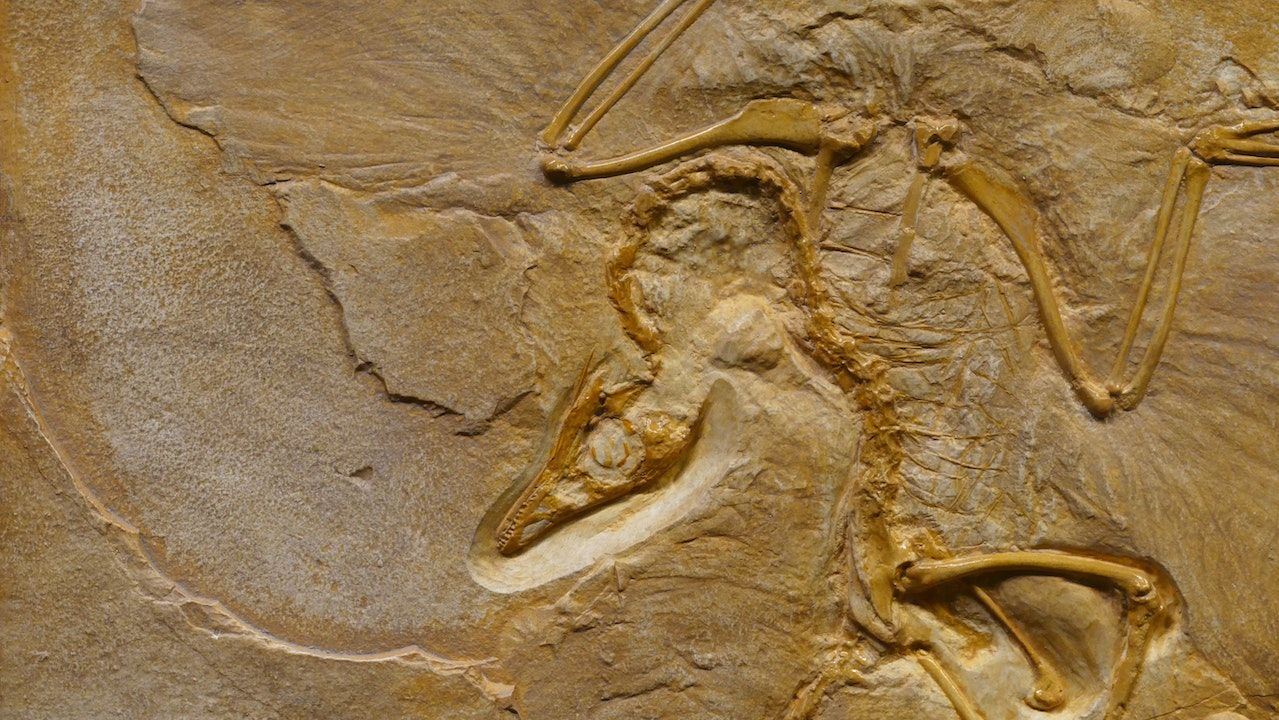
Fossils | NatureScot has published an updated version of the Scottish Fossil Code, a document which encourages people to explore Scotland’s fossil heritage responsibly. To mark the launch, NatureScot is highlighting the often-overlooked role of pioneering women in the history of Scotland’s fossils. The blog outlines the historic contributions of prolific fossil collectors such as Elizabeth Gray (1831-1924), as well as the work of illustrator Phoebe Anna Traquair (1852-1936), one of Scotland’s first professional female artists. Today, Dr. Elsa Panciroli of National Museums Scotland and Dr. Katie Strang of the Hunterian in Glasgow are leading the way with cutting-edge research, from the secrets of coprolites (fossil poo) to the remains of dinosaurs and salamanders on the Isle of Skye. You can read more about their work here.
Rewilding | “The world has moved on since the Stone Age,” according to farmer and author John Lewis-Stempel in a feature on the dangers of rewilding. Using France’s reintroduction of the wolf to demonstrate his point, Lewis-Stempel argues that the supposed desire to return to a primordial past is delusionary and anti-human: the wolves are a “tragedy” for both French livestock and for maintained landscapes such as grasslands. Closer to home, he laments the loss of British farming species, but argues that rewilding – which eschews human intervention – will do little to bring them back. “The priority needs of Nature, in the here and now, are saving the fauna and flora of traditional farmland’s ecosystems,” he writes. “Wolves must wait.” Meanwhile, for Countryfile, John Craven looks at the other side of the argument, exploring how livestock such as curly-coated pigs and bison can boost rewilding projects.
Deadwood | In an in-depth article on Walkhighlands, Ben Dolphin writes about the merits of deadwood. In his capacity as a ranger in the Cairngorms, Dolphin is often asked when fallen trees along the River Dee will be “tidied up”. In response, the article outlines how deadwood acts as a vital habitat for a huge range of life, starting with fungi – the primary colonisers – through to lichen and mosses, invertebrates, and up the food chain to larger species, who use it for shelter and nest space. The name itself, he argues, is a bit of a misnomer: although the wood itself is dead, “the word is entirely inadequate for describing something so full of life”.
Further reading:
- A feature in the Guardian examines the mystery of a totem pole, named after the Baltic god of thunder, which has appeared on a clifftop coastal path in Kent.
- An article in the Times takes a look at the repercussions of a road policy in Wales designed to support net-zero.
- In the Herald, read about the army of ‘plant detectives’ employed by the National Trust to catalogue every plant growing within the Trust’s 39 gardens in Scotland.
- Articles in both the Guardian and the BBC discuss how the cost of living crisis has reduced sales of Beyond Meat vegan burgers by almost a third.
- A blog by the Scottish Wildlife Trust narrates the process of surveying for butterfly eggs, while this one by NatureScot describes how cetaceans are monitored in the Hebrides.
- A feature in the Times explores the work of Dundee-based start-up Agricarbon UK, which aims to sell soil sequestration on the carbon credits market.
- This BBC article looks to debunk the myth that people swallow an average of eight spiders in their sleep every year.
- An article in the Telegraph reflects on a change to the litter found in the British countryside, with a noticeable uptick in luxurious items.
- For the Guardian, naturalist Stephen Moss writes about the steep decline of Britain’s wood warblers.
- A head stalker has warned that the Scottish government’s policy on deer culls risks wasting its “national asset” of venison, according to the Scotsman.
- A blog by Natural England outlines some successful examples of its aim to ‘farm for nature recovery’.
- Residents of Portsmouth were invited to suggest names for the new island constructed for overwintering birds: you can read an amusing selection on the Portsmouth News.
- A blog by author Paul Wood discusses the iconic status of London plane trees.
Happy days
Sound | In Emergence Magazine, a “sonic journey” written and narrated by biologist David G. Haskell explores the history of sound and song on Earth. Haskell invites the listener to imagine the “first soundwaves in the cosmos”, preceding even the first stars – and how they still pervade the universe today. In the sounds of earthquakes, pounding waves, windy mountains and lively rivers, he conjures the reverberations of Earth before life evolved. The 40-minute episode explores the “generative power” of sound through an immersive mix of spoken-word narration overlaid with the noises of nature: it is worth putting on a good pair of headphones.
Subscribe to our newsletter
Members receive our premium weekly digest of nature news from across Britain.
Comments
Sign in or become a Inkcap Journal member to join the conversation.
Just enter your email below to get a log in link.