Peat Ban & Whale Song
The latest news on nature and conservation in Britain.
National news
Peat | The sale of peat to amateur gardeners will be banned in England from 2024, following a public consultation by Defra. The consultation received over 5,000 responses, with over 95% of respondents in favour of a complete retail sales ban. The ban will apply to peat in products designed for everyday gardeners – accounting for 70% of the peat sold in the UK – with the professional horticulture industry currently exempt. However, the government says it will work with the sector to better understand technical barriers to a planned ban for professional use as well. The Wildlife Trusts have welcomed the announcement, which they say marks 40 years of campaigning to protect Britain’s precious peat. However, they note that the ban will not eliminate the use of peat entirely. They are calling on the government to back up their announcement with a total ban on the extraction and commercial trade of peat, as well as a ban on all horticultural uses. The BBC, the Guardian and the Telegraph covered the news.
Hen harriers | More than one hundred hen harrier chicks have fledged in England for the first time in a century. Natural England recorded a total of 49 nests in the upland areas of northern England, with 119 chicks leaving the nests. Bowland in Lancashire boasted the most nests with 18, followed by nine in Northumberland and 10 across the Yorkshire Dales and Nidderdale. Natural England said the record numbers show “real progress” in the protection and restoration of the species. The RSPB welcomed the news, but also pointed out the birds remain under threat, and urged the government to ensure wildlife protection laws are better enforced. Chair of Natural England, Tony Juniper, said: "Despite this year's success, we clearly still have a long road to travel to see hen harrier numbers truly recover to where they would naturally be without illegal persecution”. Hen harriers hunt red grouse chicks, bringing them into conflict with the commercial shooting industry. However, a letter in the Guardian written by the head of uplands at the British Association for Shooting and Conservation argues that the shooting community has “played its part” in the hen harriers’ recovery, and that it is wrong to blame the entire community for the illegal persecution of birds of prey. The BBC, the Guardian, the Independent and ENDS covered the news.
Agriculture | The Scottish government has launched a consultation on its new Agriculture Bill, which will shape future support for farmers and food production. The government says the Bill is the “next stage in making Scotland a global leader in sustainable and regenerative agriculture”. The consultation covers a range of key issues, including high quality food production, fair incomes for farmers, vibrant rural areas, and nature restoration. Proposals in the consultation include measures to modernise tenant farming by ensuring the farmers are provided equal opportunity to undertake climate change mitigation and adaptation measures and support biodiversity. It also explores plans to develop resilient rural and island communities. Rural affairs secretary, Mairi Gougeon, said: “Scotland’s farmers, crofters and land-managers are vital to our ambition to make our nation fairer and greener. We should not shy away from being clear that we are on a journey of significant transformation.” The Herald reported the news, while the Holyrood published a Q&A piece with Gougeon.
In other news:
- Efforts to agree on a global ocean protection treaty have failed, despite 70 countries – including the UK – agreeing to put 30% of oceans into protected areas, reports the BBC. Meanwhile, a feature in the Guardian looks back at 150 years of marine exploration and research.
- Campaigners say Liz Truss’ actions as Environment Secretary in 2015 are to blame for the agricultural pollution of British rivers today, reports the Guardian.
- The Environment Agency and partners invested almost £3m into improving the environment in the northeast of England in the last year.
- The government has declared a drought across the entire southwest of England. The Times predicts food bills will rise by £37 per month as a result of the drought, while the Sunday Times reports that the drought conditions have forced badgers to hunt for food in urban areas. The BBC and the Herald reported that more rivers in Scotland have reached critically low levels.
- Councils are rewilding farms to offset the pollution caused by housing developments, but farmers have warned that the schemes are untested and could endanger food security, reports the Times.
- Former employee of the Environment Agency, Helen Nightingale, said the agency tells staff to ignore pollution complaints from the public, reports the Guardian.
Across the country
Scilly | Beekeepers on the Isle of Scilly are attempting to disprove the belief that bees do not travel over water. In a project called ‘Game of Drones’, the keepers are using eco-friendly marker pens to colour-code bees from different islands. This will allow them to monitor whether drone bees fly between the archipelago’s islands in search of “virgin queens”. Jilly Halliday, a former florist who took up beekeeping a decade ago, described the opinion that bees are afraid of flying over water as “mainland talk”, and wants to prove scientifically what the islanders already believe anecdotally. The project, which is a joint one between Pollenize, the Wildflower Collective and BeeCraft magazine, has marked hundreds of male bees with coloured dots on their thorax to denote the five inhabited islands. The Times covered the story.
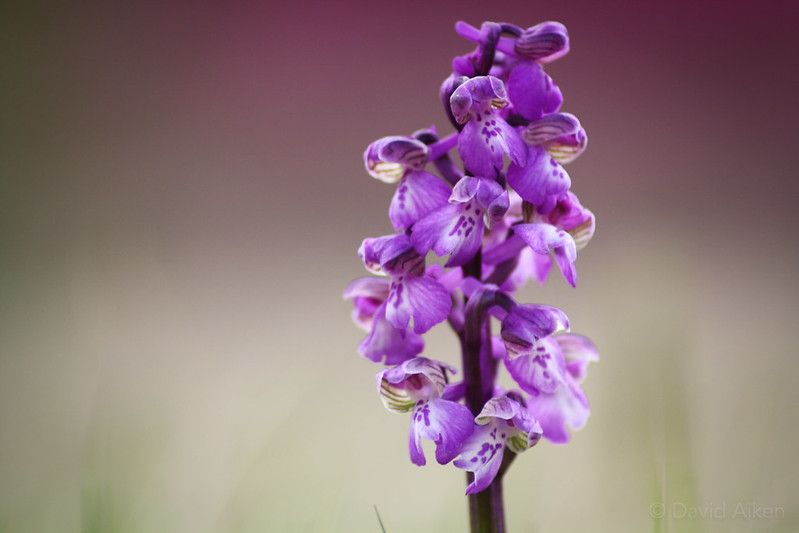
Northumberland | The Northumberland Wildlife Trust has returned the rare green-winged orchid to Druridge Bay nature reserve after an absence of 50 years. The plant, which gets its name from green veins in its flowers, would have been common in the hay meadows and dunes of Druridge Bay half a century ago. However, increasing agricultural pressure and the destruction of dune habitats from recreation resulted in its gradual decline, until it disappeared in the 1970s. The National Trust provided seeds from Morecambe Bay, while the Hardy Orchid Society organised volunteers to grow the plants at home for three years. Sadly, the Trust has been forced to keep the exact location of the newly planted orchids a secret due to a spate of public thefts. Orchids are expensive at garden centres, and varieties on the Hauxley and East Chevington reserves have recently been dug up by members of the public. Chronicle Live covered the news.
Peak District | Kinder Scout nature reserve, the site of a historic mass trespass in 1932, has been extended by 226 hectares. The national reserve, which sits at the highest point in the Peak District, played a central role in shaping Britain’s access rights, and the creation of national parks and nature reserves. Today, the habitat has been restored by the National Trust from a “barren moonscape” of degraded peat to a plateau of healthy peat bogs. The extension of the reserve will now include an “outdoor laboratory”, which is used to measure the impacts of restoring peatland to combat climate change. The National Trust said the site “holds the key to so many benefits of our environment”, as well as a special place in the nation’s history books. The BBC reported the news.
Elsewhere:
- NatureScot has opened a three-month public consultation on a proposed extension to the protected area within Caithness and Sutherland Peatlands.
- Rapid changes are needed to make Wales’ national parks more sustainable, according to the boss of the Brecon Beacons National Park Authority. The BBC reported the news.
- A South Shields MP has backed campaigners who are protesting plans to build houses on greenbelt land next to the historic Bede’s Way path, reports the Sunderland Echo.
- Residents of Guernsey have been asked to check their gardens and local fields for an invasive Himalayan balsam plant during eradication efforts, reports the BBC.
- Nestlé is extracting millions of litres of water from the ground in Pembrokeshire, while local residents face water restrictions, according to Wales Online.
- The threatened high brown fritillary butterfly is thriving on Dartmoor thanks to targeted conservation, reports the Guardian.
- Naturally Native, a project in northeast England conserving water voles, is exploring the use of dogs to help locate the presence of water voles, reports the Northern Echo.
- Worcestershire Wildlife Trust will be thinning the woodland at Monkwood and coppicing some trees to encourage the growth of woodland flowers and scrub.
- Rewilding organisation Highlands Rewilding has announced expansion aims, including hiring three “world-class” scientists and plans to raise capital via crowdfunding and banking finance, reports the Scotsman.
- The colony of European bee-eaters which bred in Norfolk this summer have now departed the UK to migrate south, reports the BBC.
- A wildfire has burned 12 acres of woodland and grass at the RSPB Old Hall Marshes nature reserve in Essex, reports the BBC.
- Gamekeepers in Scotland have warned that a licensed cull of female deer scheduled for September could leave young deer to starve without their mothers. The Scotsman and the Times reported the news.
- Natural Resources Wales is investigating a pollution incident at Caerphilly River in southeast Wales, which is thought to have killed around 100 fish. Wales Online reported the news.
- Fishermen in the northeast have begun a legal campaign over the death of thousands of crustaceans last year, reports the BBC.
- A network of beaver dams in Devon has helped maintain a wetland during the drought, reports the BBC.
- The Isle of Anglesey County Council has turned to horsepower to carry out an environmental project which involves “bracken rolling”, reports Nation Cymru.
Reports
Wind | A report by the RSPB looks at how to protect the UK’s seabird population while expanding offshore wind. Powering Healthy Seas is a collaboration between environmental NGOs and the offshore wind sector, and aims to open a discussion around “Nature Positive offshore wind”. The report argues that large-scale offshore wind is vital to Britain’s shift away from fossil fuels, but stresses that it is equally important the infrastructure is developed in ways which allow nature to recover and thrive. The report makes seven recommendations to planners and developers, including a robust ecological evidence base to inform where new wind farms should be located; country-level marine plans (as in Scotland) to coordinate the delivery of targets; and the development of an equitable marine ‘net gain’ system to enable both strategic and site-based interventions for biodiversity. RSPB trustee Kerry ten Kate said: “For the UK to be a world leader in offshore wind, policy makers and operators must recognise and respond to the dual nature and climate emergency. They must actively embrace Nature Positive offshore wind as the response”.
Overflows | The government has published its plan to reduce sewage discharges into rivers and the ocean, promising the “strictest targets ever”. Introducing the report, environment secretary George Eustice wrote that it represents “the largest infrastructure project to restore the environment in water company history”. The plan includes a mandatory £56bn investment programme to update the UK’s infrastructure. Under the plan, water companies must increase the capacity of their networks to reduce the frequency of discharges, prioritising overflows into or near designating bathing waters and high priority nature sites. However, the report concludes that the complete elimination of sewage overflows is “not feasible, or within the public interest, due to the financial and environmental costs.” The Liberal Democrats branded the plan a “cruel joke” with “flimsy” targets, saying the public would have to pay for “the mess made by water companies”. Meanwhile, the conservation charity WildFish is seeking a judicial review of the plan, having claimed the ecological impacts of the plan are unlawful. The Rivers Trust also said the measures were “too little, too late”. The BBC and ENDS covered the report, with further coverage of the reaction from the Guardian and Sky News. Meanwhile, there was continued coverage of general sewage troubles in the media: head of the Environment Agency, Sir James Bevan, wrote in the Sunday Times that the public would need to be “less squeamish” about where their drinking water comes from, suggesting that reprocessing sewage would be part of the solution. The Times reported that French MEPs have said sewage spillages in the English channel breach the Brexit deal, while another article discussed possible “stinky” solutions. An article in the Telegraph by a wild swimmer demands to know what is being done to clean Britain’s waterways.
Flu | As the UK’s largest outbreak of bird flu continues, Defra has published a strategy for mitigating the impact of avian influenza on wild birds. The strategy outlines the government’s approach to monitoring the spread of the disease in wild bird populations, and includes practical guidance for the public, landowners and environmental organisations on how to curb the growing threat. The Welsh government has issued the same guidance, with Julie James, minister for climate change, saying: “Fortunately, Wales’ wild bird populations have so far escaped the mass mortalities seen in Scotland and England, but we remain extremely vigilant.” Also this week, Defra has declared a bird flu prevention zone in southwest England, with birdkeepers in Devon, Cornwall and parts of Somerset now required to follow strict biosecurity rules to prevent further spread.
Science
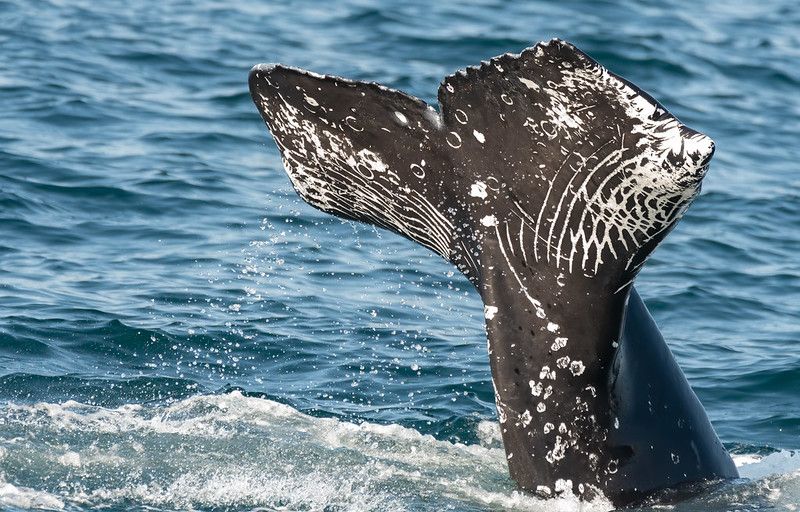
Cetaceans | A paper in Frontiers in Remote Sensing presents data from a year-long study off the west coast of Scotland, monitoring and recording the marine soundscapes of whales and dolphins. Researchers used underwater microphones to listen to a vast array of songs, clicks, whistles and echolocation sounds made by cetaceans over an area stretching from the Hebrides to the west of St Kilda. The species recorded included fin, minke, humpback and sei whales, as well as a variety of dolphins. The authors say that the study will help to guide conservation efforts, as well as shedding light on the effects of climate change. Dr Denise Risch, of the Oban-based Scottish Association for Marine Science, said: "This kind of data is valuable in explaining how a warming ocean is affecting the movement of cetaceans and their prey, but it is also the best way to find out whether certain species are recovering from the devastating effects of whaling and how we can protect them from current threats”. The BBC covered the research.
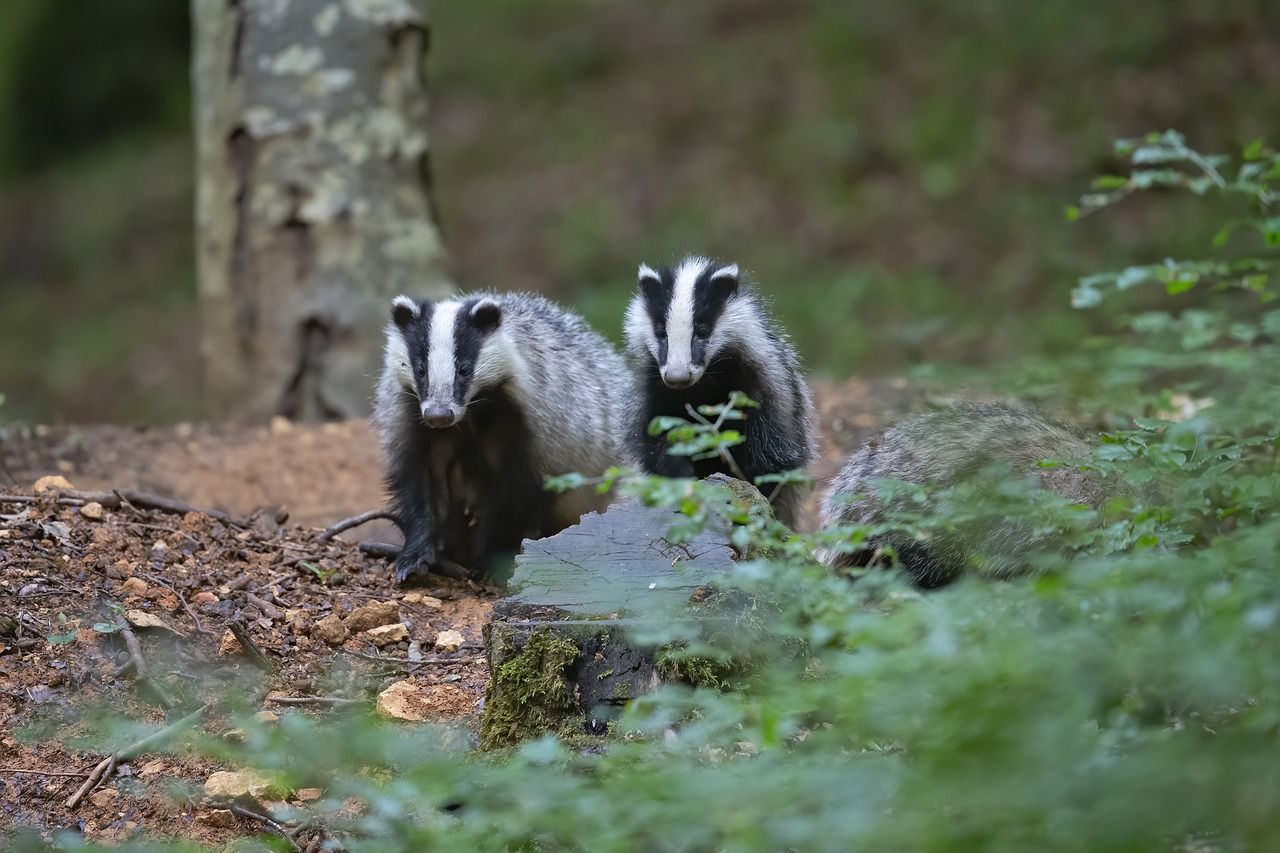
Badgers | A study in the Journal of Zoology examines the impact of badger culling in England on populations of breeding birds. Defra has licensed the culling of badgers in several regions since 2013 to control the spread of bovine tuberculosis. The authors note that it is critical to evaluate the ecological impact of severely reducing a predator population, so the study aimed to determine whether bird populations had increased in areas of badger culling. Researchers used data from the British Trust for Ornithology’s Breeding Bird Survey to examine the population growth rates of breeding birds from 2013 to 2019. The study concluded that there was little evidence to indicate any consistent effects of badger removal on the population numbers. It listed several reasons why impacts of badger removal might not have been found, including limitations within the study design as well as a genuine lack of real impact: although badgers predate on ground-nesting birds, populations are likely to be regulated by a suite of predators. It is also possible that food availability or land management play larger roles in population trends than predation. The authors note that the study highlights the value of the Breeding Bird Survey dataset for observing long-term population trends.
Webs | A paper in Science explores the impact of human disruption to the food webs of mammals since the Late Pleistocene period. Understanding food webs – the connections between all prey and predators in an ecosystem – is a key tool for tracking and anticipating changes among ecological networks. Researchers used deep learning models, observed predator-prey interactions, geographic ranges and mammal traits to identify changes to terrestrial mammal food webs over the last 130,000 years. They found that more than 53% of the links within these communities have since been lost. This can be attributed partly to species extinctions, but also to the declining numbers of individuals among existing species, and their shrinking ranges. The authors highlight that such large-scale losses could have profound impact on the long-term function of ecosystems, but also, importantly, the potential for food web complexity to be restored through the recovery of existing species, and their reintroduction to former geographic ranges. News Nine covered the research.
Driftwood
Protest | A short commentary in Nature Climate Change written by a group of climate and behavioural scientists argues that civil disobedience by scientists is justified by the lack of societal response to the climate crisis. The commentary outlines the success of historical precedents, such as the suffragettes and civil rights movement. It also points out that, compared to conventional protest, civil disobedience can prompt a more direct response from decision-makers, as with the 2019 Extinction Rebellion protests in London. The authors argue that “civil disobedience needs scientists”, who enjoy a respected standpoint in society from which to demand change. The authors also, however, recognise the varying levels of personal risk associated with civil disobedience, and state that there is no one-size-fits-all approach. It will need to be “an ongoing experiment”, they conclude, in which scientists might best consider themselves “participatory action researchers”.
Rewilding | From non-profit organisations to local authorities and just “ordinary folk”, a feature in the National Geographic looks at how rewilding is becoming more widely accepted across the UK. It cites Inkcap Journal’s joint investigation with the Guardian into rewilding projects by local authorities, noting that a fifth of county councils are either engaging in rewilding activities or drawing up plans for them. It also looks to London, where mayor Sadiq Khan is putting £600,000 toward restoring 20% of the city’s greenery. It gives examples from a campaign by the nonprofit WildEast, which encourages people to let 20% of their land – of whatever size – grow wilder. This type of campaign marks a shift, according to the article, towards “a more expansive definition of restoring nature: Rewilding is not just for estate owners, but for everyone”.
Anthology | 404 Ink, an independent publishing house, has secured the rights to a new anthology of nature writing by women of colour from across the UK. Gathering, which will be published in 2024, is edited by writers Durre Shahwar and Nasia Sarwar-Skuse. The collection features essays on the intersections of nature writing with capitalism, mental health, colonialism, religion, neurodiversity and the immigrant experience, amongst other topics. Publisher Laura Jones said: “It’s well-known that nature writing has a very white, very male legacy and we’re happy to be supporting Durre and Nasia to correct this balance by putting women of colour in the forefront of this discussion of nature, one of humanity’s most universal yet individual shared experiences.” The Bookseller reported the news.
Further reading:
- An editorial in the Guardian reflects on the “deeply unsettling” beauty of an early autumn, and the impact of watching nature’s cycles fall out of sync.
- An RSPB blog explains its partnership with LEGO, which aims to create toys which will help children get outside, experience wildlife, and play with nature on their doorstep.
- An article in the Spectator uses Jenna Watt’s book, Hindsight: In Search of Lost Wilderness, to discuss the “deeply divisive” issue of Scotland’s deer. Meanwhile, a feature in the Herald explores why the management of Scotland’s deer population is critical to its climate and biodiversity goals.
- The record-breaking heat of the summer is seeing exotic plants including avocados, figs, watermelons and even banana species growing in UK gardens, writes the BBC and the Times.
- An opinion piece in the Scotsman outlines similarities between Liz Truss and Donald Trump’s stances on climate change.
- The Guardian’s environment correspondent, Fiona Harvey, discusses how the next UK prime minister might tackle the cost of living and environment crises.
- Former editor of the Times and author Sir Simon Jenkins has voiced his support for a campaign to designate the Cambrian Mountains as an AONB, reports the National.
- An opinion piece in the National argues that the Welsh government should introduce legislation to block ecologically inappropriate tree-planting.
- An article in the Times looks at the impact of Leonardo DiCaprio’s endorsement of the bison reintroduction project in Kent.
- A study in Plos One investigates how visiting canals and rivers can help boost mental health and wellbeing. The Shropshire Star featured the research.
Happy days
Treehouses | If you’ve been dreaming of nights spent amongst the treetops gazing at stars, National Geographic has you covered. This list features the eight best treehouse stays in the UK, from a glass-fronted loch-side hideaway near Ullapool to the tiny Atlantic Treehouse in Devon, with a tree growing through its centre. They all offer an immersive escape into nature – but with the luxuries of soft beds, wood-burning stoves and beanbags for relaxed stargazing.
Subscribe to our newsletter
Members receive our premium weekly digest of nature news from across Britain.
Comments
Sign in or become a Inkcap Journal member to join the conversation.
Just enter your email below to get a log in link.