Planning Bill & Deer Cull
The latest news on nature and conservation in Britain.
National news
Protection | The leaders of 32 nature organisations have written to the government warning that the Planning Bill ‘throws environmental protection to the wind’. The bill, which is currently at committee stage in parliament, aims to streamline environmental regulations for developers to speed up building projects. The open letter is signed by leading organisations including the Wildlife Trusts, RSPB and National Trust. It argues that the bill is ‘one-sided’, and instead proposes amendments to rebalance it towards nature. These include a guarantee for upfront environmental benefits, prioritising the avoidance of harm to nature before mitigation, and basing decisions on scientific evidence. The Wildlife Trusts has also published a separate briefing urging ministers to accept ‘essential additions’ to avoid environmental regression. The Guardian and ENDS reported the news.
Trees | England’s non-woodland trees have been mapped for the first time, using cutting-edge technology including laser detection and satellite imagery. Scientists at Forest Research have created a map which provides a ‘comprehensive picture’ of trees in both urban and rural areas, with the ability to pinpoint lone trees. It shows that single trees comprise around 30% of England’s tree cover, highlighting their critical impact on storing carbon, regulating temperatures, and boosting wellbeing in urban areas. The research agency said that the map will allow conservation groups and local authorities to target tree-planting efforts more accurately by identifying trees that can be connected to nearby woodlands, boosting wildlife habitats. The Guardian reported the news.
Mackerel | Northeast Atlantic mackerel should be taken off the menu, according to experts, with stocks of the fish ‘near breaking point’ due to overfishing. The Marine Conservation Society has updated its Good Fish Guide, which ranks fish for sustainability, using a traffic light system for consumers and a one to five rating for businesses. This year it moved mackerel caught by trawl nets from three to four, meaning restaurants and businesses are recommended not to sell it. Its once-plentiful stocks have fallen rapidly as, over the last four years, countries including the UK and Norway have overfished it by an average of 23%. The MCS has recommended more sustainable alternatives in its place, including British mussels – which they called a ‘seafood superhero’ – as well as lesser-known species such as coley and hake, and tinned fish such as Cornish sardines. The Guardian, Times and Oceanographic covered the news, with further eating recommendations here.
In other news:
- Labour is attempting to win over farmers with a plan to boost agricultural profits, and has appointed former NFU president Minette Batters to lead the review, reports the Times.
- NatureScot has announced a £1.3m cash boost for 12 nature restoration projects across Scotland, from pollinating insects in Aberdeen to rainforest habitat at Loch Lomond.
- The Scottish firefighting service has warned of ‘extreme’ wildfire risk across Scotland due to the lack of spring showers, reports the Times and Yahoo News.
- The dry spell is also affecting farmers, reports the BBC, with some crops struggling to sprout or germinate.
Across the country
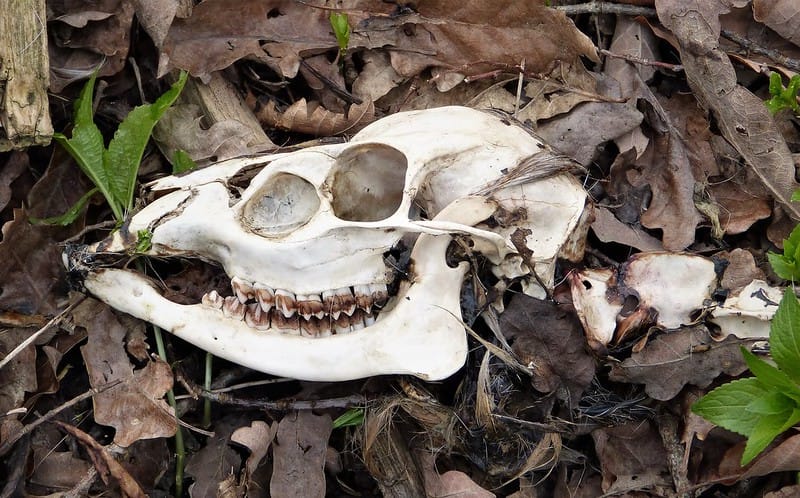
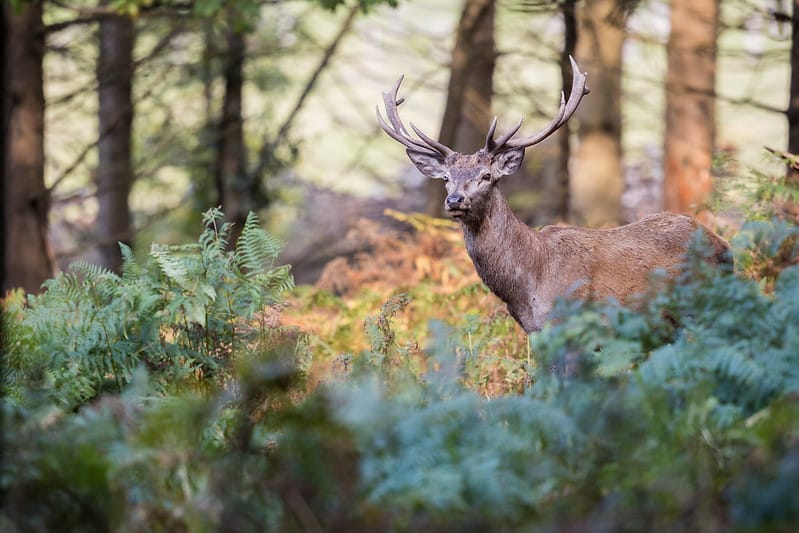
Sutherland | NatureScot has invoked a legal power for the first time to force owners of a Highland estate to cull red deer on their land. The move comes after concerns that the number of deer grazing on Loch Choire Estate was damaging blanket bog habitat at four SSSIs. The agency wants the deer density reduced from 14 deer per square km to 7.5 within five years; after failing to reach a voluntary agreement on a cull, the agency has introduced a compulsory deer management control scheme under the Deer Act 1996. It could see NatureScot step in to cull the deer themselves, with the owners potentially guilty of an offence if they do not take action. Robbie Kernahan of NatureScot said the intervention powers were a ‘last resort’ after ‘significant efforts’ had failed to secure the environmental commitment from the owners. The BBC and Scotsman covered the news.
Mull | Numbers of critically endangered flapper skates are rising off the west coast of Scotland, according to one of the largest citizen-science projects in British waters. Flapper skate are long-lived members of the shark family; individuals can weigh 100kg and stretch as large as a dinner table. Two decades ago, the species was put on the IUCN’s Red List due to overfishing; in response, hundreds of sea anglers campaigned for a legally mandated marine protected area (MPA) off Oban and Mull. Now, if anglers land a flapper skate, they take photographs of its distinctive pattern of white spots before releasing it back into the sea. These photos are then uploaded onto ‘Skatespotter’, a conservation database powered by AI. This catch data from around 300 participating anglers is proving the value of MPAs for species recovery, and campaigners hope to use the evidence to further strengthen Scotland’s MPA network. The Guardian covered the story.
Uist | A conservation project has secured nearly £100,000 to help remove every hedgehog from a group of the Western Isles. The project Saving Uist Nature, which involves RSPB Scotland, NatureScot and the SSPCA, plans to humanely capture invasive hedgehogs on the islands of Benbecula and South Uist, and relocate them to the Scottish mainland. A handful of hedgehogs were introduced to Uist over 50 years ago to control garden pests, but their numbers quickly multiplied, and the resulting population has caused severe declines in ground-nesting birds due to nest predation, including dunlin, curlew, northern lapwing and redshank. RSPB Scotland said the project would be a ‘world first’ due to its scale of removal, while the SSPCA pointed out that it provided a ‘unique opportunity’ to protect the native wildlife of Uist whilst also preserving hedgehog numbers as a threatened species. The BBC and Scotsman reported the news.
Elsewhere:
- Project Peewit in Wiltshire is working with farmers on the Marlborough Downs to save the northern lapwing or ‘peewit’, reports the BBC.
- A plague has wiped out the majority of native crayfish populations on the River Usk in Yorkshire, but obstructions such as weirs and waterfalls have prevented it from spreading to tributaries, reports the Yorkshire Post.
- The Wildlife Trust in Hertfordshire has boosted the critically endangered scarce tufted-sedge plant with assisted colonisation at four new sites.
- Pembrokeshire native and rock oysters – as well as Welsh heather honey – have been granted protected status under the UK Geographical Indication scheme.
- Adders coming out of hibernation on Cannock Chase are facing ‘daily disturbance’ as photographers try to spot them, reports the BBC.
- The livestream of a peregrine falcon nest at St Albans Cathedral has been switched off after it showed an individual walking across the nest and crushing the eggs, reports the BBC, Times and BirdGuides. The police are investigating the incident.
- Conservationists are hopeful that a project to rid Rathlin Island of ferrets to protect its seabirds has been successful, reports the BBC.
- Campaigners have raised concerns over the proposed location of a major power line development in Kent after the discovery of endangered eels, reports the BBC.
- Cumbria Wildlife Trust has planted 125,000 wildflowers and restored 159 acres of grasslands over the last two years, reports the BBC.
- The Wildlife Trusts is planning to create a nature corridor linking the Northumberland coast to Kielder through their purchase of the Rothbury Estate, reports Chronicle Live.
Reports
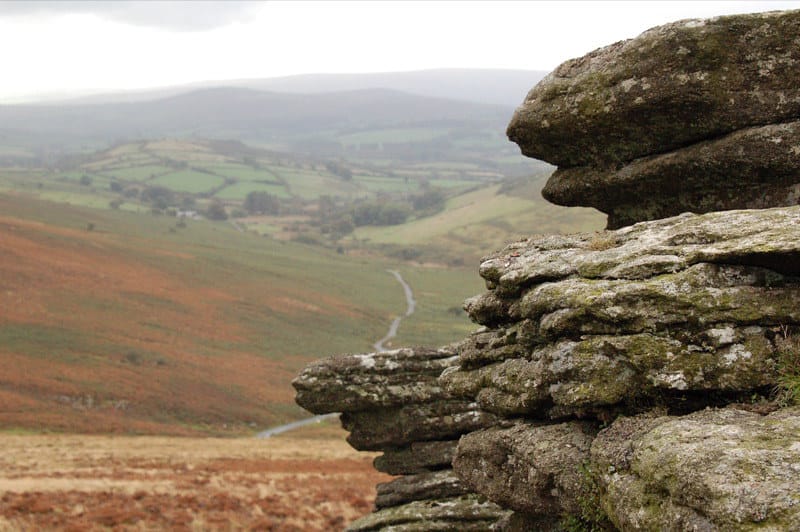
Dartmoor | Most current agri-environment schemes are not working for nature on Dartmoor, according to a report by Natural England. The review of evidence found that all SSSIs remain in unfavourable condition, and the causes are multifaceted: they include both over and under-grazing of livestock, excessive burning, peat cutting and drainage. The report argues that an approach to recovering nature needs to address all of these issues, and that a focus on one – such as overgrazing – will not work. An explanatory blog states: ‘In fact, applying strict limits to grazing across Dartmoor may jeopardise the very farming systems needed. These farming systems are part of the recovery of the mosaic habitats that make Dartmoor a special place for nature.’ Instead, the review recommends trialling solutions which account for Dartmoor’s unique make-up, and aiming for a more holistic approach to sustainable management. ENDS covered the news.
Coast | A report by the Marine Conservation Society delves into the socio-cultural value of Britain’s sea and coastline. The project was designed to gather evidence for a natural capital assessment by Defra, and it explores how data on socio-cultural value can be captured and integrated for a case study at St Austell Bay. Through interviews and workshops, members of the local community reported the many ways they derive value from the coast, including a sense of identity, building relationships, recreation, and improved mental and physical wellbeing. Many of these were interconnected, with people holding multiple at once: for example, using the sea to earn a living whilst also valuing it as a place for community relationships. The authors argue that it is vital to consider the everyday value of marine environments in this way to ensure decision-makers consider the full range of impacts of any management decisions.
Research | The government has released a report identifying the research and innovation challenges for climate adaptation efforts in the UK. Developed by the Government Office for Science and Defra, the report covers 11 sectors including nature, working land and seas, and food security. Each section is split into three categories: a risk assessment, the evidence required by decision-makers, and data needs. For nature, the report outlines various climate-related risks including wildfires, flooding, invasive species, soil health, and impacts on habitats and species. It also identifies research into the effectiveness of nature-based solutions, landscape-scale adaptations, and soil management practices as focus areas for decision-makers. Chief scientific adviser Angela McLean said the report aims to help harness the UK’s world-leading science capabilities to ‘ensure we are ready for future climate impacts’.
Science
Dogs | Pet dogs have ‘extensive and multifarious’ impacts on the environment, according to a review of studies. While the detrimental impact of cats on biodiversity is relatively well studied, the comparative effect of dogs has been ‘poorly acknowledged’, the researchers said. Most potently, dogs are responsible for the direct killing and disturbing of native wildlife, particularly shore birds. Their impacts also include scent traces, urine and faeces, which continue to disturb wildlife, soil chemistry and plant growth after dogs have left; the transfer of diseases to wildlife; toxic pollution of waterways; and a significant carbon footprint. Lead author Bill Bateman said the research did not intend to be ‘censorious’ but rather to raise awareness. He added that ‘a lot of what we’re talking about can be ameliorated by owners’ behaviour’, such as keeping dogs leashed in restricted areas and maintaining a buffer distance from nesting shorebirds. The Guardian covered the research.
Farming | Targeted farming interventions could slash agricultural greenhouse gas emissions in England by up to 30% while markedly improving water quality and biodiversity, according to a study in Agronomy for Sustainable Development. Researchers from Rothamsted Research combined farm and environmental data to model the impact of mitigation measures for future scenarios across 20 and 100 years. The measures include regulation, incentivisation and on-farm advice, with specific actions including fencing off rivers and streams from livestock, reducing the application of fertiliser and manure to high-risk areas, and adopting reduced cultivation systems. The findings showed that maximum take-up of these measures would reduce emissions by 30% over 20 years, and 27% over 100 years. They also highlighted the potential for significant benefits to water quality – with reductions in phosphorus and sediment loss estimated at 34% in key catchments – and for healthier terrestrial ecosystems.
Hornets | Scientists from Nottingham Trent University have been able to detect, capture and analyse the sound of invasive Asian hornets remotely, a breakthrough which could help to protect European honeybee colonies. The team is the first to differentiate hornet from honeybee flight sounds, using microphones and machine learning which can automatically identify the predators. This is because hornets hover continuously during their predation of hives, while honeybee hovering is much shorter in duration as they come in and out of the hive. Over the course of three seasons, the team was able to detect hornets at an apiary in Portugal with almost 100% accuracy. They hope that their system could now be left near apiaries over long periods of time to automatically alert beekeepers to the presence of hornets, who can then take immediate action to protect their hives. The findings were published here and covered by Phys.org.
Driftwood
Dire wolf | Papers are awash with the news that scientists in America have brought back the dire wolf: a species of gigantic white wolf extinct for 10,000 years. The company Colossal Biosciences announced that it had used ‘deft genetic engineering and ancient DNA’ to breed three dire wolf puppies and ‘de-extinct’ the species. However, experts say they are not actually dire wolves, but rather ‘genetically modified grey wolves’. Scientists created the puppies – named Romulus, Remus, and Khaleesi after a Game of Thrones character – by snipping out pieces of DNA extracted from fossilised remains and inserting them into the genetic code of grey wolves. This means the pups share key characteristics of dire wolves, including their striking white coat and larger size, but are effectively hybrids. Colossal has defended their de-extinction efforts by claiming the same techniques could help prevent existing but endangered animals, such as red wolves, from going extinct. Time Magazine broke the news, with further coverage in the BBC, Times, New Scientist, Guardian and Independent.
Petals | Looking to spice up your cooking this April? Look no farther than the pretty petals blooming in spring, writes historian and author Felipe Fernández-Armesto in the Critic Magazine. Petals seem ‘strangely neglected’ in British cuisine with the exception of trendy fried courgette flowers. This ‘lack of inventiveness surprises me,’ he writes ‘since gardening is one of the few arts in which the British excel.’ There are certainly a few to avoid, including rhododendron, hyacinths and daffodils, so be sure to check before you eat. But spring specialities include grape hyacinths, which are ‘deliciously tangy’; the petals of trillia, with a nutty flavour; and tulips, which create a splash of raw colour. Further into summer, he recommends dressing pasta with whole rose petals, adding violets to ‘every kind of pudding’, infusing jams with lavender, and using marigolds and carnations for their spicy, sweet flavour. Voilá.
Coffee | Regular coffee drinkers will have noticed that the price of the beverage has soared in the last year, largely due to a crash in yields after droughts in the three biggest coffee-producing nations. In London’s Kew Gardens, a research team is hard at work investigating how to save the drink – and the livelihoods of coffee farmers globally – from the impacts of climate change. Part of this involves testing existing coffee plants which are more drought and heat resistant than the most popular arabica and robusta varieties. Meanwhile, in laboratories, scientists are going further by sequencing the genomes of more than 1,000 coffee samples, including the collection in Kew’s herbarium, the oldest of which was collected by a Victorian plant hunter in 1856. By identifying desirable traits, they hope to develop better-tasting, more resistant coffee through conventional breeding or, potentially, genetic editing. Read more in this Times feature.
Further reading:
- In the Conversation, professor of behaviour psychology Seirian Sumner writes about how to create a more nature-literate society.
- British scientists are looking into the secrets of queen bees in the hopes of unlocking radical therapies to extend human lifespans, according to this piece in the Guardian.
- The London ‘Happier Outdoors’ free nature festival is taking place until 16 April: find out more here.
- An article in the Guardian describes how researchers are using birds' nests to shed light on our ‘throwaway culture’.
- An essay in Emergence Magazine explores the close relationship between bees and humans, which dates back thousands of years to Egyptian beekeeping.
- Planning reforms could reinforce the issue of industrial chicken farms polluting Britain’s rivers, according to a feature in the Conversation.
- A Cumbrian conservation student has published his debut novel about a hedgehog named Hector: read more in the Westmorland Gazette.
- A long read in the Guardian asks whether legal action is the only way to save the planet.
- Cambridge University has launched a website outlining how its researchers are using AI to protect nature and the climate.
- A feature in the National Geographic looks at how ancient walking trails are becoming accessible once more.
Happy days
Wings | Butterfly wings are beloved for their colours, patterns and shapes, but what do they look like closer up? Say, magnified by 50,000 times? The artist and filmmaker Kristina Dutton has drawn on a collection of tens of thousands of specimens to create a two-film series highlighting the extraordinary beauty and diversity of butterfly and moth wings. The second film, ‘Nanoscapes’, has been released on the Aeon website. In it, Dutton draws viewers into the ‘world of the unseen’, using light and electron microscopes to magnify images of wings up to 50,000 times their original size, before zooming back out to reveal recognisable shapes and functions. Through the film, she aims to bring to life the hidden and mesmerising ‘topography’ of these familiar creatures.
Subscribe to our newsletter
Members receive our premium weekly digest of nature news from across Britain.
Comments
Sign in or become a Inkcap Journal member to join the conversation.
Just enter your email below to get a log in link.