Salmon Farming & Red Squirrels
The latest news on nature and conservation in Britain.
National news
Salmon | The Scottish government has approved a salmon farm at Loch Long, in the heart of the Loch Lomond and The Trossachs National Park, marking the end of a long campaign against the development. The National Park Authority rejected the plans in 2022 on the grounds of its visual impact on the landscape and the risk that escaped farmed salmon would pose to the fragile wild population. Ministers have also gone against the advice of the official planning reporter in greenlighting the development, according to the BBC. The Scottish Green Party called it a ‘devastating day for nature’ and a ‘betrayal of the community’. The farm will use new technology, designed to limit pollution and reduce the risk of sea lice and salmon escapees. The Herald also covered the news.
Children | A new £10 million scheme, Meithrin Natur, has launched across Wales, aiming to connect babies and young children to nature, reports the South Wales Argus. The project is backed by the National Lottery Community Fund, and it is aimed at expecting parents, family and carers. In a blog, Dr Simone Lowthe Thomas, chair of the Fund’s Wales Committee, said that the programme would introduce the ‘transformative effects of the natural environment at the earliest stage of a child’s development.’ She also pointed out that barriers like poverty, location and discrimination can limit access to nature. Funding is available to organisations offering early years activities within a range of settings, including parks, wetlands, rivers, public gardens, playgrounds, allotments and nature reserves.
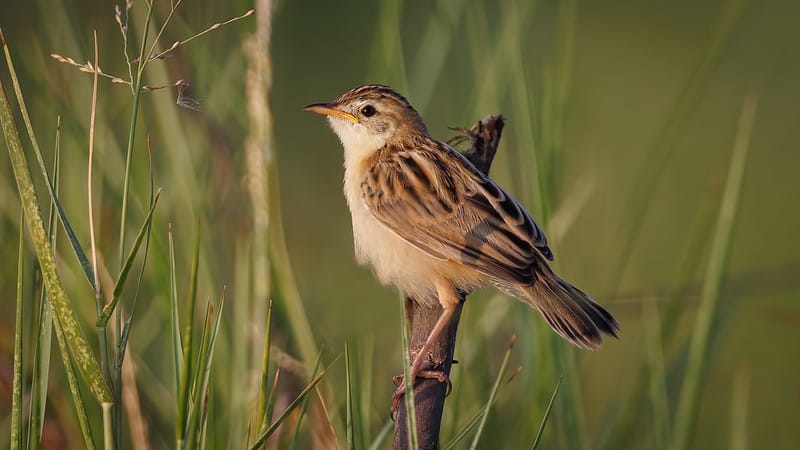
Birds | The Zitting Cisticola has bred in Britain for the first time. The discovery of a family of five at Walberswick in Suffolk marks a ‘major landmark in the ever-changing avifauna of these islands.’ The bird – a small, brown warbler – typically occupies the warm open grasslands and marshes of the Mediterranean, and is extremely rare in Britain, but, with warmer temperatures, its range is expanding northwards: it first attempted to breed in Guernsey in 2009, and birders have been on the lookout for another attempt ever since. As Rare Bird Alerts put it: ‘As climate and habitats shift, new species are arriving, some to stay. The Walberswick cisticolas are the latest, and perhaps not the last, of these pioneers.’ BirdGuides covered the news.
Across the country
Yorkshire | The wildfires burning across the North York Moors National Park have entered their third week, with residents being warned to pack ‘grab bags’ – including medication and insurance documents – in case they need to leave at short notice. Workers from a fertiliser mine have been evacuated due to safety concerns, reports the BBC, as have holidaymakers. Efforts to put out the fire have been hampered by World War Two bombs and tank shells, buried on the moorland, which are exploding as the fire reaches them. The blaze covers around ten square miles, with winds and changing temperatures causing it to expand rapidly. Farmers, gamekeepers and the wider community have been helping firefighters to bring it under control, with a fundraiser reaching more than £4,000 since it was launched on Tuesday.
Southport | Next year, The Open golf championship will take place at the Royal Birkdale Golf Club – but organisers have been accused of a ‘land grab’ due to plans to fence off a section of common land. Sefton Council has approved the construction of a practice tee pad and permanent fencing at Birkdale Common. Organisers R&A claimed the use of the land was the ‘only viable option’, and that it would deliver a ‘10% net biodiversity benefit’. But users of the Common – including those who use wheelchairs – said the fencing would prevent access. ‘I object to common land being taken from us, however that’s done,’ said one resident. The Liverpool Echo covered the story.
Milton Keynes | Residents in Milton Keynes are being urged to collect acorns, as part of a project to replace dying ash trees with new oaks, reports MK Citizen. The campaign is spearheaded by The Park Trust: oak trees have similar ecological traits to ask trees, and will help to ensure the character of the local woodlands survives even as the ashes succumb to dieback. More than 950 oak trees have been planted since the project launched in 2020. ‘By participating, you can help ensure that these treasured woodlands continue to flourish for generations to come,’ said Sarah Griffiths of the Trust.
Elsewhere:
- Campaigners are concerned that plans for some 3,750 new homes would ‘desecrate’ the Dorchester landscape described by Thomas Hardy, reports the Times.
- Around 75 water voles have been released into Ennerdale Valley in the Lake District, reports the BBC.
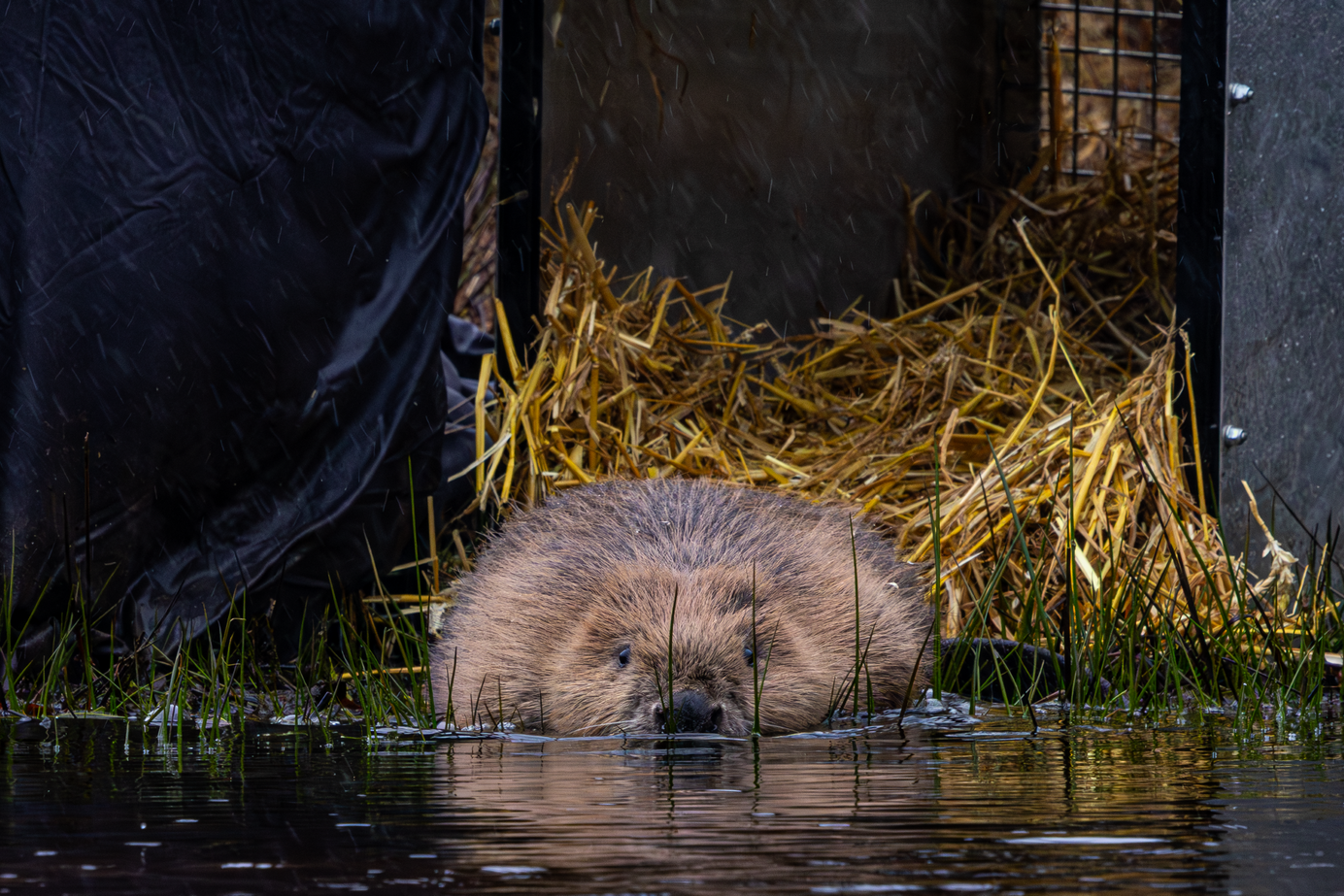
- NatureScot has approved the release of up to six beaver families at Glen Affric and Abriachan Forest Trust land, reports the Scotsman.
- Yorkshire Water has provoked anger with plans to withdraw water from the River Wharfe to top up reservoirs following the dry summer, reports the Guardian.
- The Wildlife Trusts are celebrating after the government once again rejected development plans for Tipner West.
- Sea swimmers in County Durham are ‘anxious’ to enter the water thanks to regular sewage discharges by Northumbrian Water, reports the Northern Echo.
- Somerset Wildlife Trust has finished restoring 24 hectares of peat on the Somerset Levels.
- A community group is raising funds to save a botanically-rich meadow on the border of Shropshire and Powys, reports the County Times.
- Plans to redevelop Falmouth Docks have raised concerns that the toxic sludge will be dumped at sea, reports Cornwall Live.
- A large-scale project to restore the River Mere is being funded by penalties paid by polluting water companies, reports Devon Live.
- The Durrell Wildlife Conservation Trust has started the first major phase of its rewilding project at Dalnacardoch Estate, reports the Scotsman.
Reports
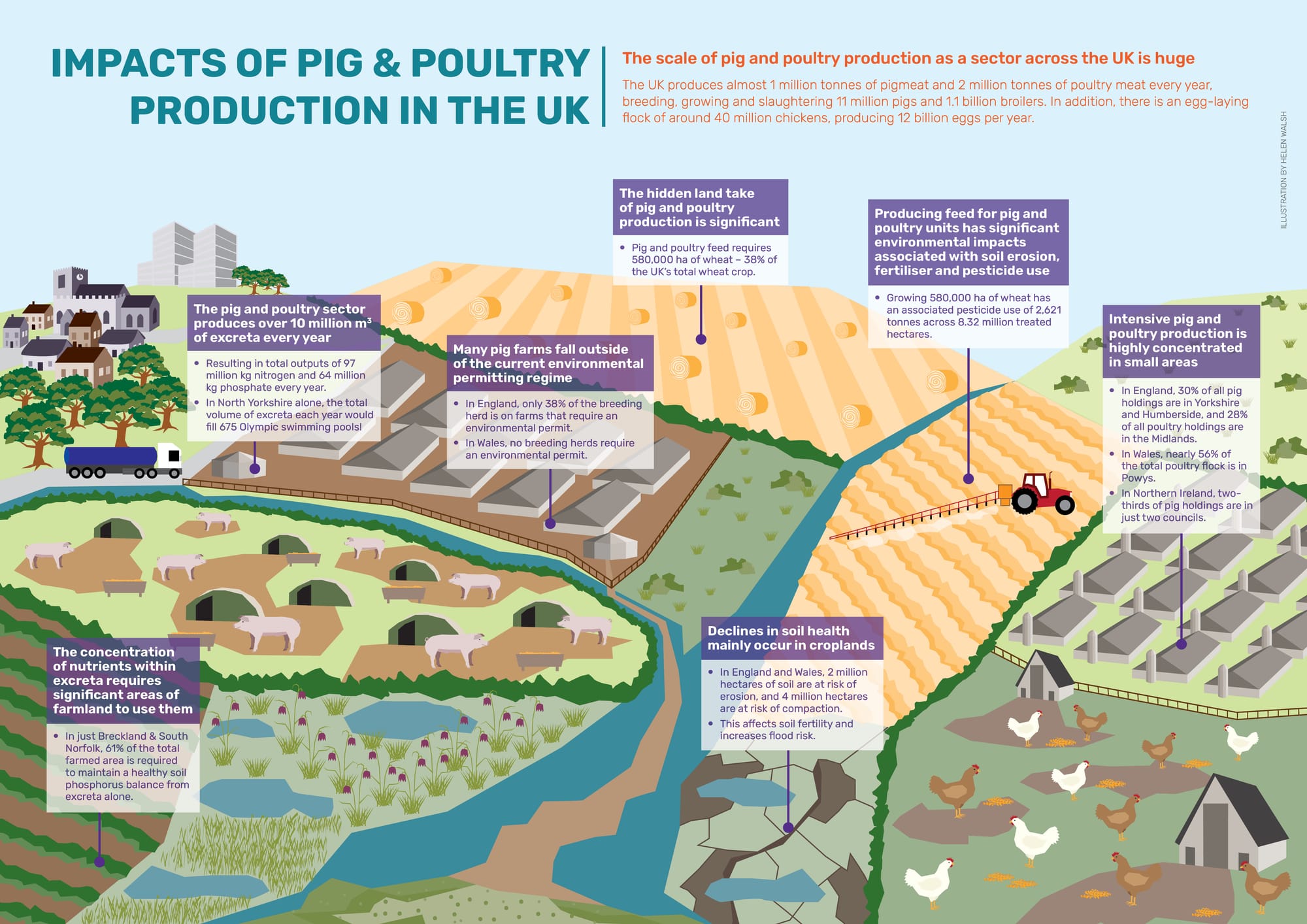
Pollution | A report published by the Wildlife Trusts has revealed the wider environmental impacts of pig and poultry farming in the UK, encompassing the crops grown to feed the animals, as well as the intensive units where they are kept. According to the findings, pig and poultry production produces around 10.4 million cubic metres of waste every year – equivalent to 4,160 Olympic-sized swimming pools. Meanwhile, a third of the UK’s total wheat crop is grown to feed these animals, with the associated pesticides and fertilisers causing additional pollution. The impacts are concentrated in a few counties: some 30% of the UK’s pig holdings, for instance, are in Yorkshire and Humberside, while 56% of Wales’ poultry flock is in Powys. The report looks at impacts on soil and water quality, and on biodiversity.
Business | Companies in the UK are increasingly eager to take action on nature, but they need help to get there. A report by the Green Finance Institute and WWF acknowledges this struggle, and calls for the development of Nature-Positive Transition Pathways: plans co-designed by government and the private sector to identify where policy or support is needed to drive further action. These should help to catalyse action at scale while ensuring a level playing field. The idea has been inspired by the net-zero transition pathways, produced by the Climate Change Committee, and already has the support of 28 major businesses and organisations, including John Lewis Partnership and Sainsburys. The Guardian covered the story.
Food | In its manifesto, the Labour Party promised that half of all food procured by the public sector would be ‘locally produced or certified to higher environmental standards’. So far, no plans have been published, and a report by the Countryside Alliance suggests that there could be a long road ahead. The organisation submitted Freedom of Information requests to 19 central government departments and 215 local authorities, enquiring about their food procurement policies. It discovered that only one department – the Foreign Office – had a policy relevant to the procurement of British food, while only 26 local authorities could report data on the topic. The Alliance called the figures ‘concerning’.
Science
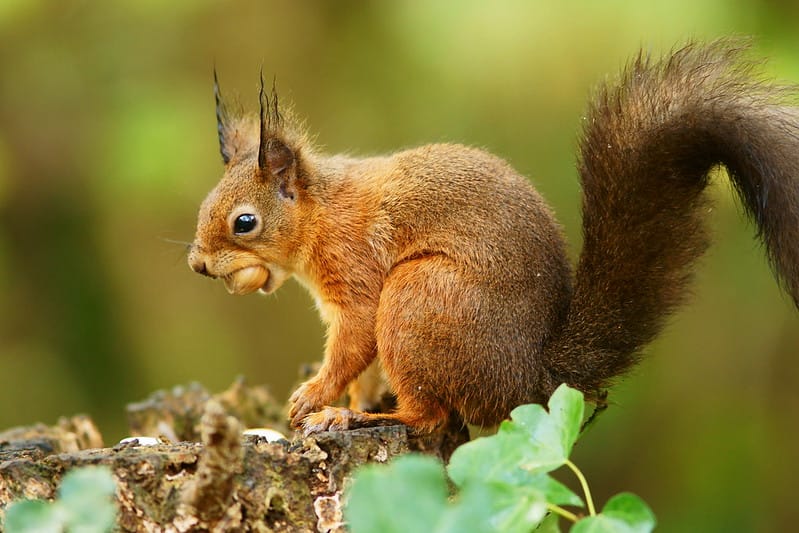
Squirrels | Island populations are more vulnerable to extinction than mainland ones – so what does the future hold for the Isle of Wight’s red squirrels? Home to around 3,500 individuals, the island hosts the largest population in the south, with those on the east genetically distinct from those on the west. According to a study published in Biodiversity and Conservation, their future is bright: the trees produce enough food to sustain the current population, and could even allow it to expand. However, maintaining connectivity between the two populations is vital. Squirrel habitat has become increasingly fragmented by roads, urban development and agriculture, which has limited gene flow between the groups and threatens their long-term viability.
Shooting | Pheasant shooting estates have more hedgerow per hectare and more structurally diverse forests than those without shooting, according to a study in the journal Forests. Researchers attribute these features to management: these estates ‘may have been more likely to retain hedgerows when other estates were removing them’ and to maintain structural diversity because of the benefits to the birds. However, there was no difference in biodiversity between shooting and control sites. The study included recommendations for enhancing ecological outcomes, including better understanding of agriculture and forestry practices. The study was funded by the British Association for Shooting and Conservation (BASC) – although it was not involved in the research itself – which welcomed the findings.
Trees | The UK is aiming to dramatically increase its woodland by 2050. These new forests need to be genetically diverse if they are to be resilient to future threats. A study by researchers at the Royal Botanic Gardens, Kew (RGB Kew), published in Evolutionary Applications, investigates the genetics of forests planted by hands versus those that have grown naturally. It found that inbreeding was twice as high in naturally colonised forests compared to planted ones, likely because of the lack of connectivity between forest patches. The authors stressed the importance of choosing seeds from diverse sources to ensure diversity: ‘If seeds come from the same small number of stands, then eventually we might erode the genetic diversity of our native trees,’ said Dr James Borrell of RGB Kew.
Driftwood
History | Gilbert White is one of history’s most famous naturalists, but his early inclinations were more towards gambling and fancy waistcoats, writes Gareth Thompson in Nature, in a review of a new book about the eighteenth-century ‘father of ecology’ by biographer Jenny Uglow. White kept notes on the patterns of nature around his home in Selborne for 25 years: Uglow explores those from 1781 only, because ‘it was the mid-point in White’s writing of his book, and a year after Timothy the tortoise arrived’. Uglow describes White’s obsession with birdsong, and wonders how he would have responded to the shifting of seasons brought on today by climate change. Separately, the Guardian has a feature on the lesser known naturalist, Hope Bourne – the subject of a new exhibition at Somerset Rural Life Museum – who ‘should be considered a significant nature writer and environmental champion.’
Foraging | Foraging can reconnect us to nature, but caution is required, according to an article in BBC Future. Matilda Welin joins a seaweed gathering course on the Jurassic Coast, realising in the process how distant she has become from the food on her plate. But foraging also harbours environmental risks, including overexploitation, and the possibility of consuming food that has absorbed toxins from urban pollution. Separately, in the Guardian, veteran forager Mo Wilde responds to Zoe Williams’ article on the difficulty of consuming – or even naming – 30 different plants. ‘The inability to name fruit and vegetable species is a reflection of a wider general decline in familiarity with the natural world,’ Wilde writes. ‘Sadly, we don’t miss unnamed, vanished species until it’s too late – whether in the outside world or inside our guts.’
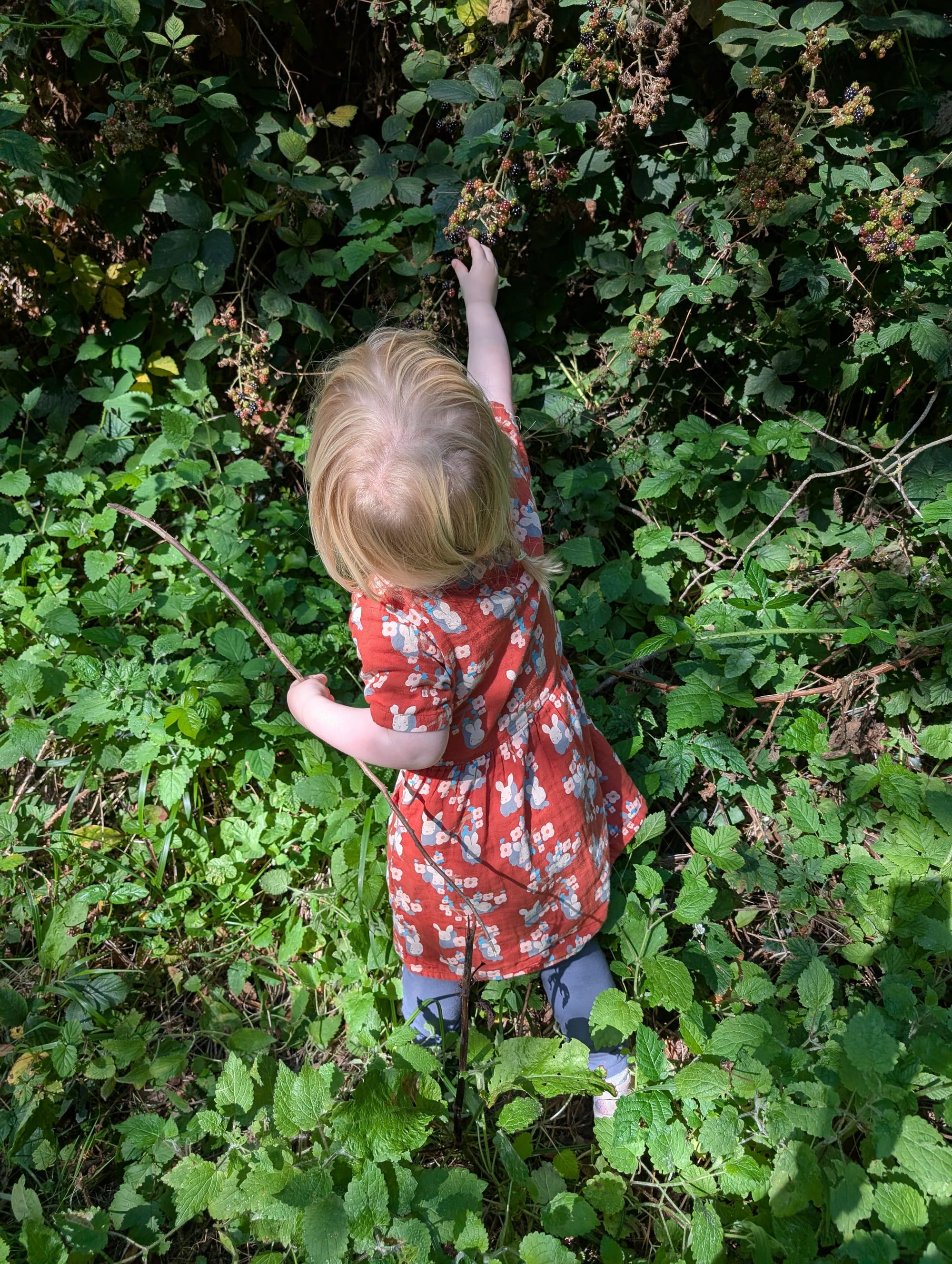
Coppicing | A feature in Reasons To Be Cheerful looks at the history and ecology of coppicing: the practice of cutting a tree down to its stump and allowing it to re-grow, producing a regular crop of timber poles useful for building, charcoal and tools. Coppicing has been a feature of English woodlands since the Neolithic, only falling out of fashion in the last few centuries, thanks to technological changes and fewer land workers. But its ecological importance means that it is now being revived: by creating diversity and allowing light into the woodland, coppicing allows a variety of creatures to thrive. At Bradford Woods, in Suffolk, for instance, coppicing on a 25-year cycle has enabled dormice, nightingales, and hundreds of species of plants and fungi to flourish.
Further reading:
- Britain, long a devoted importer of tea, is now beginning to produce its own. The Times covers one such endeavour in Devon.
- Life on earth emerged far earlier, and far quicker, than once thought possible, writes Michael Marshall in Aeon.
- For the Times, Ben Spencer visits the ‘drought room’ at Essex University – a £3 million facility to work out how different plant species cope with climate change.
- Country Life reports on the impacts of climate change on farmers.
- If there’s a plague of rats, it’s because we have become ‘steadily more wasteful, dirtier and less effective at catching them,’ writes Roger Morgan-Grenville in the Telegraph.
- Positive News speaks to the founder of Fallen & Felled, which gives a second life to trees cut down in London – as furniture.
- In the Guardian, George Monbiot writes about the ‘festival of cruelty and destruction’ that is the UK Bluefin Tuna Championships.
- The Times looks at plans for the Rothbury Estate, which the Northumberland Wildlife Trust hopes to transform into a haven for nature.
Happy days
Mice | The Guardian covers the inspiring work of two 13-year-olds, Eva Wishart and Emily Smith, who breed harvest mice at home in an attempt to reverse the declining population in the wild. This week, they released 250 into a nature reserve in Devon, having raised them in 27 tanks kept in their garages, stocked with honeysuckle and hazel. They procured their mice from rewilder and author Derek Gow, although a neighbour’s cat ate most of the first batch. ‘We saved the fourth, which was pregnant and had some pups. And then Derek forgave me and gave me some more mice,’ said Wishart. She plans to get her hands on some lizards next.
Subscribe to our newsletter
Members receive our premium weekly digest of nature news from across Britain.
Comments
Sign in or become a Inkcap Journal member to join the conversation.
Just enter your email below to get a log in link.