Sea Eagles & Tree Hugging
The latest news on nature and conservation in Britain.
National news
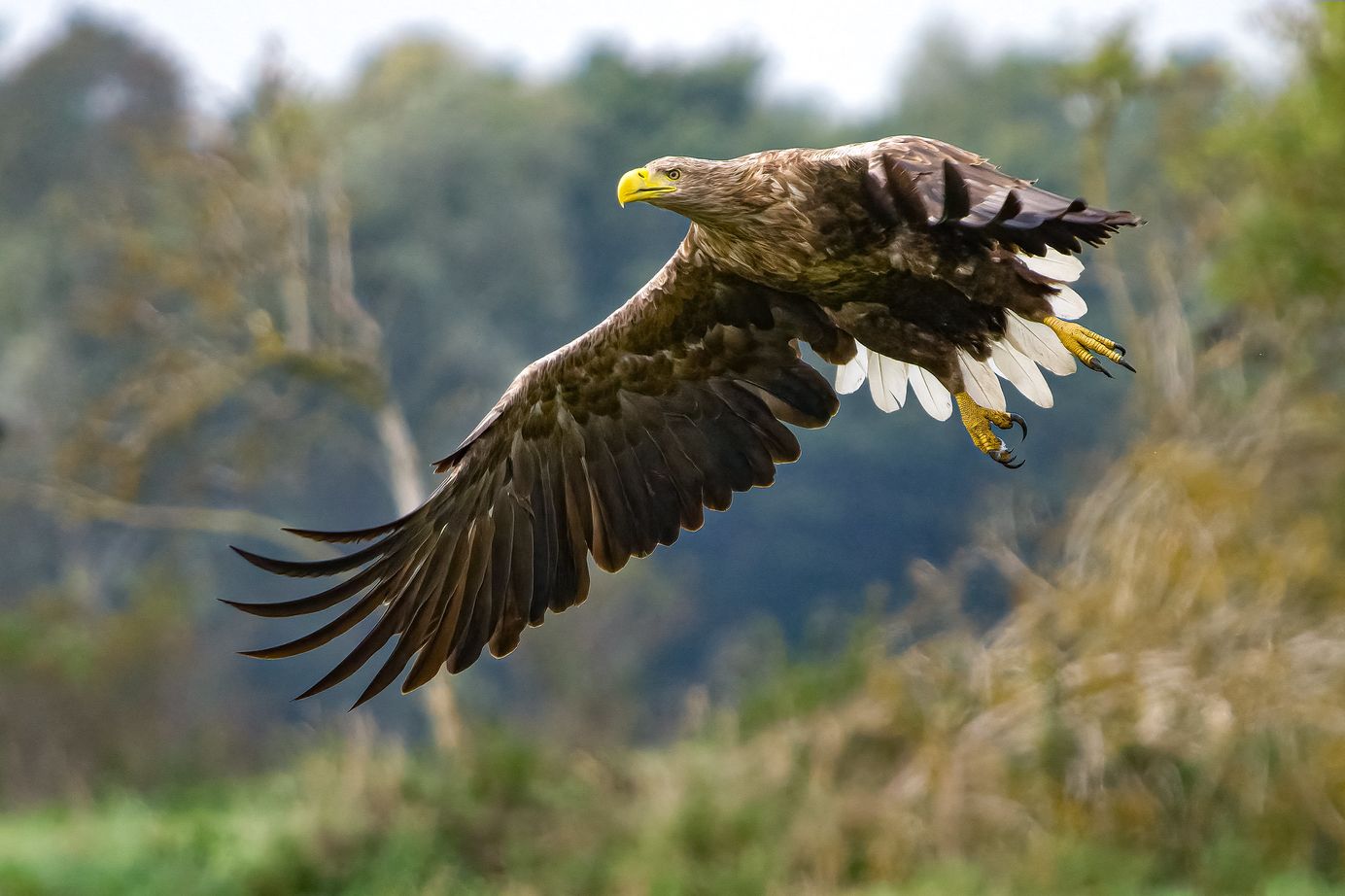
Eagles | Calls for a cull on white-tailed eagles in Scotland have intensified, after they were blamed for the deaths of lambs owned by Ian Blackford, the SNP Westminster leader. Three breeding pairs live near the politician’s croft on the Isle of Skye, and have apparently killed ten of his 60 lambs in the past month – although no evidence has been released. Blackford said that losing even a small number of his flock was “soul destroying”. His neighbouring SNP MP in the Western Isles, Angus MacNeil, has previously advocated for a targeted cull of the eagles, saying that the large birds of prey – also known as sea eagles – eat smaller birds “like Mars bars”. However, NatureScot has said it has no plans to allow the killing of the protected birds, which were first reintroduced to Britain in the 1970s. It also said it understood the concerns of crofters and farmers, and would continue to trial management techniques to help with negative impacts. Scottish Greens politician, Ross Greer, offered a different perspective, calling the return of sea eagles a “great success story”. “If we’re to combat the nature and climate emergencies, then sustainable agriculture and nature restoration must learn to work together,” he said. The Times reported the story.
Salmon | The Environment Agency’s latest assessment report on wild Atlantic salmon shows stocks are at their lowest levels on record. The Agency said that salmon stocks are at a “crisis point”, with multiple factors including climate change, overfishing and river water quality contributing to declining numbers. The report reveals that the number of salmon rivers thought to be “at risk” has risen from 48% in 2020 to 73%, with rivers in the southwest and northwest worst affected. Only one river in England, the Tyne, remains in the “not at risk” category, reports Chronicle Live. In Wales, data released by Natural Resources Wales records the lowest catches of both salmon and sea trout since recording began in the 1970s. Commenting on the assessment, Kevin Austin of the Environment Agency said that “without urgent action Wild Atlantic Salmon could be lost from our rivers in our lifetimes.” The report calls for coordinated action across governments and industry partners, including removing barriers from rivers and improving water quality. The BBC, the Guardian and ENDS reported the news. Meanwhile in Scotland, NatureScot has approved £209,000 of funding for the Glen Clunie river restoration project, to boost threatened salmon stocks and reduce the impacts of flooding. The Scotsman covered the story.
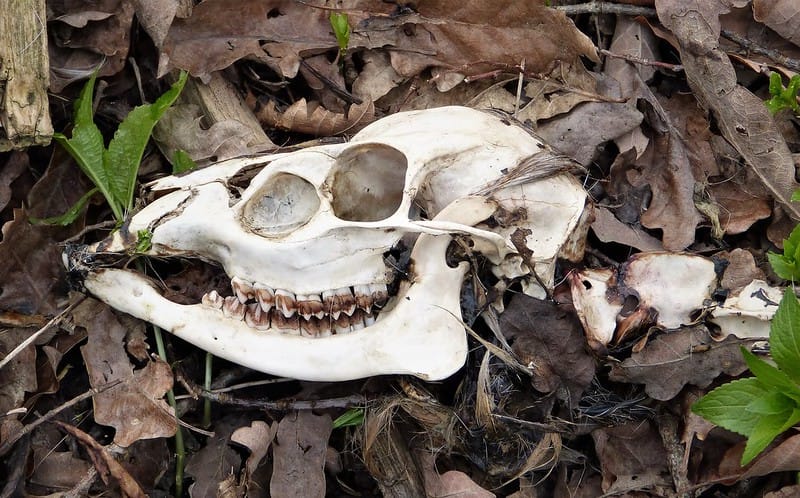
Deer | Scotland’s Minister for Biodiversity, Lorna Slater, has publicly committed to tackling the country’s unsustainable number of deer. In an article in the Herald, she stated that previous approaches to deer management were “simply inadequate and unsustainable – we need to take action now to reduce the negative impacts of deer if we are to meet our climate change targets.” Slater highlighted the government’s tree-planting targets and peatland restoration efforts, which she said would be “in vain” if deer numbers were not reduced. She announced that the government is “fully committed” to taking forward the recommendations of the Deer Working Group, which were made in a report in 2020. The John Muir Trust welcomed the statement, saying that environmental groups have long campaigned for the government to give clear direction on tackling the “immense challenge” that high deer numbers pose to Scotland’s wild places. In other deer-related news, Forestry Land Scotland is trialling the use of thermal-imaging drones in Loch Lomond and the Trossachs National Park to monitor deer numbers and protect young trees around Loch Katrine. The BBC and the Scotsman reported the story.
In other news:
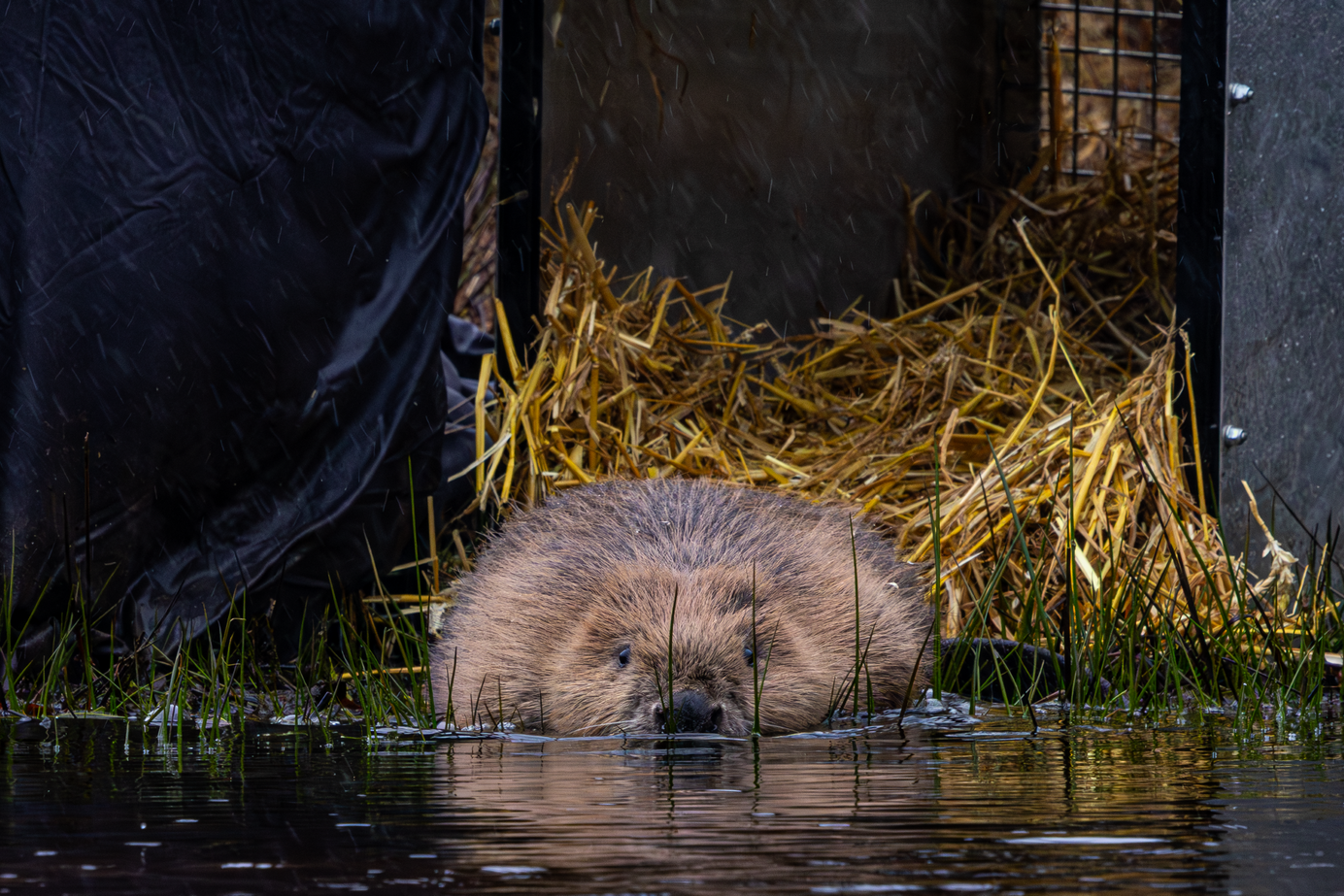
- Defra has given legal protection to beavers in England after a delay last week. The Times covered the story; the Wildlife Trusts welcomed the news.
- The Environment Agency has convened a National Drought Group to agree on actions to protect water resources and the environment. The Guardian reports on the toll the heatwave is taking on British wildlife, and SEPA has warned of frequent water shortages in Scotland.
- Environmentalist and Conservative Ben Goldsmith says the next prime minister must go ahead with the changes to farm subsidies that protect nature, reports the Guardian.
- A survey has found that Scots believe protection for the nation’s marine wildlife is too weak, citing pollution, climate change, and industrial fishing as the greatest threats. The Herald reported the findings.
- The RSPB Cymru is asking households in north Wales to stop providing bird food in an effort to halt the spread of trichomonosis in the rare Hawfinch population. BirdGuides reported the news.
- Natural Resources Wales explains how a LIFE project is using satellite technology to monitor the restoration of lowland raised bogs in Wales.
- The University of Portsmouth has launched a study exploring the prescription of outdoor swimming as an alternative to antidepressants, reports the National.
- Natural Resources Wales is piloting educational sessions for trainee GPs on why prescribing nature for patients can benefit their health and wellbeing.
Across the country
Farne Islands | The National Trust has collected more than 3,000 seabird carcasses from the Farne Islands, where bird populations are being ravaged by avian flu. The islands off the coast of Northumberland are an internationally important habitat for species including puffins, guillemots, and razorbills, as well as Arctic, sandwich and common terns. One Arctic tern found by the team, which had been ringed by the British Trust for Ornithology, had flown from the Farne Islands to Antarctica eight times during its lifetime. General manager of the islands, Simon Lee, said: "The National Trust has cared for the Farne Islands for just under 100 years, and there are no records of anything so potentially damaging to our already endangered seabird colonies." The charity has asked the government to respond urgently to the crisis, but Defra said there were “limited effective actions” they could take to protect wild bird populations. The BBC, the Guardian, Countryfile and the Northern Echo reported the news. In other news, fishermen are concerned by the proposal for a Highly Protected Marine Area on the Northumberland coast, including the outer Farne Islands, reports the BBC. They said nearby harbours were already busy, and might not have capacity for extra boats if they were displaced.
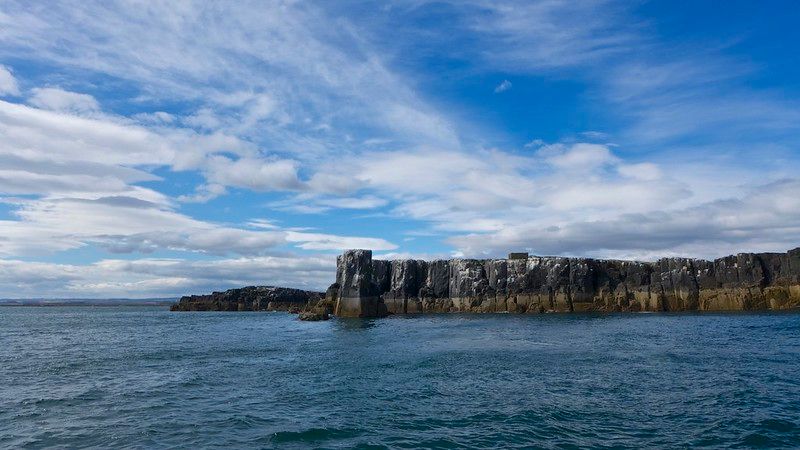
Garnock | Wildlife campaigners are calling for the Garnock Estuary in North Ayrshire to be urgently designated as an SSSI. The Ardeer Action Group, comprising local campaigners and national organisations, has written to NatureScot requesting the area be granted protected status to safeguard it from growing development threats. These include proposals such as a wind farm, housing, golf courses, and even a nuclear fusion power plant. Garnock Estuary and the wider Ardeer Peninsula is a rare mosaic of dunes, grassland, woodlands, scrub and wetlands. A report by the Action Group reveals that the area is home to over 1,000 invertebrate species and dozens of rare plants, and acts as one of the best bird breeding sites on the Lower Clyde coast. The area once housed Scotland’s largest explosives factory, but remains an “incomparable haven” for wildlife, according to the RSPB. The Action Group points to a Special Development Order dating back to 1953, which means that planning permission – which would require consent in most other places in Scotland – is not required for developments in the area. Already, the dune habitat is being damaged by ongoing sand extraction. The BBC, the Times and the Scotsman covered the news.
Hull | A nature reserve beside a council estate in North Bransholme is being hailed as a prime example of urban rewilding. Noddle Hill became Hull’s first official nature reserve in 2011, but part of the area has had no management for over three decades. Local people have been monitoring and recording the wildlife there for some time, according to ecologist Richard Broughton, making it a rare example of a well-documented case study of urban rewilding. Broughton, a researcher at the UK Centre for Ecology and Hydrology, grew up in North Bransholme and says he has been keeping tabs on the area ever since. Now, he is leading a study on natural regeneration in the rewilded section of the reserve. “The upshot is that we have found the site to have developed into a rich mosaic of habitats that support lots of biodiversity,” he said. Broughton added that the area disproved recent claims that rewilding is a fashionable pastime for the rich, having involved local people as a grassroots initiative “with no toffs in sight!” The Hull Daily Mail reported the story.
Elsewhere:
- Posters on Scottish beaches claiming bird poo “contributes to water pollution” have been challenged by ornithology experts, reports the BBC and the Guardian.
- The Environment Agency is funding a pilot scheme to create new saltmarsh habitat in the Wear Estuary, reports the Sunderland Echo.
- Derbyshire Wildlife Trust has published the results of a public consultation on the rewilding of Allestree Park, with 89% of respondents supporting the Trust’s vision.
- Herefordshire Council is considering a new system of ‘phosphate credits’, which would use a specially created wetland to offset the pollution of new developments, reports the Shropshire Star.
- The South Downs National Park Authority is working with nearly 180 farmers to increase nature-friendly habitats such as woodland, hedgerows and ponds, reports Portsmouth News.
- A 12-mile “wildlife route” will be created in Worcester to link the city’s green spaces and encourage people to learn about nature, reports the BBC.
- Rare bee-eater chicks which have hatched in a Norfolk quarry are a “vivid reminder” of climate change, according to conservationists. The BBC and BirdGuides reported the news.
- The Manx shearwater population on Ramsey Island has reached a new high of 6,225 breeding pairs, representing a 30% increase since 2016, reports BirdGuides.
- Newnton Parish Council in Wiltshire is using road-side flowers to encourage drivers to slow down, as well as boost biodiversity, reports the BBC.
- Environmental charity River Action has accused Southern Water of treating the New Forest “like an open sewer”, after revealing hundreds of raw sewage discharges into its two main rivers. The Daily Echo reported the news.
- A partnership of conservation bodies, including the Devon Wildlife Trust, is investigating the possibility of reintroducing pine martens to the southwest of England.
- The charity Trees for Life is carrying out a community consultation on the proposed relocation of beavers from Tayside to Glen Affric, reports the BBC.
- Police are investigating the death of a young osprey found on Criccieth beach in north Wales, reports the BBC.
- Around half of the trees planted last year to form the “people’s wood” on the Isle of Man are not growing well, reports the BBC.
- Dan Norris, mayor for the west of England, has backed a plan to create a wildlife “superhighway” between the Mendip Hills and the Cotswolds, reports the BBC.
- Councillor Andy Kelly has told Rochdale Council it should turn the site of the world’s largest asbestos plant into a nature reserve, reports the BBC.
- London mayor Sadiq Khan has pledged £3.1m of new trees for London after the record-breaking temperatures, according to My London. Meanwhile, Chris Packham has criticised McDonalds after a Haringey branch replaced 11 trees with fake grass, reports iNews.
- Natural Resources Wales has announced the re-discovery of the rare Fen Orchid at Laugharne-Pendine Burrows, where it has not been seen for 20 years.
- The Tees River Trust has launched a project to restore marine habitats in the mouth of the River Tees by repopulating it with oysters and seagrass, reports the BBC.
Reports
Woodlands | A report by the Forest Research Agency analyses the carbon sequestration rates of different types of woodlands in the UK. Researchers assessed twelve types of woodland, and measured the impact of management factors – such as whether the woodland had been thinned – on their potential carbon uptake. They found that fast-growing conifer plantations absorb the highest levels of carbon in the shorter term of around 30 years. However, over a longer period, other types of woodland such as native broadleaf and naturally regenerated woodland start to achieve similar levels. The Agency suggested that good woodland design and management are vital to achieving early carbon uptake among planted forests, through actions such as avoiding disturbance to soil and vegetation when planting trees. Scotland’s Environment Minister, Mairi McAllen, said: “We need to fully understand the most up-to-date evidence on how we can get the best out of our forests for the future. This new piece of research will be of great benefit to foresters to help them do just that.” The Scotsman covered the research.
Policy | The Environmental Audit Committee has published recommendations on the government’s draft environmental principles policy statement. The five environmental principles were agreed in the Environment Act, and are intended to guide Ministers in the formulation of policy. In the report, the Committee calls for the rapid finalisation and implementation of the policy statement, which was presented in May. It is due to be embedded across policymaking by the autumn of this year, but for that to happen, the Committee says the incoming Prime Minister must get a “rapid grip” on its implementation. Furthermore, the Committee has expressed concern that the government has rejected the Office for Environmental Protection’s advice to strengthen the draft principles, and recommends that Ministers heed their advice. Chair of the Committee, Philip Dunne, said that the policy statement “is a major post-Brexit opportunity to champion environmental protection at home. Yet this potential win from Brexit risks being squandered while Ministers figure out how the principles ought to be implemented”.
Voting | A publication by IPPR, a policy think-tank, explores the most powerful narratives in building public support for environmental action among UK voters. The authors argue that the issue of climate change currently risks becoming overtaken in voting priority by other issues, such as the cost of living and the Ukrainian conflict. To investigate which narratives are the most compelling, researchers tested ten environmental messages on a sample of 3,388 voters through the polling firm YouGov. The results showed that messaging around “global leadership” had the strongest persuasion effect, closely followed by “future generations” and “climate impacts”. The “natural world” also performed well. In comparison, “community regeneration / levelling up” was the weakest performing message, followed by “energy security” and “jobs”. The authors conclude that the most consistently persuasive messages were all simple narratives of shared destiny and concern, while the more utilitarian narratives, which emphasised the transactional benefits of climate solutions, did not perform as well.
Science
Pollinators | A paper published in Journal of Pollination Ecology gives a unique insight into the interactions between pollinators and flowers in private gardens across the globe. The study includes the observations of over 70 researchers from 15 different countries, who formed an ad-hoc network during the Covid-19 pandemic to collect data from their own gardens while stuck at home. The surveys involved 67 gardens, ranging from Norway to Australia, and comprising almost 47,000 visits to flowers by over 1,000 species of pollinators. Professor Jeff Ollerton, co-author and organiser of the study, said that the dataset – which is freely available – will be “an invaluable resource for pollination ecologists.” Pollinator surveys to date have usually been confined by geographic scope, so the data is important for increasing understanding of the diversity of garden pollinators and how they vary globally. It will help identify how gardeners can support declining insects, as well as benefit their own crops by maximising pollination potential, according to the authors.
Business | Private sector businesses must improve efforts to mitigate their impacts on biodiversity, according to an OSF pre-print paper. Although interest in sustainability is increasing among businesses, the authors argue that biodiversity remains low on the agendas of many companies. In particular, the “avoidance stage” of mitigation – prevention rather than cure – is poorly implemented. Based on their review of the private sector, the authors propose a set of principles for biodiversity impact mitigation. These include mainstreaming the use of evidence across business operations; implementing effective monitoring; and sharing results to strengthen the evidence base. The authors conclude that meeting these principles would improve outcomes for biodiversity, although they also recognise that broader political and socio-economic issues also need addressing if the actions of businesses are to contribute more fully to global conservation goals.
Climate | Sea level rise is speeding up and higher temperatures are the new normal for Britain, according to the annual climate and weather report by the Met Office. The report shows that Britain is warming slightly faster than the global average, with the most recent decade (2012-2021) on average 0.2°C warmer than 1991–2020. Recent decades have also been wetter and sunnier than the 20th century. Meanwhile, the rate of sea level rise is increasing, with seas now rising by 3-5.2mm a year: more than double the rate of the last century. The report notes that Storm Arwen brought storm surges of over 1.5m, and extreme sea levels were only avoided because the surges occurred during the low waters of a neap tide. Spring is also coming earlier in Britain: the first leaf dates in 2021 were earlier than the previous decade average (although species which leaf later in spring were delayed by a cold April). The BBC reported the news.
Driftwood
Wilding | A feature in BBC Travel explores Cabilla, a family-owned sustainable farm on Bodmin Moor in Cornwall. The aim of the owners, Merlin and Lizzie Hanbury-Tenison, is for the farm to still be around in 1,000 years’ time, an idea rooted in the Indigenous Seventh Generation Principle. The couple have gone about future-proofing – and greening – the farm in a number of ways since taking over management in 2018. So far, they have reintroduced beavers, planted 100,000 native oaks, become a native dark honeybee reserve, and worked with more than 20 researchers to measure the impacts of their rewilding efforts. This, they say, is just the start. Next, they want to triple the size of the rare temperate rainforest habitat on the land from 100 to 300 acres. They also plan to switch from grazing their cows in grassland fields to using a no-fence GPS system to allow the cattle to move freely through the woodland. As well as benefiting nature, the Hanbury-Tenisons have opened the farm to visitors who want to experience the healing benefits of spending time with the land. “Something really amazing happens when you slow your entire life down and you start looking at the little things,” Lizzie said.
Rangers | In National Geographic, an interview introduces Don and Tom, the UK’s first ever bison rangers. Don is a seasoned Australian ranger, familiar with large animals from working in southern Africa. Meanwhile, Tom professes himself as “a real tree hugger” who is excited to be working in one of the UK’s largest remnants of ancient woodland. Tom notes that as ecosystem engineers, they expect the bison to quickly begin to explore new areas in the woodland, opening up vegetation and connecting pockets of fragmented habitats. While the charismatic bison drew both men to the roles, Don explains that the Blean rewilding project is important in the wider conservation picture. “I do believe that we’re on the brink of a breakthrough,” he says.
Farming | An article in Farmer’s Weekly features tenant farmers who are unhappy that their land is being repurposed by the National Trust for rewilding projects. Several farmers have been shocked when the Trust has decided to replace their tenancies with activities such as tree-planting, rewilding, and the creation of nature reserves. Land agent Kevin Bateman said the policy felt financially-driven, with the Trust targeting large grants for landscape-scale recovery. “It feels like re-enactment of the Highland clearances – a land grab,” he said. However, the Trust said that any payments made as incentives to surrender tenancies were from Trust funds, and denied taking land back to claim future grants, adding that it was acutely aware of the impact on tenants and works hard to support them. In other news, an article in the Guardian features a group of Sussex farmers participating in the Weald to Waves project, which intends to create 10,000 hectares of nature-friendly land connecting biodiversity hotspots in the Weald hills and Knepp Estate to the sea, via the valleys of the Rivers Arun and Adur.
Further reading:
- Teenage campaigners are calling for environmental issues to be taught in more depth and in all subjects at school, reports the BBC.
- A feature in the Guardian introduces Carol-Anne O’Callaghan, a former teacher who is fighting to save ancient oaks – home to seven species of bats – from HS2 developments.
- An article in the Herald explores the work of botany experts Dr Aline Finger and Marine Borge, who are striving to save a rare Scottish alpine plant from extinction.
- A BBC article questions who really has access to the outdoors in Britain, and takes a look at groups such as Muslim Hikers, who are promoting better access to nature for all sections of the population.
- Mark Glover, chair of the Labour Animal Welfare Society, writes in a Guardian letter on why a ban on the slaughter of imported gamebirds is long overdue in the UK.
- An article in the BBC explores if hay fever is getting worse in the UK, and how climate change could be a driving factor behind changing pollen patterns.
- Some distilleries are rejecting the use of peat in their whisky-making process on environmental grounds, according to a BBC article.
Happy days
Hugging | If you’ve ever thought of yourself as a top-notch tree-hugger, you can now make it official. The inaugural Scottish Tree Hugging Championships were held last weekend, at Ardtornish on Lochaber’s Morvern Peninsula. Events included hugging as many trees as possible in sixty seconds, and freestyle, which is judged by the most ‘inventive’ way to hug a tree. Some of the results are pictured in this BBC article. The event was organised by An Darach Forest Therapy and Darach Social Croft, in association with Finland’s tree-hugging championships, which is already an annual event.
Subscribe to our newsletter
Members receive our premium weekly digest of nature news from across Britain.
Comments
Sign in or become a Inkcap Journal member to join the conversation.
Just enter your email below to get a log in link.