Spring Statement & Bats Versus Owls
The latest news on nature and conservation in Britain.
National news
Budget | Chancellor Jeremy Hunt laid out his priorities for the economy in the Spring Statement this week. His plan was based around the “four E’s” – Enterprise, Employment, Education and … Everywhere. Commentators have pointed out the obvious missed opportunity for including Environment: nature was conspicuous only by its absence. “If we fail to address the dire condition of biodiversity then we can forget the Government’s twin ambitions to halt species decline by 2030 and improve our economic prosperity,” said the RSPB’s Douglas Peedle ahead of the speech. CPRE celebrated the scaling back of investment zones, a policy introduced during Liz Truss’s brief tenure last year: “Green growth should be possible without needless loss of our Green Belt, through strategic regeneration of brownfield sites and better planning.” Carbon Brief rounds up what the budget means for energy and climate change.
Wild Isles | Three of the UK’s largest conservation charities have launched a joint campaign to ‘Save our Wild Isles’ by halting the destruction of nature in the UK, in tandem with David Attenborough’s latest documentary. The first episode aired on Sunday night, featuring locations across the country: from chalk streams in southern England to Shetland’s rugged coastline. The National Trust, the RSPB and WWF hope to harness the attention garnered by the series to encourage the public to act for nature. Part of the campaign encourages individuals to “Go Wild Once a Week”, whether that be creating green pockets in urban areas, eating less meat, or using their voices to support environmental causes. To read more about the locations of the first episode, see this deep dive from the RSPB, or this post by the Wildlife Trusts. A BBC article features the locals on Shetland who helped spot an elusive pod of orcas, while this piece delves into the plight of Britain’s puffins. A separate episode produced by the RSPB, WWF and Silverback Films, focusing on the causes behind the decline of British nature, will not be broadcast on the BBC but will be available on iPlayer.
Rhododendron | It will take 250 years to get rid of invasive rhododendron at the current rate of removal, according to the Lost Rainforests of Britain campaign. Rhododendron ponticum was introduced to the UK from the Mediterranean and Asia, and widely planted across England by the Victorians. It now covers at least 37,600 hectares – an area four times the size of Birmingham – with large amounts in the west of the country. Infestations of the aggressive woodland shrub pose a “mortal threat” to England’s remaining patches of temperate rainforest, says campaigner Guy Shrubsole. The government currently pays landowners between £2,800 and £4,400 per hectare to remove rhododendron, but only around 151 hectares have been cleared annually since 2015. The government has said it has no plans to ban its sale in garden centres. The Guardian covered the news.
In other news:
- Environmental campaigners have criticised the government’s decision to reject all but one application for bathing water status for English rivers. The BBC, the Times, the Telegraph and ENDS reported the news.
- The current cold snap following a mild winter is making it difficult for some wildlife to find food, according to Shropshire Wildlife Trust.
- The Wildlife Trusts have launched the Great Big Nature Survey, designed to find out what people in the UK think about nature, and how society should protect it.
- Hummingbird moths had a bumper year in 2022, with an estimated ten fold increase in sightings across the UK, according to the Butterfly Conservation.
- Labour’s shadow environment secretary has accused the government of “blocking investigations” into the mass crustacean die-off in the northeast, reports ENDS.
- The chair of the Environment Agency has said the proposed fines of £250m for pollution by water companies are too high, reports the Times.
- Environmental charity River Action is taking the Environment Agency to court for failing to protect the River Wye from agricultural pollution, reports the BBC.
Across the country
Plymouth | Plymouth City Council is facing fierce backlash after its decision to cut down 110 trees on Tuesday night. The plan to fell the mature trees was part of a regeneration project in the city centre, but it had been paused in February for a public consultation. Despite a petition to save the trees – signed by more than 16,000 people – an executive order was given on Tuesday for the felling to go ahead. Plymouth Green Party has branded it an act of “ecological vandalism”, and is calling for an independent inquiry into the Conservative council’s decision-making. Meanwhile, the Devon Wildlife Trust said the decision was “hugely disappointing” and goes against the council’s other work to enhance nature in the city. The council’s redevelopment plans include the planting of 169 semi-mature trees, and a commitment to investigate wider tree planting in the city centre. The BBC, the Guardian, the Times and the Plymouth Herald reported the news.
The true extent of the environmental vandalism by #Plymouth’s Conservative council is now visible in our city centre. Over 100 trees felled overnight. This was the last green part of a very urban city centre and now looks like part of the Amazon after deforestation. pic.twitter.com/88uLKmqbQN
— Luke Pollard MP (@LukePollard) March 16, 2023
London | The Tower of London recently employed two unlikely staff members. William and Joey are a pair of shire horses borrowed from Hampton Court Palace to help prepare the fort’s moat for its wildflower display, after around 20 million seeds were planted there last year. The pair are ploughing the ground ahead of the summer bloom, as their wide hooves do not compact the soil as much as agricultural machinery, allowing the seedlings from last year to survive. The moat was dug in 1281, and has since been used to graze livestock, lodge soldiers during Queen Victoria’s Diamond Jubilee in 1897, and grow vegetables during WWII. The Independent covered the story.
Whitby | An enterprising project in Whitby is attempting to boost the local fishing industry by rearing tens of thousands of baby lobsters. The Whitby Lobster Hatchery is run by biology graduate Joe Redfern, whose aim is to release 100,000 juvenile lobsters into the sea each year. Whitby is Europe’s third largest lobster port, but since crustacean numbers in the northeast plummeted in 2021, around 150 jobs are at stake. Previously, lobster were only a small part of Whitby’s larger fishing industry, but the traditional catch of whitefish has disappeared as a result of overfishing and warming seas. Redfern says he hopes the project can “bring a bit of hope back into the communities” and show that “something can be done to start to rebuild”. The Guardian reported the story.
Elsewhere:
- The Freshwater Habitats Trust and the National Trust are working together to restore historic floodplain habitat on the border of Oxfordshire and Wiltshire, reports the BBC.
- The RSPB has described its new ownership of Langford Lowfields, a major wetland habitat in Nottinghamshire, as a “milestone”, reports the BBC.
- A trial project reintroducing beavers to Cropton Forest in North Yorkshire has seen benefits for flood reduction and local ecology, reports the Northern Echo.
- A rare cultivated moonflower kept in the Cambridge University Botanic Garden is expected to bloom “imminently”, reports the BBC.
- Plans for a nature reserve at the site of the former Pewit Golf Course in Derbyshire have been approved, reports BirdGuides.
- One of Scotland’s oldest fox hunts has met for the last time after Scottish law tightened restrictions on hunting with dogs, reports the BBC.
- South Tyneside council has voted to declare an ‘ecological emergency’, reports the Northern Echo.
- Two energy firms have built kittiwake ‘hotels’ in Lowestoft, with space to accommodate 430 pairs, reports BirdGuides.
- Lichfield District Council has installed floating islands on the Stowe Pool reservoir to encourage birds to nest and breed there, reports the BBC.
- The Herefordshire Wildlife Trust has planted three thousand hedgerow trees at Oak Tree Farm Nature Reserve prior to its opening later this year.
- A group of wild swimmers from Hampshire is calling for water companies to provide real-time data on sewage pollution into local rivers, as well as the sea, reports the BBC.
- Volunteers have planted 4,200 trees near the River Darwen in Lancashire to reduce run-off, reports the Lancashire Post.
- Kew Gardens’ Millenium Seed Bank now stores the seeds of more than 40,000 different plant species, reports the Independent.
- A large pile of shot pheasant and wildfowl were found dumped on Otley Wetland nature reserve, reports BirdGuides.
- A project between National Highways and the Wildlife Trusts is restoring and connecting wildlife habitat in Rotherham, where the environment has been impacted by previous road-building.
- Approved plans to expand the Aberpergwm mine in Neath Port Talbot are being challenged by environmental campaigners in court, reports the BBC.
- NatureScot has concluded a cull of 160 red deer at Loch Choire Estate in East Sutherland, after concluding deer numbers were significantly impacting local habitats.
- Gloucester City councillors are concerned that a springtime rise in gull numbers could trigger a bird flu outbreak, reports the BBC.
- The Wildlife Trust for Cambridgeshire is looking for volunteers to help save toads from roads as they journey from hibernation back to breeding ponds.
- Defra has completed a project in Chesterfield using natural flood management to slow rainfall flowing into Calow Brook, while also boosting local habitats.
- The Swanscombe peninsula in Kent is home to more threatened plant species than any other brownfield site in the UK, reports the Guardian.
Reports
Selborne | It has been almost 250 years since the great naturalist Gilbert White published The Natural History of Selborne, setting out a baseline for the biodiversity around his village. A new report, based upon five years of data collection, shows how nature has fared in the centuries since that work was published. The monitoring was undertaken across land managed by the Selborne Landscape Partnership, a cluster of farmers mostly in the South Downs National Park. The survey found 114 different bird species today, compared to 120 recorded by White during the 1700s. However, the composition of species had shifted. While there were 88 overlaps – including barn owls, swifts and swallows – some species had been lost, while others had been introduced. Nor was it possible to compare the abundance of individual species: “Whilst Gilbert White was a meticulous recorder of bird species, he was not a counter and his records are therefore not able to help quantify the large decreases in numbers of farmland birds in recent decades,” the authors note. You can view the full report here. The Independent covered the news.
Herbicides | There are no obstacles – economic or technical – to banning the herbicide glyphosate, according to a report by Pesticide Action Network Europe. The authors review the harms caused by the application of this agrochemical, concluding that it damages pollinators, earthworms and soil biota, as well as making crops more susceptible to pathogens and diseases by interrupting their defence systems. The report lays out the alternative options when it comes to weed management – these can be used in combination in what is known as the “many little hammers” approach. The findings are timely, as the EU is due to decide on whether to re-approve the use of glyphosate by the end of the year.
Trees | An independent inquiry into the felling of thousands of healthy trees in Sheffield has found that the council behaved dishonestly and destroyed public trust. Between 2013 and 2018, around 5,600 city trees were cut down as part of a £2.2bn street improvement project, while another 12,500 faced the chop. Author of the report, Sir Mark Lowcock, called the dispute a “dark episode for Sheffield”, and said a “sustained failure of strategic leadership” was to blame. The report reveals that the city council intentionally misled the high court during proceedings, and also references an email from 2018 in which a councillor suggested ringbarking trees – effectively killing them – to justify cutting them down. In its recommendations, the report suggests the council should issue “a comprehensive and fulsome apology”, as well as dropping outstanding financial claims against protestors. The BBC and the Guardian covered the report.
Science
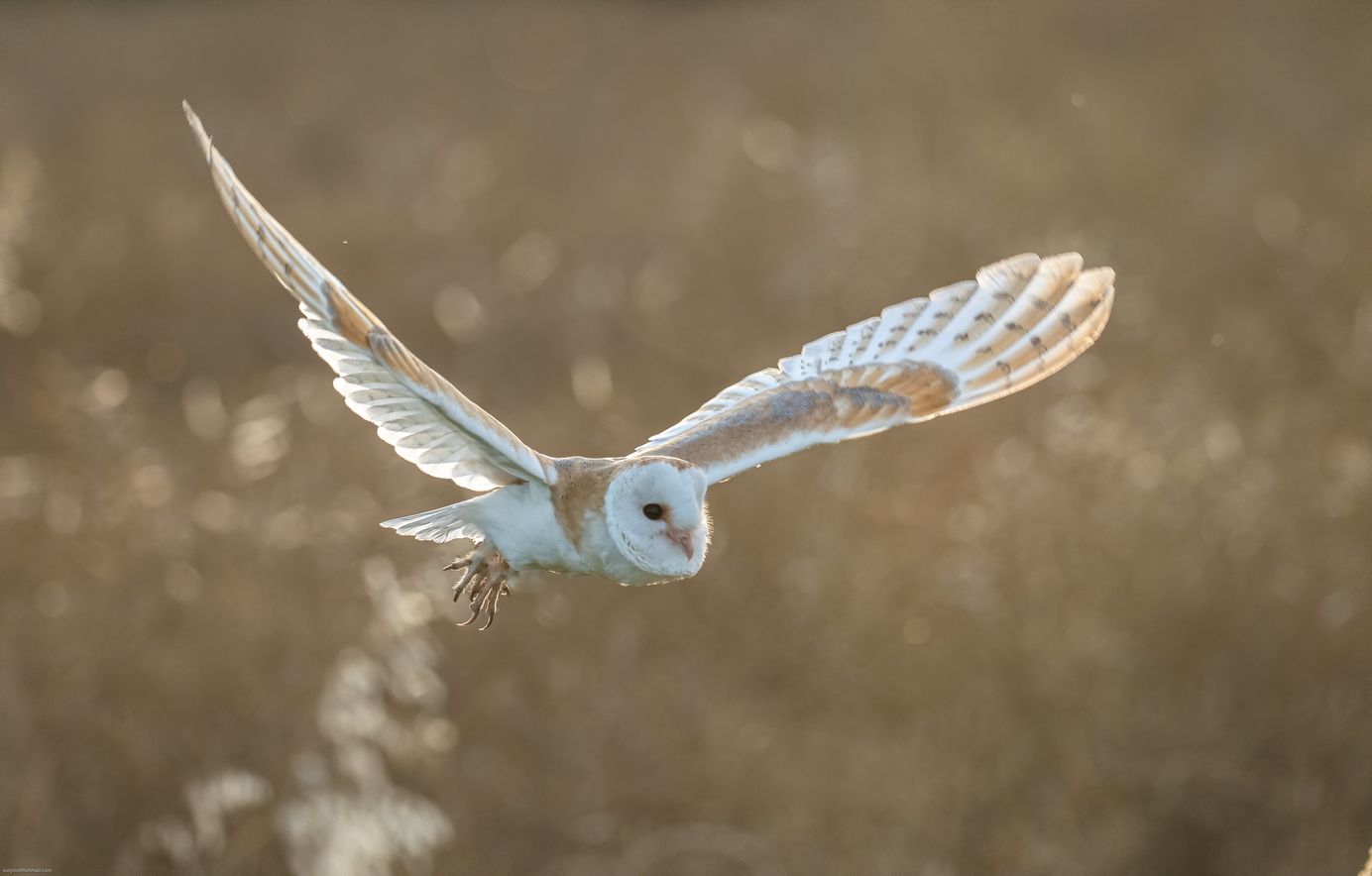
Bats | In 1997, an old stone barn in Devon was purchased by Vincent Wildlife Trust on account of its small roost of greater horseshoe bats – one of the rarest bat species in the UK. With protection, numbers increased yearly, from a baseline of 37 to a maximum of 825 adults in July 2017. But in 2018 the bats all vanished – and the arrival of barn owls nesting in the same barn was to blame. Given that barn owls have the option to nest elsewhere, the charity decided to exclude the birds from the barn, which ultimately led to the return of the bats. The experiment, and its conclusions, were published this week in Conservation Evidence Journal.
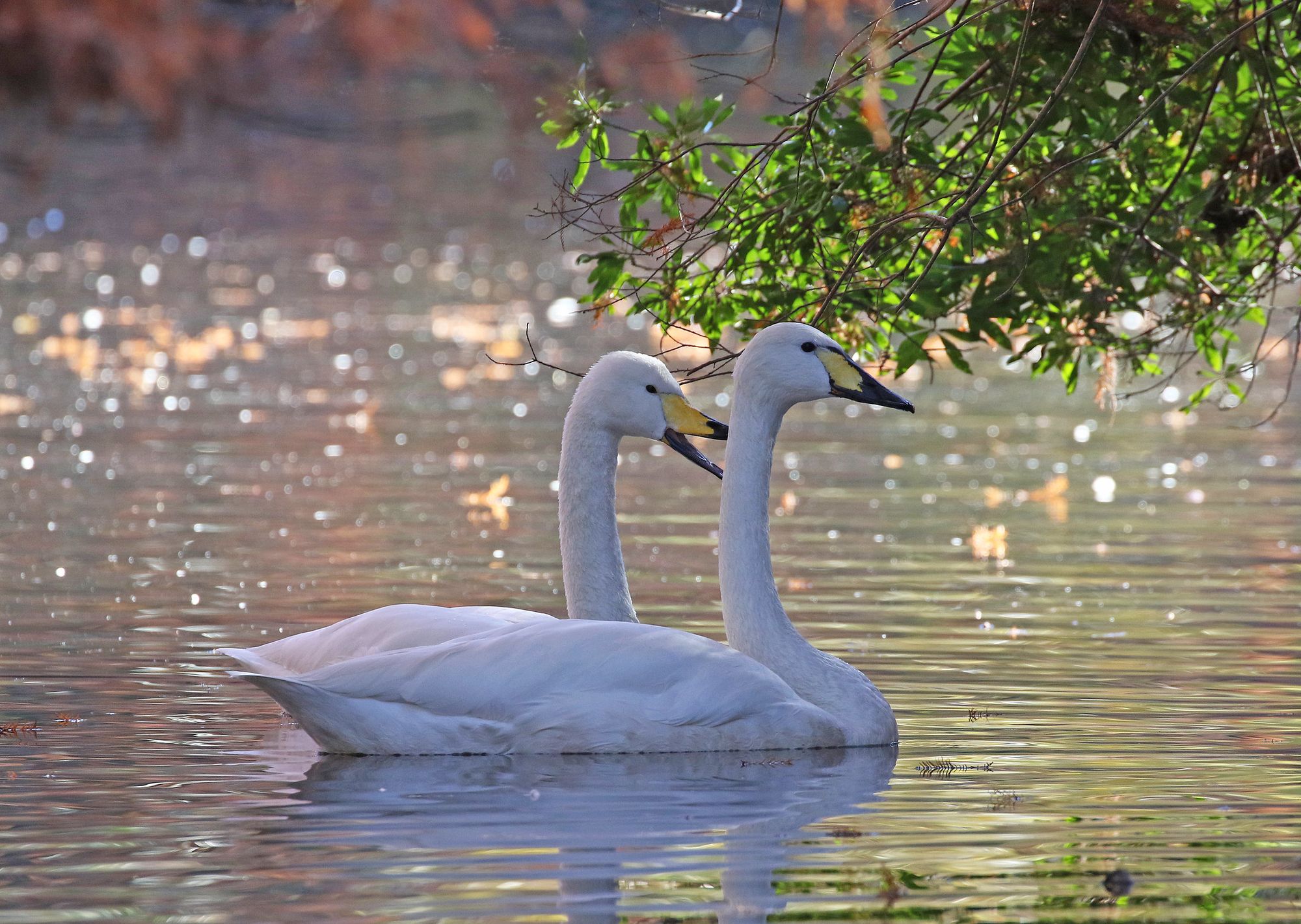
Swans | The number of whooper swans in the UK could double by 2030, thanks to the protection of nature reserves, according to a study in PNAS. Researchers from the University of Exeter analysed 30 years’ worth of data on more than 10,000 swans across 22 UK sites to determine demographic trends. They found that survival rates were significantly higher within nature reserves, with low-lying coastal and wetland areas proving particularly important. The resulting population growth within protected areas was high enough to boost overall numbers elsewhere. The research highlights the benefit of reserves, even for migratory species such as whooper swans, who move between protected and non-protected areas throughout their life. The BBC and the Evening Standard covered the research.
Fungi | Growing edible mushrooms within forestry plantations would have huge benefits for both food production and tackling climate change, according to a study published in PNAS. By inoculating the root system with ectomycorrhizal fungi, forests could sequester an additional 12.8 tonnes of carbon per hectare annually, while also producing nutritious food for almost 19 million people. The production of such a plentiful crop would also reduce deforestation pressure on other existing forests, as less space would be required for alternative food production. “When we compared this to other major food groups, this is the only one that would result in such benefits – all other major food categories lead to a greenhouse gas emission during production,” said Professor Paul Thomas, co-author of the paper.
Driftwood
Bushcraft | A feature in BBC Travel examines the rising popularity of bushcraft, and how its practice can lead to better connections to nature and improved mental health. Bushcraft is essentially the art of survival in the wild: how to start fires, gather mushrooms and keep warm during icy conditions, for example. By learning these ancient skills, we can get back in touch with the “rhythms and resources that keep us alive”. Writer Daniel Stables joins one practitioner in Wales, who guides him through his night in the woods.
Moss | A project called How to Bury the Giant is enlisting volunteers to create small nests for growing sphagnum moss on Dartmoor. The initiative is run by the Art and Energy Collective, a group of environmental artists, and the ‘giant’ in question is the climate emergency. The tiny structures, made of wool, prevent moss from being washed away, allowing it to become established and soak up carbon in the landscape. Larger woollen barriers are also planned to help slow the flow of water off Dartmoor and protect the growing moss. The BBC covered the story. Separately, Natural England has published a blog on how it is helping to preserve wildlife across Dartmoor’s landscape, including adjusting grazing levels to reduce the impact on heathland vegetation.
Farming | The future of farming in the Lake District comes under the microscope once again this feature in the Guardian, which looks at the work underway at Haweswater – the RSPB site that was the subject of the book Wild Fell last year. The landscape is being managed with the aim of restoring biodiversity, but the term ‘rewilding’ is not necessarily useful or accurate in this context, says Spike Webb, one of the wardens: “It’s still a working farm. We’re just doing it less intensively,” he says. The article also features Richard Carruthers, who farms a significantly smaller tenanted holding nearby using regenerative grazing, and Will Rawling, chairman of the Herdwick Sheep Breeders’ Association, both of whom are rather less optimistic about the direction of travel. “Whilst we are being tolerated, rather than celebrated by NGOs and conservation organisations, the chance of genuine collaboration is remote,” says Rawling.
Further reading:
- A blog by Natural England details all you need to know about its Species Recovery Programme.
- An article on BBC Future looks into why humans don’t have fur.
- Also on BBC Future, a feature digs into the looming threat of deep-sea mining.
- In the Guardian, an article explores the first great energy transition from whale blubber to oil, and what society can learn from giving up whaling.
- A blog by the RSPB considers the pros and cons of a ‘right to roam’ in England.
- Natural Resources Wales has announced that the cameras monitoring the Llyn Clywedog osprey nest have gone live. Meanwhile, Northumberland Wildlife Trust is urging people to keep an eye out for the return of the Kielder ospreys.
- An article in the Guardian explores the biodiversity of the Somerset Levels, which featured in the first episode of Wild Isles.
Happy days
Photography | The winners of the British Wildlife Photography awards have been announced, and the Guardian has published some of the highlights. The images show nature in all its forms: big and small, wild and urban, underwater and on land. I like the fox covered in dandelion seeds the most.
Subscribe to our newsletter
Members receive our premium weekly digest of nature news from across Britain.
Comments
Sign in or become a Inkcap Journal member to join the conversation.
Just enter your email below to get a log in link.