Storm Arwen & Farming Subsidies
The latest news on nature and conservation in Britain.
Welcome to Inkcap Journal, a newsletter about nature and conservation in Britain. This is the Friday digest, rounding up all the week's news, science, reports, comment and more. Sign up here to get these digests in your inbox every week.
National news
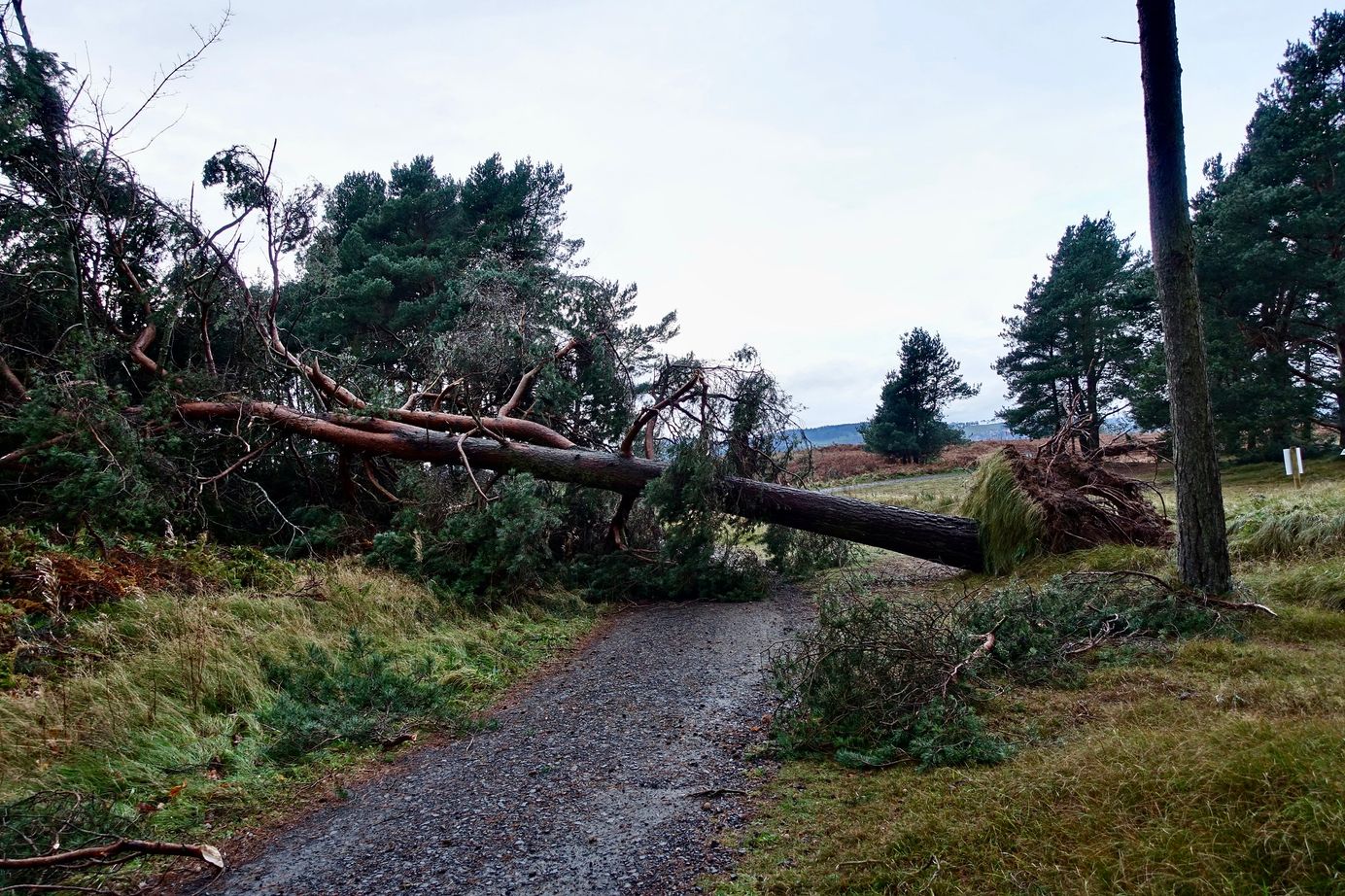
Storm Arwen | There was a host of stories this week about the devastation wrought by Storm Arwen. Scotland’s east shores were particularly affected, with gale-force winds battering the coastline. Near Nairn in the Highlands, hundreds of starfish and other sea creatures were washed up on a beach, reported the BBC. At St. Abb’s Nature Reserve in the Borders, over 200 seal pups were killed by the extreme weather; the Scotsman and the Herald reported the news. In North Wales, the National Trust said the damage included ‘irreplaceable’ tree specimens at their Bodnant Garden. The Daily Post carried pictures of the devastation. Meanwhile, the Independent reports that Forestry England have warned visitors to stay away from forests across Northern England, where tens of thousands of trees have blown over. However, storm damage is not always bad news for the environment; the Press and Journal has an article on how the devastation caused by Storm Frank in 2015 has created new habitat for threatened bird species.
Rewilding | A swathe of organisations owning a third of England’s land have signed a joint pact to boost biodiversity and tackle the climate crisis. The effort has been coordinated by the National Trust, and includes groups such as the RSPB, National Parks, Soil Association, the Wildlife Trusts, Woodland Trust, Church Commissioners for England and the Duchy of Cornwall. The pact commits them to large-scale habitat restoration and a major tree-planting programme across the portfolio of 10.5 million acres. Areas of focus include creating more woodland, restoring and protecting peatlands, reconnecting rivers and managing coastal erosion. Signatories have also sent a letter to George Eustice stating their practical restoration commitments. The Independent covered the news.
Trees | Defra launched National Tree Week on Saturday, kicking off with an announcement of a new community forest along the Cumbrian coast. This was followed by the promise of £12 million in funding for various tree-planting projects across England from the Nature for Climate Fund, and by various other tree-related spending announcements. Elsewhere in Britain, Tree Week was not such a happy affair. The discovery of the Phytophthora pluvialis disease near Loch Carron forced Scottish Forestry to introduce forestry movement restrictions, while in North Wales, Natural Resources Wales are felling the equivalent of 30 football pitches of forest in order to contain an outbreak of Phytophthora ramorum.
In other news:
- Environment minister Zac Goldsmith thinks that prison sentences for the directors of law-breaking water firms would be a “good idea”, reports ENDS.
- Lord Goldsmith has also vowed to look into the source of trees burned for energy in the UK, reports the Telegraph. In related news, the Independent reports that the UK is spending six times more on a timber-burning power station than it is on tree planting.
- Farmers may have to cut livestock count to save rivers, reports the Guardian.
- The majority of councils are already mandating biodiversity net gain, according to a report from planning consultants Lichfields. ENDS covers the story.
- The Royal Horticultural Society is encouraging gardeners to let fungi flourish, reports the Times. There is also a lovely feature on how mushrooms are having a “moment” in the Guardian by writer Lucy Jones. And, as if to prove that point, another by Merlin Sheldrake and Toby Kiers.
Across the country
Bristol | The government’s housing agency, Homes England, has published plans to build 260 houses on wildlife-rich meadows which Marvin Rees, the Mayor of Bristol, promised would not be built on as part of his election campaign in May. However, he now admits he had no authority to make this decision because housing development is the responsibility of the planning committee system. Homes England have scaled down their initial proposal from 300 houses to 260, but still plan to seek approval for the development, according to Bristol Live. Elsewhere in England, a meadow in Leicestershire, home to rare animals and plants, is to be cut in half by a new housing development, reports Leicestershire Live. Wigston Meadows is recognised as a breeding ground for the scarce tree sparrow, and has the only known colony of a particular ant species, Myrmica schencki, in the country.
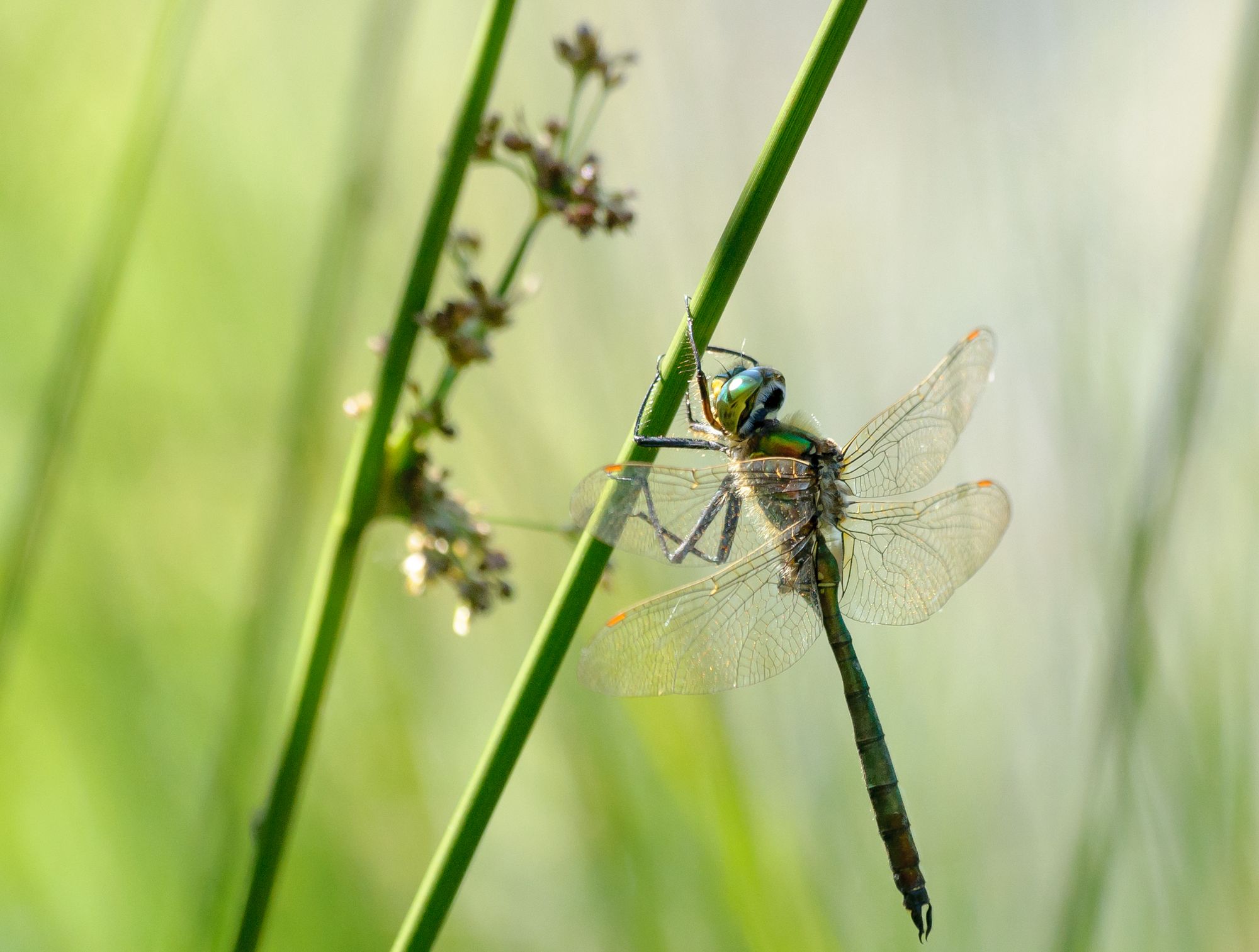
Bunloit | The team behind the Bunloit Rewilding project – a 511 hectare estate on the banks of Loch Ness – have released a natural capital report, outlining the current state of the land. Currently, it is a net source of greenhouse gas emissions, thanks to its degraded peatlands. Ecologists did find, however, that it hosts an important community of lichen and several rare and threatened fungi species. The estate was also home to the Brilliant Emerald, one of the rarest dragonflies in the Highlands. The project aims to increase carbon sequestration and increase biodiversity while boosting employment and becoming “sustainably profitable” through natural capital income streams. The Times covered the report.
Gwynedd | An article in the Daily Post shows just how contentious and tense the subject of tree-planting on Welsh farms has become. Rumours have been swirling that a traditional livestock farm in Gwynedd had been snapped up by Tata Group, an India-based conglomerate. But when the Post contacted Tata, it turned out that the claims were entirely without foundation. “Yet the feverish speculation continues: any number of companies, even Premiership football clubs, have been linked with the purchase of farms and parcels of land in Wales and the Borders,” the paper reports, noting that hard evidence is difficult to come by. It contextualises the current frenzy with the history of tree-planting by the Forestry Commission throughout the 20th century, which led entire rural communities to be dispersed. Huw Besent of the Farmers Union of Wales also delves into some of this history in an opinion piece for the County Times.
Elsewhere:
- The UK’s first ‘dormouse bridge’ could help save the endangered wild hazel dormouse, according to the Guardian.
- A new Norfolk lifeboat station will also help protect little terns, reports the Eastern Daily Press.
- ‘Rabbit hotels’ could help Britain’s decimated population bounce back, according to the Guardian.
- On the Isle of May, artificial intelligence has been used to count tens of thousands of puffins, reports the Scotsman.
- A partnership in Cumbria has launched an initiative to combat biodiversity loss on coastal dunes, reports BirdGuides.
- Chemical pollution has been ruled out as the cause of crustacean deaths in the North East. The Environment Agency announced the findings; Northern Echo reported them.
- Merseyside’s parks and green spaces capture nearly 8,000 tonnes of carbon, but are under threat of development, according to the Liverpool Echo.
- A large fire has broken out on Studland Heath nature reserve in Dorset, the Independent reports.
- Numbers of seals in the Farne Islands are expected to reach a new high, reports the Guardian.
- Norfolk Wildlife Trust has objected to the dualling of the A47 amidst concerns for bat colonies, reports the Eastern Daily Press.
- Opposition councillors have branded Cardiff city council hypocritical for their nature emergency declaration, reports Wales Online.
- Environmentalists warn that plans to develop two mega-prisons in Essex pose a threat to rare wildlife, reports the Guardian.
Reports
Farming | The government has set out new details on its Sustainable Farming Incentive in a policy paper, largely focusing on payments for soil health – although there will be more to come on nutrient management, integrated pest management and hedgerows in the coming years, according to a Defra blog. The SFI is at the core of the government’s post-Brexit plans for agricultural subsidies, and environment secretary George Eustice laid out the thinking behind the scheme in a speech. However, the announcement was met with a chorus of disapproval from environmental NGOs. The main criticism was that the demands made on farmers are too low. “Given that the measures on offer are minimum requirements we should already be delivering as part of standard practice, farmers can – and should – do better,” wrote Martin Lines, chair of the Nature Friendly Farming Network, in a blog. Harry Barton, CEO of the Devon Wildlife Trust, said that payment rates were too low to help smaller farmers and worried that “there is no clear vision or objectives for the scheme”. The Times, the BBC and the Guardian covered the news.
Birds | The latest Birds of Conservation Concern report reveals more than a quarter of the UK’s bird species are of ‘highest conservation concern’. The Red List now stands at 70 species (29% of the total), which is almost double the number from the first review in 1996. This year, 11 species have been added to the Red List, including the swift, greenfinch, house martin, ptarmigan and Bewick’s Swan. The report is compiled by a coalition of the UK’s leading bird conservation and monitoring organisations, who designate birds as either red (70), amber (103), or green (72) status. The RSPB published a helpful explainer of the report’s designations, as well as a blog outlining how nature-friendly farming could help the plight of farm birds. The news was also covered by the Guardian and the Telegraph, who highlighted the impact of modern homes on nesting birds. The BBC emphasised the decline of the ptarmigan in Scotland.
Hedgerows | Hedgerows are at risk due to a ‘gap’ in agricultural policy, according to a report by the RSPB. These iconic features are crucial for wildlife such as hedgehogs and farmland birds, as well as storing significant quantities of carbon and providing benefits to farm businesses. But the transition between the now-outdated farming policies and the post-Brexit environmental land management schemes means that a gap in hedgerow protections will emerge, relating particularly to rules around “cross compliance”, which have safeguarded against damaging practices on farmland in the past. The RSPB estimated that more than 70,000 miles of farm hedges may be at risk. The Times covered the news, while BBC Future ran a broader feature on the “hidden bustling worlds” of hedgerows.
Science
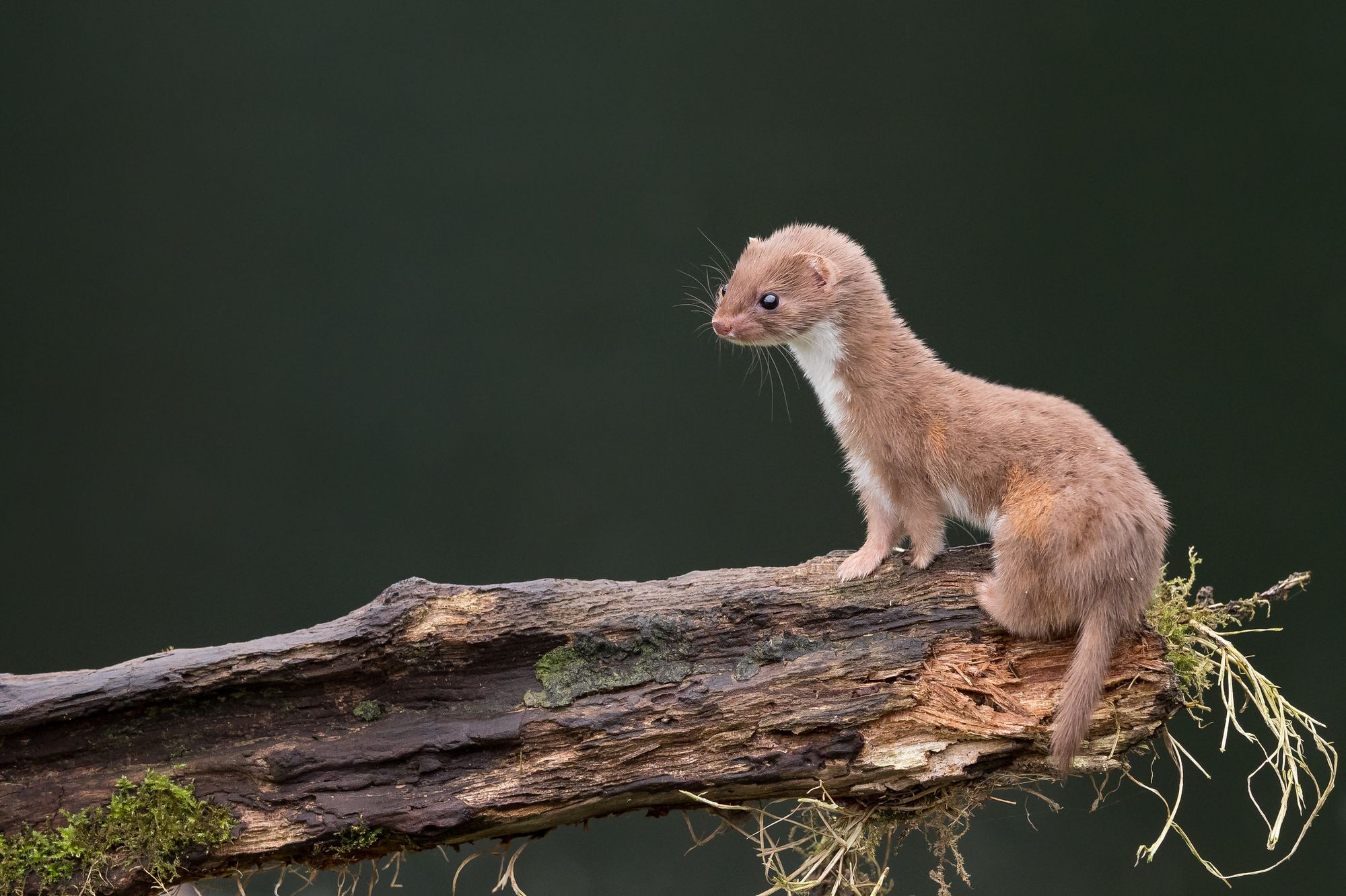
Weasels | A paper in Biological Conservation reveals alarming declines of small mammal species in the UK. One quarter of native British mammals were found to be at risk of extinction in the 2020 Red List for Britain’s mammals, but this study shows further loss, highlighting additional declines in bank voles, field voles, water shrews, common shrews and stoats. The species found to be worst affected were the harvest mouse and weasel, which the research shows are shrinking in occupancy (area of land where they are present) by an average of 2.8% and 4.2% each year, respectively. Currently, weasels have no legal protection and are often killed by gamekeepers for eating game bird chicks. The Mammal Society, a co-author of the study, announced the research, and the Times reported the story.
Twite | A low survival rate among juvenile individuals may be contributing to the recent declines of English Twite populations, according to a preprint paper published on the Biorxiv. Like many bird species associated with agriculture in the UK, the twite has undergone severe declines due to habitat degradation. The researchers used capture-mark-recapture data from 2016-2019 to monitor a small population of twite in Derbyshire, and found that survival for juveniles was lower than for adults, and less than that of other cardueline finches. However, the authors do note that they cannot rule out the possibility that different emigration patterns of juveniles and adults may also contribute to the apparent age-specific survival rates.
Trees | It is well known that urban trees can help to moderate temperatures, but by how much? A new paper in Nature attempts to quantify their impact across different spaces and at different times of the year. By studying 293 European cities, the researchers discovered that treeless urban green spaces are overall less effective in reducing land surface temperatures, and that urban trees had a cooling effect that was 2-4 times higher.
Driftwood
Sheep | There was some strong anti-sheep sentiment in the Telegraph this week, courtesy of ‘destination expert’ Chris Moss. The animals are fluffy, slow-witted and spectacularly unoriginal, he writes – and more to the point, they are eating away all of the UK’s “carbon absorbing greenery”. Moss writes that they had escaped his notice for so long partly because they are seen as part of our culture. But it is time, he says, to re-educate ourselves and reforest great swathes of the UK, starting with the national parks. “The only non-native invasive species allowed should be human beings – and, since some national parks are considering banning cars, it seems the powers that be are not even sure about that.”
Land grab | The Scottish landscape is on the frontlines of an enormous green land grab, akin to the Clearances that took place during the 18th and 19th centuries, writes economist Laurie Macfarlane in Open Democracy. Investors are increasingly drawn to the country’s vast swathes of rural land due to its potential for tree-planting, which can be used to generate credits that can be sold to companies wanting to offset their emissions. But this has negative impacts on local communities, who become powerless and are often pushed off their land in the face of such wealth. “In many cases, this appears to be an explicit part of the business model,” he writes. For an alternative perspective, see this feature in the Scotsman, which includes some views that are more complimentary towards Scotland’s landowners.
Sparrows | The decline of the once ubiquitous sparrow contains an important lesson about biodiversity in the Anthropocene, writes India Bourke in the New Statesman. While this little brown bird has long been seen as a consummate survivor, adapting to anything and everything that humanity might throw at it, its numbers are now declining in absolute terms – and other bird species are not filling in the gaps. According to the RSPB’s Richard Gregory, this most flexible of birds has now “run out of road”. And history shows that we ignore its decline at our peril: when Chairman Mao declared war on the grain-eating bird in the 1950s, it was harvest-ruining locusts that emerged to take their place.
Further reading:
- Lock your cats indoors for the sake of the birds, writes Joe Shute in the Telegraph.
- Forestry and Land Scotland has published a consultation on its Gaelic Language Plan.
- Limiting access to the countryside makes it harder to save our ancient landscapes, according to an interview with campaigner Dave Bangs in the Guardian.
- People think that children do not spend enough time in nature, according to a poll by the Wildlife Trusts.
- Scotland: The Big Picture has a nice profile of one of its rewilding projects on Mull. And there’s a profile of another project in the Cairngorms in the Times.
- The Guardian reviews the 80-minute song cycle based on Dara McAnulty’s award-winning book, Diary of a Young Naturalist.
Happy days
Books | The Times has announced its 15 favorite science and environment books from 2021. The list spans a range of topics, including coronavirus and quantum mechanics, but there are also a few on nature and wildlife, including Cal Flyn’s Islands of Abandonment, Dave Goulson’s Silent Earth, and Fred Pearce’s A Trillion Trees.
Subscribe to our newsletter
Members receive our premium weekly digest of nature news from across Britain.
Comments
Sign in or become a Inkcap Journal member to join the conversation.
Just enter your email below to get a log in link.