Swift Bricks & Coracle Fishing
The latest news on nature and conservation in Britain.
Welcome to Inkcap Journal, a newsletter about nature and conservation in Britain. Not a member? Sign up for a 30-day free trial.
National news
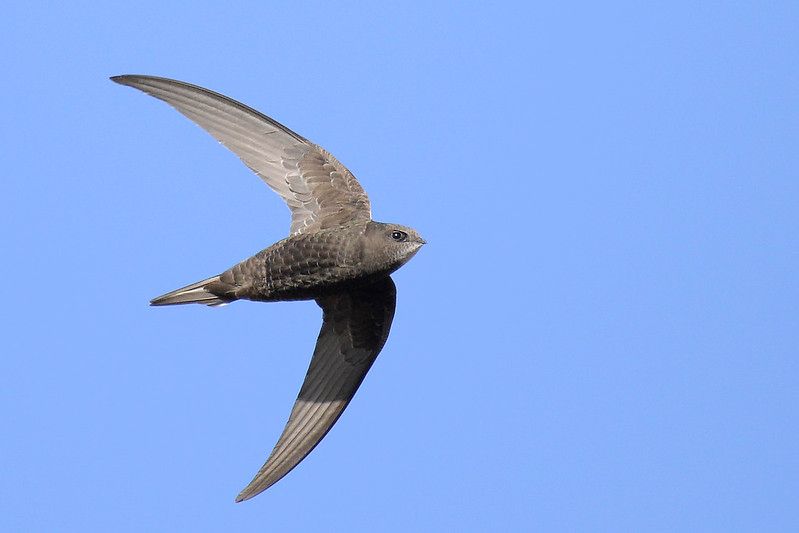
Swifts | The House of Lords has debated an amendment to the levelling up bill that would make swift bricks mandatory in new housing in England. A ‘swift brick’ is a hollow brick that provides a space for cavity-nesting birds such as the red-listed house martin, starling and house sparrow, as well as other small birds. Zac Goldsmith, who tabled the amendment, said there weren’t many conservation solutions as easy as swift bricks, and added that the associated cost was tiny, while the impact for endangered species would be vast. Despite support from cross-party MPs, the government refused to accept the amendment during debate on Wednesday – but neither was it outright rejected, according to a Twitter update by the RSPB. Campaigner Hannah Bourne-Taylor, founder of the Feather Speech campaign, said there is still hope in the form of a meeting with Michael Gove. The Guardian covered the amendment.
Nutrients | The news is still awash with coverage of the government’s plans to weaken legislation surrounding nutrient neutrality rules. Environment secretary Thérèse Coffey responded to the Office for Environmental Protection's concerns with an open letter, writing that she did not believe the changes would “lead to regression in environmental outcomes”. Meanwhile, environmental groups have expressed alarm at Labour’s refusal to condemn the amendments, with shadow levelling up secretary Lisa Nandy coming out in tentative support of “effective measures that get Britain building”. Craig Bennett, chief executive of the Wildlife Trusts, said the issue was a “key test for Labour”, and that the party would “lose public trust” if they went along with government plans. The Trusts and the RSPB have both issued further commentary on the potential damage of the amendments. Members of the House of Lords, where the issue will be debated next week, have tabled an amendment seeking to undo the changes, but the government’s Commons majority means the legislation will likely become law – with little scope for legal challenge, according to ENDS. In the Guardian, Stella Creasy, chair of the Labour Movement for Europe, writes that the episode demonstrates yet again that the Conservative government “cannot be trusted with our natural world”, while an article in the Times questions whether sacrificing environmental protections will actually lead to more homes.
Biodiversity | The Scottish government has launched a major consultation on its strategic framework for biodiversity. The consultation sets out key elements of the framework, including a new Biodiversity Strategy and its delivery plan; principles for achieving the 30x30 target; and proposals for the upcoming Natural Environment Bill, which includes statutory nature recovery targets. Organisations including ScotLINK and the RSPB have welcomed the consultation, saying they hope it will mark a step-change from the protection of Scotland’s remaining nature to active restoration. Anne McCall, director of RSPB Scotland, said that the country is “at a crossroads, but this consultation gives me hope that we can still choose the right path”, adding that it is the biggest opportunity for nature in Scotland in the last 25 years. The consultation will be open to comments for 12 weeks. The Herald covered the news.
In other news:
- NatureScot is being urged to curb the number of wild animals it allows to be killed after permits to cull almost 47,000 creatures were issued over the last four years, reports the Times.
- A conservation charity is encouraging coastal communities in Scotland to enter a bid for the country’s next national park, reports the Herald.
- On Monday, presenter Chris Packham led a group of more than 100 scientists in a protest against new oil and gas licences outside Westminster, reports the Evening Standard.
- A BBC investigation has found that three water companies illegally discharged sewage hundreds of times on dry days last year. Campaigners have called for further investigation, reports the BBC, and the government responded here.
- Peers have added an amendment to the levelling up bill which requires national and local governments to have ‘special regard’ for climate mitigation and adaptation in planning policies, reports ENDS.
- The government has announced measures to make it easier to approve onshore wind farms.
- The UN Environment Programme has warned that sand dredging is endangering both marine life and coastal communities, reports the BBC.
Across the country
Stirlingshire | After nearly one hundred years, the rare Northern Brown Argus butterfly has been spotted again in Stirlingshire. Thought to have been locally extinct, a chance sighting in a local garden prompted a wider search, uncovering further small colonies on the hillsides of the Dumyat Estate. The butterfly’s abundance and distribution have both declined dramatically over the last four decades due to loss of habitat. However, there is hope that the discovery, alongside wider conservation work, might help the species to stage a comeback. Butterfly Conservation is now working alongside the Future Forest Company to clear invasive scrubland and reinstate common rock-rose – the only plant eaten by Northern Brown Argus caterpillars – to help the butterfly spread further across the Ochill Hills. The Times covered the story.
Moffat | Golden eagle numbers in Southern Scotland are the highest they have been in three centuries. The South of Scotland Golden Eagle Project reported that, after the translocation of eight new chicks from other parts of Scotland, there are now 46 birds in the area, up from less than ten back in 2018 when the project first began. It also announced that two previously translocated birds, Edward and Iona, had appeared to have formed a breeding pair near Moffat, indicating that the population has started to become self-sustaining. Some of the birds have even travelled as far south as the Forest of Bowland and Nidderdale, where the species has been extinct for a number of years. The BBC and the Herald covered the news.
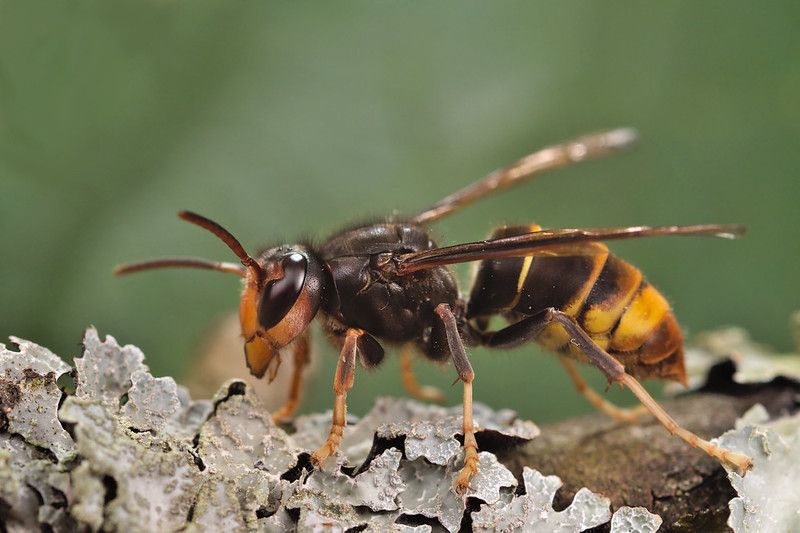
Kent | Insect experts believe it is likely that Asian hornets have become established in the UK, after a record number of nests have been discovered. There has been a steep rise in sightings of the invasive species: four sightings in the past two years have climbed to 22 already this year, with the vast majority in Kent. Asian hornets pose a serious threat to native bees, which they prey upon and feed to their young. However, Matt Shardlow, chief executive at Buglife, said it was too early to give up on control efforts, as “removing nests has probably managed to slow its colonisation”, and hornet numbers can be significantly influenced by weather. The Guardian and the BBC covered the news. A separate BBC feature spotlights how UK teams are being trained to track and destroy hornets in Jersey.
Elsewhere:
- A group of Wildlife Trusts has launched Wilder Marches, a project to create and restore habitats across an area spanning the Welsh-English border, including the headwaters of the Rivers Lugg, Teme and Clun, reports the Powys County Times.
- The Habitat Group is planning to release around 200 water voles into the River Gara in south Devon to boost the species’ population, reports the BBC.
- The Lancashire Wildlife Trust is introducing cattle, sheep and goats to the Freshfield Dune Heath reserve on the Formby coast to aid conservation efforts through grazing.
- A toad has been found with an airgun pellet in its head at a scenic lake in the Gwynedd hills, reports Wales Online.
- The Countryside Regeneration Trust is raising funds to build four ‘stork towers’ on a Dorset farm to attract nesting white storks, reports BirdGuides.
- Ealing Council is planning to convert Warren Farm, an unofficial nature reserve in west London, into new sports facilities, reports BirdGuides.
- Natural England has started work to increase biodiversity at Wybunbury Moss in Cheshire – one of England’s oldest national nature reserves – by introducing livestock, increasing grass and wildflower diversity, and restoring ancient hedgerows.
- The Environment Agency is working to resolve the source of an oil spill polluting a freshwater chalk stream in Hertfordshire, reports the BBC.
- Plymouth City Council has unveiled a programme of nature recovery projects alongside their bid to create the first National Marine Park in the Plymouth Sound.
- Denbighshire County Council has selected nine meadows which will receive a biodiversity boost through wildflower planting, reports the Rhyl Journal.
- The population of Wales’ largest gannet colony off the Pembrokeshire coast has declined by half, reports Nation Cymru.
- A local Cotswolds community is protesting against plans to portion up and sell a hilltop meadow of flower-rich limestone grassland, reports the Guardian.
- Natural Resources Wales has recorded a sighting of the Hornet Robber Fly, the UK’s largest fly, after being absent from Wales for 20 years.
- Great egrets are thriving in Somerset after a record-breaking breeding season, reports BirdGuides.
Reports
Invasion | The global threat posed by invasive species is underappreciated and underestimated, according to a report by IPBES, the leading UN body on biodiversity science. The assessment is the work of 86 experts, including scientists and Indigenous communities. It found that invasive species are the leading threat to global biodiversity and cost society at least $423bn per year. More than 37,000 alien species have been introduced to biomes by human trade and travel, with at least 3,500 of these being harmful to local nature. In the UK, grey squirrels, Japanese knotweed, signal crayfish and Asian hornets are a few of the invasive species impacting native wildlife. However, the report also highlights the success of proactive approaches to preventing invasions, with coordinated collaboration across industries and countries proving key. The Guardian and the Times covered the report, with additional commentary from the British Ecological Society.
Biodiversity | It is common to frame biodiversity loss in terms of its direct drivers: climate change, pollution, land use change, and so on. But tackling the problem will require thinking more deeply about the roots of the crisis – the indirect drivers – including culture, education, demography, economy, political systems and technology. A new report, led by the James Hutton Institute and commissioned by NatureScot, contends that it is only by tackling these wider issues that Scotland will ever stem the tide of species loss. It recommends that future decision-making should consider impacts on future generations and building nature connection, and shift towards measuring wellbeing rather than consumption. A summary of the findings is available here.
Protection | The government will miss its landmark pledge to protect 30% of land and sea for nature without urgent action, according to a report by environmental coalition Wildlife and Countryside Link. Three years after the pledge was made, and with just six years until the target date of 2030, analysis by the organisation has found that only 3.11% of land and 8% of seas are well-protected for nature, leaving a “huge gap”. Although more than 8% of land in England is covered by protected sites, only 37% of these are in good condition. Furthermore, a poll carried out by YouGov revealed that 73% of Brits are not confident that the government will meet its 30x30 commitment, or its target to stop the decline of wildlife. In light of the findings, the authors of the report call for the publication of robust criteria for the 30x30 goal, as well as a legally binding target for improved condition of protected sites. The Times covered the research.
Science
GPS | Two recent papers highlight the role that GPS can play in tracking environmental crime. In one study, published in the Journal of Applied Ecology, researchers in Spain gathered data from wolves and griffon vultures tagged with GPS to investigate whether livestock carcasses were being disposed of according to European sanitary regulations – including whether they were left in designated scavenger feeding zones, as well as meeting rules relating to species, age, and distance from water, buildings and roads. They found that complete compliance ranged from 0% to 4.2%. A second study, in Forensic Science International, used GPS tracking to uncover illegal poaching of curlews in France. BirdGuides covered the findings.
Megaherbivores | In a week when invasive species have featured heavily in the news, a new study in Nature Ecology & Evolution makes for especially interesting reading. According to researchers in India and Denmark, the presence of megaherbivores can help to tackle the dominance of alien plants. These massive creatures disrupt the growth of both native and nonnative species through consumption and disturbance – but while native plants have evolved to resist herbivore damage, new arrivals are generally adapted for fast growth rather than defence, causing the former to flourish and the latter to decline. This effect was observed in midproductive ecosystems in India, but not in extremely wet or dry systems, where other drivers were more important in controlling the makeup of plant communities.
Kittiwakes | To understand the future of seabirds, scientists need data on the multitude of stressors that they face across their lifecycle. However, knowledge gaps can prevent this kind of wide-ranging assessment, and undermine conservation efforts. Using kittiwakes as a case study, researchers at the British Trust for Ornithology (BTO) have developed an approach to identify key data collection and research priorities. In the case of kittiwakes, for instance, the priority is to better understand juvenile and immature survival rates. The findings were published in Ocean & Conservation Management, with an accompanying blog on the BTO website.
Driftwood
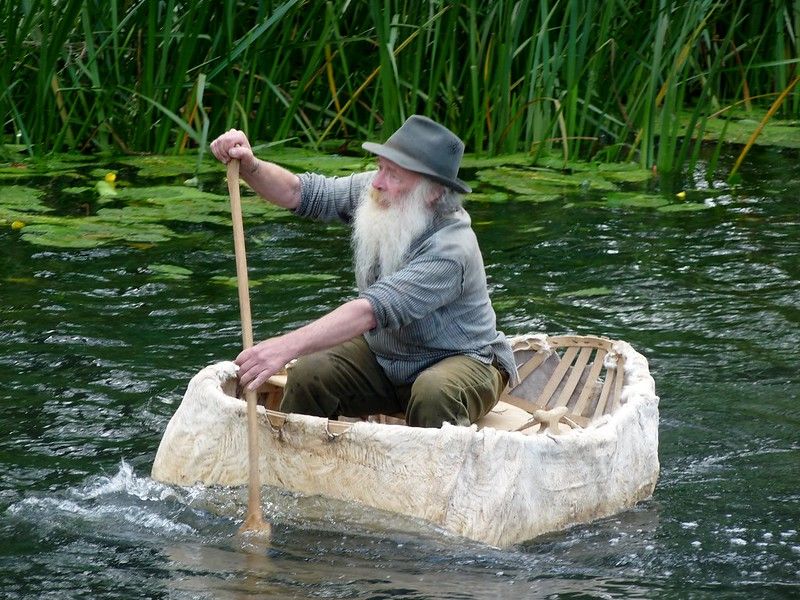
Coracles | A feature in the Guardian looks at the dying art of coracle fishing along three rivers in Wales: the Teifi, Tywi and Taf. These little boats, woven from willow, hazel and calico, have been used for generations to catch salmon and sea trout under the cover of darkness, their designs tailored precisely to the flow of the river in question. But declining fish stocks means that tougher regulations are being put in place – and Wales’ small-scale fishers are not exempt from the rules, leaving many afraid that the tradition could soon disappear for good. “If you take away the right to fish, you’ll no longer have people making coracles,” said one fisherman. “And it’s such an amazing way to fish. All feel. No engines, no noises, just the skill of two boys in a coracle.”
Storytelling | In a blog post for the Institute of Welsh Affairs, writer and editor Kaja Brown discusses storytelling about climate change in a Welsh setting. Brown decided to study in Wales precisely to learn how to tell stories: the country has a rich history of storytelling, stretching back to the bards of old Cymru, and the Celtic myths and Arthurian legends collated in the Mabinogion. These stories were often linked inextricably to land. Now, institutions like the Black Mountains College – set up in 2018 to teach about the climate emergency in a holistic way – are revisiting the Welsh storytelling tradition in a modern context. Writer and teacher Tom Bullough says: “We need to try and look at those stories again and find different strands that don’t lead to an extractive or exploitative society, but instead a society that speaks of a deep concern and compassion for all aspects of the living world.”
Ponies | A feature in the Herald takes a look at a special partnership between endangered Eriskay ponies and rewilding efforts in the Scottish Highlands. Eriskay ponies were once crucial to crofting life in this part of the country, until modern farming technology took over in the 1970s, and their numbers dwindled: today, the species is thought to be less common than giant pandas. Now, at an estate in Argyll, three ponies have been employed to help transform an area of land previously planted with a commercial forest. The characteristics of the tough native breed make them ideal for selective grazing over rough terrain, and it is hoped that their compatibility with rewilding projects could help return the breed to the landscape in numbers.
Further reading:
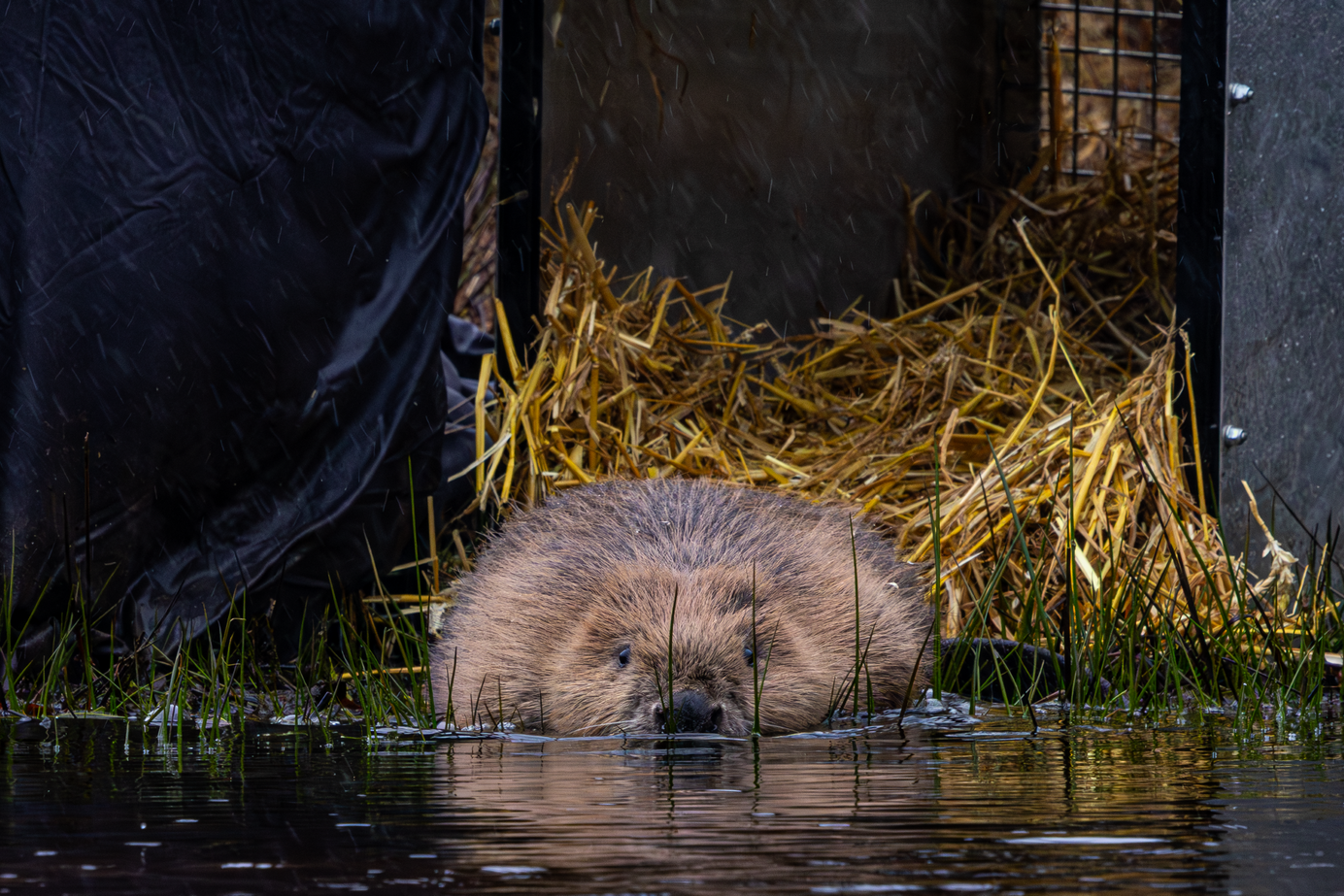
- In the Guardian, science editor Robin McKie outlines conservationists’ concerns that the government is retracting its support for beaver reintroductions.
- The Guardian also has a selection of stunning images from the 2023 Bird photographer of the year awards.
- A feature in the Times covers research from last year, which found that dormice are threatened by warmer and wetter weather as the climate changes.
- A blog by digital interns at the Natural History Museum describes the growing importance of the role of museum digitisers.
- You can read about the unique importance of Scotland’s Flow Country to fighting climate change in this BBC feature.
- A Guardian editorial argues that gardeners have a key role to play in reversing the national decline of insects.
- Also in the Guardian, this feature delves into the experience of living on remote islands, including that of Chris Lewis, who lived alone on Hildasay off Shetland’s mainland for three months during Covid lockdown.
- This BBC article previews the premiere of Nest, a play about climate change which will be hosted in a former coal mine turned nature reserve in Leeds.
- A feature by Blooloop explores the immersive space where VR entertainment meets conservation education.
- A blog by the British Ecological Society explains the nuts and bolts of biodiversity credits.
- A post by rewilding organisation Scotland: The Big Picture investigates the various issues with species reintroductions, and possible ways around them.
- A BBC video explores how an underwater forest off the Sussex coast is recovering after it was protected from trawling.
Happy days
Sound | A composer and musician from Oundle, Northamptonshire, has spent a year recording the sounds of nature on his daily walks along the River Nene. Nick Penny, 68, says that birdsong has inspired his music for decades, and he believes that tuning into the local soundscape can help people connect and pay more attention to nature: "We watch screens all the time,” he says. “It's great to feel the real air and listen to the real sounds." Penny has written a book, Call of the Kingfisher, about his year of listening. It comes with a QR code to access the sound recordings, and you can hear a small selection on this BBC video.
Subscribe to our newsletter
Members receive our premium weekly digest of nature news from across Britain.
Comments
Sign in or become a Inkcap Journal member to join the conversation.
Just enter your email below to get a log in link.