Tree Hugging & Species Reintroduction
The latest news on nature and conservation in Britain.
National news
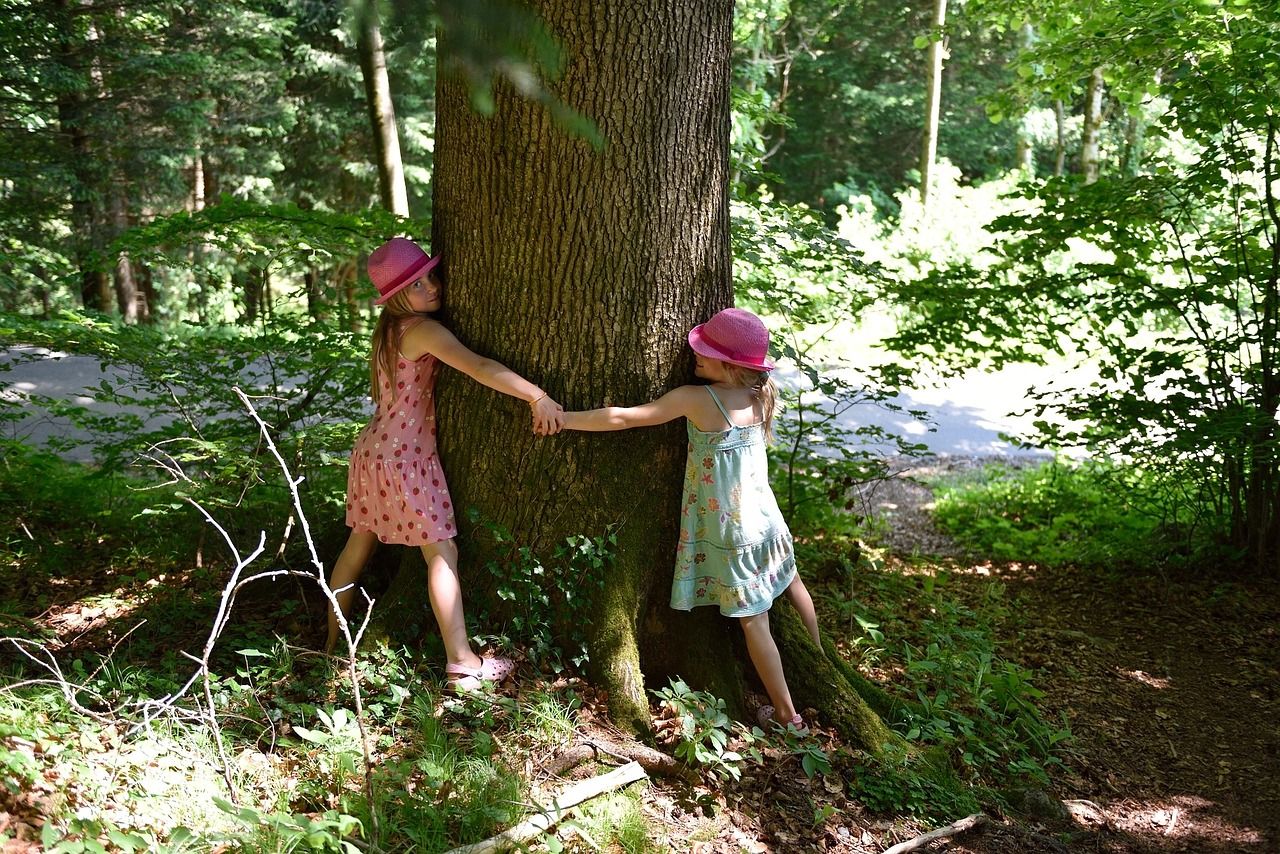
Tree huggers | Keir Starmer is facing backlash after announcing “I hate tree-huggers” in a Labour meeting last month. The statement reportedly came after an presentation by Ed Milliband on green energy policies, to which Starmer replied that he had no interest in “hope and change”, and was more invested in creating sustainable new jobs. Media reports have noted that the apparent split within Labour between economic and climate priorities mirrors that of the Conservatives, with Lord Goldsmith resigning last month after accusing the Prime Minister of being uninterested in environmental issues. A commentary in the Times argues that Starmer’s seeming hatred is actually rooted in environmental guilt, while the Byline Times reviews the rich protest history of tree-hugging. Others have taken to Twitter, using the hashtag #Treehugger to call out Starmer’s position. The Times first reported the news.
Farming | The Welsh government has published new documents as planning for the forthcoming Sustainable Farming Scheme progresses. The scheme will be the main mechanism by which the Welsh government helps farmers deliver for nature. The reports include the views of farmers and stakeholders on the design of the scheme, as well as the government's response. Actions considered include a phased approach to allow farmers more time to understand and implement changes; better rewards for habitat management above the minimum requirements; and more flexibility on tree-planting requirements where land is not suitable. Agriland covered the news, while Farmers Weekly highlighted farmers’ disappointment that the government has stuck with the requirement for at least ten percent of private farmland to be planted with trees – new or existing – to qualify for the funding.
Fish | Wildlife organisations have told Scottish ministers they must plant more riverside trees to prevent fish from dying in summer heat, reports the Times. In June, the mean temperature in Scotland hit 14.3C, the highest since records began. Debbie Bassett of NatureScot said the effect of rising river temperatures was ringing alarm bells for some of Scotland’s “really iconic and truly miraculous species”. Research suggests that planting broadleaf trees along riverbanks is one of the most effective ways to reduce water temperatures, which is key for species such as salmon to prevent thermal stress. A government spokesperson said they will soon be announcing new forestry grants to boost riparian tree planting across Scotland.
In other news:
- Natural Resources Wales has downgraded the performance rating of Welsh Water after pollution incidents rose in 2022, reports the BBC and the Daily Post.
- Rishi Sunak has backed plans to lift the ‘nutrient neutrality’ rule currently blocking the construction of thousands of properties, reports the Times.
- The government has lifted the cap on fines for illegally polluting waterways. The money raised by the unlimited penalties will be ring fenced for restoring rivers, reports the Times.
- Landowners and farmers are concerned that ministers’ focus on rewilding agricultural land is putting food security at risk, according to the Telegraph.
- Eighty percent of respondents to a survey by Scottish Forestry said they support planting more trees to tackle climate change.
Across the country
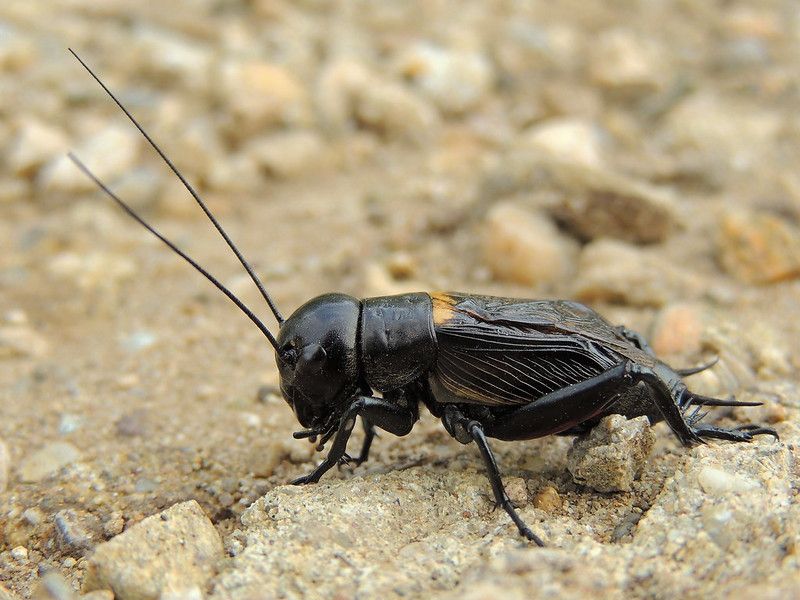
Cornwall | A project to test the feasibility of reintroducing field crickets to Cornwall has returned positive results, reports the BBC. In April of last year, scientists from the University of Exeter introduced 70 crickets from Spain to an organic field in Helford, which have now grown to around 1,000 individuals. Field crickets were last recorded in Cornwall in 1906, and the RSPB said the species is “extremely rare” across the UK due to agricultural threats. Also in Cornwall, members of the Guild of Cornish Hedgers have been brought in for the multi-million pound upgrade of the A30 to show contractors how to properly construct distinctive Cornish hedges, which will border 13km of the road, reports the BBC.
Wye | An investigation by openDemocracy has revealed that lobbying by farming unions was responsible for weakening key legislation around water pollution, leading to the environmental degradation of rivers such as the Wye. Internal Environment Agency documents seen by openDemocracy show that a loophole was introduced after months of lobbying by the NFU. The loophole means that farmers in breach of the ‘Farming Rules for Water’ will “not usually” face any action – or even be informed of their rule-breaking. The result, according to openDemocracy, is that farmers are able to spread excess manure without fear of penalty: in the case of the Wye, surplus nutrients then wash into the river, causing low oxygen levels and toxic algal blooms. The news comes weeks after the official status of the Wye was downgraded due to its declining condition, and River Action UK announced it would be taking legal action against the Environment Agency for failure to enforce the regulations which should have protected the Wye.
East Coast | NatureScot has announced that its Avian Flu Task Force is on high alert following an increase in dead seabirds around the east coast, stretching from Caithness to Berwickshire. In England, more than 600 Arctic tern chicks have died at Long Nanny in Northumberland – the largest mainland colony of the birds in Britain – with avian flu suspected as the cause. National Trust rangers described their “heartbreak and worry” as the outbreak hit at the peak of the breeding season. The Guardian and the Chronicle covered the news. Bird flu has also been confirmed as the cause of death of hundreds of birds on Brownsea Island in Poole Harbour. Again, most of the birds were chicks, “which will potentially have a serious impact on future bird populations,” according to Dorset Wildlife Trust. In Wales, concern is on the rise for the Skerries, a rocky islet off Anglesey, where seasonal wardens reported finding dead common and Arctic terns, as well as herring gulls and puffins.
Elsewhere:
- A man has been sentenced for the death of a barn owl, which died after getting trapped in his allotment, reports BirdGuides.
- An oyster farmer in Essex is taking the government to court over the “relentless dumping of sewage into our seas”, reports the BBC.
- More than 84,000 acres of woodland and wetlands will be created in Cumbria thanks to £4.1m in new funding, reports the BBC.
- An enormous artificial reef has been sunk off North Wales to encourage native oysters to spawn in the Conwy estuary and harbour, reports North Wales Live.
- The National Trust has taken on ownership of the Treshnish Isles – eight in total, all uninhabited – in the Inner Hebrides. The Scotsman covered the news.
- Could there be anything less controversial than a hanging basket? Apparently yes, as the councillors of Salisbury have discovered.
- Natural Resources Wales has received criticism for its plans to fell trees at one of the last sites where red squirrels are found in Gwynedd, reports the BBC.
- The Royal Zoological Society of Scotland has released 160 dark bordered beauty caterpillars into the Cairngorms National Park in an attempt to boost populations of the dwindling moth. The Scottish Daily Express covered the story.
- Early findings from Bournemouth University suggest that pathways trodden by cattle, deer, ponies and pigs through Purbeck Heaths National Nature Reserve are helping other animals and plants to thrive.
- An area of woodland near Stansted Airport will be bulldozed to make way for a new housing estate, reports Essex Live.
- Prince William paid a visit to Wistman’s Wood, which the Duchy of Cornwall has pledged to double in size by 2040, reports the BBC.
- In other ancient woodland news, there’s one for sale in Pembrokeshire, costing around £175,000, reports Wales Online.
- The mayor of Oswestry is calling for an end to the use of glyphosate and neonicotinoids on public land, reports the Shropshire Star. Meanwhile, Preston City Council has pledged to reduce its use of glyphosate but said it cannot cut it out completely, reports the Lancashire Post.
- The BBC covers the increase in biodiversity at the rewilded estate of Elmore Court. Country Life covers its increase in luxury treehouses.
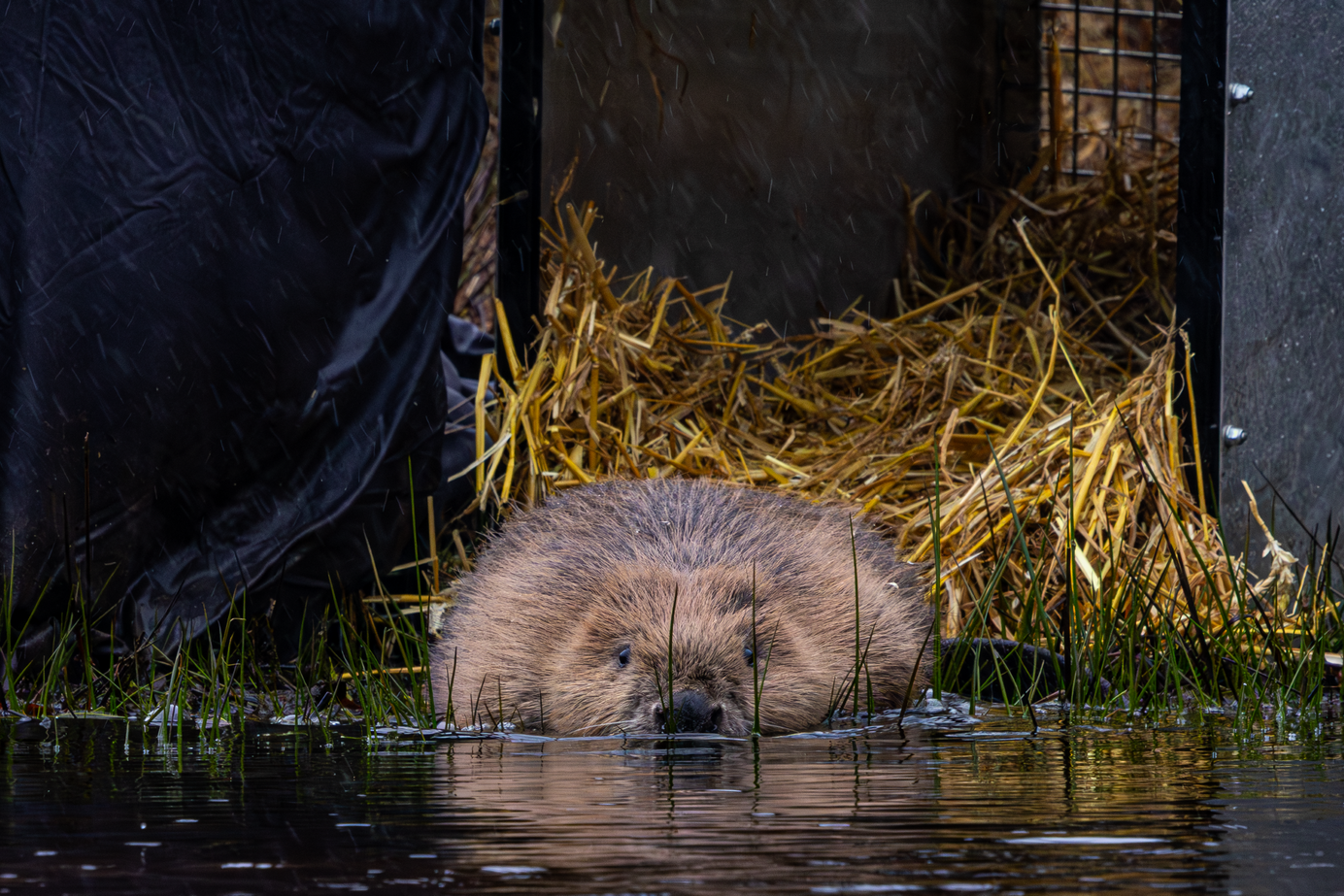
- A family of four beavers have been relocated to Northumberland – the first reintroduction to the county – to help mitigate flooding. The release was widely covered.
- Natural Resources Wales has announced that six rare bittern chicks have fledged at the Newport Wetlands nature reserve.
Reports
Reintroductions | The system for reintroducing lost species is overly bureaucratic, according to a report from the House of Commons’ Environment, Food and Rural Affairs Committee. The report recommends categorising species as either low, medium or high risk, with different processes for managing each level, and urged the government to produce a list of priority species for reintroduction by January 2024, as well as a clear long-term strategy. It found that many species – especially among plants, fungi and insects – can be returned to the wild with few negative impacts, often to the benefit of communities and ecosystems. In the case of more impactful species like beavers, it recommended the government introduce compensation mechanisms along with a network of rapid response consultants. The Times covered the report.
Pesticides | The role of pesticides in contributing to climate change has been largely ignored, according to a report by three anti-pesticide charities, including Pesticide Action Network UK. These chemicals add to rising emissions throughout their lifecycle through both their manufacture and application: a kilogram of pesticide requires, on average, ten times more energy to produce than a kilogram of nitrogen fertiliser. The report urges the government to take action to reduce pesticide use by introducing ambitious targets, implementing a ban on pesticides in urban areas and supporting farmers to introduce greener alternatives for reducing pests.
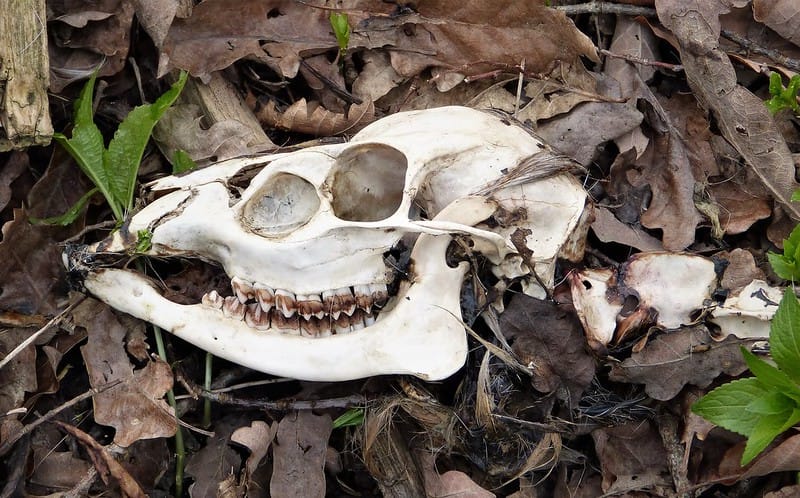
Deer | Travel restrictions during the Covid pandemic had little effect on the number of deer killed by vehicle collisions in Scotland, according to a report by NatureScot. The report analysed data on collisions from 2019 to 2021, and found the numbers to be consistent with the previous three years. Although there were fewer car journeys during lockdown, freight traffic was largely unaffected, suggesting that freight is responsible for a significant portion of collisions. The highest number of collisions occurred in the Highlands, but the report notes that the risk in northern Scotland is reducing – possibly due to deer culls to protect woodlands – while the risk in the central belt is increasing due to larger deer numbers and traffic volume. The BBC covered the report.
Science
Turf | Plastic grass is a major contributor to water pollution, according to a study published in Environmental Pollution. Researchers based in Spain discovered that fibres from artificial turf (AT) accounted for up to 15% of meso- and macroplastics found in rivers and the ocean surface. Concentrations peaked near populated areas and during the rainy season. The study is significant for its novelty: despite the ubiquitousness of the turf, there has been little research to date on its impact. “Indeed, how many AT fibers can further accumulate on riverbanks, beaches, seabed and riverbed sediments is still completely unknown,” the researchers said.
Nests | Two studies were published this week, both investigating the use of manmade objects by birds to build their nests. One paper, by a team of European scientists, questioned why some species incorporate more anthropogenic material – from cigarette butts to sweet wrappers and fishing nets – than others, concluding that the most likely reason for variation was that birds are using human objects as signals to potential mates. The Guardian and the Conversation covered the findings. Meanwhile, a paper by Dutch researchers is the first well-documented study of birds constructing nests almost entirely from anti-bird spikes. Species such as crows and magpies have been known to tear entire strips from buildings in cities including Glasgow, and are even ironically thought to use the spikes as a defence mechanism to ward off other birds. The BBC and the Guardian reported on the research.
Health | Without efforts to address barriers to access, nature prescriptions may widen health inequalities, according to a comment article in The Lancet. While spending time in nature is associated with better health, some people are less able to unlock its benefits due to lack of time, money and transportation, or due to disability, or because of cultural or gender norms. Barriers to accessing nature, write the authors, “are likely to disproportionately affect people living with socioeconomic disadvantage”; finding methods to remove such barriers, they add, is crucial.
Driftwood
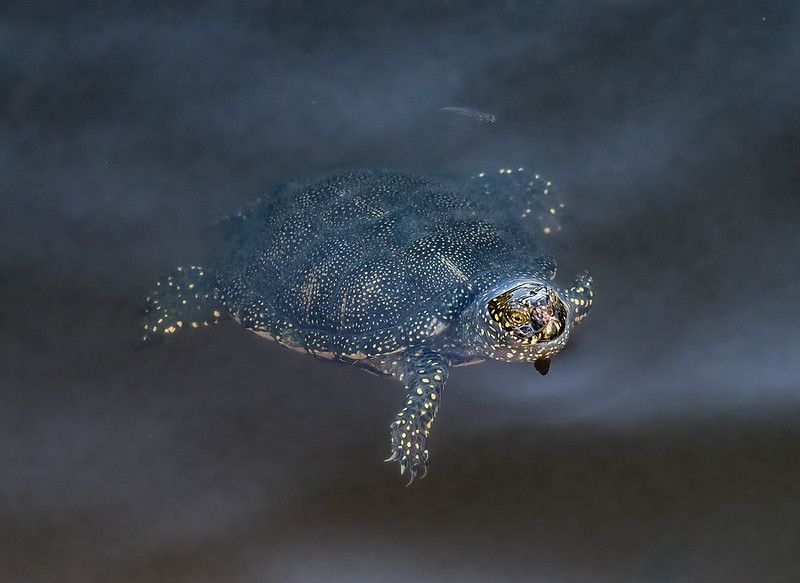
Reintroduction | A crowdfunding campaign is underway to return the European pond turtle to British waters, reports the Guardian. The working group is led by Harvey Tweats of Celtic Reptile & Amphibian Ltd, who has spent the last two years of his life researching the British history of the species. Now, with the backing of several high profile conservation biologists, he wants to turn his research into reality. However, not everyone is convinced that the turtle in question has inhabited Britain since the last ice age – which raises the question of whether it belongs here today. Even if it is not native, climate change means that Britain could now offer appropriate habitats, creating refuge for a species being pushed to the brink in its usual range. “Assisted colonisation is being a bit brave and trying some species out,” said Dr Sarah Dalrymple. “This is a really good candidate.”
Bulrushes | Could fluff from bulrushes soon be keeping us warm through the winter? BioPuff is a new product designed to replace goose feather down in padded jackets. The bulrush crop will be grown on restored lowland peatlands in Greater Manchester. It is one of the few commercially viable crops that can be grown on boggy ground, and prevents the peat from becoming a source of greenhouse gas emissions. During an initial trial period, the bulrushes will be grown on a five hectare site, though a further one hundred hectares will be required to meet demand. The project is a partnership between The Wildlife Trust for Lancashire, Manchester and North Merseyside, the product developer and the landowner.
Harbours | Old stone walls and harbour infrastructure host a wide variety of wildlife – sometimes even more than the natural shoreline. Hakai, a publication focusing on the ocean, covers research by Tim Baxter from the University of Oxford into these often ignored environments. “Maybe shipwrecks are just more romantic than stone walls,” he says. “I think historic harbours and sea walls tend to be seen more as functional assets rather than objects with heritage value or, indeed, ecological value.” The work took place at seven sites across the UK, where he discovered a variety of seaweeds, sponges, sea stars, crustaceans and fish.
Further reading:
- Women & Home looks at the benefits of moss lawns, including their ability to absorb carbon and air pollutants.
- Did you watch the eagerly anticipated debate between George Monbiot and Allan Savory this week? Nina Pullman of Wicked Leeks didn’t – and here’s why.
- The BBC explores whether adding daffodils to the diets of livestock could help to reduce emissions.
- The Times and Carbon Brief both sent journalists to check out the new RRS Sir David Attenborough – and its BoatyMcBoatface submersible.
- The Institute of Welsh Affairs digs into why Wales is missing its tree-planting targets.
- John Healey, professor of forest science at Bangor University, explains how to recognise a temperate rainforest in The Conversation.
- The Times summarises research showing that warmer springs are causing bees to wake up earlier, threatening the pollination of certain crops.
Special report: National Park Protector Awards
On Wednesday, Inkcap Journal headed to the House of Commons for the National Park Protector Awards, run by the Campaign for National Parks. We were delighted to be the media partner for the event this year, which celebrates the individuals and organisations going above and beyond for England and Wales’ protected areas.
A pleasure to attend the @Campaign4Parks National Park Protector Awards today at Parliament, on behalf of @inkcapjournal. Keep 👀 out for coverage of the event + winners coming soon. pic.twitter.com/VT3vS9BVOq
— Coreen Grant (@CoreenmGrant) July 12, 2023
The first award, presented by landscape minister Trudy Harrison, was received jointly by two projects. The South West Peatland Partnership is a landscape-scale project to restore more than 2,500 hectares of degraded peatland in Dartmoor and Exmoor. The Nick Sanderson Community Nature Project has restored an idyllic corner of the Broads, and provides low-cost outdoor experiences for groups including school children with special needs and refugee communities.
The New Perspectives award went to Sameed Asghar, the founder of Summit Special. Also known as the BAME Mountain Leaders, the organisation works to engage people with barriers to accessing the outdoors. The winner of the ‘Changemaker of the Year’ award was Matt Staniek, who launched the Save Windermere campaign to fight sewage pollution in the lake. You can read more about all the winners and runners-up here.
The winners will all receive free lifetime membership to Inkcap Journal. A discount code will also be sent out to all members of the Campaign for National Parks, so if you are a member, do keep an eye on your inbox over the coming days.
Subscribe to our newsletter
Members receive our premium weekly digest of nature news from across Britain.
Comments
Sign in or become a Inkcap Journal member to join the conversation.
Just enter your email below to get a log in link.