Water Pollution & Mother Tree Controversy
The latest news on nature and conservation in Britain.
National news
Sewage | The Environment Agency press release began with the good news: that England is now a ‘world leader’ in monitoring storm overflows – that is, the amount of raw sewage that is spilled into its rivers. Next came the very bad news: this monitoring has revealed that last year was the worst ever for sewage discharges, with the number of hours during which waste flowed into rivers more than doubling, from 1.75m in 2022 to 3.6m in 2023, and a 54% increase in the number of spills. Heavy rain was blamed for the high overflows, but that didn’t stop conservationists and politicians uniting to condemn the figures. Water minister Robbie Moore called the pollution ‘unacceptable’, while James Wallace, CEO of River Action, pointed towards the failure of water companies to ‘invest in fixing their leaky pipes’. The BBC published an interactive map showing where discharges had taken place across the country, as well as a table breaking down the figures by company. An infographic in the Guardian shows which rivers have been worst hit, with the majority of them in the north. Meanwhile, the Environment Agency has launched a whistleblowing portal to make it easier for water company employees to report environmental wrongdoing.
Grouse | The Scottish Parliament has passed a set of laws to protect birds of prey and regulate the grouse shooting industry. The Wildlife Management and Muirburn Bill was voted on by MSPs last Thursday, and passed by 85 votes to 30. The final vote took place amid significant pressure from conservationists after a long history of illegal raptor persecution by gamekeepers, who act to protect grouse on shooting estates. The bill introduces a licensing scheme for all land where grouse is shot, creating a financial incentive for landowners to prevent illegal killings. The bill also bans the use of snares and glue traps, and requires licences year-round for muirburn. Campaigner Chris Packham described the law as a ‘game changer’ which demonstrated Scotland was leading the way with ‘meaningful change’. Not everyone is happy, however: the British Association for Shooting and Conservation argued that the bill goes too far and will damage the rural economy. The BBC, the Guardian and the Scotsman covered the news.
Hedgehogs | A pioneering project to measure the UK’s population of hedgehogs has been launched – and it will be the first in the world to use artificial intelligence. The national monitoring programme is a three-year pilot scheme which will attempt to gather more robust information on hedgehog numbers to aid conservation efforts and understand the extent of their decline. The scheme will use trail cameras to capture images in habitats including parks, gardens, woodlands and farmlands, after which AI algorithms will separate images containing any animals, before being passed to home-based volunteer ‘spotters’ to identify the species. So far, trail cameras have been placed in 13 sites from Glasgow to Dorset, and the project aims to survey 40 sites across Britain by the end of the trial. The Independent and the BBC covered the news.
In other news:
- Defra has announced £25m in funding for 20 conservation projects across the country. The Species Survival Fund will help species including lapwing, water voles and dragonflies, while more than 3,300 hectares of habitat will be restored.
- The government has also pledged £7m toward rejuvenating rural community green spaces, such as community orchards and kitchen gardens.
- The EU’s nature restoration laws are on the verge of collapse after eight member states withdrew support for the legislation, reports the Guardian.
- The government has introduced measures to limit the amount of land farmers can take out of production under the Sustainable Farming Incentive, to ensure production remains the ‘primary purpose of farming’. ENDS reported the news.
- The charity Blue Marine Foundation is taking legal action against the government for setting ‘illegal’ fishing quotas for more than half of UK fish stocks, reports ENDS. Meanwhile, there have been more than 2,000 oil spills in the North Sea since 2011, including 215 in marine protected areas, according to the Ferret.
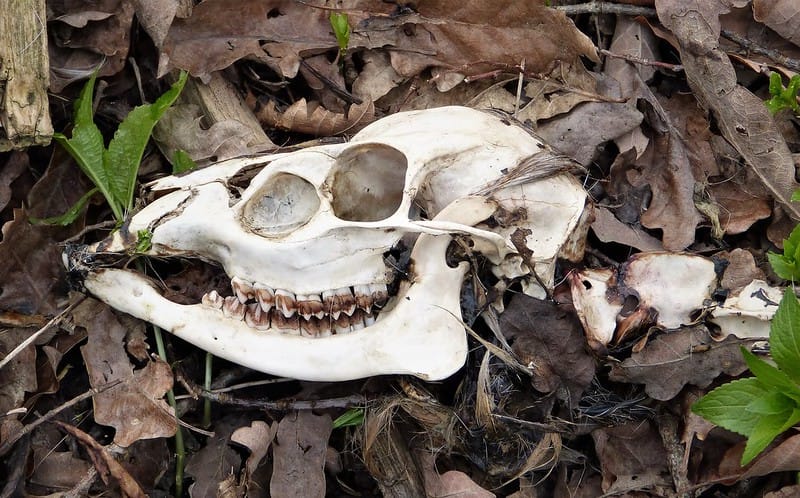
- The Scottish Gamekeepers Association has opposed government proposals to extend the open season on female deer, saying that shooting pregnant deer could affect gamekeepers’ mental health. The BBC reported the news.
- Community Land Scotland has said that national policy on nature restoration is allowing private investors to ‘exploit Scotland’s natural resources for profit’, reports the Herald.
Across the country
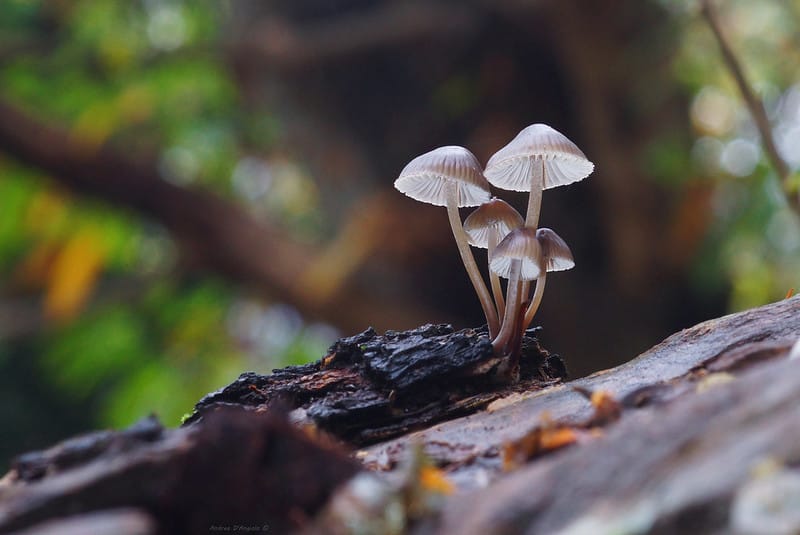
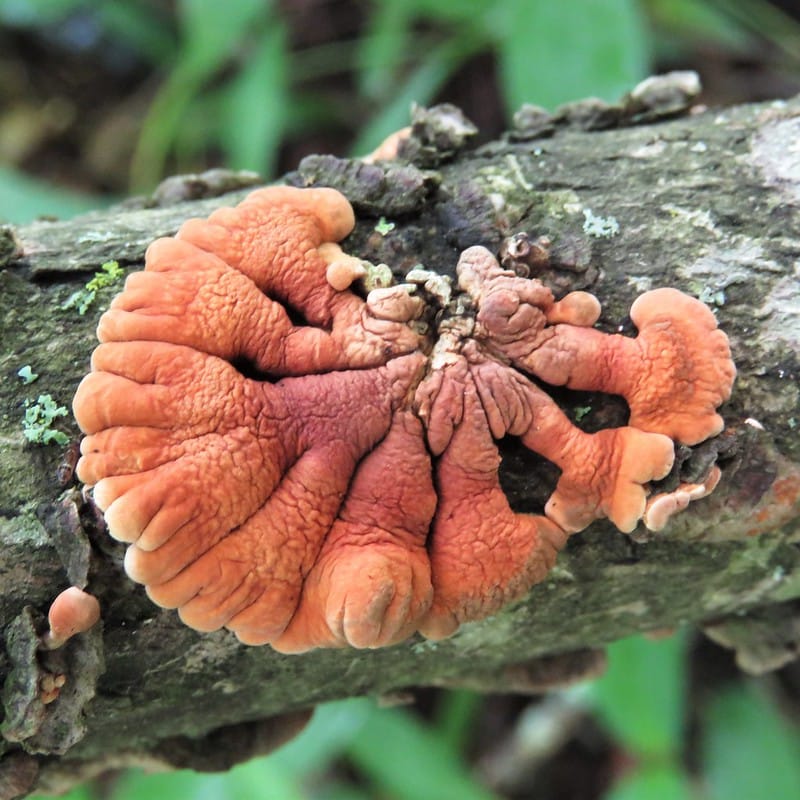
Cumbria | Conservationists are translocating a critically endangered fungus from its last strongholds in Scotland to three woodlands in Cumbria in a bid to save it from extinction. Willow gloves – which resembles the fingers of old gloves – has been extinct in England for around 50 years, and is now only found in two woodlands in Scotland, with the majority living on one fallen tree. The pioneering move is particularly complicated because the species is a parasite, living off the aerial filaments of another fungus, found mostly inside decaying willow wood. The sites in Cumbria have been chosen specifically for their large supplies of willow wood, and experts hope the translocation will greatly improve the resilience of the species. Matt Wainhouse, a fungi specialist for Natural England, said: ‘We have a responsibility to all species in this country to ensure they have a future and fungi are no different.’ The Guardian covered the story.
Wester Ross | Experts believe that herring populations may be recovering in Scottish waters, after a large spawning ground was spotted off the coast of Wester Ross using satellite imagery. Atlantic herring formed a key part of the fishing trade in Scotland in the 19th and 20th centuries, but stocks collapsed in the 1970s as a result of overfishing. The first indication of new spawning grounds came when Gairloch resident Peter Cunningham notified the environmental charity Open Seas of an unusually high number of birds diving in the area. The charity then used open-source satellite imagery to pinpoint the location, which showed a band of light blue water indicating the herring eggs, and a team from Napier University deployed an underwater drone to confirm vast swathes of eggs attached to the seafloor. The charity is now calling on the government to protect the area immediately from fishing boats. The Times and the BBC covered the news.
Cornwall | Natural England is funding a two-year, £35,000 recovery scheme to protect the unique ‘microhabitats’ found on the Lizard Peninsula in southern Cornwall. The ‘Lizard Rarities Project’ aims to nurture rare species of lichens, liverworts and wildflowers which are found in often-overlooked places such as cliffs, rocks, paths and ditches. Seth Jackson, of the National Trust, said that many of the species – such as twin-headed clover, upright clover and dwarf rush – have become fragmented. ‘The most important and urgent task is to expand wild populations, encourage natural recolonisation and cushion the expected impacts of climate change,’ he said. To do this, the team will clear areas of scrub, dig new watery areas and create fire breaks to protect the species from the risk of summer blazes. The Guardian covered the news.
Elsewhere:
- An estate in Yorkshire, dubbed ‘the world’s first nature reserve’, has received a Grade II heritage listing, reports the BBC and the Guardian.
- Funded by the Environment Agency, the Chilterns Chalk Stream Project has created a large new wetland area and re-naturalised over 1km of the Hamble Brook.
- Sightings of the rare black oil beetle have soared this spring at Kinver Edge reserve in South Staffordshire, thanks to habitat management by the National Trust, reports the Shropshire Star and the BBC.
- The Environment Agency has completed work on a £12m project to build the country’s largest fish pass in Nottingham’s Colwick Country Park.
- The earliest-ever sighting of an Asian hornet – this time in Ash, Kent – suggests the invasive species may have become established in the UK, reports the Guardian.
- Butterfly Conservation has launched an 18-month project to provide more than 2,000 school children in nature-deprived areas of Bristol with regular access to green space, reports the BBC.
- The RSPB is celebrating a record breeding year for the rare black-necked grebe, with a particularly successful season at St Aidan’s reserve near Leeds, reports the Independent.
- Campaigners are concerned that a new line of pylons planned for the Kent countryside would ‘trash’ an AONB, reports the BBC.
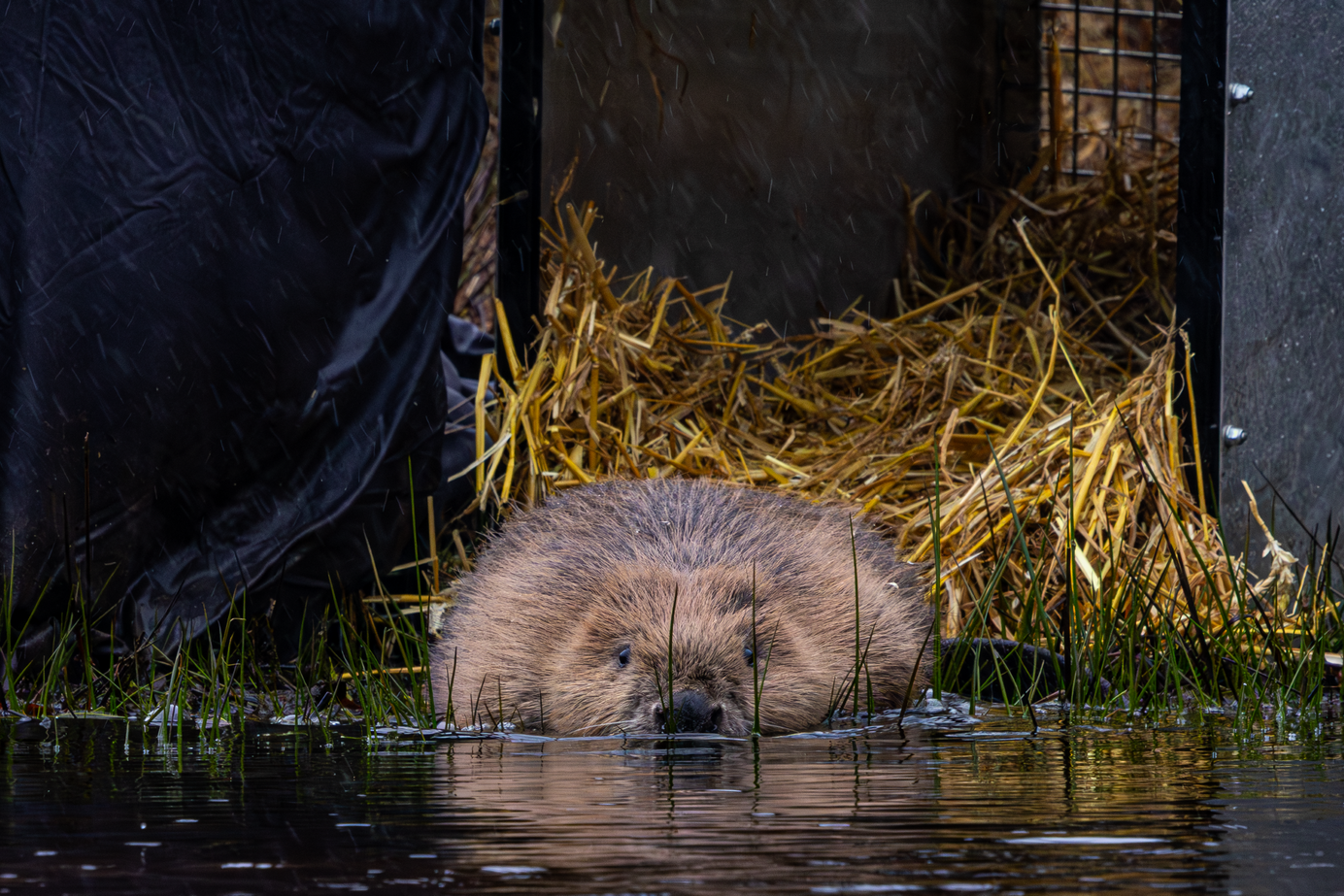
- Wallington Estate in Northumberland has launched guided tours of its beaver enclosure, reports Chronicle Live.
- Manchester City Council is working with the Manchester Wildlife Trust to install nest boxes for birds and bats in the urban landscape of Deansgate.
- Abandoned allotments in Grimsby are due to be transformed into a £2m wetland to help reduce the risk of flooding, reports the BBC.
- A project to reintroduce beavers to East Anglia has reduced the impact of flooding by storing millions of litres of water over five years. Scientists produced this animation of the effects.
Reports
Rewilding | Rewilding projects in Britain have experienced a surge in growth and range in the last three years, according to figures from the charity Rewilding Britain. The charity launched the Rewilding Network in 2021, with the target to catalyse and support the rewilding of at least 121,406 hectares of land, plus marine areas, within three years. The latest figures show it has surpassed this goal by over 20%, and is currently working on actively rewilding 155,248 hectares of land – an area larger than the North York Moors National Park – plus 506 km² of seabed. The charity is also celebrating the range of projects: it found that, based on a sample of 58 sites, around three-quarters comprise public land, community projects, NGOs and farms, with one quarter being large estates. Read about three different projects in this blog post.
Freshwater | A report by the British Ecological Society asks what actions the government should take to revive England’s polluted waterways before 2030. The report is based on a workshop BES convened with nearly 40 experts to discuss the government’s freshwater policies and outline a list of priority actions to boost biodiversity. Among five key areas, the participants agreed that priorities included better incentives for farmers to reduce agricultural pollution, better sewage regulation, and the reduction of metal and chemical contamination in rivers. They also emphasised the importance of connectivity for water bodies, and the role that rewilding projects can play in removing barriers between natural flows. Dr Emma Jardine, a lead scientist at Defra, said the report was helping to build greater understanding of the pressures on freshwater biodiversity and the policy actions with the greatest impact. The Times covered the news.
Farming | The next government must take action to support healthier dietary choices, and create a fit-for-purpose agriculture budget to mainstream nature-friendly farming. These are two of the key actions in the Nature Friendly Farming Network’s 2024 manifesto roadmap. Ahead of the general election later this year, the organisation said it has not yet seen a party manifesto which meets its goals of creating a food system that pays farmers fairly, protects biodiversity, and feeds people well. Martin Lines, CEO of NFFN, said the next parliament will preside over ‘a critical time for farming’, and with high stakes in the next election, ‘we need politicians to step up and start delivering for food, farming and nature’. The Independent covered the news.
Science
Eagles | Golden eagles are unlikely to repopulate the Southern Uplands of Scotland without a little help from humans, according to a study published in Diversity. Natural barriers and biology have created three genetically distinct sub-populations of the raptors, as the birds are unable to recolonise new areas and mix with other individuals. In particular, the Lowlands act as a barrier between the Highlands and the South, validating the work of the South Scotland Golden Eagle Project in translocating the birds from the north. The findings are based upon data generated by satellite-tagged birds. Their journeys – and the terra incognita – are displayed in this map:

Cities | A ‘great urban’ shift is underway due to climate change, according to a study of wildlife in American and Canadian cities, published in PLOS One. Rising temperatures mean that existing species are being pushed out and replaced by new ones – or not being replaced at all. The study highlights a lesser-known impact of this shift: the impact on human identity. The lost animals are often central to cultural experience, acting as mascots for sports teams or featuring on flags. ‘Just like the California grizzly bear is extinct from where it is displayed prominently on the state flag, with climate change, the floodgates are open and many other emblematic species are at risk of extirpation from the communities they represent,’ the authors write.
Wolves | In April 2023, two wolves were caught on camera attacking a herd of Galloway cattle in the Netherlands. These cattle were free-ranging – not livestock, but part of a conservation scheme designed to enhance biodiversity. The footage provided a rare opportunity to examine how semi-wild cattle react in the face of predators. The video showed the animals becoming restless, vigilant and grouping to protect their calves in response to the attack. This is significant and positive news, as animals used for conservation grazing cannot be protected with electric fences or guard dogs as farmed animals can. The preservation of such instincts will prove useful as wolves continue their comeback across Europe. The findings were published in Wildlife Biology.
Driftwood
Mother Tree | The concept of the ‘Mother Tree’, popularised by the forest ecologist Suzanne Simard, has changed how many people see forests, replacing a paradigm of competition with one of cooperation and altruism. Other scientists, however, think the idea is nonsense. In 2023, a review by a group of scientists suggested that Simard’s hypothesis, as put forward in her book Finding the Mother Tree, either exaggerated the published work on the topic, or even contradicted it. Simard has accused her detractors of undermining the important conservation work that her book and ideas have catalysed. A feature in Nature explores the controversy, and, in doing so, asks wider questions about the obligations and challenges that scientists face when communicating their ideas to the public at large.
Newsletters | Need more nature in your inbox? Rebecca Wisent has created a roundup of the Substack newsletters that engage with the natural world. The temptation to subscribe to more than you can possibly read is strong. However, the list is mostly US-centric, and misses out some key UK writers. To that end, we would also add this useful roundup of wetlands news by Dr Christian Dunn and the recently launched publication from Ben Goldsmith, which so far includes pieces on the Somerset Levels and wolves. The nature writer Melissa Harrison shares her meditations on the countryside in Witness Marks, and John Lewis-Stempel writes about nature and history in his fortnightly missives. If there are any others you think we should be reading, let us know in the comments.
Peat | The re-wetting of peatlands is a vital tool in tackling climate change; the restoration of boggy landscapes prevents the release of the carbon contained within them. However, it doesn’t actively sequester carbon – and this is a problem when it comes to generating private finance to fund such projects, reports Lara Williams at Bloomberg. Stringent guidelines from the Science-Based Targets Initiative mean that peatland credits cannot be used to offset residual emissions, and, as such, many companies are refusing to buy them. The IUCN UK Peatland Programme and others have written to the body expressing concern that their guidance is ‘significantly constraining international efforts’ to restore these ecosystems. ‘There are strong points to make either way,’ concludes Williams, and more nuance is needed to unlock the cash.
Further reading:
- The Times speaks to marine conservationist Alex Smith about his efforts to restore Britain’s seagrass meadows.
- The winners of the Scottish Nature Photographer of the Year 2023 Awards have been announced. The images have been published by the BBC.
- In the Telegraph, Joe Shute writes about the explosion of deer numbers – and how eating them can help.
- Researchers in Kent are attempting to produce climate-resilient hops in an attempt to protect the ‘great British pint’, reports the BBC.
- A feature in BBC Future digs into the impact of urban agriculture on climate change.
- Banksy’s latest artwork – an image of a person spray-painting a tree – has been interpreted as a message on environmental conservation.
- A long-running study is providing hope for Scotland’s wild salmon, reports the Scotsman.
Happy days
Darwin | More than a hundred people dressed as Charles Darwin have gathered at the base of a 550-year-old oak tree in Shrewsbury to protest its intended felling to make way for the North West Relief Road. The tree is called the Darwin Oak in reference to the naturalist’s childhood home, which is located nearby; it is one of several veteran trees along the planned road. According to the Shropshire Star, the gathering marked a world record, insofar as there had not yet been ‘a world record for the number of people dressed as Charles Darwin before, as far as we can tell.’
Subscribe to our newsletter
Members receive our premium weekly digest of nature news from across Britain.
Comments
Sign in or become a Inkcap Journal member to join the conversation.
Just enter your email below to get a log in link.