Welsh Farming & Dodo Misconceptions
The latest news on nature and conservation in Britain.
National news
Wales | The Welsh government has published details of its new Sustainable Farming Scheme, which has been seven years in the making. Beginning next year, farmers will have the option to enter the scheme – which rewards environmentally-friendly actions – or stay with the Basic Payment Scheme, which will be phased out by 2029. The government has committed £238m in 2026 for universal payments, with ‘significant’ funding for optional work also promised. The Farmers’ Union of Wales said the plan provided ‘workable payment rates’ and ‘much needed stability’. However, other unions and environmental groups argue much more funding is required to account for rising costs and the scale of tackling climate change and nature loss. Wildlife Trusts Wales claimed that key measures to restore nature on farms have been watered down, including requirements on tree-planting, pond creation and pesticide reduction. Meanwhile, the Woodland Trust in Wales responded with ‘cautious optimism’, applauding the government’s collaborative approach. The news was widely covered.
Statement | The UK government has made its first annual Climate and Nature statement to Parliament, intended to update the British public on the impacts of the environmental crises. The statement, made by energy secretary Ed Miliband, was accompanied by a Climate Change and Biodiversity Loss report and the annual Environmental Improvement Plan progress report. In his speech, Miliband recognised that the crises are ‘fundamentally linked’, and outlined the impacts they are already having on the ‘British way of life’, from extreme weather to species loss. In response, the WCL said that the reports once again demonstrate that the UK is lagging behind on environmental targets. CEO Richard Benwell asserted that the statement was a ‘welcome first’ but ‘far from enough’, calling for the ‘speed and scale of investment’ in renewables to be ‘matched by action for nature, which so often plays second fiddle.’
Drought | Four areas of England are now in drought, as the east and west Midlands joined Yorkshire and the northwest this week. The announcement by the Environment Agency follows England’s driest start to the year since 1976. Ministers at Defra warned that the continuing hot and dry weather was a hazard to crops and wildlife, with impacts including the loss of breeding seasons, the drying of wetlands, and species such as birds and insects flying less. Matt Jackson, conservation director at the Bedfordshire Wildlife Trust, said that ‘drought is now the biggest threat to nature reserve management across the country’, with conservationists having to ‘work out how to adapt to that’. The Guardian and the BBC reported the news. Meanwhile, firefighters have been called out to twice as many wildfire incidents during the first six months of 2025 as any year on record, reports the Times.
In other news:
- The UK and France have pledged joint funding to support the International Advisory Panel on Biodiversity Credits.
- More than 150 farms in England have been caught illegally taking too much water from local rivers, lakes and underground sources, according to BBC analysis.
- A survey has found that more than 90% of ecologists believe that the Planning Bill – which is beginning its committee stage in the House of Lords – will have a negative impact on nature recovery in England, reports ENDS.
Across the country
Northumberland | The two men responsible for illegally felling the Sycamore Gap tree have each been jailed for four years and three months. Delivering the sentence on Tuesday, Justice Lambert said a full motive was not clear, but she was confident that ‘sheer bravado’ was a major factor, and that the men had ‘revelled in [their] notoriety’ during the aftermath. She also rejected Adam Carruthers’ claim that he acted out of ‘drunken stupidity’, and said the crime had required a ‘high degree’ of planning. The National Trust, which has managed the tree since 1942, said the landmark had ‘belonged to the people’ and could ‘never be replaced’. In response to the sentencing, the Tree Council said it was a ‘symbolic case that will set a clear marker for the future’. The BBC, Guardian and Northern Echo covered the proceedings, with further commentary in the Driftwood section.
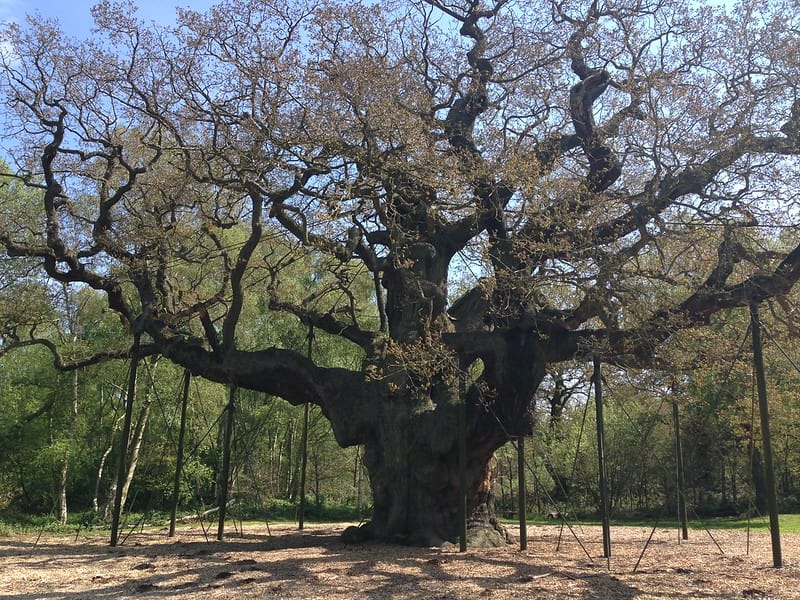
Sherwood | Conservationists in Sherwood Forest have embarked on a mission to save the iconic Major Oak, a thousand-year-old tree associated with the legend of Robin Hood. The outlaw and his Merry Man are reputed to have sheltered under the oak, but the enormous tree is now struggling to deal its third drought in as many years. The heatwave stress is compounding other issues associated with its age and enduring popularity, including severely compacted soil around its base, which has limited the vital interactions between roots and fungi. Now, the RSPB and Woodland Trust are working together to deliver bespoke care for the tree. This includes watering during summer months, and also painstakingly breaking up the tightly packed soil around sections of compromised roots. In addition, organic material gathered locally is being added to feed the soil and stimulate biological activity. The Times covered the story.
Manchester | An area of deep lowland peat, which was heavily damaged during the Industrial Revolution, is now being restored and protected as a national nature reserve. The new Risley, Holcroft and Chat Moss reserve, which sits between Liverpool and Manchester, will include 11 lowland peat sites, covering habitats such as raised bogs and fen, lowland heath, wet woodland and drier woodland habitats. The deep peat here was damaged by historical drainage and cutting, which accelerated during the Industrial Revolution: you can read more about their history in this Inkcap Journal feature. The restoration of these internationally important peat habitats will provide homes for vulnerable species, including lapwings, curlew, sundew and adders, and allow nature access to 2.7 million people in the communities of Warrington and Greater Manchester.
Elsewhere:
- A company running a landfill in Wiltshire has revealed ‘world-first’ plans to grow food in greenhouses using the carbon dioxide from the landfill, reports the BBC.
- Natural England is funding courses in Sussex to allow healthcare professionals to make more use of outdoor settings in treatment plans.
- A Cambridgeshire initiative is offering free fruit trees for people to grow in their gardens after being unable to secure land for a community orchard, reports the BBC.
- Yorkshire Wildlife Trust is celebrating early success in its biological trials to tackle one of the UK’s most invasive species, Himalayan balsam.
- Heatwaves are leaving London’s urban forest – one of the largest in the world – under extreme stress, resulting in an increase in dropped branches, reports the BBC.
- The Bat Conservation Trust is celebrating the discovery of a grey long-eared bat roost in Kent – the first record in 40 years.
- An ancient woodland in Derbyshire has been saved after residents lodged more than 1,500 objections to housing plans, reports the Derby Telegraph.
- A councillor in Worcestershire has warned that traditional rural skills are at risk of ‘dying out’ unless training opportunities are increased, reports the BBC.
- The Pollinator Project on Guernsey has anecdotally reported a 20% rise in pollinators across the island this year, reports the BBC.
- Elemore County Park near Sunderland has recruited three Hereford cows as part of their efforts to enhance grasslands, reports the Northern Echo.
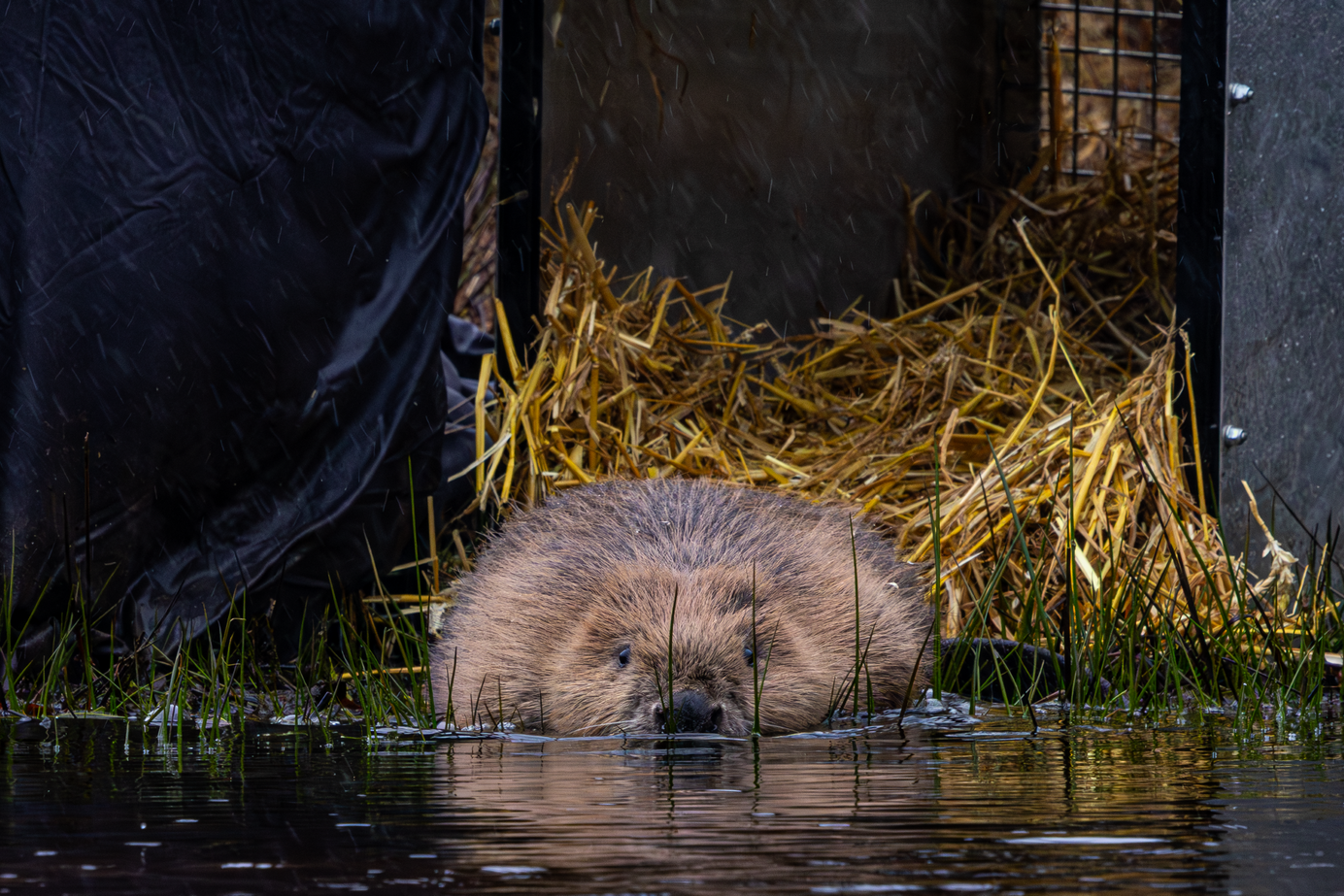
- Two baby beavers have been born at Cornwall’s Lost Gardens of Heligan estate, after their parents were reintroduced in 2023 and 2024, report the BBC and Cornwall Live.
- The Environment Agency has completed work on a £1.2m naturalised fish pass on the River Lark in Suffolk to improve migration for trout, eels and coarse fish.
- A legal challenge brought by campaign group Wild Justice on the overgrazing of Dartmoor commons is being heard in High Court this week.
- Campaigners have described plans to build England’s largest on-shore wind farm on Rooley Moor in Greater Manchester as ‘environmental vandalism’, reports the BBC.
- Scientists at the University of Plymouth have developed a hand-held device to test water for pollution before wild swimming – but it’s expensive, reports the Times.
- The Northern Forest project has now planted more than 10 million trees across the north of England.
- Conservationists in Sussex say that barn owls have experienced their ‘worst breeding season’ in decades, reports the BBC.
Reports
Weather | Record-breaking and extreme weather has become the UK’s new normal, according to the Met Office in its annual State of the UK Climate report. The report highlights how Britain’s climate has steadily warmed since the 1980s, with rainfall and temperature extremes becoming increasingly frequent. Analysis shows that the last three years have been in the UK’s top five warmest on record. The report also found that earlier springs are one of the most noticeable reactions in nature, with data from 2024 showing an advancement for 12 out of 13 events monitored, such as frogspawn and blackbird nesting. The Wildlife Trusts said the report made for ‘stark reading’, but added that nature ‘also holds part of the solution’, and called for more funding for nature-based solutions such as peatland, river and woodland restoration. The BBC covered the news.
Food | The government has launched its ‘Good Food Cycle’, a framework designed to drive generational change in the nation’s relationship with food. The strategy identifies ten priority outcomes needed to build a ‘thriving’ food sector while tackling challenges from climate impacts to rising obesity rates. These priorities include an improved environment that supports more sustainable food sales; access for all to affordable and healthy food options; and fairer, more transparent supply chains. It also aims to tackle the ‘invisibility of nature’ – i.e. the unseen costs of environmentally damaging production methods – and eliminate the ‘junk food cycle’. Responding to the strategy, the Wildlife Trusts said it welcomed the government’s ambition and recognition that transforming the nation’s approach to food is critical to its environmental challenges. Farmers Guardian and Edie covered the news.
Solar | Almost two-thirds of mega solar farms in England are built on productive farmland, according to a report by the countryside charity CPRE. The research analysed 38 large solar farms in operation, each generating over 30MW of energy. It revealed that 59% of these solar farms are located on productive farmland, while 31% of the area they cover is classified as ‘best and most versatile’ (BMV) agricultural land. Three solar farms in Cambridgeshire and Lincolnshire are located entirely on BMV farmland. CPRE says this failure to protect productive farmland is removing critical resources from food production, despite alternatives being available. The charity is calling on the government to set a target for at least 60% of solar energy to come from rooftops, car parks and brownfield land.
Science
Storks | White storks are using plastic debris as building material in their nests with fatal consequences for chicks, according to a study in Ecological Indicators. A European team of researchers conducted a four year study of white stork nests in Portugal. They found that the birds used anthropogenic material in 91% of their nests. In 2023 the team monitored 93 nests weekly, from hatching to fledging, and recorded entanglements in almost a third of nests, with 12% of chicks affected. The chief culprit was plastic baler twine, and many chicks died from strangulation, amputation and infected wounds. Lead author Inês Catry said the findings are not solely ‘a Portuguese problem or even a white stork problem’, as baler twine is widespread in many countries; the authors are calling for it to be treated as a hazardous material. The Guardian covered the research.
Oceans | It is no longer reasonable to argue that humans only recently began impacting the ocean, thanks to advances in historical ecology. Eye-witness accounts, paintings, photography, oral traditions are among the evidence pointing to long-term exploitation, write three researchers in Philosophical Transactions of the Royal Society B, including centuries of bottom trawling and overfishing. These records also paint a picture of the lost abundance of the oceans. Although such sources require careful interpretation, this information can be useful in ocean management, by helping to challenge the status quo and set bolder targets for recovery. ‘Studies of particular places and times – postcards from the past – are coalescing into extended vistas as knowledge grows,’ the authors conclude.
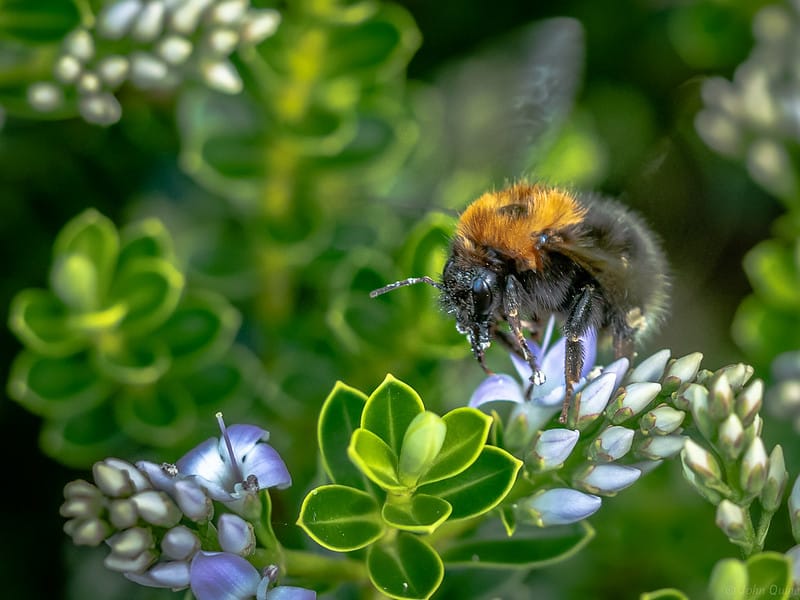
Bias | Why do queen bumblebees emerge from hibernation during weekends? That is the title of a new paper published in Apidologie – but it is a trick question. Although data suggests that spring emergence is more likely to take place on a weekend day, this is because monitoring efforts are now largely undertaken by citizen scientists in their spare time. Museum specimens, in comparison, tend to be collected on weekdays – by professionals. Scientists studying the impacts of climate change on nature need to account for these quirks of volunteer records. For example, data showing an earlier emergence date for tree bumblebees over time ‘lost statistical significance’ when weekend bias was taken into account, ‘illustrating the importance of disentangling true phenological shifts from recording biases.’
Driftwood
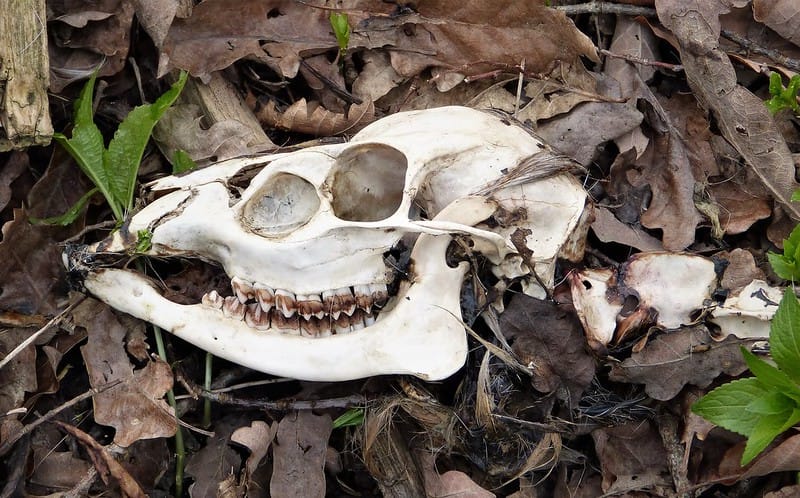
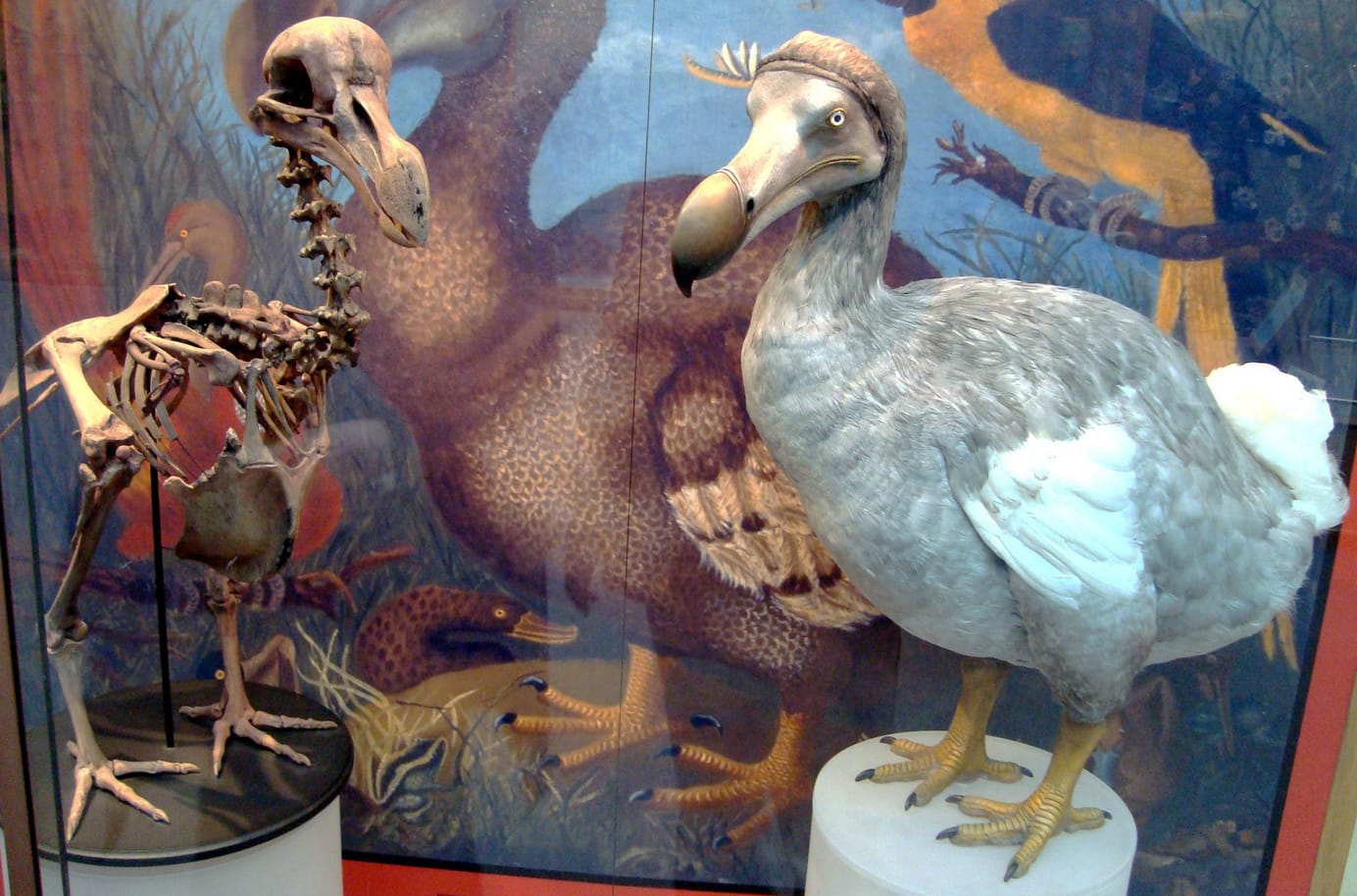
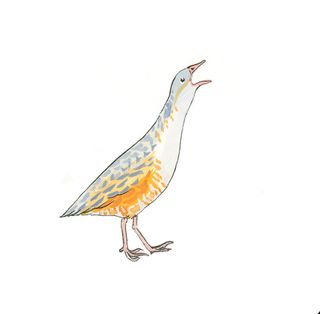
Dodo | The dodo may be one of the most famous birds to have ever lived and died on planet earth, but its appearance and character remain something of a mystery. Researchers at the University of Southampton and the Natural History Museums in London and Oxford are seeking to change that, writes Jocelyn Timperley in BBC Future. The typical image of the bird as dumpy, clumsy and stupid – a creature destined to go extinct – is based upon ‘inherited misbeliefs’, including bad taxidermy. The dodo was probably more upright and slender than depictions suggest; it could run incredibly fast and was expertly adapted to its environment. The dodo is now a candidate for ‘de-extinction’ – an effort that has spawned both concerns and enthusiasm, the latter mainly on the grounds that studying the dodo’s genes could potentially help with the conservation of other similar, threatened species.
Slime | What can slime mould teach us about memory? This is the question posed by Matthew Sims, a researcher at the Leverhulme Centre for the Future of Intelligence, in an essay for Aeon. During lockdown, Sims conducted experiments on Physarum polycephalum, an acellular slime mould more casually referred to as ‘the blob’. This organism has remarkable abilities to make adaptive decisions and solve mazes, and in some cases, can apparently ‘remember’ things without needing to store memories within itself. This includes using past slime trails as navigational prompts, and even transferring memories from one individual to another. Sims argues that this evidence should prompt us to reanalyse and challenge our own biological concept of memory as a process not solely confined to ‘the inner workings of the brain’, but rather straddling the brain, body and environment.
Theft | In the Conversation, lecturer in sociology Jenni Cauvain explores why plant theft is on the rise. Cauvain recounts how, in May of this year, more than 180 plants were stolen from a public park in Nottingham – just days after volunteers had re-planted flowers and shrubs to replace a previous theft in March. Research suggests that environmental crime is the third largest criminal sector in the world, yet it is often overlooked in courts or deemed trivial. This is precisely one of the reasons it is increasing, Cauvain writes, as it presents lucrative illicit opportunities where law enforcement and potential sanctions are low. Another reason is the perception that environmental crimes are ‘victimless’. She writes: ‘Where plants, animals, watercourses or soil are “the victim”, people don’t feel as strongly because our ethics and value systems generally prioritise fellow humans’.
Further reading:
- A BBC In-Depth article explores how the Sycamore Gap case has put our relationship with trees under the spotlight. Meanwhile, this article in UnHerd argues that the culprits do not deserve years in jail, while in the Conversation, a psychologist looks at why the case elicited such strong emotions.
- A feature in the Guardian tracks how Wales’ National Botanic Garden has come back from the brink of bankruptcy to star as a biodiversity success story.
- Also in the Guardian, Chris Packham writes about how taxpayers are footing the bill for sheep to destroy precious British habitats.
- The Conversation has two articles about heatwaves: in this one, historical criminologist Stephanie Brown examines the dangers of romanticising Britain’s 1976 heatwave, while this article asks whether the UK should name heatwaves like storms.
- A short documentary in Aeon explores the impact of displaying screens depicting serene natural scenes in prisons.
- In the Times, read about the Bristol-based shark expert who is defying the conventional standards of British natural history presenters.
Happy days
Culture | The Woodland Trust has announced the ten contenders for its Tree of the Year competition. They include a cedar in Chiswick that the Beatles climbed; a group of yews in Cumbria memorialised by Wordsworth; and a solitary beech on Salisbury Plain that features in the final scenes of the war film ‘1917’. The nominees were all chosen along the theme ‘Rooted in Culture’, highlighting how trees are ingrained in Britain’s cultural landscape. Patron of the Trust Dame Judi Dench said: ‘Our oldest trees hold more stories than Shakespeare; some were putting down roots long before he began writing, more than 400 years ago. They are as much part of our heritage as any literature’. Voting is open until 19 September. You can read about each nominee here, and find out more in the Guardian, Country Living, BBC and Time Out.
Subscribe to our newsletter
Members receive our premium weekly digest of nature news from across Britain.
Comments
Sign in or become a Inkcap Journal member to join the conversation.
Just enter your email below to get a log in link.