Whale Protection & Naming Beavers
The latest news on nature and conservation in Britain.
Welcome to Inkcap Journal, a newsletter about nature and conservation in Britain. Not a member? Sign up for a 30-day free trial.
National news
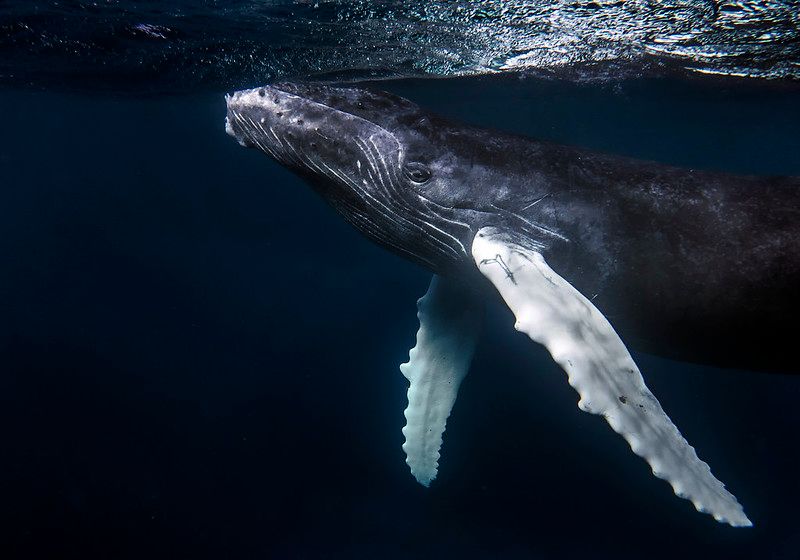
Oceans | Whales and dolphins are being failed by the UK government, according to a new report from the cross-party Environment, Food and Rural Affairs Committee. It described the country’s legal framework as “incoherent and not sufficient to effectively preserve these precious species”, which are threatened by bycatch, underwater noise and continued hunting by places including Norway, Japan and the Faroe Islands. The MPs recommended that the government should use its “soft power” with countries that still engage in such practices “at every opportunity”. Its other recommendations are summarised by Whale and Dolphin Conservation. Somewhat whimsically, the Committee's press release led with the news that a minke whale leapt from the waters off the Committee Chair’s constituency as the report was being finalised. “I like to think the whale is asking everyone to read the report – and asking the government to take its recommendations seriously,” said Sir Robert Goodwill. The BBC and the Guardian covered the news.
Peat | It has been a positive week for lowland peat, with Defra announcing more than £7.5m in new funding to improve the condition of this degraded habitat. Centuries of drainage to make these soils suitable for agriculture have led to them drying out and releasing carbon into the atmosphere; the new money will support their rewetting. The government also announced that it would accept all the recommendations contained in the new report from the Lowland Agricultural Peat Task Force, which was also released this week. BusinessGreen covered the developments. In less positive news, the Scottish government has missed its target to restore peatland for the fifth year running, reports the Ferret.
Agriculture | Members of the Senedd have voted in favour of the Wales Agriculture Bill, which is expected to come into force later this summer. At the heart of this is the proposed Sustainable Farming Scheme, which will commence in 2025, and which will be the main source of government support for farmers. NFU Cymru issued a statement saying that it looked forward to engaging with the government on the finer details of the scheme. The bill, said rural affairs minister Lesley Griffiths, will mean that the government “can work more effectively with the sector in tackling the climate and nature emergencies which pose the biggest medium to long term threat to food production in Wales.”
In other news:
- The government has launched a consultation on how to improve protections for hedgerows.
- Hundreds of green laws face the chop as the EU Retained Law Bill passes the final hurdle, reports BusinessGreen.
- Scottish Forestry has introduced new measures to boost agroforestry, including funding for planting fruit and nut trees.
- The Wildlife Trusts have launched a new initiative, called Coronation Gardens for Food and Nature, in tribute to Charles III.
- The Environment Agency is encouraging the public to report any sightings of invasive Pacific pink salmon in UK waters.
- Natural Resources Wales has announced a new project to monitor and reduce ammonia emissions from agriculture.
- High costs are deterring individuals and community groups from bringing legal challenges to protect the environment, even when they have a good chance of success, reports the Guardian.
- The Climate Change Committee reports that the chances of the UK meeting its climate pledges has worsened since last year. Carbon Brief has a characteristically in-depth summary of the report.
- The head of the crisis-stricken Thames Water has quit over sewage spills, reports the BBC.
- Police say that attacks against waterfowl are on the rise in England, reports BirdGuides.
- A judicial review has found that the Scottish government acted unlawfully in granting licences for scallop dredging and bottom-trawling, reports ENDS.
Across the country
Cornwall | Natural England has reached the controversial decision to designate West Penwith Moors and Downs in Cornwall as a new site of special scientific interest, in recognition of the rich biodiversity contained within its 3,044 hectares. This brings with it new limitations on how farmers can use the land; the Guardian reports that emotions ran so high that security guards were posted at the back of the room as voting took place. Even Natural England acknowledged the complexities involved: “The priority now must be helping people to sustain livelihoods & Nature together,” tweeted Tony Juniper. Conservationists, meanwhile, have welcomed the decision.
This SSSI designation protects 11 valley mires, ~1200 ha of heath, Dartford warbler, grayling & wall brown butterflies + many others. Management relies on farmers, & many now face significant uncertainty. @DefraGovUK, please reward them properly for what they deliver for nature. https://t.co/vLIjov8cIB
— Lynn Dicks (@LynnDicks) June 29, 2023
Clawddnewydd | A derelict pond that sits on an old drovers’ road in North Wales has been restored to its former glory. The old watering hole, which sits alongside the village pub in Clawddnewydd, would once have been an important resting point for drovers and their livestock, but in recent years the natural spring had dried up and the pond had become an eyesore. The community council oversaw a project to line and feed the pond by drilling a nearby borehole so that it could fill with water once again. Nation.Cymru reported the news.
Clyde | The Scottish Environment Protection Agency is investigating after a large amount of gravel was illegally removed from the River Clyde in South Lanarkshire. The removal could significantly affect the river’s ecology, including fish spawning, and increases the risk of flooding by altering the flow of the river, reports the Times. There have been two separate incidents, which the agency does not believe are connected. Experts say that a post-pandemic surge in infrastructure costs has forced some construction companies to seek cheaper – and sometimes criminal – options for basic building materials.
Elsewhere:
- Middlesbrough Council will use 60 hectares of their farmland to offset pollution so that 1,400 homes can be built, reports Teesside Live.
- Heavy rainfall, rather than pollution, is being blamed for scores of dead fish in the River Cam, reports the Times.
- A new course, led by Natural Resources Wales, is training teachers how to educate students in Flintshire about nature using the Welsh language.
- Gunshot wounds have been found in a red kite that died in Dumfries & Galloway, reports the BBC.
- A community allotment site may be destroyed to make way for 250 new homes, reports the Derby Telegraph.
- Two whisky companies have been reprimanded by the Scottish Environment Protection Agency for polluting rivers in Speyside, reports the Herald.
- The endangered marsh fritillary butterfly is back in the Lake District, 19 years after it went extinct in Cumbria, reports the Guardian.
- In a first for the county, two avocet chicks have hatched in East Devon, the BBC reports.
- A pick-your-own cherries event at a National Trust property in Cornwall has been cancelled after blackbirds ate all the fruit, the BBC reports.
- Windrush elders have helped plant a new grove of trees in Neath to commemorate 75 years since HMT Empire Windrush docked in England.
- A tiny woodland in Barry has been designated as part of the National Forest for Wales, reports the Guardian.
- The RSPB has pulled out of a partnership aiming to protect birds of prey in the Yorkshire Dales, reports Richmondshire Today.
- Anglian Water has been fined £150,000 for polluting a river in Bedfordshire, reports the BBC. Meanwhile, campaigners have warned that a river in Pembrokeshire faces “ecological disaster” due to pollution.
Reports
Farming | Farmers have faced severe financial pressure in recent years – the results of COVID, war in Ukraine, energy costs and Brexit – leading many to adopt a “high input, high output” approach to maximise profit. But relying on large quantities of fossil fuels and artificial fertilisers may not be the best commercial decision, according to a report by the Wildlife Trusts and the Nature Friendly Farming Network (NFFN). Farming at the sweet spot argues that nature-friendly farming is a viable alternative business model, leading to increased returns of between 10 and 45%, depending on the type of farm. “This report charts a way forward for the sector to strengthen its resilience by working with nature, not against it,” said Martin Lines of the NFFN.
Woodland | In 2021, the Woodland Trust revealed the parlous state of England’s ancient woodlands in its State of Woods and Trees report. This week, it has released a new report outlining what can be done about it. The report sets out a £1bn five-year plan that would tackle the key drivers of biodiversity loss, kickstart the restoration of ancient woodlands that are being damaged by non-native plantations, restore temperate rainforest, and implement a species monitoring programme, among other things. The recommendations are summarised in a Woodland Trust blog. Though the sum may seem large, it amounts to just 1% of the costs of HS2. The Independent covered the news.
Farming | At least £4.4bn must be invested in nature and climate-friendly farming over the next decade by the UK and devolved governments if they are to meet their legally binding commitments, according to a joint report from the RSPB, the Wildlife Trusts and the National Trust, written by an independent economist. Currently, around £3.5bn is spent on agricultural subsidies each year, which is not enough, the charities say. The additional money needs to be channelled directly into agri-environment schemes, supporting the restoration and creation of priority habitats and wildlife, protecting soil and water resources, and expanding organic farming. Farmers Weekly covered the news.
Science
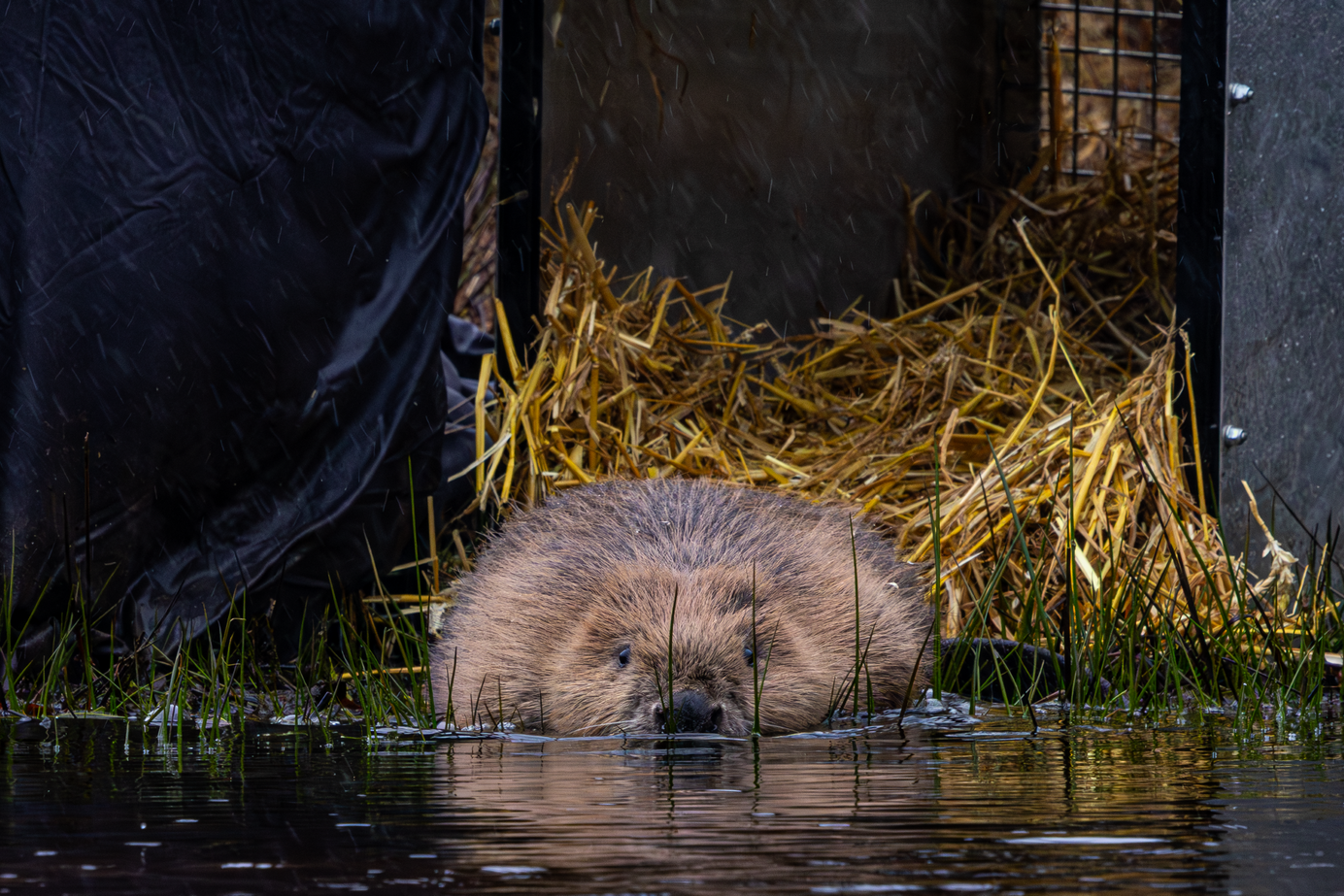
Names | Wally the Walrus. Benny the Beluga. Rashford the Beaver. Humans love to give names to wild animals – and for conservationists, it can provide a low-cost way to draw attention to a cause. However, when it comes to species reintroductions, this approach comes with both benefits and risks. Looking specifically at beavers, a group of academics from Exeter University argue in People and Nature that naming can help people to relate to unfamiliar species and encourage local ownership of reintroduction projects. At the same time, it makes it challenging to normalise the sense that these are wild animals, implies that humans have ownership or power over the animal, and can distract from creating viable populations through a focus on the individual.
Language | Conservationists and academics alike have expended much ink on defining “rewilding” and how it relates to restoration in general. The latest contribution to this discourse comes from Nathalie Pettorelli and James Bullock, who argue in Ecological Solutions and Evidence that the two terms refer to distinct practices: restoration is target-driven while rewilding is open-ended. This diversity is a strength when it comes to restoring nature, the authors conclude, and the two communities should unite to ensure that they are reaping the benefits of both.
Bats | A collaboration between bat conservationists and a research team led by Imperial College London and University College London has uncovered four coronaviruses circulating in 16 UK bat species, including two that were previously undescribed. None of the viruses, however, are capable of infecting humans. The Bat Conservation Trust put out a statement specifically warning of the misinformation and misreporting surrounding the study, while numerous academics put out detailed responses through the Science Media Centre. “This collaborative work forms the basis for future zoonotic surveillance and conservation efforts given the importance that bats play in our ecosystems,” said lead researcher Professor Vincent Savolainen. The study was published in Nature Communications, with the findings also covered by the journal’s news section.
Driftwood
Beavers | Are beaver bombers – people who release the animals illegally into the wild – the heroes of our time or a menace to society? That question is at the heart of a lengthy and beautifully illustrated feature in Coda. Unfortunately, its author, Isobel Cockerell, never manages to identify who’s responsible for the surprise return of the beaver to British waters. “Had I been involved in beaver bombing more widely, I don’t think I’d tell you,” says beaver enthusiast Ben Goldsmith. Asked whether he would describe himself as a beaver bomber, reintroduction specialist Derek Gow says: “I would describe myself as a human being concerned about the fate of the natural world.” Ecologist Alex Morss, meanwhile, expresses concern about decisions being made on the basis of “personal bias rather than ecological expertise” – although, given the Times article this week on Defra blocking beaver reintroductions, it is perhaps unsurprising that conservationists have sometimes opted to take matters into their own hands.
Rivers | Britain’s rivers have been modified for so long and to such an extent that we have forgotten what a natural river even looks like, writes David Sear, professor of physical geography at the University of Southampton, in an article for The Conversation. For more than a thousand years, these watery networks have been managed and altered to serve farms and industry. Some 97% of rivers are fragmented by barriers like weirs, with an enormous amount of silt removed from them each year. All this interference has damaged their function as ecosystems. “It is no wonder most people do not realise that the rivers they grew up with, fish in, swim in, or simply walk along are nothing like the natural ecosystems they once were,” he writes.
National parks | Chris Moss, the Telegraph’s destination expert, offers ten suggestions for how to fix the UK’s national parks. Currently, these supposed oases for wildlife are “essentially farmland”. Among his ideas are implementing a 30mph speed limit on A-roads, removing restrictions on wild camping, reducing farming to limited regenerative operations, banning dogs, recovering wilderness, cleaning up rivers, and encouraging a wider range of “indigenous” users beyond just the farmers. “To revive our open spaces, we need to encourage sensitive use by druids, pagans, traveller communities, off-gridders, community agriculturists and others who see the land as integral to their beliefs and culture,” he writes. “Stone circles really come to life when they are put to use.”
Further reading:
- An apology won’t bring back Sheffield’s lost trees, writes Rachel Cooke in the Observer – most residents will be dead before the replacements reach maturity.
- Urban great tits are less stressed than those living in woodland habitats, reports BirdGuides.
- For those who fancy forest bathing, without the inconvenience of having to visit an actual forest: MIT Technology Review explores the benefits of virtual immersion.
- A study in the Journal of Applied Ecology examines the impacts of climate change on UK habitats.
- The BBC looks at the Green Party politicians opposing solar farms, often on the grounds that they will damage local habitats.
- A feature in the Guardian examines efforts to save shoreline habitats from coastal squeeze.
- In the New Scientist, staff writer Graham Lawton writes about “why you should never ever mention rewilding to a Welsh hill farmer”.
Happy days
Bioluminescence | If you find yourself on a Welsh beach after dark, you may find yourself sharing the sand with one of the people featured in this BBC article: seekers of the bioluminescent plankton that light up the waves in an extraordinary glowing blue. “'It's the northern lights of the ocean,” according to Emma Tumulty, a teacher from Cardiff, who spent weeks searching for the phenomenon before finally getting lucky at Caswell Bay. The photographs in this article do not disappoint.
Subscribe to our newsletter
Members receive our premium weekly digest of nature news from across Britain.
Comments
Sign in or become a Inkcap Journal member to join the conversation.
Just enter your email below to get a log in link.