Wildfire Threat & Ancient Trees
The latest news on nature and conservation in Britain.
National news
Wildfire | Conservationists have warned that entire ecosystems have been ‘decimated’ and some of the UK’s rarest wildlife put at risk after weeks of wildfires across the country. So far this year, 110 square miles of land have been burnt by wildfires in the UK after a record dry spell and warm temperatures in March and April. In Wales, the fire services have reported battling almost 1,400 wildfires already. Ongoing wildfires at Abergwesyn common in Powys are thought to have destroyed the last remaining local breeding habitat for golden plover, while an ‘irreplaceable’ patch of temperature Atlantic rainforest has been damaged near Aberystwyth. The Initiative for Nature Conservation Cymru has voiced fears for the future of water voles: Rob Parry said that the uplands is their last foothold in Wales, so burning at these sites is risking their extinction. Rare birds are also affected, including hen harriers and skylarks, while peat bogs may take hundreds of years to recover. The BBC and Guardian reported the news.
Salmon | Wild Atlantic salmon are undergoing a steep decline in Scottish rivers, according to figures released by the Scottish government. The annual audit has classified a record 72% of rivers as ‘poor’ for salmon conservation, triggering mandatory catch-and-release measures across 153 rivers. Only 31 rivers achieved a ‘good’ rating, where anglers are permitted to keep caught salmon, including Scotland’s ‘Big Four’ salmon rivers: the Tay, Spey, Tweed and Dee. Conservationists cited pollution, blocked rivers, climate change, disease and parasites as the key drivers of decline. The charity WildFish accused the government of failing to address the growing threat posed by fish farms on the west coast, but the government defended its conservation efforts, pointing to initiatives such as planting riverside trees and removing weirs and dams to restore natural river flows. The Times covered the news.
Curlew | Ahead of World Curlew Day on Monday, the RSPB has announced the launch of a UK Action Plan to save curlew from extinction. Curlew are Europe’s largest wading bird, and huge declines in their numbers saw the species added to the UK Red List of highest conservation concern in 2015. Last August, Carlisle hosted experts to collectively develop a critical action plan to save the species. The final plan, which is being published to coincide with the birds’ breeding season, has six key recommendations; these include establishing a Recovery Task Force, extending effective protected areas for breeding curlew, funding nature-friendly farming schemes, and addressing the causes of high densities of generalist predators. Read more on this RSPB blog.
In other news:
- Natural England has refused to renew a licence for the Moorland Association’s controversial hen harrier brood management project in the 2025 breeding season, reports the Times. Campaigners celebrated here.
- ‘Unprecedented’ early sightings of invasive Asian hornets on Jersey have raised concerns for the UK’s native pollinator populations, reports the Guardian and Times.
- The number of pollution incidents by water companies in England is at a ten-year high, according to data obtained by Surfers Against Sewage. The Guardian and BBC reported the news.
- Defra has announced £45m in funding for technology to boost Britain’s food security.
- Experts have warned that warm spring weather combined with a rainy forecast could bring an influx of midges earlier than usual in Scotland, reports the Herald.
- Buglife is asking members of the public to help in its search for rare Scottish oil beetles.
- The government has launched plans to strengthen voluntary carbon and nature markets to help leverage private finance for the environment.
Across the country
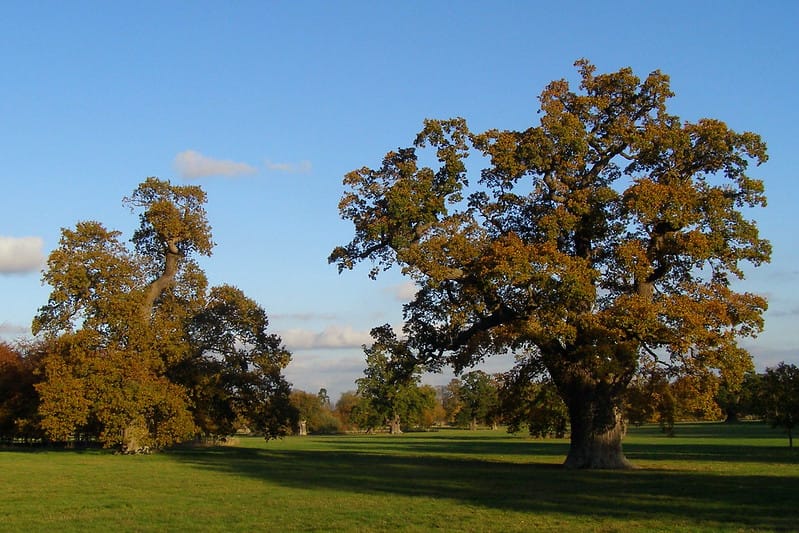
London | One of the oldest and largest oak trees in London has been felled by the company which owns a nearby Toby Carvery. The oak in Whitewebbs Park, Enfield, is thought to have been up to 500 years old, with a trunk more than six metres in circumference. It was listed on the Woodland Trust inventory of ancient trees, but was not the subject of a tree preservation order (TPO). The company responsible, Mitchells & Butlers Retail, said it acted on the advice of contractors, who warned that the tree was diseased and posed a safety risk to customers. However, the local council – which was not informed of the decision – has said the tree was healthy and could have lived for several more centuries. It has now placed a TPO on the remaining trunk in the hope that the tree may grow back. The actions have been met with a severe backlash: see the Driftwood section for further comment. The news was widely covered by national outlets.
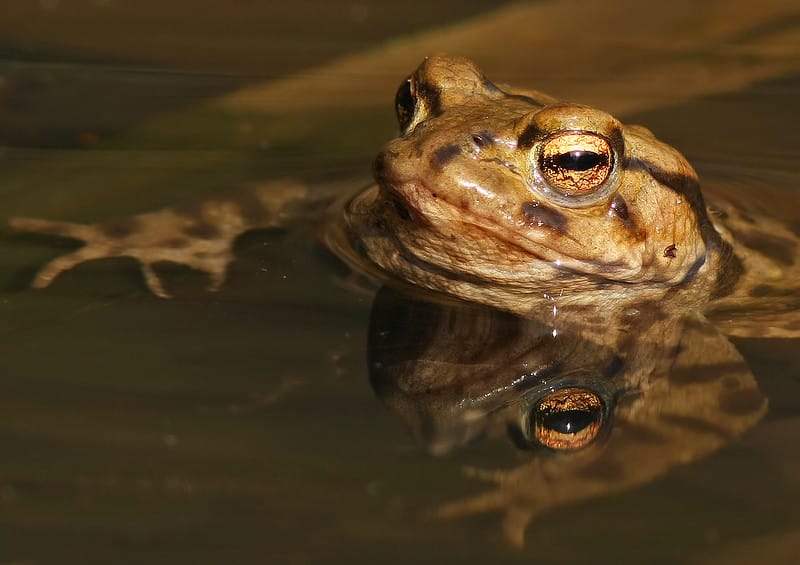
Bath | A toad patrol group near Bath is celebrating after helping 50,000 amphibians reach their breeding grounds over the past three decades. During this year’s migration season alone, the Charlecombe rescue group assisted nearly 4,000 toads, frogs and newts as they crossed Charlcombe Lane to reach a breeding lake. The 0.5 mile stretch of road has been closed for six weeks each year since 2003, allowing around 50 volunteers to patrol each night: it is one of only five closures of its kind in the country. Chris Melbourne, who manages data collection for the group, said the closure had been a ‘game changer’ for the local amphibian population, with the casualty rate during mating season dropping from 62% to only 3%. The BBC and Guardian covered the news.
Cairngorms | A team led by the Royal Zoological Society of Scotland is conducting a conservation project not dissimilar to a four-month ‘Easter egg hunt’ in the Cairngorms National Park. Earlier in April, the team hid 400 eggs of the dark bordered beauty moth at a specially selected site in the Wildland estate. They will return in July and use light traps to try to find the adults. The dark bordered beauty – so called for its lemon-yellow wings with prominent dark borders – is endangered in the UK due to years of habitat loss, and is only found at one site in England and two in Scotland. Through the project, the team hopes to test whether releasing eggs is an effective strategy for reintroducing the species, and ultimately increasing their numbers and reconnecting fragmented populations. Read more in this blog by Butterfly Conservation.
Elsewhere:
- Nature restoration company Nattergal is rewilding a former daffodil farm in Norfolk to restore 750 acres of wetland, reports the BBC.
- Cliffside cameras installed by the National Trust have failed to explain why the last known colony of puffins on the south coast of England is not raising any young, reports the BBC.
- Investment firm True North says its 600,000-tree commercial forest in County Durham will improve wildlife habitat, open land to the public and capture carbon, reports the BBC.
- Natural Resources Wales and the Woodland Trust have completed work to protect rare neutral grassland habitat near Llangollen.
- The only breeding pair of ospreys on England’s south coast have laid their first egg of the season, reports the BBC.
- Police are carrying out early morning patrols in the Cairngorms National Park to help protect endangered capercaillies during lekking season, reports the Herald.
- A rare otter has been spotted in London’s financial hub, Canary Wharf, reports the BBC.
- Dorset Wildlife Trust has released three Konik ponies into Lyscombe nature reserve to help enhance its habitats for other species, reports the BBC.
- Natural Resources Wales has boosted red squirrel conservation efforts in Clocaenog Forest, north Wales, with the translocation of two female reds from Devon and Kent.
Reports
Trees | The government should develop a ‘robust and effective system’ of protections to secure the future of England’s most important trees, according to a report by the Tree Council and Forest Research. The report assessed the existing protections in place for trees deemed ‘irreplaceable’, and individuals which provide particularly high social, cultural and environmental value, such as the Sycamore Gap tree. After reviewing existing legislation and consulting experts from nearly 50 organisations, the report found that – unlike other countries such as Italy and Poland – England’s iconic trees are only indirectly protected, with some ‘significant legal gaps’. Trees in this category face a range of threats, from environmental factors like soil compaction to human behaviour such as vandalism. The report recommends developing an action plan to better protect important trees within 12 months, enhancing data on current and future important trees, and appointing a ‘special representative’ to advocate at political level. The Northern Echo covered the research.
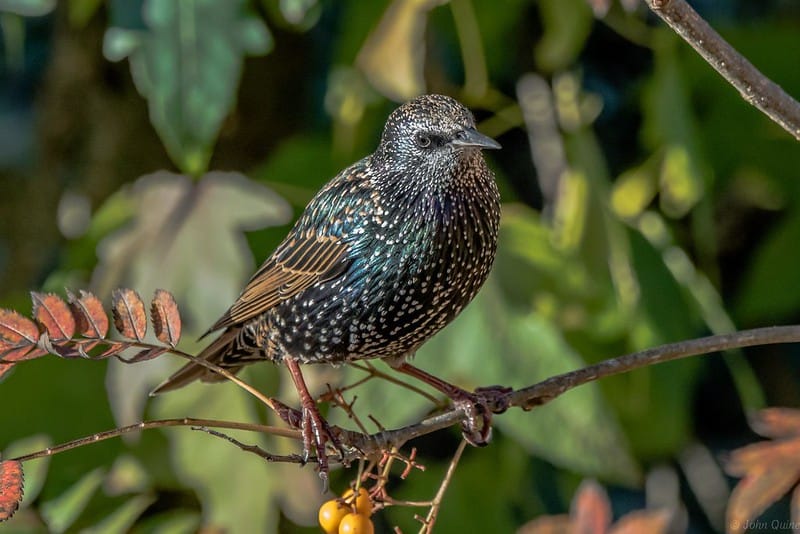
Birds | The RSPB has released results from its annual Big Garden Birdwatch, which took place in the last week of January. The headline result is that starling numbers have fallen, with the common garden visitor moving down to fourth in the table for the first time since the survey started in 1979. Sparrows remain at the top of the chart, followed by blue tit and woodpigeon: naturalist Mark Avery pointed out in his blog that woodpigeon numbers have increased, which also contributed to the switch in position with starling. The RSPB’s chief executive Beccy Speight said that the starling is one of Britain’s most charismatic birds, and although the results are a ‘reason for concern’, ‘we can all do our bit to support these threatened birds’. Recommended actions include avoiding pesticides, keeping lawns natural with wildflowers such as dandelion and clover, and putting up nest boxes. The Guardian, BBC and BirdGuides covered the news. Separately, a report by NatureScot has found that seabird numbers in Scotland continue to fall, although some species appear to be stabilising, reports the Herald.
Land | The Scottish Land Commission has published a route map to help ensure communities gain real and lasting benefits from nature restoration and investment in Scotland’s environment. The map is a practical guide intended for landowners, developers and investors: it demonstrates how to involve local communities from the start, agree on fair outcomes, and ensure natural capital projects – such as peatland restoration, woodland creation and biodiversity work – bring benefits to people living and working in the area. The report outlines five key steps, from carrying out background research and engaging the community through to measuring, monitoring and reporting on the local benefits. Emma Cooper, head of land rights at the Commission, said the map is ‘about starting honest conversations early, building trust, and making sure local people are part of shaping what happens on their land,’ she said. Scottish Housing News covered the report.
Science
Storks | White storks reintroduced to southern England have a similar diet to their wild counterparts in western Europe, a study in Ecology and Evolution has found. Researchers from the University of Brighton worked with the White Stork Project to conduct the first qualitative assessment of the diet of reintroduced storks at Knepp Estate in Sussex. They collected 23 pellets during the 2023 breeding season, split between a free-flying ‘wild’ group and a ‘captive’ group undergoing quarantine. The wild group pellets were more diverse in prey compared to the captive group – including insects, earthworms, small mammals and gastropods – demonstrating that the wild individuals are successfully foraging for themselves. The authors concluded that the prey species are consistent with previous research on stork diets in western Europe, indicating a successful acclimatisation following their translocation to the English countryside.
Fisheries | Urgent action is needed to stop the collapse of Britain’s sustainable fisheries, according to a paper in Fish and Fisheries. The study, written by the Marine Biological Association alongside marine scientists, outlines eight national benefits provided by sustainable fisheries, from food security to coastal employment and environmental stewardship. However, data analysis shows that there has been a steep decline in the fishing fleet, with fewer boats in the habours and a decline in the number of people employed as fishers. Co-author Bryce Stewart said: ‘We’re not just losing boats, we’re losing generational knowledge, resilience, and the very social fabric that connects many of our communities to the sea.’ The study urges policymakers to adopt a more inclusive definition of sustainability which considers economic and social outcomes as well as fish stocks. The Oceanographic and Fish Focus covered the research.
Wildflowers | Growing wildflowers on disused land could damage bee health, according to a study in Ecology and Evolution. Researchers from the University of Cambridge carried out the study by extracting nectar from a range of flowering plants growing on disused land across Cleveland, Ohio. They found that common plants, including white clover and bindweed, can accumulate toxic metals – including arsenic, cadmium, chromium and lead – from polluted soils. Pollinators can ingest the pollutants as they feed, resulting in damage to faculties such as learning and memory, or even death. The authors say that city soils should be tested for metals before sowing wildflowers and, if necessary, cleaned up before new habitats are established. Co-author Sarah Scott said the results ‘should not discourage people from planting wildflowers in towns and cities’, but that it is important ‘to consider the history of the land’ first. The Guardian covered the research.
Driftwood
Oak | Environmentalists and residents alike have reacted with horror to the news that one of London’s oldest oak trees has been chopped down without permission. Papers including the Standard and Times are likening the incident to the Sycamore Gap tree, illegally cut down in 2023. The London oak stands on the grounds of Whitewebbs House, where the infamous Gunpowder Plot was planned: the tree is believed to be at least 450 years old, so it would have been alive when Guy Fawkes was hatching his plan. The felling has prompted widespread calls for better protections for ancient and veteran trees, with the Woodland Trust saying legally protected status is ‘long overdue’. Meanwhile, an article in the Telegraph suggests that iconic trees should be granted equivalent legal rights to ancient monuments such as Stonehenge. On X, campaigner and barrister Paul Powlesland likewise argued that ‘a building the same age as this tree would almost certainly be listed [...] & we should have an equivalent system for trees’.
Trade | In an article for UnHerd, British fell farmer and author James Rebanks writes passionately about why American meat should be kept out of Britain. With a UK-US trade deal expected any day, Rebanks says that British farmers are on ‘tenterhooks’ to find out whether the deal would require the UK to accept American meat products. Many American agricultural practices – including washing chicken in chlorine, feeding growth hormones to cattle, and growing GM crops – are currently banned in Britain and the EU. The trouble, according to Rebanks, is that if these products are sold in Britain, then British farmers must also be allowed to use those same methods to avoid being priced out. He writes: ‘An unfavorable deal could see British farming become a “race to the bottom” to compete on price with the American Midwest’. He calls on Starmer to send the American negotiators packing.
Hedges | A feature in the Guardian brings to life the joyful efforts to recreate England’s ancient hedges. Across the country, volunteers are coming together to plant more of these nature-rich habitats, writes journalist Phoebe Weston. Approximately half of England’s hedges were ripped out after the Second World War, but the tide has been turning since the 1990s, with recent figures suggesting that the net length of hedges is stable and possibly increasing. This involves both replanting hedges, but also rejuvenating existing ones, since many hedges are poorly cared for. Teaching hedgelaying skills is part of the effort by organisations like Hedgelink to ensure hedges continue to last for generations. Jon Stokes, chair of Hedgelink, describes planting a hedge as ‘one of life’s great joyful things’: ‘Wouldn’t you like to do something that you knew might be there in a thousand years?’
Further reading:
- An article in the Drinks Business looks at why Thatchers Cider is focused on the natural environment, including housing the largest living library of apple trees.
- In the Guardian, a feature examines the rise of cuttlefish on dining menus and whether the trend is a sustainable choice.
- A blog by the Wildlife Trusts goes behind the scenes for the new rainforest-inspired garden at the Chelsea Flower Show.
- News of the dire wolves’ supposed de-extinction has been met with disbelief ranging to scorn: see articles in the Guardian and Conversation.
- The BBC has an article about the man from Kent who saved a variety of Japanese cherry blossom from extinction.
- A feature in the Guardian explores a development in Greenwich showcasing harmony between nature and housing: think new flats overlooking newt ponds.
- Carbon Brief has published a glossary guide to 24 'climate-friendly’ farming methods to break through the jargon.
- In the Critic, author Patrick Galbraith writes about a ‘vibe shift’ taking place in society, which he summarises as ‘more diversity in wildfowling clubs’ and the fall of veganism.
- A feature in Wicked Leeks explores whether the health of soil holds the key to better nutrition.
- In the Guardian, author and botanist Andrew Cleave writes about the charismatic traits of coastal wildflowers, which thrive in tough conditions.
- The Financial Times has a list of new environmental books, including Merlin Hanbury-Tenison’s Our Oaken Bones, about reviving Cornwall’s rainforest.
Happy days
Cartoon | Funding from Peter Lord, one of the creators of Wallace and Gromit, has allowed Avon Wildlife Trust to acquire a former dairy farm on the Somerset Levels. Lord, who founded Aardman Animations and created the famous clayman cartoon alongside Nick Park, has been a member and supporter of the Trust for more than 20 years. Now, his ‘generous donation’ has allowed the Trust to kickstart their vision to turn Ebdon Farm into a ‘haven for biodiversity’ by letting nature take the lead. Shelly Easton of the Trust said that the low-lying farmland sits around two kilometres from the coast, making it an ideal location for the Severn estuary’s wading birds and wildfowl to roost when the tide is high. The Bristol Post covered the story.
Subscribe to our newsletter
Members receive our premium weekly digest of nature news from across Britain.
Comments
Sign in or become a Inkcap Journal member to join the conversation.
Just enter your email below to get a log in link.