Wolf Reintroduction & Chalk Streams
The latest news on nature and conservation in Britain.
National news
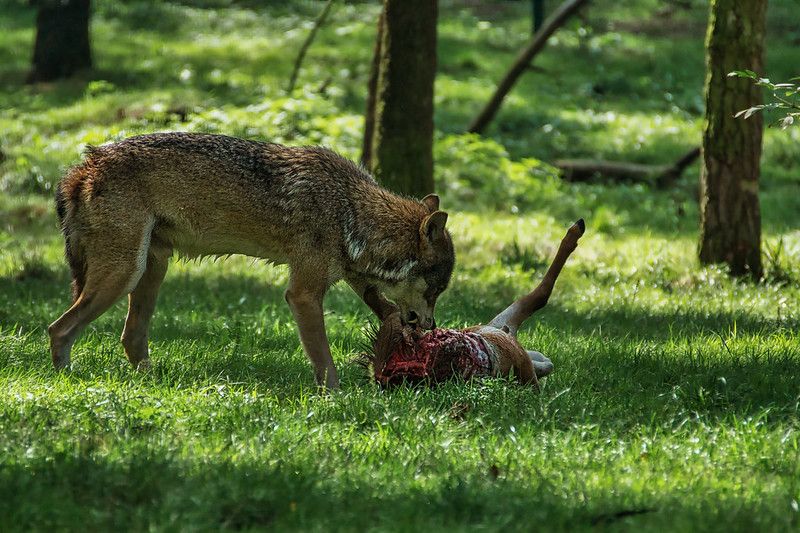
Reintroduction | Environment secretary Thérèse Coffey has ruled out reintroducing wolves and lynx to the British countryside. In her speech to the National Farmers' Union conference in Birmingham, Coffey spoke about farmers’ concerns about proposals to reintroduce sea eagles in Suffolk. She said: “I don’t want farmers to constantly have to worry about these issues. We’ve got plenty to do with the habitats that need improving and expanding.” Regarding the introduction of larger carnivores, she summarised, “We just don’t need to and we won’t.” While her announcement may have appeased some farmers, wildlife campaigners are unhappy with the decision. Craig Bennett, of the Wildlife Trusts, called it a “snap knee jerk reaction” which is “ecologically illiterate”. Reintroduction specialist, Derek Gow, said on Twitter that “ministers come and go” and such decisions are “not just up to a few farmers”. The government’s species reintroduction task force met for the first time this month, headed by Natural England, but it is unclear if they were consulted. The Guardian covered the news.
Countryside | “Food security is national security”, according to Sir Keir Starmer in his keynote speech at the NFU conference. The Labour leader made a pitch for votes from the farming community, stressing the importance of food resilience and rural services. However, critics have pointed out that nature barely featured in the speech. Craig Bennett, chief executive of the Wildlife Trusts, wrote in the Guardian: “Labour must recognise that there’s no such thing as food security if our pollinators are in decline, our soils are disappearing and our rivers are polluted.” Meanwhile, NFU president, Minette Batters, warned that the “clock is ticking” for the government to act on its commitments to protect the agricultural industry. Other announcements came from farming minister, Mark Spencer, who declared that more than £168m would be available in grants to farmers this year, to drive innovation, support food production and protect the environment. The BBC, the Independent, Farmers Weekly and Farming UK covered the conference.
Biodiversity | Following the conclusion of its consultation, Defra has announced it will introduce ‘Biodiversity Net Gain’ rules in November. Under the regulations, new housing, commercial and infrastructure developments in England are required to deliver a 10% gain on biodiversity, so that all developments are “nature positive”. Where this is not possible on-site, developers will be able to purchase biodiversity “units” via a private market. In its consultation response, the government confirmed £16m in funding to help local authorities expand resources and upskill their teams, including ecologists. They also confirmed that BNG regulations would have a phased introduction, with small sites having until April 2024 to comply. Responding to the announcement on Twitter, the RSPB welcomed the inclusion of brownfield land in the BNG mandate, as well as greenfield sites. However, the organisation also criticised “fundamental flaws at the heart of the system” due to loopholes regarding the recording of habitats. Meanwhile, lawyers and developers have criticised the response for lacking sufficient detail. Edie, Farmers Weekly and ENDS covered the news.
Biodiversity Net Gain (BNG) becomes mandatory in November 2023 to help stop the decline of biodiversity in England 🌱
— Defra UK (@DefraGovUK) February 21, 2023
Thanks to all those who fed into our BNG regulation and implementation consultation. We have published our response today.
Read more: https://t.co/t6nN9qIX1q pic.twitter.com/1KKQry1PoN
In other news:
- Thérèse Coffey has demanded that water companies provide plans on improving water infrastructure. The BBC, the Times and ENDS reported the news.
- The government has appointed a woman as the UK’s chief scientific adviser for the first time, reports the BBC. Separately, the Treasury has taken back £1.6bn allocated for scientific research, reports the BBC and the Independent.
- Defra and the forestry agencies have launched a Climate Change Hub to centralise information on forestry adaptation.
- The King has co-written a children’s book on the threats of climate change, reports the BBC.
- NatureScot has announced £1.8m in funding to help scale up private investment in Scotland’s natural capital. Farming UK covered the news.
- A Guardian investigation maps the scale of PFAS pollution, the “forever chemicals”, across the UK and Europe.
- Gardeners at the Royal Horticultural Society say that the UK will have a spring of beautiful blossoms amid perfect conditions, according to the Guardian.
Across the country
Devon | Native wildcats are set to be released in Devon and Cornwall as part of an ambitious reintroduction scheme. After being hunted to extinction in most parts of the country, wildcats are one of the UK’s rarest native mammals, with only around 200 surviving in the Scottish Highlands. Now, conservationist and rewilder Derek Gow is working with the Royal Zoological Society of Scotland (RZS) and the Devon Wildlife Trust to release dozens of wildcats into the coastal scrubland and dense forests of the southwest. The RZS previously gave Gow five mating pairs of wildcats to breed on his farm in Lifton, Devon, which resulted in a successful captive breeding programme. Gow said the reintroduced cats, which will be released in secret locations, will provide a check on rampant mice and rabbits, and will “play a key role in restoring our landscape to its natural state”. The Times and Cornwall Live covered the story.
Cambridgeshire | A peatland restoration project in the Cambridgeshire fens will begin trialling the cultivation of reeds to help insulate homes. Peatland Progress was awarded £8m by the National Lottery Heritage Fund to restore 120 hectares of wetland, and work will begin in March. The project managers say the trial aims to simultaneously make marshland productive, while also helping to achieve biodiversity and climate goals, and connecting the local community to nature. The five-year project will involve using paludiculture – or wetland farming – to grow bulrush reed, which is currently being used in Germany and the Netherlands as building insulation. It will also grow sphagnum moss, which can trap additional carbon, draw up water, and act as a substitute for peat compost. Brian Eversham, chief executive of the Bedfordshire Wildlife Trust, said that the project would “further develop a model of agricultural production preventing loss of peat soils to help future-proof farming”, while also locking in carbon and supporting wildlife. The Express and Star covered the story.
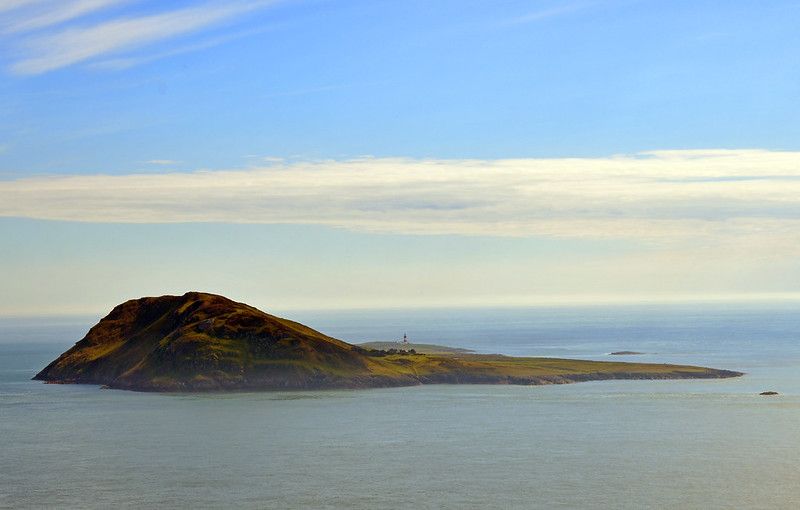
Ynys Enlli | An island off the coast of north Wales has been recognised as an International Dark Sky Sanctuary, the first site to be certified in Europe. Ynys Enlli, or Bardsey Island, sits two kilometres off the Llŷn Peninsula, where its location and geographic features maintain some of the darkest skies in the UK. A mountain on the island serves as an effective light barrier to the mainland, meaning the closest source of major light pollution is Dublin, over 70 miles away. It joins only 16 other sites across the globe to be recognised as a sanctuary; Wales already has several Dark Sky reserves, but areas designated as sanctuaries have stricter criteria governing the quality of the sky. It took the Trust that owns the island four years of monitoring and reporting to achieve the designation. Sian Stacey, chair of the Trust, said she hoped the designation would “go a long way in securing the long-term sustainability of the island", as well as establishing Wales as a “dark sky nation”. The BBC covered the story.
Elsewhere:
- A 95-year-old highland lodge in Wester Ross is set to be transformed into a Scottish Rainforest Centre, according to the current owners of the house.
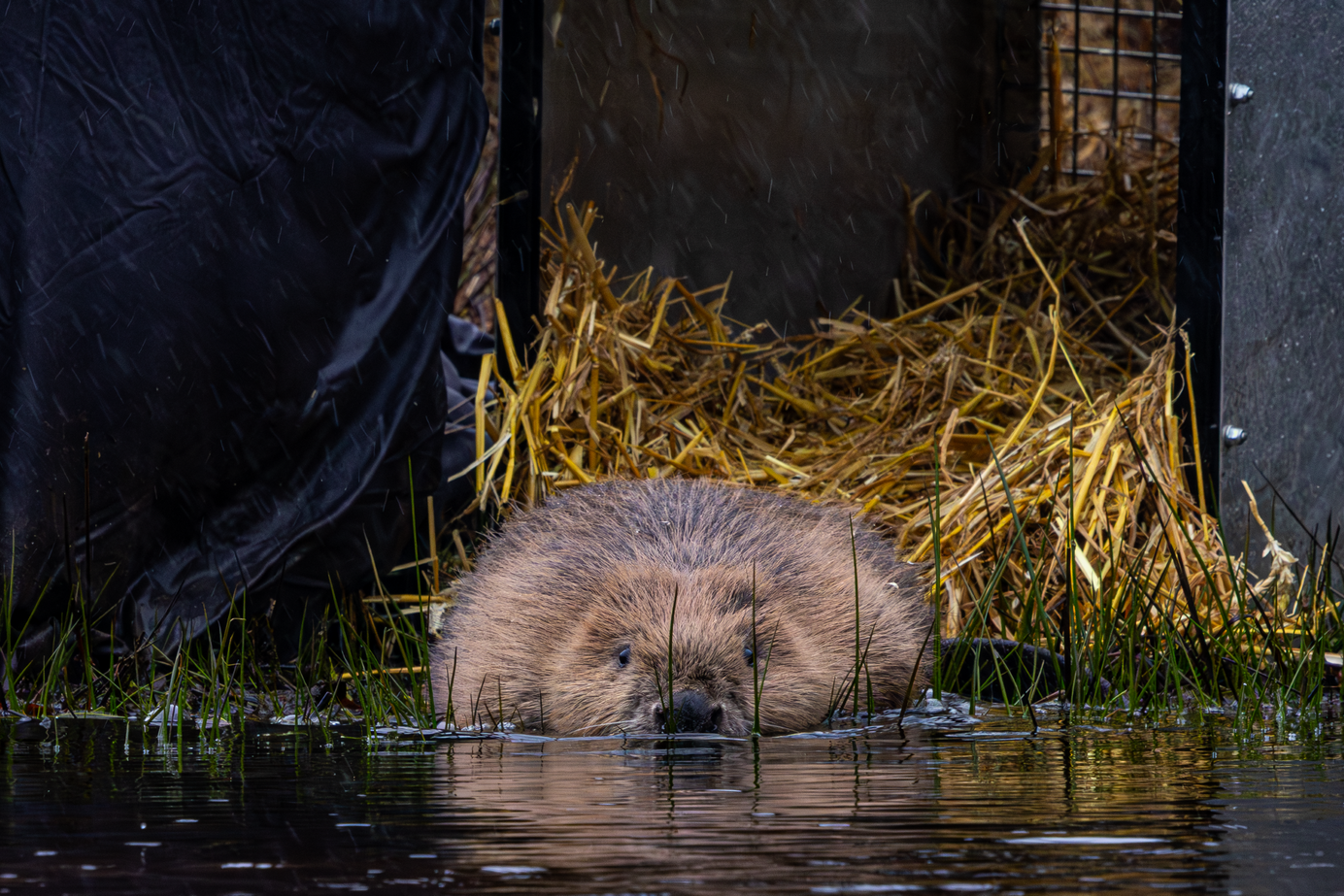
- An otter has killed two of the beaver kits recently released at Loch Lomond. The BBC, the Times and the Herald reported the news.
- Derbyshire Wildlife Trust and the city council are introducing more Highland cattle to the rewilding project in Allestree Park.
- A charity in Guernsey is caring for record numbers of hedgehogs as they struggle to find food, reports the BBC.
- The RSPB’s Lakenheath Fen reserve in Suffolk is set to be expanded by 54 hectares after the purchase of arable farmland, reports BirdGuides.
- People are protesting against plans to build 60 miles of electric pylons through Towy Valley, one of Wales’ “greatest treasures”, reports the BBC.
- A Derbyshire golf club is set to be turned into a nature reserve, despite complaints from local golfers, reports the Derby Telegraph.
- Conservationists at the National Trust accidentally burned three hectares of protected heathland, when a controlled fire got out of hand, reports the Times.
- An exhibition in Leeds reveals the “dirty secrets” of the various items that block Yorkshire sewers. This BBC article features photos from the exhibition.
- Plans for huge poultry units in Herefordshire have been rejected on environmental grounds, reports ENDS.
- A collaborative project is planting five million seagrass seeds off the coast of north Wales to create underwater meadows, reports the BBC.
- The Eddleston Water Project in the Scottish borders has received UNESCO recognition for its work to improve flood resilience by planting woodland and creating ponds. The Herald reported the news.
- Visitors have been banned from the Farne Islands amid bird flu concerns, reports Chronicle Live.
- Residents of Ealing, London, are protesting against plans to build a sports centre on a nature reserve, reports the Express.
Reports
Chalk streams | A coalition of NGOs has launched Chalk Streams First, an initiative aimed at halting the abstraction of water from chalk streams across the Chilterns. The coalition, which includes organisations such as WildFish, the Wild Trout Trust and WWF, has responded to the management plans of various water companies with a proposal to give chalk streams first use of the water in their aquifers. The idea is based on a commissioned report by expert hydrologist, John Lawson. In the report, Lawson investigates the effect of shifting points of abstraction toward the lower end of streams. His research demonstrates that abstraction in headwaters is depriving the rivers of critical flow, without which they cannot function naturally. The coalition suggests that Chalk Streams First is a solution that could realistically be implemented by 2030, and should be part of a wider response to the issue.
Community | A discussion paper from the Scottish Land Commission delves into the potential community benefits of investment in natural capital. Using a series of six case studies, the paper outlines recent examples where investment has been critical in transforming land to act in the interest of local communities. In one case study, charity Trees for Life undertook environmental projects on the Dundreggan Estate in Glenmoriston, including planting a native woodland and selling the resultant carbon units. The money raised through offsetting was then invested back into local community initiatives and groups. Hamish Trench, chief executive of SLC, said: “Scotland’s land plays a pivotal role in our everyday lives and so it is essential that communities are able to influence and benefit from natural capital projects, land decisions and land use.”
Geoconservation | A publication from Natural England delves into the principles and practice of “geoconservation”, or the conservation of geodiversity. England’s geodiversity – the abiotic equivalent of biodiversity – is particularly distinct and visually impressive, with representatives of all the major divisions of geological time. Geodiversity defines the character of England’s varied landscapes, influences the distribution of habitats and species, and has shaped the cultural identity of different parts of the country. But like any feature of the natural environment, geoheritage is subject to a range of anthropogenic and natural threats, including the risks of erosion and quarrying and vegetation encroachment. The publication reviews best practice for delivering geoconservation on the ground.
Science
Carnivores | A study published in Biological Conservation investigates the key success factors for reintroducing large carnivores. An international team led by researchers from the University of Oxford analysed data from 33 translocation projects involving almost 300 individual animals from 2007 to 2021. The cases spanned 22 countries and involved 18 different carnivore species. Researchers found that overall, two-thirds of the relocations were successful (defined by surviving in the wild for more than six months), with success rates increasing significantly since 2007. Important factors for success included a ‘soft release’ – when animals are acclimatised before being fully released – and also releasing younger animals, which are thought to adapt better to new environments. However, only 37% of relocated animals were observed to find a mate or raise a cub in their new habitat, highlighting the need to protect carnivore populations where they currently exist. Professor Alastair Driver, director of Rewilding Britain, said the study “could not have come at a better time here in the UK”, as it would be “hugely valuable” in informing discussions around the feasibility of reintroducing species such as European wildcat and Eurasian lynx.
Pine Marten | A study by Forestry England suggests that pine marten numbers in Kielder Forest are on the rise, reports the BBC. Pine martens were once thought to be extinct in England due to loss of habitat and extensive hunting, but the elusive woodland creatures were first caught on camera in England’s largest forest five years ago. The study, which began in February last year, involved installing 50 denning boxes in one area of conifer forest, while monitoring another area 15 miles away – this time without boxes – so that researchers could analyse the impact of providing shelter. Examining the boxes in autumn, six months after installation, the researchers found nearly four times the amount of scat around the boxes than identified the previous year. They also found increased evidence of the creatures in the area without denning, although not at the same level. Ecologist Wayne Penrose said that the study was still in its early days and needed more data, “but the results are encouraging.”
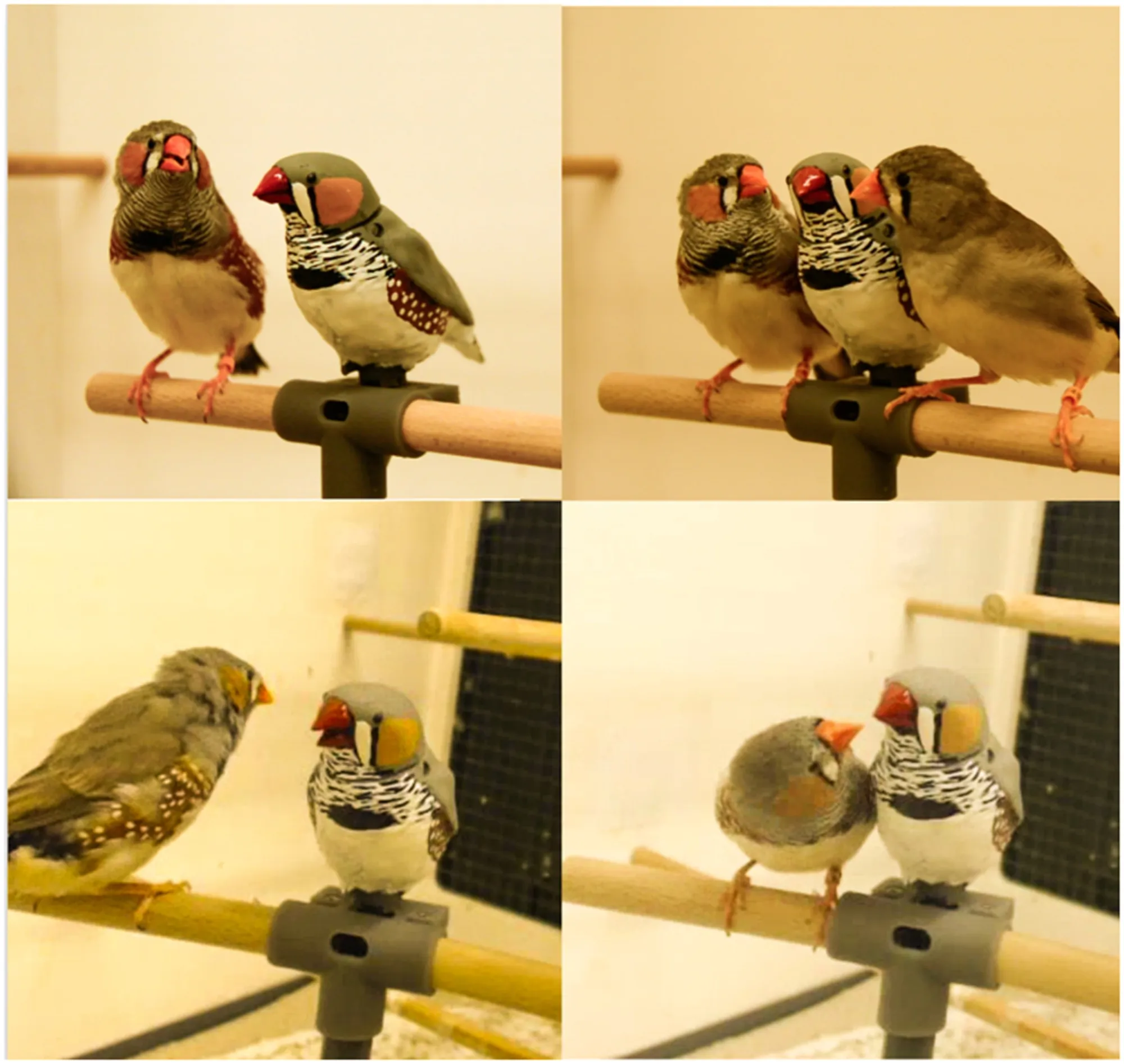
Robots | A team of researchers have created a highly realistic robot of a zebra finch – or ‘RoboFinch’ – to study how songbirds learn their songs. In particular, the team wanted to find out whether the movements of an adult bird are important for helping young birds learn how to sing. In the study, which was published in Methods in Ecology and Evolution, researchers used high-speed video recording, 3D scanning, 3D printing and colour-realistic painting to create RoboFinch. The team then raised groups of young finches alongside a RoboFinch during the sensitive phase for song learning, and compared the results with control groups. They found that the juveniles approached the robot from the start of the experiment, and progressively increased the time they spent singing compared to the other groups. Ralph Simon, one of the robot developers, said that “robotic models allow us to study animal communication in totally new ways”, and that the interaction between acoustic and visual components is just one part of its potential.
Driftwood
Surfing | A BBC feature investigates whether boards made of mushrooms could be the sustainable future of surfing. More than 400,000 surfboards are made every year, and currently around 80% are created from polystyrene, polyurethane and resin, meaning they can sit in landfill without decomposing for hundreds of years. Twenty-three year-old board designer, Steve Davies from Porthcawl, thinks the surfing community can do better to become a sustainable sport. As part of his final year design project at Cardiff Metropolitan, Davies designed a board using mycelium – a root-like structure found in a wide range of fungi – grown between a moulded, natural skeleton structure. Davies says it would take around 21 days to “grow” a full board. He added: "It will take a little bit of modification and the right species of mushroom to grow it but, eventually, I don't see any reason why mushroom boards couldn't be used in the top elite level of surfing, right down to beginner level."
Farming | The British Ecological Society (BES) has published a second part to its blog outlining what the Environmental Land Management schemes (ELMS) will pay for. Part Two, by policy officer Nick Harvey, examines the factors that could affect how successful ELMS will be. First and foremost, Harvey argues that payment levels for the schemes must make them financially attractive to farmers. Another important factor will be whether ELMS focuses on actions or outcomes, with the previous Countryside Stewardship scheme explicitly aimed at the former, regardless of successful outcomes. Although ELMS is designed to have greater flexibility than its predecessors to encourage maximum uptake, the blog highlights that this could result in a trade-off for environmental benefits. Lastly, Harvey argues that the potential of ELMS will not be fully achieved unless it promotes connection and communication between land managers and neighbours, to attain larger-scale benefits than isolated patches of action.
Birds | In a Guardian feature, naturalist and writer Stephen Moss picks ten bird species which have changed the human world. Humans have shared the world with birds for the entirety of our history, and Moss argues they have played an important role in society, from ancient civilisations to the present day. Working from classical beginnings, Moss begins with the mythology surrounding ravens, and the role that pigeons played in facilitating communication. He finishes with the iconic emperor penguin, and its representative fate in the face of climate change. Each of these snapshots is explored in more depth in Moss’ book, Ten Birds That Changed the World, published earlier this month.
Further reading:
- A blog by Defra outlines 30 actions the government has taken to support farmers and growers.
- The government’s actuary department has published a climate and environment review of 2022.
- A blog by the RSPB outlines the potential consequences of the “Bulldozer Bill”, or the Retained EU Law Bill, which is being debated in the House of Lords this week.
- A light-hearted article in the Guardian explores the unique and strange qualities of cuttlefish.
- The Guardian has an interview with 88-year-old primatologist Jane Goodall, who looks back at her career, and forward to fitting in as much travel as possible.
- A blog by Forestry England looks at the changing perceptions surrounding white-tailed eagles, following their reintroduction to England.
- In Discover Wildlife, an article examines how various nature-based solutions can help prevent flooding.
- A short film by the Avon Wildlife Trust celebrates the legacy of its programme designed to give people from diverse backgrounds an opportunity to undertake placements in conservation.
Happy days
Wild | The BBC has released a visually stunning trailer for Wild Isles, a new series presented by Sir David Attenborough, exploring the diverse habitats of the British Isles. The series is co-produced by the RSPB, WWF UK, and the Open University, with the RSPB describing it as an unmissable “landmark show”. The familiar tone of Sir David announces: “Welcome to a place that is astonishing… It’s home.”
Subscribe to our newsletter
Members receive our premium weekly digest of nature news from across Britain.
Comments
Sign in or become a Inkcap Journal member to join the conversation.
Just enter your email below to get a log in link.