Woodland Disease & Rabbit Warrens
The latest news on nature and conservation in Britain.
Welcome to Inkcap Journal, a newsletter about nature and conservation in Britain. Every Friday, we round up all the week's news, science, reports, comment and more. Sign up here to get these digests in your inbox.
National news
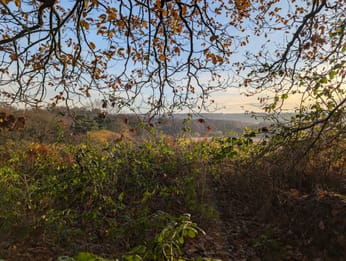
Woodlands | The National Trust has warned that UK woodlands could face "dramatic changes" due to milder, wetter winters caused by climate change. These conditions are helping pests and diseases to spread, with the Trust due to fell 30,000 ash trees due to dieback at the cost of £3m. Tens of thousands of larch trees will also need to be felled due to the fungus-based pathogen Phythopthora ramorum, which is spreading in the Lake District. The National Trust says it is trying to build “woodlands of the future” that are resilient to climate change by using species from warmer climates; for example, replacing ash trees with walnut. The Evening Standard, the Guardian and the Times covered the story.
Bird flu | Coronavirus isn’t the only disease causing heightened anxiety at the moment; concerns over bird flu are also on the rise. In November, a prevention zone was declared across Great Britain in an attempt to halt the spread of the avian disease; subsequently, specific protection zones were put in place around outbreak sites. These measures mean it is now a legal requirement for bird keepers across the UK to keep their birds indoors or follow strict biosecurity measures. This week, a white-tailed eagle found dead on Skye in mid-November tested positive for bird flu, reports Bird Guides. There is also an outbreak at the Caerlaverock National Nature Reserve near Dumfries, reports the Daily Record. The UK’s chief vet has said there is now a “phenomenal level” of bird flu in the country, with 38 infected premises in total. The Guardian has published a Q&A on the topic.
Trees | Every household in Wales will be offered a free tree to plant in an effort to help tackle climate change, reports the BBC. People will either be able to choose a native species to plant in their garden or have a tree added to a woodland on their behalf by Coed Cadw, the Welsh Woodland Trust. The Welsh government will make 1.3 million trees available and the scheme will cost £2m. However, some criticised the initiative, worrying that the trees would not be looked after or be planted in inappropriate places. But Coed Cadw’s Jerry Langford said he was confident that the scheme would succeed. “Trees are tough actually," he said. "You've got to treat them pretty badly to kill a tree.” Wales Online also covered the story.
In other news:
- Defra may be about to approve the use of a “devastating” pesticide, reports the Guardian.
- A petition to ban the shooting of woodcock is gathering pace, reports BirdGuides.
- Scientists at Aberystwyth University are developing a global database of octopus genes to help protect them from overfishing, reports the BBC.
- Rewilding is a threat to the queen and her corgis, according to Conservative peer Lord Marland. The Mirror reports on his comments.
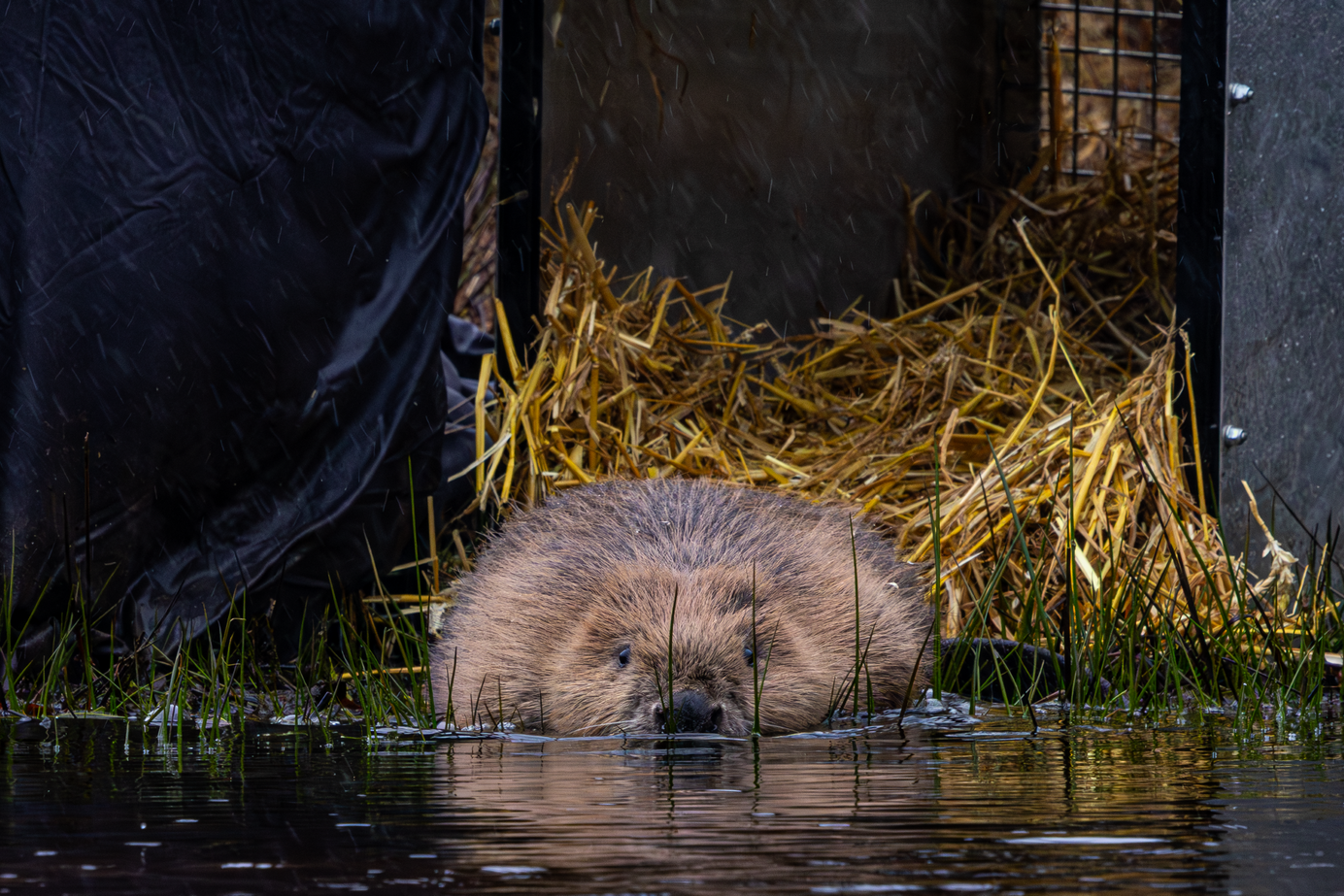
- Natural England is recruiting for a new national beaver officer, reports ENDS.
- The Climate Change Committee has warned that Scotland’s plan for tackling climate change lacks detail, reports the BBC.
- A new UK rail travel platform promises to plant a tree for every booking, reports the Guardian.
Across the country
Wester Ross | The Woodland Trust Scotland has bought the 4,500-acre Couldoran Estate in Western Ross for £3.5 million – and plans to spend a further £4.5 million on restoring native woodlands and transforming the site for people and wildlife. The plan is to create around 1,000 acres of new native woodland – including Scots pine, aspen, downy birch, rowan, willow and alder – with the rest remaining as open ground. It will connect with the Woodland Trust’s neighbouring site at Ben Sheldaig, creating a “nature highway” along the glen. “Couldoran is in relatively poor condition,” said Alastair Seaman, director of Woodland Trust Scotland. “Once restoration is underway, we hope many of the iconic species we have at Ben Shieldaig will flood back in.”
Warwickshire | Work for HS2 continues apace, with a huge machine now tunnelling beneath ancient woodland in Warwickshire. This is specifically to preserve a section of Long Itchington Wood, according to David Bennett, delivery director of HS2, in comments reported by Coventry Live. The machine, which weighs 2,000 tonnes and will take five months to bore the mile-long tunnel, has been nicknamed Dorothy after Dorothy Hodgkin, the first British woman to win the Nobel Prize for Chemistry. In Staffordshire, protesters have set up a semi-permanent woodland camp along the HS2 rail route and are encouraging local communities to join forces in opposing the scheme. The story was covered by the Express and Star and the Stoke Sentinel.
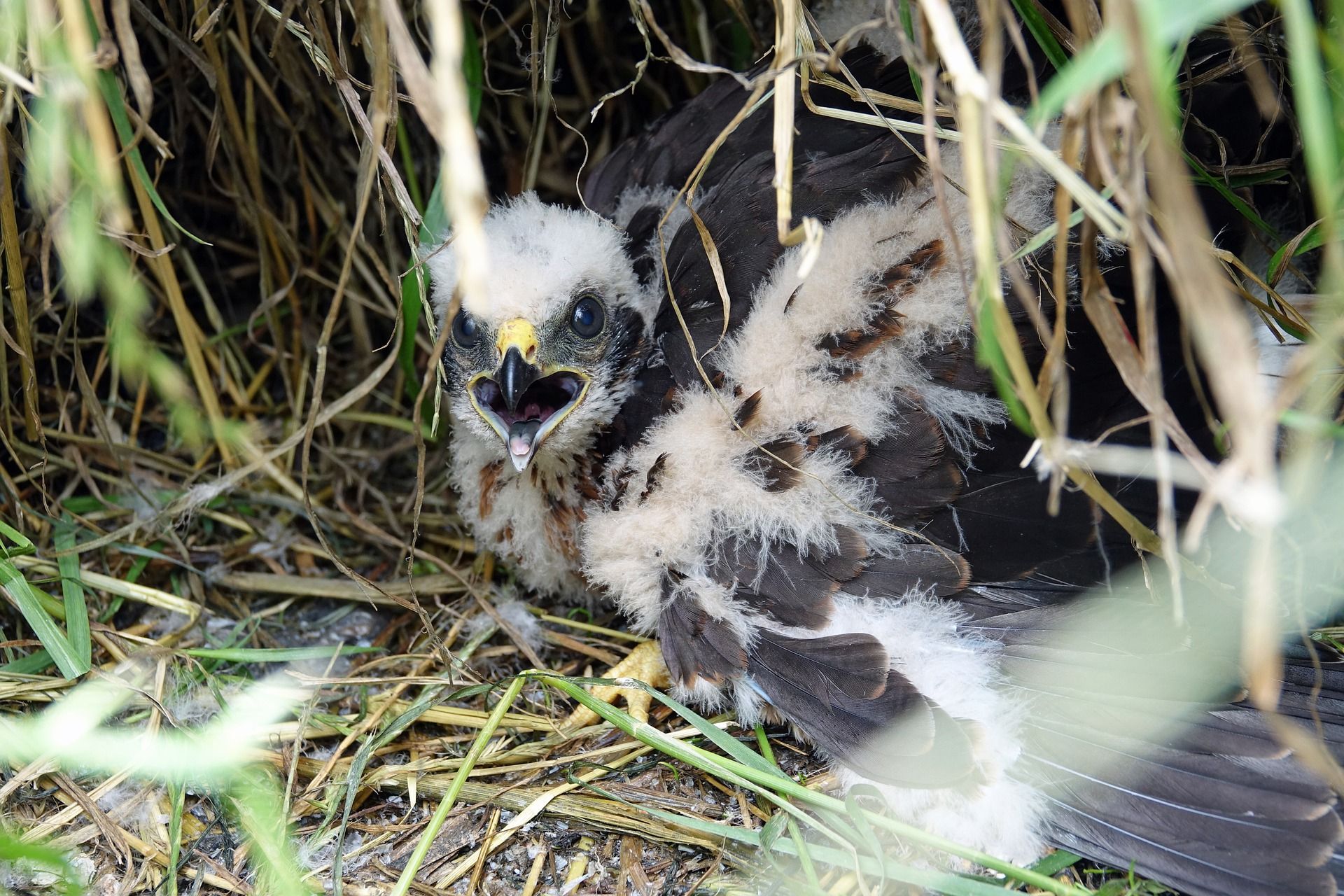
Yorkshire | The Guardian tackles one of the most controversial topics in conservation this week: hen harrier conservation. Patrick Barkham visits the grouse moors owned by the Swinton Estate in North Yorkshire, where head gamekeeper Gary Taylor has led efforts to preserve this bird of prey, otherwise widely persecuted because of their appetite for the grouse that hunters would otherwise pay to shoot. The estate is taking part in the government’s five-year “brood management” trial, which aims to find ways to allow hen harriers to breed and thrive without putting too much pressure on a single grouse moor – but some conservationists believe that this approach is misguided. “Brood management is about forcing hen harriers to fit in with driven grouse shooting. That’s starting in entirely the wrong place,” said the RSPB’s Katie-Jo Luxton.
Elsewhere:
- Nottinghamshire Wildlife Trust has welcomed plans by Nottingham City Council to transform a former shopping centre into green space.
- Network Rail has created a ‘hedgehog highway’ at Lanark Station, reports the BBC.
- Prince Charles has spoken out about the importance of hedgerows, reports the BBC.
- Controversial plans for a 210,000-bird chicken farm in Shropshire have been rejected over pollution concerns, reports the Shropshire Star.
- The completion of a river restoration project along the River Yare in Norfolk has created new wetland habitats, reveals the Environment Agency.
- A luxury housing developer has been fined more than £100,000 for destroying hazel dormouse habitat, reports ENDS.
- A gamekeeper in the Borders responsible for the death of two protected birds of prey has been fined £300, reports BirdGuides.
- Plans for a housing development on the Isle of Man will include several ‘micro forests’, reports the BBC.
- Woolly Mangalitsa pigs and Belted Galloway cows are playing a key role in a rewilding project at Sharpham Estate in South Devon, reports Devon Live.
- Vandals have damaged saplings planted just days before on Hayling Island, reports the Portsmouth News.
- Plans to relocate a group of slow worms from the site of a proposed housing development near Weymouth would cost £15,000, reports the BBC.
- Local councils and Chester Zoo have planted rare black poplar trees on the outskirts of Chester as part of National Tree Week efforts, reports the Chester Standard.
Reports
Woodland | The government has published a report on the mental health benefits of the UK’s woodland. The research demonstrates that time spent in woodland saves £185 million annually on treatment costs – the first time the health benefits of the UK’s woodlands have been quantified. Over the next 100 years, the value of these mental health benefits will amount to over £11 billion. The report was funded by the Forestry Commission, Scottish Forestry and the Welsh Government. The Telegraph focused on the impact of urban street trees. Separately, the Guardian featured a paper in Environmental International which found that proximity to green space could reduce the physical and psychological symptoms of premenstrual syndrome (PMS).
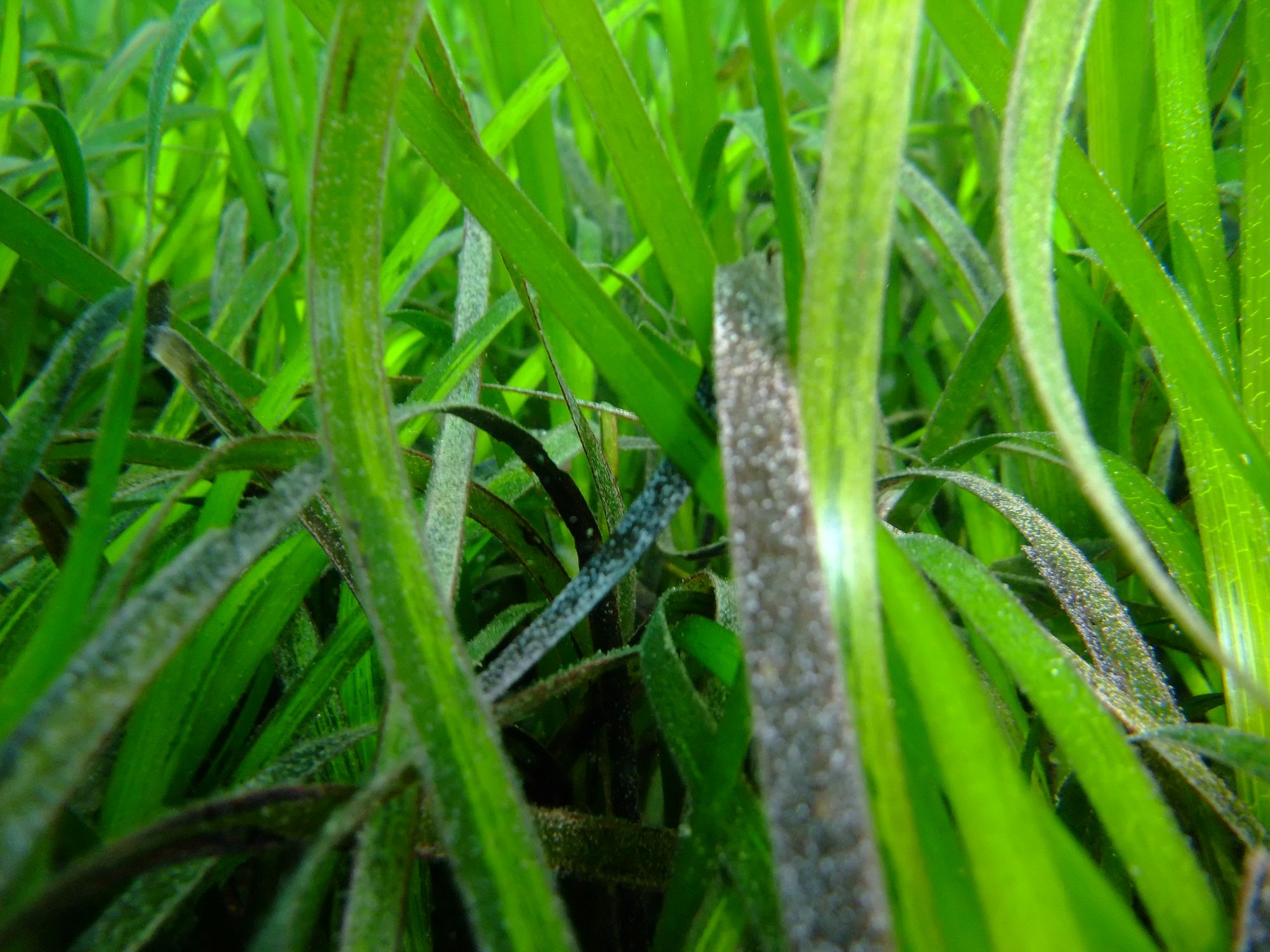
Seagrass | NatureScot has developed and published Scotland’s first handbook for seagrass restoration, reflecting increasing interest in the revival of these habitats for storing carbon, enhancing coastal defences and increasing biodiversity in the ocean. It follows on from successful seagrass restoration projects in Wales; trials in Scotland are currently in the early stages. Scottish Field covered the news.
Agriculture | Nature-based solutions can help agriculture adapt to the impacts of climate change, according to a report from the Centre for Climate Finance & Investment at Imperial College Business School. It is the second installment of a two-part report. Part one focused on the risks that climate change poses to farming; this part covers topics such as the role of voluntary carbon markets and the challenges of financing nature-based solutions, using Brazil as a case study. It addresses key challenges, such as competition for land, potentially increasing food prices, and increasing risks to food security.
Science
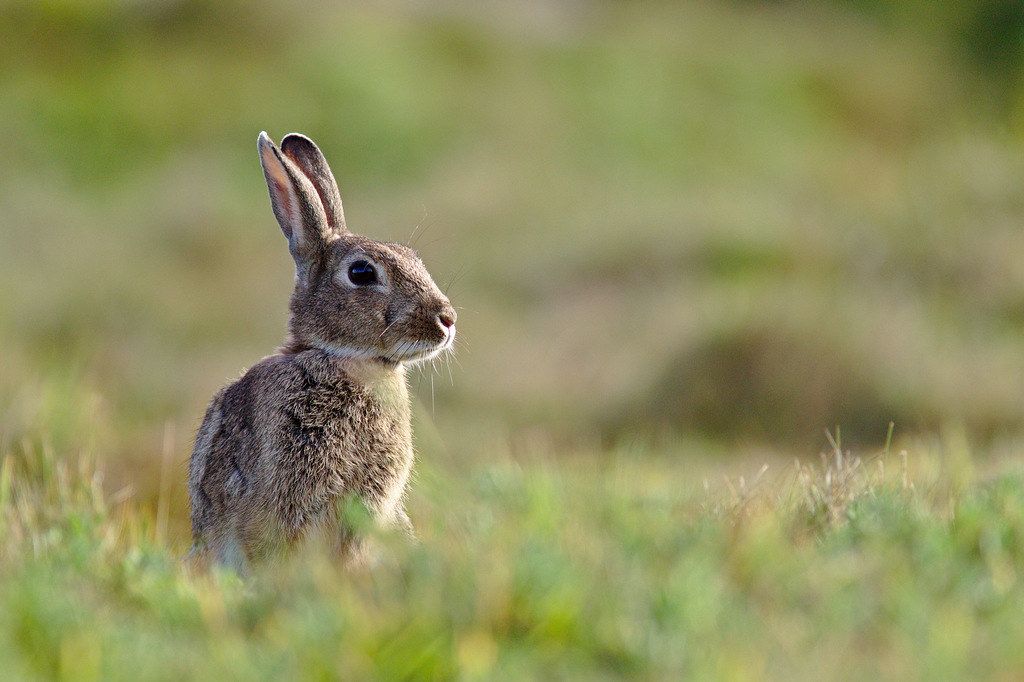
Warrens | Wheatears took advantage of the rabbit warrens established as business projects before the sixteenth century, as the cavities and suppressed vegetation provided an ideal location to nest and forage. This is the fascinating finding of environmental historian Lee Raye, who came across the records of early naturalists while researching a larger project, The Atlas of Early Modern Wildlife; the paper is published in Bird Study, and is available for free here. The idea is supported by the fact that wheatears significantly declined or were lost from some sites following the 1950s myxomatosis outbreak in Britain.
Restoration | A new paper in Ecography makes the case for incorporating ecological complexity as an explicit goal of restoration, rather than simply focusing on re-establishing indigenous habitat types and historically determined reference systems. “One resulting concern is that focussing on target communities may not necessarily create systems which function at a high level or are resilient in the face of ongoing global change,” the authors write. Creating complexity could harness on current restoration methods or encompass newer concepts such as rewilding.
Museums | Natural history museums must explore the troubling social histories attached to the acquisition of specimens, according to a paper in NatSCA. The authors, who take a gorilla in Leeds and a springhare in Cambridge as their examples, argue that telling the legacies of colonial violence surrounding specimens is an important step to decolonisation and enabling these museums to better reflect the societies they serve. The paper concludes that “by being honest about their links to acts of colonial violence, invasion and oppression, museums have the opportunity to better inform the public about the true nature of British history.” The paper was published earlier this year but was recently made freely available.
Driftwood
Mud | It’s all about wet mud, according to Jake Fiennes, director of conservation at Holkham Estate in Norfolk. Fiennes is overseeing the excavation of old ditches in order to restore their waterways and transform dozens of fields into grazing wetlands. Come next spring, these re-flooded channels will provide a rich habitat for lapwings, avocets and other rare wetland birds, living alongside a herd of around 800 cattle. The low-lying ground is not particularly profitable for farming, and Fiennes hopes the expanded habitat will help more wetland birds breed successfully across the north Norfolk coast. Patrick Greenfield has the story in the Guardian.
Whisky | A feature in CNN looks at how oyster beds are recovering in the Dornoch Firth in Scotland, thanks to a partnership between Heriot-Watt University and Glenmorangie Distillery, a scotch whisky maker. Altogether, some 20,000 oysters have been reintroduced since the project began in 2014; the aim is to increase that to a self-sustaining population of four million by 2025. "Traditionally, we have discharged waste into the firth," says Edward Thom, the distillery manager. "What we now do is remove 97% of the waste product prior to it being discharged. The remaining 3% is then cleaned by the oyster beds that we're currently planting as part of the DEEP project."
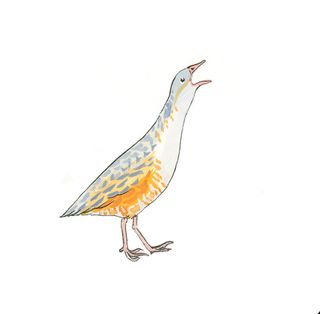
Corncrakes | The future of corncrakes is literally in the hands of the four women who work in the shop and café of the Welney Wetlands Centre, according to a feature in the Times. The team have been caring for 100 “cheeky” corncrake chicks at a conservation project taking place in Norfolk – a significant number, given that just 870 calling males were recorded last year across the whole of the UK, most of them in the Outer Hebrides. The birds have now been released to attempt migration to sub-Saharan Africa; the “surrogate corncrake mums” are awaiting early summer to see whether they safely return.
Further reading:
- Tim Bonner, chief executive at Countryside Alliance, has written of his dislike for rewilding in the Daily Mail.
- The Woodland Trust has revealed its nominations for this year’s Tree of the Year. Which are you rooting for?
- Wild Justice has found lead-contaminated game meat for sale in Sainsbury’s.
- Scotland’s Young Crofter of the Year has warned that the tradition faces extinction as thousands of acres of land are sold for housing or tourism.
- Defra has provided an update on how the Sustainable Farming Incentive will develop, following criticisms last week.
- Ludovico Einaudi – the most streamed classical artist of all time – speaks about the connections between music, nature and wellbeing in Country Living.
- The Times profiles Sylvia Earle, the 86-year-old queen of marine conservation.
- Eating wilder meat could help tackle climate change, writes commentator Miles King in his blog.
- We covered the impacts of Storm Arwen in last week’s newsletter; but the Times has another feature on the tree damage which is worth a read.
Happy days
Art | The BBC has a short broadcast feature on “Nature Banksy” Tanya Hinton, who has been transforming boarded-up buildings in Warminster in Wiltshire with paintings of birds and animals. The project began in lockdown, and there are now more than 100 paintings across the town.
Subscribe to our newsletter
Members receive our premium weekly digest of nature news from across Britain.
Comments
Sign in or become a Inkcap Journal member to join the conversation.
Just enter your email below to get a log in link.