Welcome to Ground Cover, our roundup of news, science, reports and features. Here’s what you’ll find in this week’s edition:
- National: Headwaters, royal land sale, habitat creation statistics.
- Local: Kentish milkwort, warehouses vs. trees, rainforest nursery.
- Reports: Pheasants in woodland, climate adaptation, farming.
- Science: Historic tree maps, moorland burning, medieval weirs.
- Driftwood: Beavers, nature connection, Chelsea Flower Show.
🎁 An exciting development this week: you can now give a gift subscription. Click here to share Inkcap with a friend.
This newsletter is (partly) behind a paywall.
Sign up for a free trial to read the whole thing – or subscribe now.
National news
Water | A £7.7m initiative, launched by the Freshwater Habitats Trust and Anglian Water, will target an overlooked place of pollution: England’s headwaters. These small streams are critical in supplying clean water to downstream waterbodies and supporting wildlife, yet they are weakly protected and largely absent from national assessments. The Headstart programme will begin with six catchments across England, in partnership with six water companies. It aims to deliver rapid improvements by updating small wastewater treatment works, restoring wetlands and ponds, and working with farmers to reduce diffuse pollution. Separately, the Times reported that pollution from the water industry in 2025 was on par with the worst year on record – 2024 – despite better weather, according to an unpublished government assessment.
Royalty | Prince William will sell a fifth of the Duchy of Cornwall over the next ten years and invest the profits into tackling the housing and nature crises. The 54,000-acre private estate includes holdings in 21 counties and provides the majority of the Prince’s £20m annual income. Will Bax, chief executive of the Duchy, said William decided the duchy ‘should first and foremost exist to have a positive impact on the world.’ William plans to invest £500m, including £20m for environmental recovery schemes. The Duchy will also work with partners to leverage more than £200m into wildlife projects. The Times and BBC reported the news. Separately, an oyster farm on the River Avon is being shut down after the Duchy said it does not want Pacific oysters, classed as invasive, farmed on its land, reports the BBC.
Habitat | Defra and Natural England have published their annual report setting out progress toward the Environment Act target of restoring or creating more than 500,000 hectares of wildlife-rich habitat by 2042. Progress has accelerated: more than 77,000 hectares have been restored across England since January 2023 – nearly double last year’s figure. A blog by data scientist Alice Howard breaks down the details. For the first time, the report includes a map showing the distribution of habitat creation, providing better insight into connectivity. Howard writes that, while ‘there is still much to do’, the evidence shows that restoration is ‘well underway’ and ‘consistent with expectations’ to meet the target by 2042. ENDS reported the news. Separately, Labour is set to adopt one of the world’s most ambitious climate targets, reveals the Times: an 87% reduction in carbon emissions by 2040.
In other news:
- Researchers are using satellite data and AI to build detailed pictures of hedgehog habitats in a bid to slow their decline, reports the BBC.
- The number of trains colliding with deer has risen dramatically, now averaging more than one collision per day, reports the Times.
- The area of land farmed organically in the UK increased by 7.3% last year, partly due to the price of imported fertiliser, reports the Times. Meanwhile, some farmers are using drones to spread seaweed on their crops, reports the BBC.
- Homes England, the government’s housing agency, has signed up to the Homes for Nature commitment, which sets nature-friendly design requirements including bird-nesting bricks. Public Sector News and ENDS reported the news.
- The Scottish Wildlife Trust is recruiting a new grey squirrel control officer to help save red squirrel populations, reports the Herald.
- The government announced 13 new bathing sites across England as outdoor swimming season started last Friday. However, 12 out of 14 inland river sites have signs warning about pollution, reports the BBC. The Times also covered the news.
- Data from the British Trust for Ornithology shows that the number of migratory birds fell last year despite a warm spring, reports the Guardian.
- The Woodland Trust has a blog on what the Scottish election results mean for trees, woods and nature.
- A report by the WCL outlines the harmful effects of pet flea treatments on wildlife. The Guardian covered the findings.
- More than 40 activists have been arrested after a protest outside pesticide company Syngenta’s headquarters in Yorkshire, reports the Guardian.
Across the country
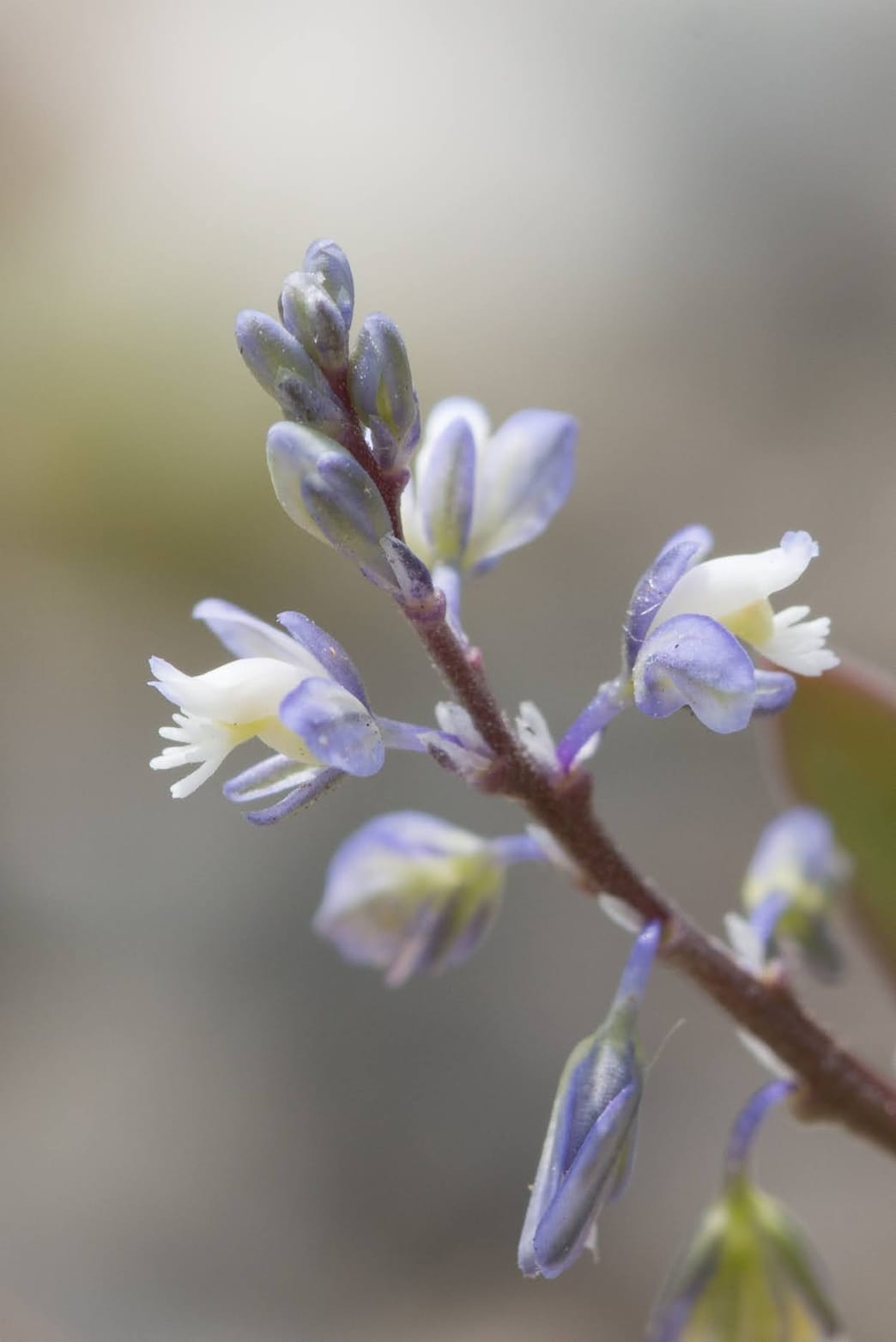
Kent | Kent Wildlife Trust is celebrating a sevenfold increase in Kentish milkwort after the rare plant nearly went extinct. The recovery follows more than a decade of conservation work: a project was established in 2013 after the species declined to a handful of plants across three sites in Kent. Seeds were carefully collected and cultivated at Kew Gardens, and in 2021, 17 plants were introduced to Queendown Warren, a chalk grassland where the species had been absent for over 50 years. Numbers rose slowly until last year, which marked a ‘dramatic turning point’ with 1,245 self-sown plants recorded, jumping up from 177 in 2025. The Trust said it hopes the population will eventually become a donor site and plans to introduce pigs to maintain areas of disturbed ground. The BBC covered the story.
Trafford | Residents of Carrington in Greater Manchester have expressed outrage over plans for a warehousing scheme which would uproot more than 10,000 trees. The development would build three warehouses across 30 hectares, of which around a fifth is established woodland. Planning officers have recommended that Trafford Council back the scheme, despite breaching local planning policy, because it would provide an estimated £100m economic boost and around 1,000 new jobs. The developer Wain Estates promised to create 30% biodiversity net gain, but critics said new habitat could take up to 40 years to become fully established, and called the plans a ‘complete betrayal’ of residents’ wishes. The Manchester Evening News and BBC reported the news.
Cumbria | A tree nursery has opened at Cumbria Wildlife Trust’s headquarters near Kendal, where seeds will be grown into the trees of a future temperate rainforest on Skiddaw, reports the Cumbria Crack. The nursery is part of a network supporting the Skiddaw Forest project, a 100-year vision to restore 3,000 acres of habitat, including 1,000 acres of peat bog and 620 acres of rainforest. The seeds have been collected from the ‘gnarliest, most weather-beaten local trees’, giving them the best chance of surviving the harsh conditions of the Lake District. The nursery is named after the comedian Victoria Wood, who died in 2016 and whose foundation funded the project. ITV featured the grand opening.
Elsewhere:
- Scientists have found high levels of toxic ‘forever chemicals’ throughout the marine food chain in the Solent. The Guardian and BBC covered the news.
- The Shropshire Mammal Group is using self-made monitoring boxes to track water vole decline, reports the BBC.
- Researchers at Southampton University are studying whether tree bark – which naturally accumulates airborne particles – could be used to monitor pollution, reports the Daily Echo.
- The Royal Borough of Windsor has introduced fines for carrying a catapult near the river after swans were attacked, reports the BBC.
- The Solent Seascape restoration project has released 20,000 native oysters into Portsmouth Harbour, reports the Portsmouth News.
- Alderney Wildlife Trust hopes that ‘awareness zones’ for watercraft users will boost puffin populations after thousands died in storms earlier this year, reports the BBC.
- The National Lottery Heritage Fund has awarded £225,000 to Yorkshire Wildlife Trust to make its four flagship nature reserves more sustainable and accessible.
- A sewage leak close to the Kenfig nature reserve in south Wales has ‘devastated’ aquatic life, reports Wales Online. Elsewhere, a Cornish farmer has been fined almost £4,000 after pollution killed 1,600 fish in the River Ottery, reports Cornwall Live.
- Paddleboarders and surfers have taken part in paddle-out pollution protests across the country, including in Norfolk, Tynemouth, Cornwall, Wales and Scotland.
- The King’s national coastal path, opened just weeks ago, is already under threat by development plans near Seaford in East Sussex, reports the Times.
- A landowner in Dalmally who felled over 60 ancient and mature trees has been ordered by the Scottish government to plant 1,472 trees, reports the Herald.
- A £1m project to restore coastal grasslands along the Durham Heritage Coast has been completed, reports the Northern Echo.
- The National Trust for Scotland has created new wetland habitat for endangered dragonflies at the 15th century Castle Fraser in Aberdeenshire, reports the Scotsman.
- Derbyshire Wildlife Trust has launched a pilot project using three pigs to graze its Lea Wood nature reserve.