This is Ground Cover – your weekly guide to British nature conservation. Read on for the latest news, science, reports and features. Not a member? Subscribe today.
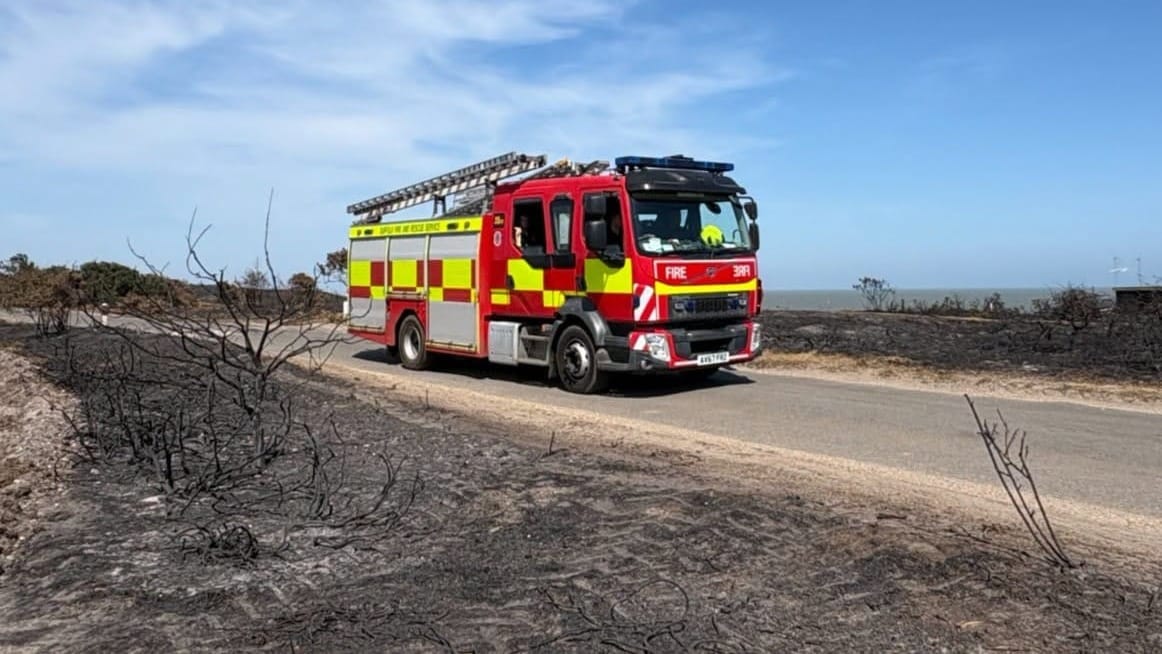
Part of my job is enticing people to read this newsletter. I normally do this by shouting about how interesting it is. And normally that is true. But even I will admit that recently things have been a bit... boring. Boring in a terrifying, panic-inducing, sense-of-impending-doom kind of way. Because it feels like all we have covered recently is HEAT and FIRE and DROUGHT.
I hate it because there is so much more we could be covering. I want to write about the science, discoveries and experiments that make British nature conservation so interesting. And I hate it because all these stories of heat, fire and drought seem to weigh in my stomach like lead. The threat this summer has felt more immediate than at any other point in my 13 years of climate reporting.
I hope these stories vanish soon. I hope the smoke clears and the ruined landscapes start to recover. But I also hope the feeling of dread stays put. We cannot, as a society, forget about all this until next summer. Climate change is a problem for all seasons, even when it's not literally burning down our doorsteps.
This week we also cover:
- A new nature reserve for Scotland
- The climate threats facing England's historic landmarks
- The meaning of 'irreplaceable'
- A history of UK forest restoration
National news
BBQs | Andy Burnham has promised the government will look at banning disposable barbecues during summer months, as wildfires continue to rage across the UK. This was the main outcome from an emergency Cobra meeting held this week in response to the heatwaves. Disposable barbecues pose a particular issue because they stay extremely hot for a long time, making them – ironically – difficult to dispose of. A number of large retailers have already voluntarily stopped selling the single-use grills. However, campaigners said the measures do not go far enough in the face of the climate crisis, with this summer on course to be the UK’s hottest since records began, according to the Met Office. Angharad Hopkinson of Greenpeace said that ‘Burnham has acknowledged the dangers of these conditions by convening Cobra; now he must match that urgency with a real long-term plan to end our reliance on fossil fuels.’ The news was widely covered.
Drought | Almost three-quarters of England is now officially in drought. The conditions are known as a ‘flash drought’, meaning it developed quickly because of very low rainfall and higher temperatures. Professor Liz Bentley, chief executive of the Royal Meteorological Society, said it is a ‘stark reminder that climate change isn’t just about rising temperatures – it’s making droughts develop faster and hit harder.’ The Guardian covered the news. Meanwhile, rivers, reservoirs and groundwaters have continued to decline, with 22% of rivers now classed as exceptionally low. Anglers and environmentalists warned that the soaring water temperatures and drought could spell mass fish deaths, especially for Atlantic salmon. More broadly, the world’s oceans hit their hottest ever recorded temperatures for July, reports the BBC.
Food | The grim heat-related news continues without relent. The drought is posing an increasing threat to national food production: many farmers have reported their earliest harvests in 20 years, with reduced yields. Some livestock farmers are using winter feed because the grass has dried up, while growers are struggling to access enough water. Previous NFU president Minette Batters called the conditions the ‘perfect storm’, while author and farmer James Rebanks wrote in UnHerd that both yields and morale are plummeting. Analysts Shore Capital warned that ‘the UK has not been so close to a food security challenge for many decades’, and called on the government to introduce a 25-year food strategy to increase resilience, reports the Telegraph. The government said it was considering more ways to support farmers. The Conversation discusses possible solutions.
In other news:
- Across England, 245 wildfires have been reported on Sites of Special Scientific Interest so far this year, reports ENDS, while Natural Resources Wales has warned that it could be hundreds of years before habitats destroyed by wildfires in Wales recover.
- A Senedd petition is calling on the Welsh government to deliver a televised briefing on the impacts of the climate and nature emergency, reports Nation Cymru.
- The Fire Brigades Union has called for more funding as the ‘unprecedented’ summer of wildfires puts pressure on already overstretched crews, reports the Guardian.
- More than 50 researchers have written to Miatta Fahnbulleh, the energy secretary, urging her to block drilling in the Jackdaw and Rosebank fields, reports the Times.
- In a piece of good news, there are signs that house sparrows are making a comeback in the UK after decades of decline, reports the Guardian.
You're a fifth of the way through.
Why are there bombs at Dunwich Heath?
When is nature considered 'irreplaceable'?
Are allotments or gardens better for pollinators?