This is Ground Cover – your weekly guide to British nature conservation. Not a member? Subscribe today.
I am surprised this newsletter has so many subscribers. It is depressing, to be quite honest. An endless stinking stream of awful news. A miserable end to your week.
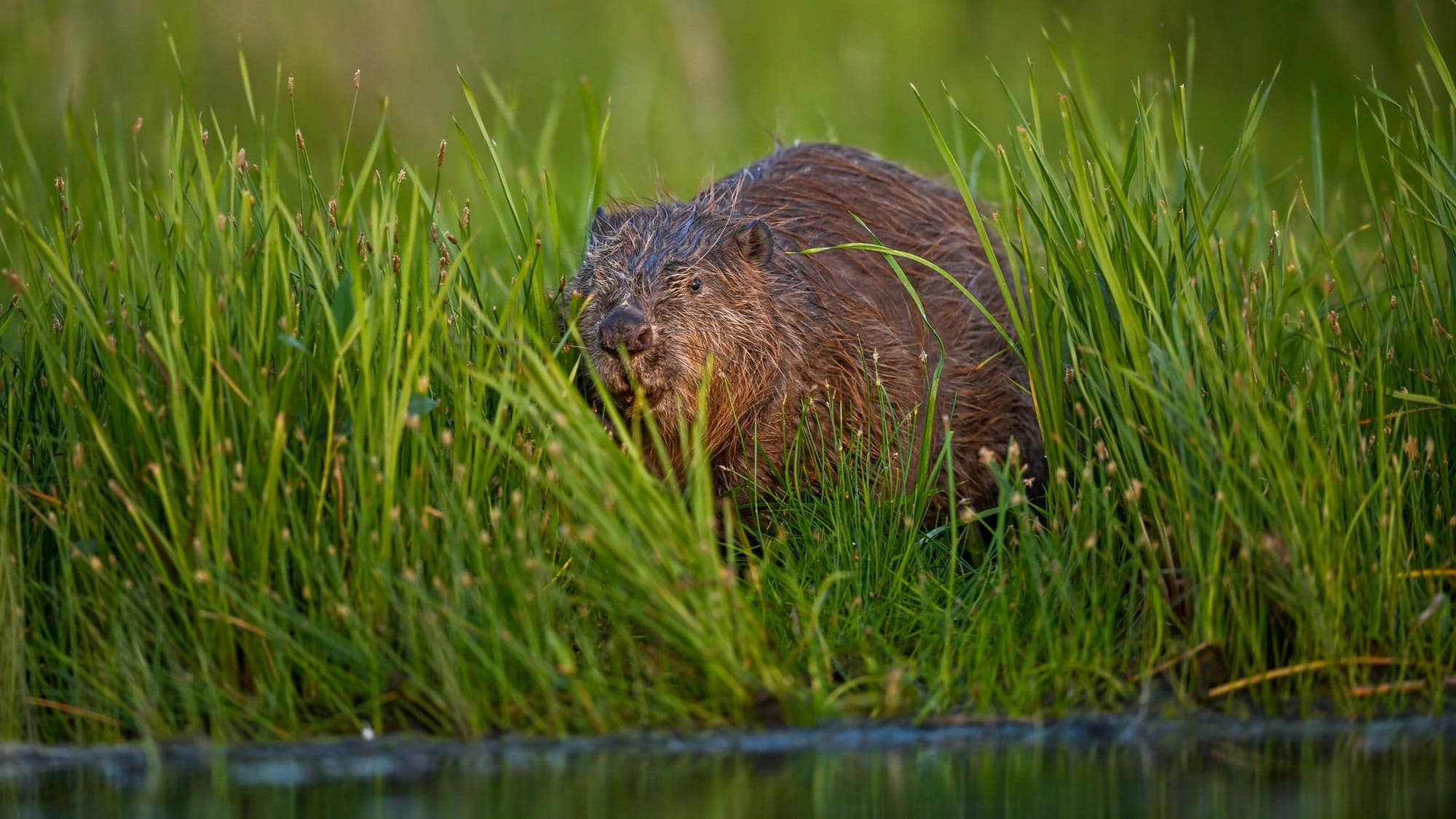
Not today! There are the usual downers, yes, but also an unusual number of reasons to celebrate. We have Beavers released from their fences, the expansion of Bison, a brand new rewilding project (at a castle!), a record year for Hen Harriers, massive woodland expansion in Scotland... The good news just kept rolling in.
People often ask me whether I feel hopeful about nature's future. It's a difficult question. There are too many glimmers to despair entirely. I've lately been interested in the idea of Positive Tipping Points – the idea that positive action can, at some point, become self-sustaining. Keystone species reintroductions are one that researchers have identified. It is surely a long and bumpy road to that point, but today's edition is a nice reminder of how far we have already travelled.
Other stories this week include:
- A scramble for farming funds
- The ecological impacts of gamebirds
- A new Wildcat strategy
- Sheep versus honeybees
National news
Farming | At 10am on Tuesday, Defra opened the second window of its Sustainable Farming Incentive fund – and by 4pm it had closed, just six hours later. In that time, all £233m of the 2026 budget was allocated, despite a £50m boost added in August. For many farmers, this was the first opportunity to apply for nature restoration funding since the scheme’s sudden closure in March 2025; the first window this year prioritised small farms and those new to SFI. Conservationists have criticised the ‘first come, first served’ approach, saying ‘thousands’ of farmers are likely to have been left disappointed. Vicki Hird from the Wildlife Trusts called the rush ‘shocking’, comparing it to ‘the scramble to get Oasis tickets’. The Guardian, BBC, Farmers Weekly and BusinessGreen reported the news.
We won’t be applying for this environmental scheme SFI
— James Rebanks (@herdyshepherd1) September 22, 2026
Because literally haven’t time to apply in what looks like to the two day period when the budget is going to vanish
Then farmers like us will be turned away from nature restoration support / it’s batshit crazy https://t.co/Lfk1bvZs6i
Politics | Ahead of the Labour Party Conference this weekend, research by conservation organisations shows that nature is a key political issue. Polling by the Wildlife Trusts revealed that, on average, the public think 61% of land in Britain should be protected for nature, yet the government has committed to protect just 30% by 2030. The research also revealed a gap between perception and reality: respondents thought around 31% was already legally protected, when it is currently only 11%. The Trusts also published an evidence report, drawing on more than 200 academic studies to demonstrate how more nature would improve public health, food security, community cohesion and more. Elsewhere, a report by More In Common found that 82% of Brits say nature and wildlife are personally important to them, yet only 32% believe nature is important to politicians. It describes nature as a ‘sleeping giant of an electoral issue’.
Inventions | The UK’s Advanced Research and Invention Agency (Aria) has announced 14 tax-funded projects to accelerate native species’ ability to adapt to the climate crisis. The brainchild of Dominic Cummings, Aria funds high-risk, high-reward technology projects. The teams will receive a share of £30m in grants over the next two years. Projects include gene-editing to make endangered Swallowtails more resistant to insecticides and accelerate climate adaptation in long-lived trees such as oaks. But the use of powerful biotechnology is not without controversy. At the IUCN congress last year, more than 90 NGOs raised concerns that such techniques could irreversibly alter natural systems with unpredictable results. The Guardian reported the news.
In other news:
- The weather has turned rainy, but England is still in drought, with the government suggesting the impacts on wildlife may continue for years to come.
- A new government levy to unlock housebuilding in Norfolk – the first in its Nature Restoration Fund – amounts to ‘cash to trash’, reports the Guardian.
- A forecast Super El Niño could disrupt the supply of many British food staples, reports the Observer. Ed Miliband warned foreign ministers of a coming crisis during the UN General Assembly in New York this week.
Ground Cover keeps you informed.
All the news on British nature – delivered every Friday.