This is Ground Cover, a weekly digest of British nature news. Subscribe today.
After pressing send, my family and I are going to rush to the car and drive the six hours to Cardiff, where my mother is getting married tomorrow.
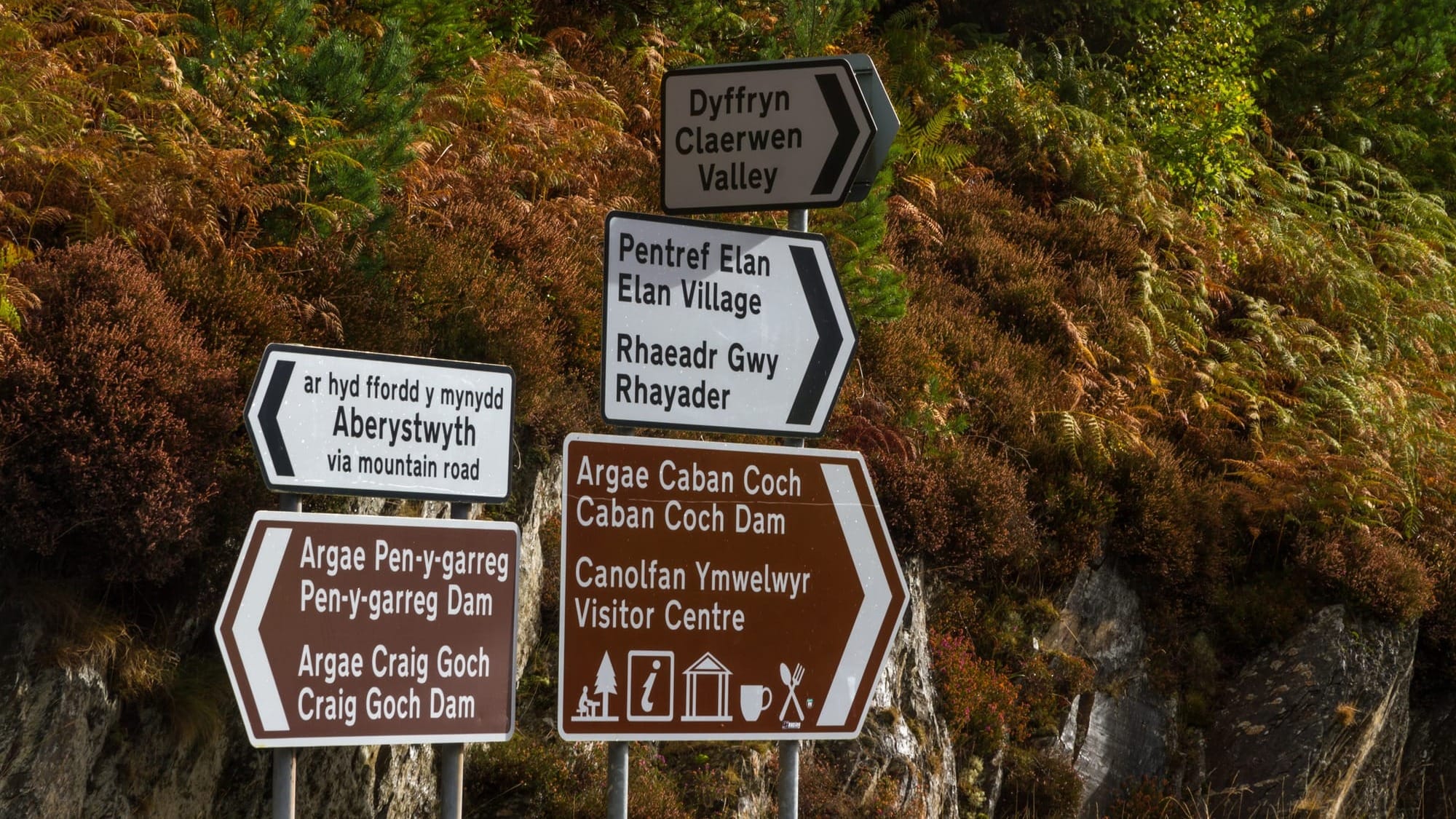
At some point on the road, signs will stop making sense to me. Like most of my Cardiff-born friends, I do not speak Welsh. It has long felt like a cultural loss; now, it turns out, it may hinder my connection to nature, too. New research, covered in today's newsletter, suggests that those who speak Welsh are more in tune with the natural world than their English-only neighbours.
Nowadays, living outside of Wales, I doubt the findings apply so strongly to me: I am no longer surrounded by the names and linguistic cues that perhaps give rise to this phenomenon. Nonetheless, it's an interesting reminder of the role that language plays in mediating our relationship with place.
This week, we also cover:
- All the news around COP17
- Tower Mustard reintroduction
- Ice Age fish (with an interactive map)
- Council tax and meadows
A reminder that the Wildlife Trusts are in their final week of fundraising for the Rothbury Estate. We are still offering half price membership to anyone who donates: just forward your receipt to editor@inkcap.co.uk and we will send you the code.
National news
COP17 | The biennial summit of the UN’s Convention on Biological Diversity opened in Yerevan on Monday. It comes at a critical halfway point in efforts to halt and reverse nature loss by 2030, as agreed by 196 nations at a previous summit in 2022. Running until 30 October, COP17 will assess progress towards these targets for the first time – more on that in Reports. According to the UN, this COP is about ‘moving from promises to delivery’ and securing the finance to make it happen. The UK government announced that it will reallocate £1.5bn of its £6bn international climate finance budget to nature, report Carbon Pulse and BusinessGreen. Scientists from Kew Gardens are attending in hope of promoting greater recognition of fungi – a feature in CBC highlights the absence of this kingdom from the agreement. The Guardian has a helpful explainer, while Carbon Brief published an interactive tracker of negotiating texts.
Children | The Princess of Wales has commissioned new work exploring how nature can help babies and young children develop the social and emotional skills that underpin lifelong wellbeing. The Centre for Early Childhood, which Catherine set up in 2021, will lead the project, alongside the Duchy of Cornwall. Academics, early years practitioners, charities and environmental organisations will also contribute. New polling reveals that 84% of parents agree that time in nature supports their child’s wellbeing and development, but only 33% said their child spends time in nature every day. ‘Nature is such an extraordinary environment for us all and, in this tech-driven, digital age, spending quality time outdoors has never been more important,’ the Princess said in a video message. The Times, Independent, ITV and BBC covered the news.
Farming | The government knew its fund for nature-friendly farming subsidies could run out in a single day, according to documents obtained by Farmers Guide. Forecasting by Defra earlier this year warned that high demand for the Sustainable Farming Incentive could exhaust the £233m budget within hours – and that turned out to be exactly what happened. It also emerged that almost 3,000 applications had been started but not submitted when the fund closed after just six hours. Some farmers have said they will now have to ‘plough from hedgerow to ditch bank’ to maximise yield. Paul Kissack, Defra’s permanent secretary, defended the department, saying that demand had rocketed in recent years, and that ministers are considering an alternative approach for next year. The Times, Financial Times, FarmingUK, and BBC covered the news.
In other news:
- With the Autumn Budget scheduled for Wednesday, the RSPB is urging the chancellor to allow borrowing to unlock greater investment in nature. RSPB Cymru is also calling for more investment in Wales’ next budget.
- Defra is seeking evidence on seal disturbance with a view towards new regulations.
- The OEP is seeking examples of the barriers blocking nature restoration.
- The Scottish government is consulting on giving communities more say in land reform.
- The government has held its first Climate and Nature Security Taskforce meeting, featuring experts from security, military, academia and industry.