This is Ground Cover – your weekly guide to British nature conservation. Not a member? Subscribe today.
It has been a fishy week at Inkcap HQ. Our top story is an update from the Marine Conservation Society on what fish to avoid eating. What really captured my attention, however, was a new study of recipes in Good Housekeeping magazine, looking at how tastes have changed since the 1920s.
I count historical cookery among my hobbies. I have spent many an hour keeping half an eye on my kids while browsing Dorothy Hartley's Food In England. I've always felt like old cookbooks offer an insight into lost ecologies and ways of engaging with the natural world, but have never quite been able to put my finger on how. To see an academic paper on this topic was genuinely exciting for me.
Anyone out there share this niche interest in old cookbooks and nature? Get in touch: I would love your recommendations for what to read (and cook) next.
Also in the newsletter this week, we have:
- Bad news for Wales' new national park
- Good news for organic farming
- A vision for England's rivers
- Who grows Britain's landrace crops
And much more. As ever, you can subscribe to read the whole thing – it works out at a meagre £1 per week, and provides vital support for our journalism.
National news
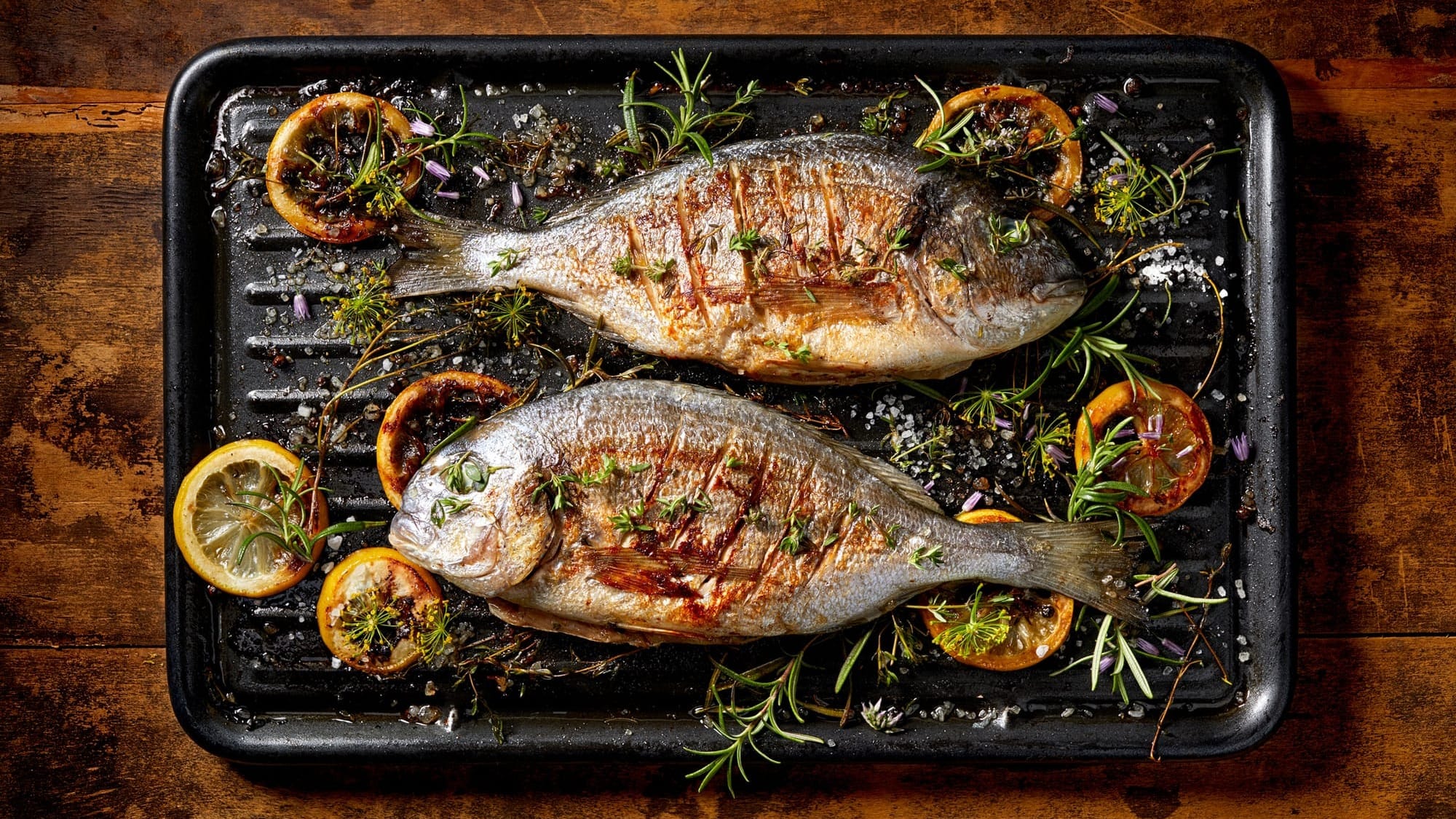
Seafood | Atlantic Bluefin Tuna caught in UK waters is now rated green in the Marine Conservation Society’s Good Fish Guide. The species has returned following years of conservation efforts, appearing in such numbers that it is now considered ‘best choice’ in sustainability. North Sea Herring, whose numbers crashed in the 1970s because of overfishing, has also moved from amber to green. However, some Hake has been downgraded from green to amber, and UK-caught Coley from amber to red. Both species are commonly seen as a sustainable replacement for Cod – a species which broadly remains on the red list. So what should we be eating instead? ‘Swap cod for sea bass,’ says Brooke Schlipf of the MCS, and try eating lesser-known species. The Guardian and the Times covered the news. Separately, an investigation in the Observer looks at the ‘ruinous cost’ of supposedly sustainable salmon farming.
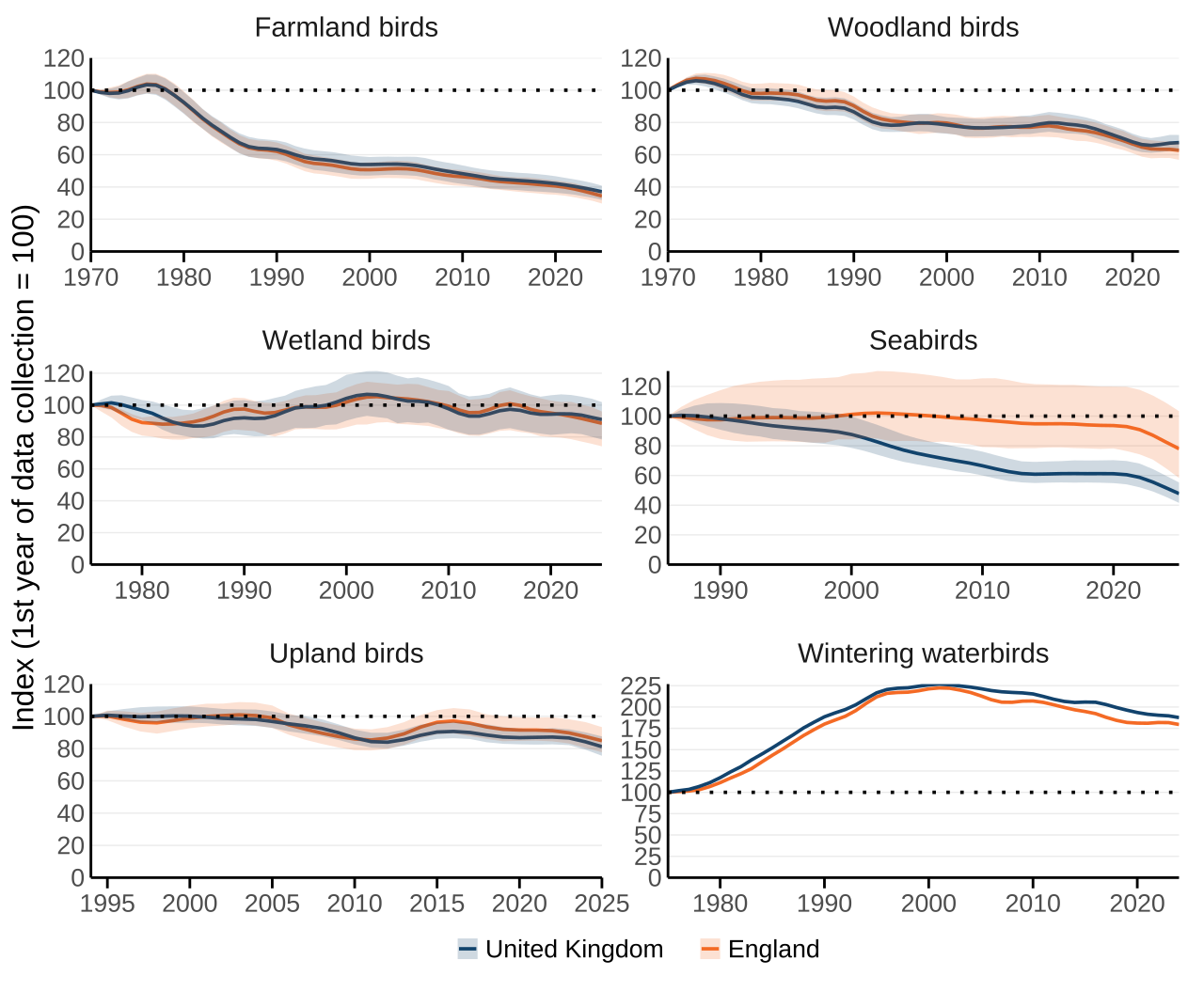
Birds | Breeding bird populations in the UK have fallen by 19% since 1970, according to Defra’s wild bird statistics. Most of this decline occurred between the late 1970s and early 1990s, but the report notes ‘a renewed downward trend’ since the mid-2010s. Farmland birds and seabirds have fared particularly badly, down by 12% and 22% respectively since 2020. The worst-hit species – Turtle Dove, Capercaillie, Willow Tit, Grey Partridge, Tree Sparrow and Spotted Flycatcher – have fallen to less than a tenth of their 1970 numbers. Causes include farming, bird flu, deer browsing, wetland drainage, sheep grazing and upland game management. But not all birds are doing badly: 33% of species have increased since 1970, with Red Kite, Avocet and Buzzard among those bucking the trend. The Guardian covered the news.
Drought | The weather is turning colder, but England remains parched. This week, the government declared severe drought across areas of Cornwall, Devon, Dorset, Somerset and East and West Sussex. This means that the government will now take proactive steps to safeguard water before any disruption occurs: this will include instructing water companies to conduct daily monitoring of reservoir and river levels, alongside tougher water quality monitoring. Yorkshire also entered drought status last Friday. The news was widely covered by publications including the Telegraph, the Guardian and the BBC. Separately, the government announced the creation of a new taskforce to boost Britain’s resilience to both flooding and drought, while the Guardian reported that three water companies are seeking to bar businesses such as golf clubs from non-essential water use due to the ongoing shortages.
In other news:
- Defra is urging bird keepers to strengthen biosecurity measures as migratory wild birds return to the UK, bringing a heightened risk of bird flu.
- Ivy and hogweed attract more pollinating insects than any other flowers, according to UK Pollinator Monitoring Scheme counts, reports the Guardian.
- Sgiath, a Scottish dog believed to be the world’s first trained to sniff out the invasive ‘sea vomit’ sea squirt, has received an international prize, reports the Herald.
- The government has refused to set a timeline for partly lifting the Land Registry paywall, something it promised in March, reports the Guardian.
- The Environment Agency has found that climate change could increase the risk and impacts of many invasive freshwater species in England, as their ranges expand in milder winters.
Ground Cover keeps you informed.
All the news on British nature – delivered every Friday.