Ground Cover is our weekly roundup of everything that matters for nature in Britain. Become a member to read every edition in full.
At Inkcap, we are interested in conservation stories both big and small. This week's edition exemplifies that more than ever.
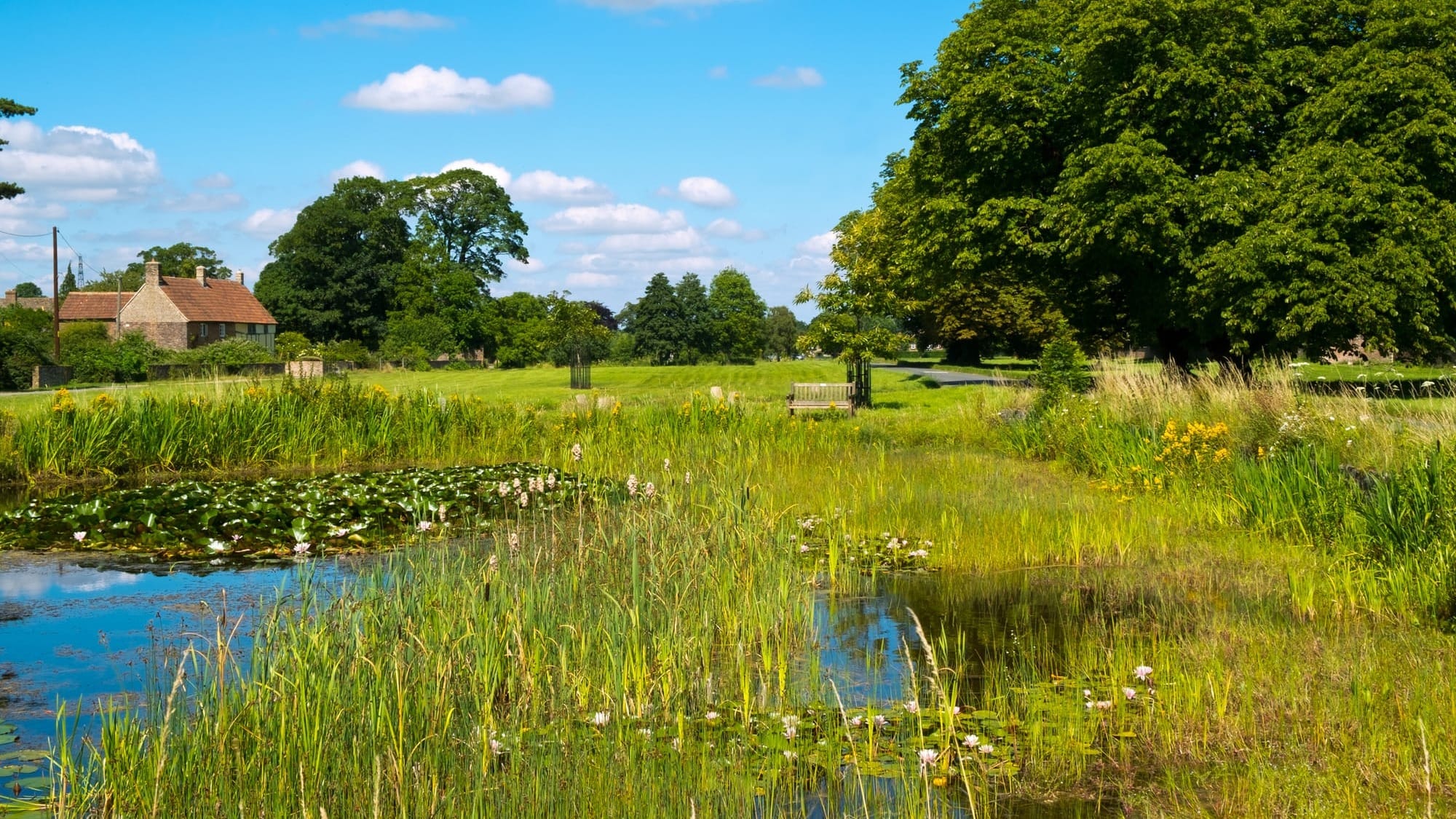
Who among you loves village greens? I certainly do. The village where I grew up centred on the green, with its cast-iron water pump, its fêtes and its war memorial: exactly the kind of place that The Kinks were singing about in the 1960s.
I left as a teenager and have never been back, which may be why I am misty-eyed about it now. Either way, I was pleased to find such a rollercoaster of village green-related news this week, proving that a) I am not the only one who cares about such places, and b) these little patches of green really do matter for nature.
And the BIG conservation news? It's probably quite predictable. Even so, I'm thrilled. Both stories are in the Across the Country section below – read on to find out more.
National news
Budget | The Autumn Budget, delivered on Wednesday, promised ‘breathing space’ – but not, it turned out, for nature. The natural world received little attention from the Chancellor, whose headline move was to remove Biodiversity Net Gain requirements for residential developments up to 1.5 hectares on brownfield land, on the grounds it would make building ‘cheaper and simpler’. The reaction among NGOs was one of universal disappointment. Richard Benwell of WCL estimated that the move could cost nature £87m, while the Wildlife Trusts said that it would disproportionately reduce access to nature ‘in the communities that need it the most’. Farmers were also unimpressed with the Chancellor’s promises. Ahead of the Budget, the Wildlife Trusts highlighted a £2bn shortfall in funding for England’s Environmental Land Management schemes and Sustain urged greater long-term clarity on available funding – but to no avail. NFU president Tom Bradshaw said it had ‘left farmers feeling abandoned.’
Fire | The government will draw up England’s first Wildfire Action Plan following a wildfire summit held by Andy Burnham last week. Among the measures announced, £25m will go to a new grant scheme to restore peatlands, including upland peat, which was excluded from recent funding. The Wildlife Trusts welcomed the news, warning that the upcoming closure of the existing peatland grant scheme would otherwise have forced some partnerships to abandon plans to restore 10,000 hectares a year. Farmers will also be paid to dig ponds and clear flammable vegetation, and a new AI unit will help spot fires faster. In Wales, a separate summit agreed to review how land management can help prevent wildfires, and to set up a register of farmers and landowners willing to provide firefighters with equipment and local knowledge, according to the Welsh government. Farmers Weekly and Nation.Cymru covered the news.
Land | The government has launched a consultation on plans to open up the Land Registry, which could end centuries of secrecy shrouding land ownership in England and Wales. A new public dataset would name the owners of up to 95% of registered land, including large estates, moorland and woodland but excluding almost all homes. The plans follow a commitment in the government’s Land Use Framework, published in March, and more than a decade of campaigning by Guy Shrubsole and others. Knowing who owns land could help farmers and landowners create wildlife corridors and restore nature, swimmers and kayakers gain access to rivers, and communities buy land, Shrubsole writes in West Country Voices. His piece explains the consultation in full and how to respond before it closes on 22 December. Get in there quick: he also warns that the plans ‘could still be scuppered by big landowners.’ The Guardian covered the news.
In other news:
- At COP17, the Scottish government announced £1.35m for nature recovery, including river restoration, deer management support and the creation of urban meadows.
- A new assessment of climate risks in North Wales has identified 17 threats that need urgent action, including flooded homes, reports North Wales Live.
- Inflexible agricultural policies are holding back Welsh farmers as they adapt to climate change, according to a government report, writes Farmers Weekly.
- The Office for Environmental Protection has warned there is little evidence that Natural England’s plan to offset the impact of new housing in Norfolk will protect nature.
- Nature loss could put 20.6 million UK jobs at risk, according to new data from Global Canopy.
- A new policy paper from Defra sets out plans to draw more private investment into local nature recovery.