Ground Cover is a weekly roundup of everything that matters for nature in Britain. Become a member to read every edition in full.
I didn't go trick or treating with my children this year. Instead, I spent last weekend in the Lake District, celebrating my second wedding of October. It was a gorgeous day, but I feel somewhat Halloween-starved as a result.
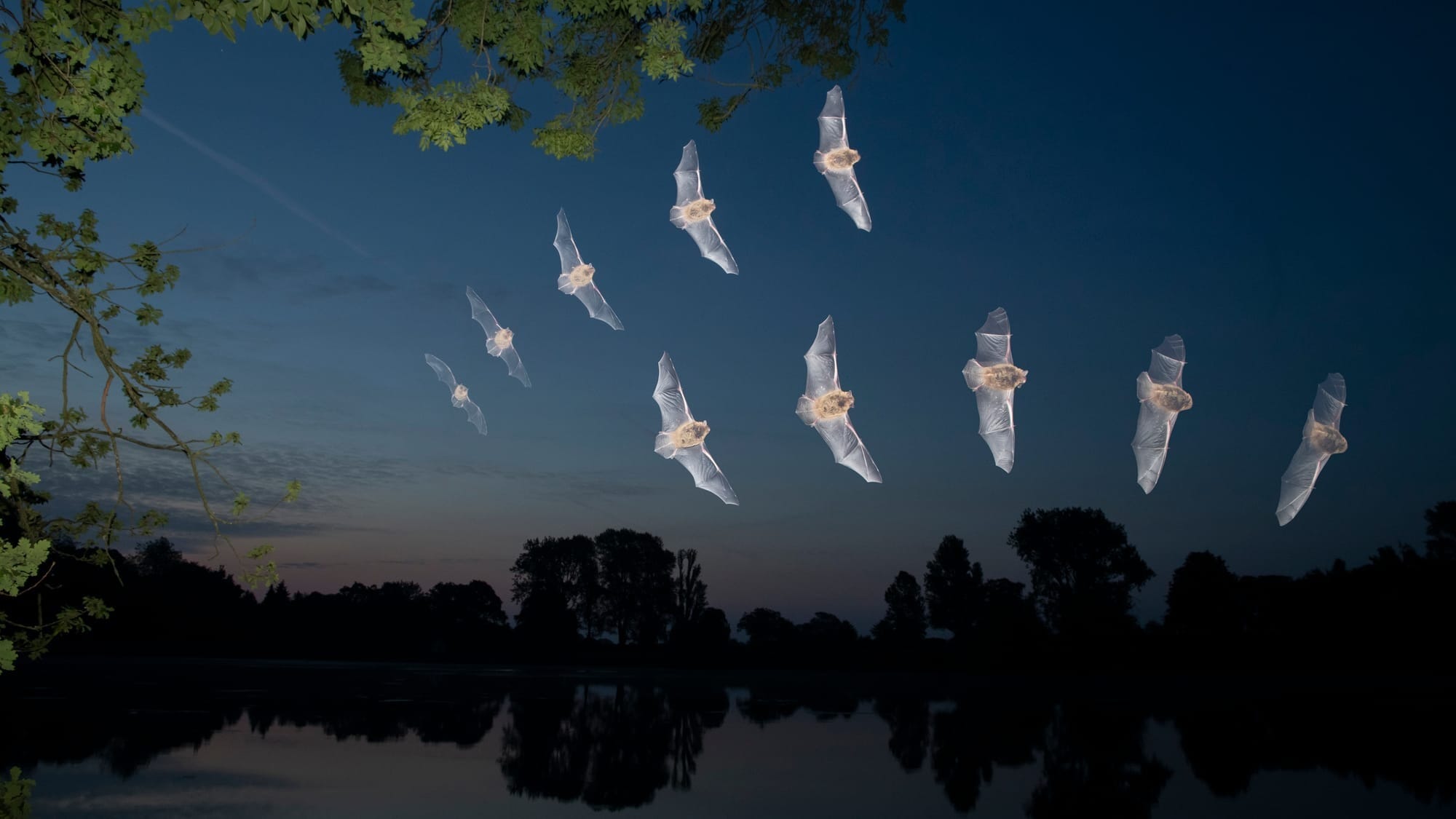
To compensate, I've tried to make this edition as spooky as possible. We have bats. We have pumpkins. I've even shoehorned in references to the Loch Ness Monster and Little Shop of Horrors.
We also have the usual horrors that inevitably come inside a weekly digest of nature news: Google threatening to destroy a precious wildlife site and the theft of a really rare ant nest. (I hope the thieves are having regrets.)
National news
Lynx | Former environment secretary Emma Reynolds rejected the most ambitious proposals, put forward by Defra last year, to reintroduce lynx and bison to Britain, according to emails released to the Times following an FOI request. These included new feasibility studies and reform of the Dangerous Wild Animals Act so that certain species could be released ‘for conservation purposes only’. Instead, she backed more modest ideas, such as ‘comms opportunities’ on species already reintroduced. Kevin Cumming of Rewilding Britain said the government was ‘missing an opportunity to help restore Britain’s depleted ecosystems.’ Separately, the High Court has dismissed a challenge from the Lynx UK Trust, which wants to release lynx into Northumberland – the latest in a long series of rejections dating back to 2018. Read more analysis from Landmark Chambers, or the judgment itself.
Water | The government has announced eight regional water councils for England, giving local leaders, customers and businesses more say in how water companies tackle sewage and improve water quality, as well as flooding and drought. Water decisions are currently taken nationally, though communities face very different challenges. ‘For the first time, local people will have a real say over what they need from their water company,’ said prime minister Andy Burnham. The Wildlife Trusts said the plan ‘could finally turn the tide on our polluted rivers’, and called for water companies to have a primary purpose of contributing to nature recovery targets, and to become public co-operatives if they fail. Richard Benwell of WCL said the councils must have the powers and funding to deliver on their potential.
COP17 | The UN’s biodiversity summit ended on 31 October with countries admitting they are off track to meet the 2030 nature targets agreed four years ago, reports the Guardian. The world is behind on 22 of the 23 targets: the UK itself is on track to meet just three. Countries agreed a roadmap to speed up action and pledged nearly $2bn in new funding, according to Defra. The UK committed £38m of international nature funding from its aid budget. But largely, on finance, the world fell short: developed countries have missed a goal of raising $20bn a year for nature by 2025, with many diverting aid to defence budgets, reports the BBC. There are growing calls to reform the summits, where decisions need the agreement of every country. ‘A lot of what’s going on out here at the COP is just a bunch of baloney and beautiful speeches and BS,’ said Panama’s environment minister, Juan Carlos Navarro. Carbon Brief has all the details.
Want more? Subscribe to unlock the whole edition and stay scarily informed on nature in Britain.