This is Ground Cover – your weekly guide to British nature conservation. Read on for the latest news, science, reports and features. Not a member? Subscribe today.
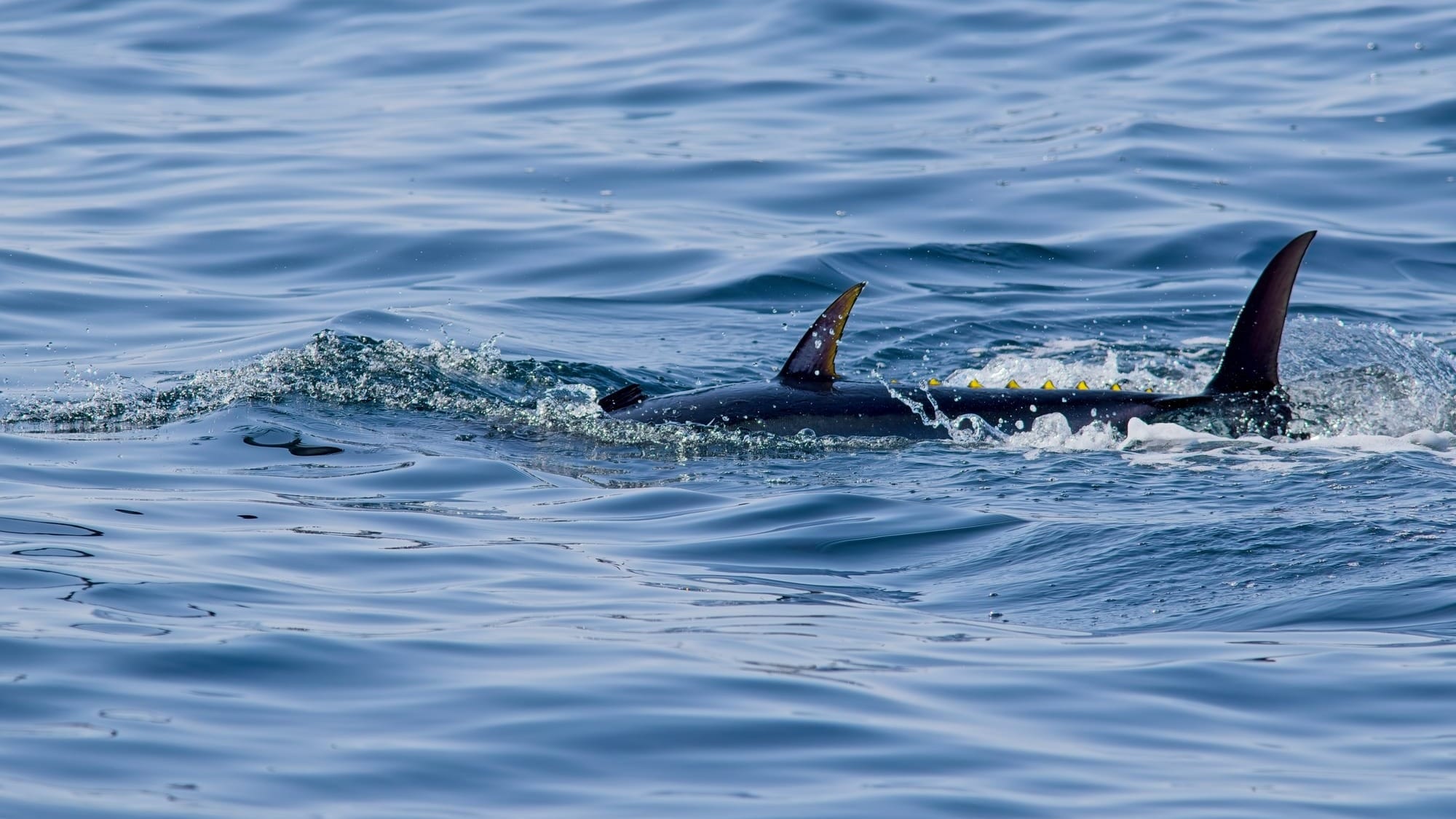
I spent yesterday morning feeling puzzled. The newspapers were universally celebrating. Off the coast of Whitby, fishermen had landed two bluefin tuna – a species that disappeared in the 1960s due to overfishing and now, it seems, has returned to the North Sea. A picture in the Guardian showed the dead fish suspended by its tail. The headline described the catch as a 'success story'.
The reporting clashed with my expectations. It seemed uncharacteristically macho: the celebration of a successful hunt rather than the tentative return of a magnificent fish. It certainly clashed with the paper's own column by George Monbiot, who in 2024 attacked the government for granting commercial fishing licences after tuna returned to the southwest. Why, I wondered, were the newspapers celebrating what they had once reviled? Were the Yorkshire tuna a victim of the north-south divide? Had the media been hijacked by fishermen?
But I am also aware that conservation is rarely simple. To understand the real story, I spoke to Dr Lucy Hawkes, an ecologist at the University of Exeter, who has been studying and tagging these fish. Our conversation, edited for brevity, is included in this week's newsletter. It helped me to understand some of the nuances of marine conservation, and I hope it sheds some light for you, too.
Also included in this week's edition of Ground Cover:
- Pine marten reintroduction
- Re-thatching Shakespeare's Globe
- Climate's influence on ocean temperatures
- A not-so-green and pleasant land
- Rare moth discovery
National news
Wales | The Welsh government has started work on Wales’ first Climate and Nature Action Plan, which promises to address climate change and nature loss together, rather than as separate issues. It aims to chart a path to net zero by 2040 – 10 years ahead of England – and to ‘substantive nature recovery’ by 2050. The plan and its delivery will be led by a new Climate and Nature Board. The government said it would help Wales respond to ‘impacts people can already see and feel’, including wildfires, pressures on food and farming, polluted rivers and declining wildlife. RSPB Cymru and Natural Resources Wales welcomed the news, with both highlighting the importance of treating climate and nature together. Nation.Cymru and Wales Online reported the news.
Farming | Andy Burnham has announced a £65m funding boost to support farmers feeling the impacts of drought. The announcement follows criticism from more than 50 environmental organisations, which accused Burnham of ‘remaining silent’ on the climate crisis amid wildfires and heatwaves. The funding will help farmers get water to crops, feed livestock where grass has failed, and continue payments for environmental activities made ‘impossible’ by the dry conditions. The majority (£50m) will be channelled through the Sustainable Farming Incentive, with the remaining £15m earmarked for building reservoirs. Burnham said: ‘Farmers are at the sharp end of a changing climate and they should not be carrying that risk alone.’ The Wildlife Trusts said the funding is ‘positive’ but that lasting resilience would require ‘sustained investment’. The news was widely covered.
Wildlife | As temperatures begin to drop, nature experts have warned of the ‘lasting harm’ of this summer’s drought and heatwaves on wildlife. Rescue centres have reported an increase in calls compared with seasonal averages, with various creatures suffering from dehydration and heat exhaustion. Hedgehogs and owls are two of the worst affected species. Meanwhile, the Woodland Trust said that trees – particularly ancient specimens – are struggling from drought stress, with many experiencing an ‘early autumn’ phenomenon. In north Wales, a marine heatwave has devastated a seagrass planting site. The first meaningful rain fell this week, which has provided some relief for thirsty wildlife – but even heavy rain will not reverse the effects of drought, according to the Guardian. A commentary in the Times laments the government’s focus on the impact on people, rather than the devastating effects on wildlife, while the Independent and the Conversation paint grim pictures of how extreme heat in the future will change the British landscape and wildlife, respectively.
In other news:
- The government has published its revised National Planning Policy Framework. CPRE warned that it puts the Green Belt and other protected landscapes at risk. RSPB chief Beccy Speight said it shows that ‘nature recovery only matters when it is convenient.’
- Reform’s deputy leader, Richard Tice, prompted backlash by telling people to ‘enjoy’ heatwaves, reports the Guardian.
- Campaigners have suggested the government is ‘irresponsible’ for refusing to publish the emergency drought plans produced by water companies, reports the Guardian.
Across the country
Whitby | Fishermen caught two bluefin tuna off the coast of Whitby – the first time that the species has been landed in the area since 1939. During the interwar period, the big-game tuna fishery attracted Hollywood stars and aristocrats to the Yorkshire coast, but the species vanished during the 1960s as commercial fishing intensified. However, thanks to careful management and the impacts of climate change, bluefin are now returning to British waters. Each year, a handful of vessels are granted permission by Defra to catch and land a small quota of fish for the market – and this week marked the first successful licensed catch in the North Sea. The news was widely covered.
While some researchers celebrated the resurgence, others questioned whether the species should be targeted so early into their recovery. In the Telegraph, Sam Carlisle wrote about the importance of ‘enough tunny in the sea for the next generation of fishermen’.
All the news on British nature.
Subscribe now to unlock the rest of this newsletter, including our interview with Dr Lucy Hawkes on the relationship between science and fishing.