Welcome to Ground Cover, our roundup of news, science, reports and features. Here’s what you’ll find in this week’s edition:
- National: White Storks, King's Speech, tree equity.
- Local: Eagles at Exmoor, Wicken Fen, choughs at Tintagel.
- Reports: Pesticides, political reset, seabirds and windfarms.
- Science: Temperate rainforest, lynx attitudes, weeds.
- Driftwood: Bayeux tapestry, bog aesthetics, deep earth.
National news
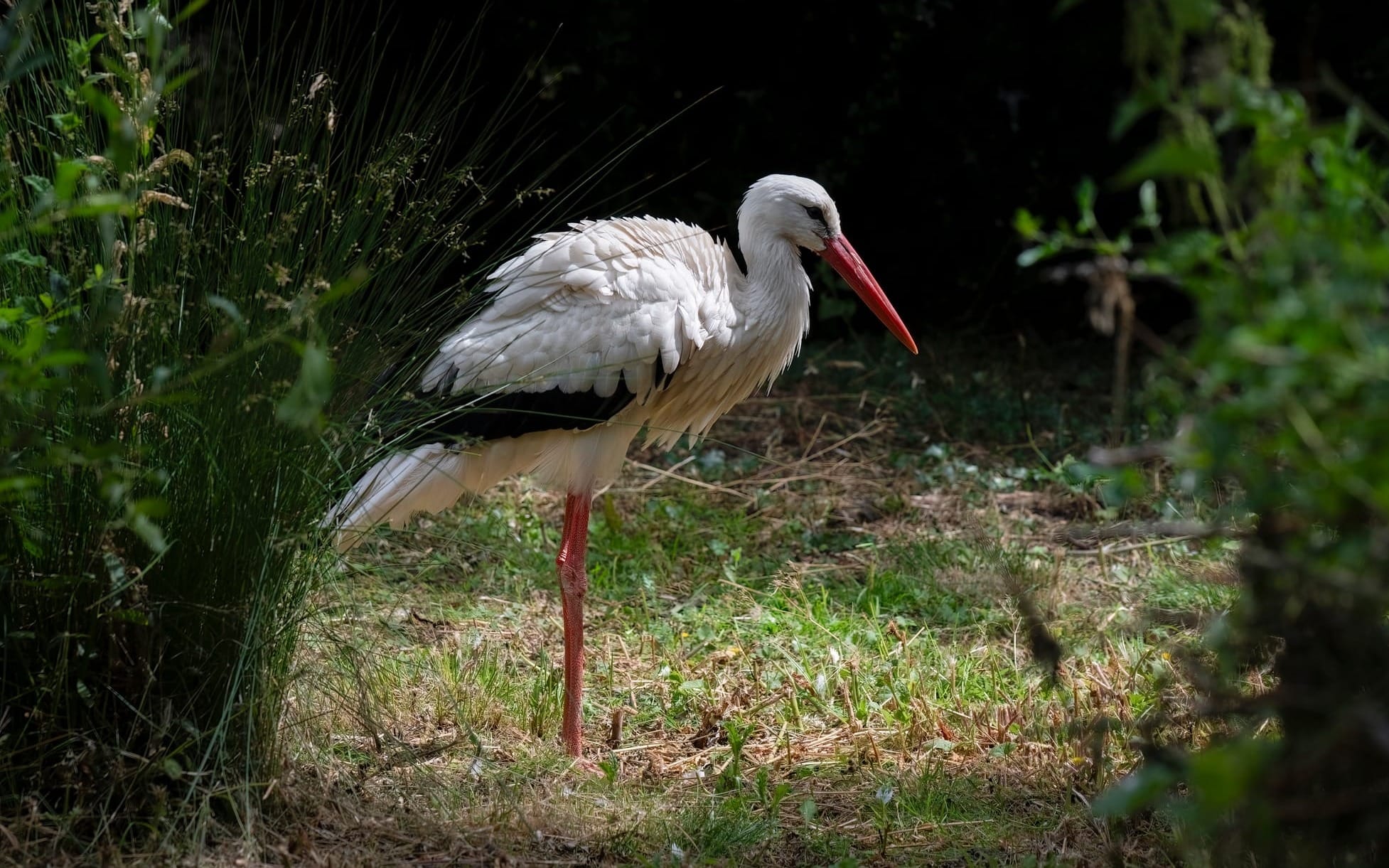
Storks | Natural England will not prioritise the reintroduction of White Storks, citing doubts over whether the species should be considered native to Britain. A licence is not required for releases, as the birds are classed as regular visitors, and projects across England have already established – or are planning to establish – breeding populations. But these initiatives raise ‘challenging questions’ for conservationists, the agency wrote in a blog post, noting that white storks are rare in the archaeological record. As generalist predators, the birds may also affect populations of other species. Natural England does acknowledge the value of these ‘visible and charismatic’ birds for engaging people with nature, but argues that all introductions should meet a ‘clear conservation need’. BirdGuides covered the announcement. Meanwhile, research by Harper Adams University is examining the feasibility of large-scale stork reintroductions, according to the BBC.
Legislation | The government has set out its legislative agenda through the medium of King Charles III, who delivered his speech to Parliament on Wednesday. Nature was largely ignored, save for the introduction of a Clean Water Bill, which aims to end the ‘fragmented oversight’ of the privatised water sector. Water Magazine has an overview of what the legislation might involve, while Freshwater Habitats Trust described it as a ‘huge opportunity to get the foundations right for nature recovery’. Ahead of the speech, the Wildlife Trusts published its own dream agenda, with bills for peatland recovery, bison and elk reintroduction and access to nature among its eight legislative proposals. While this wishlist did not come to pass, you can still read the Trust’s alternative King’s Speech here, which includes detailed suggestions for each proposed policy. ITV and the Telegraph covered the calls for new bison and elk legislation.
Trees | More than a million people in the UK are living in ‘tree deserts’, according to research by the Woodland Trust. A new tool allows users to check the tree equity score of their postcode – a metric based upon factors including air quality, age, employment, health, heat disparity and income. Clacton-on-Sea in Essex – Nigel Farage’s constituency – was ranked the worst-performing town in England. The research also revealed a stark north-south divide, with 15 of the worst performers located up north. It means that people in these areas miss out on the many benefits that trees provide, including lower stress levels, better mental health and access to shade during heatwaves. The Guardian and the BBC covered the story.
In other news:
- The National Lottery Heritage Fund has granted £777,628 towards the restoration of Wales’ hedgerows and ancient trees, reports Wales247.
How is climate change affecting Scotland's temperate rainforests? Why is a medieval woodland coming to the British Museum? What shapes public attitudes to lynx? Sneak below the paywall with a 30-day free trial.