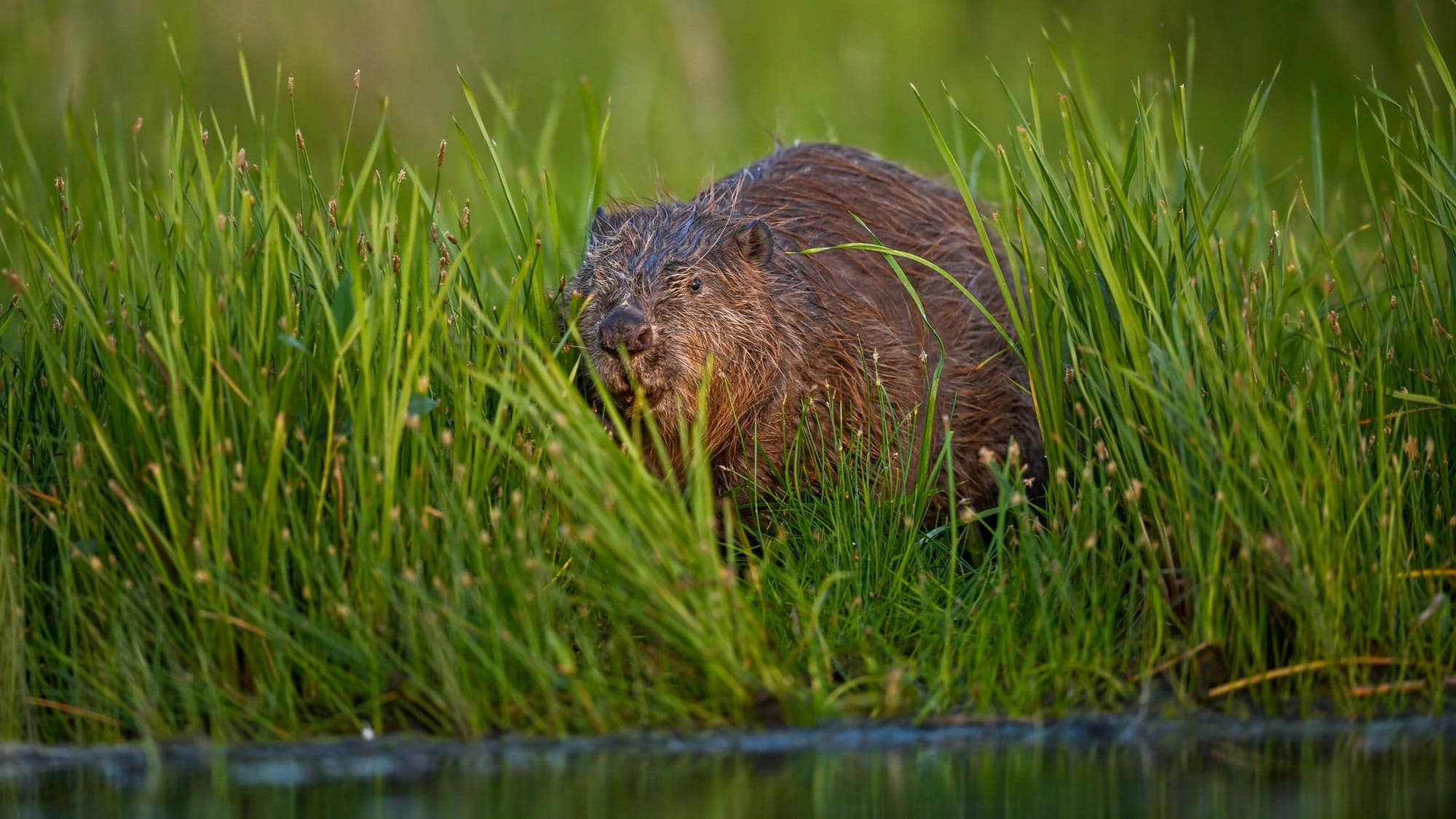
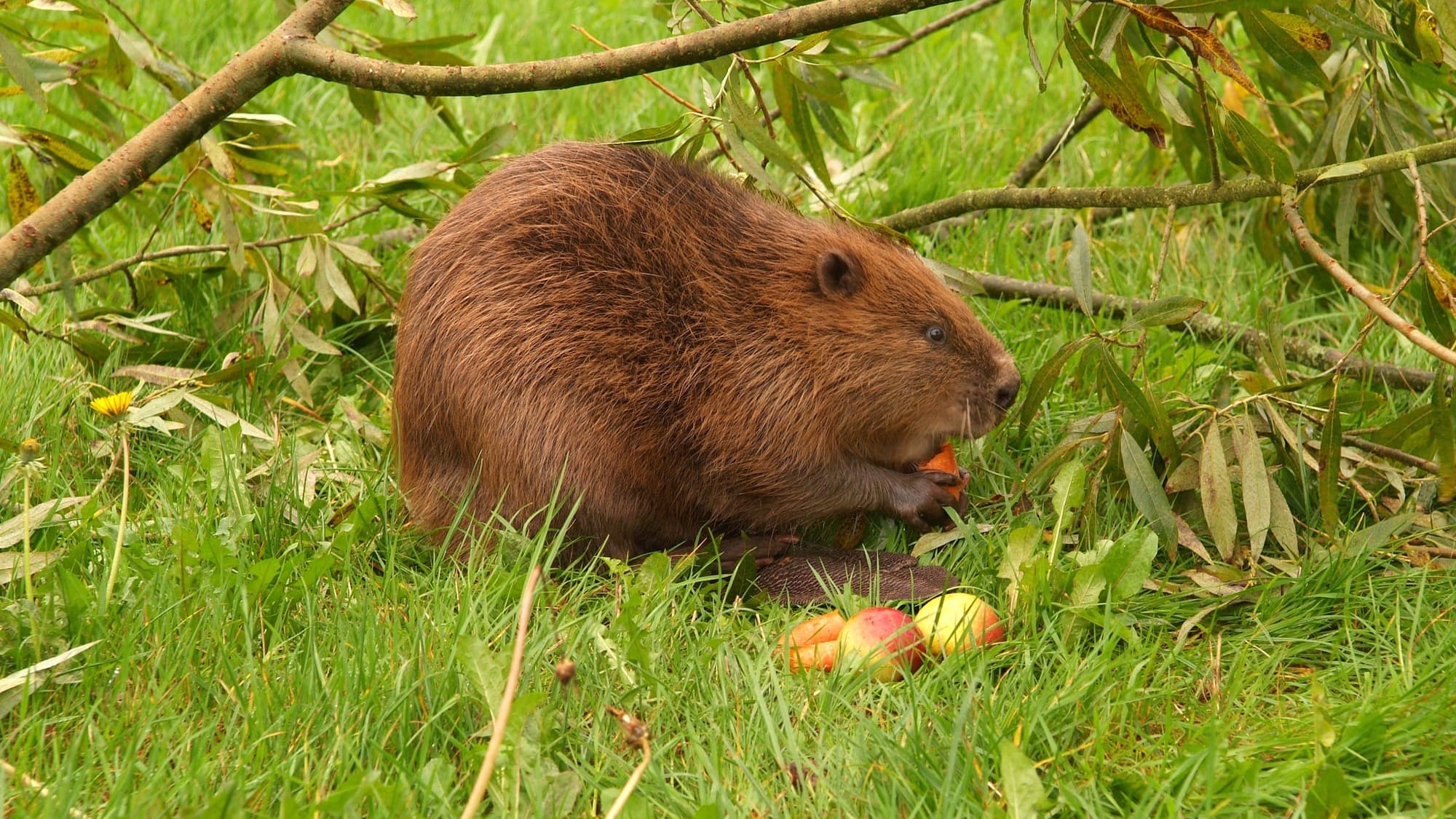
The world revolves around novelty. New study! New species! New data! Rarely do we hear what happened next. Which is why I particularly enjoyed a report, published yesterday, about how landowners along the River Otter are coping with beavers, more than a decade after their arrival in the catchment.
The report is fascinating because it shows a community in transition. For the people interviewed, beavers are no longer a novelty but part of the landscape, whether they like it or not. Yes, the beavers are having an impact (sentimental wisteria, beware!) but people are also adapting. They have installed wire mesh around their apple trees and fenced off their perch ponds. This is what coexistence looks like.
As the enclosures come down across the country and beavers are increasingly unleashed into the wild, this is an emotional – and, in some cases, practical – journey that more of us will have to make. Are you ready?
Other stories this week include:
- White-tailed eagle release in Exmoor
- How vegetation affects wildfire severity
- Wild boar and a cultural shift
- A seaweed new to science
Click here to read Ground Cover in your browser.
National news
Climate | The National Trust has warned that any weakening of the UK’s climate commitments will leave communities, wildlife and landscapes vulnerable to escalating climate shocks. The announcement comes as drought status is declared across the whole of Wales, and the Met Office reports that England and Wales have (provisionally) experienced their driest July on record. The Trust also launched a fundraising appeal this week after a wildfire in Suffolk caused ‘total devastation’ to one of the UK’s most important coastal heathland landscapes; the appeal has already raised more than £350,000. The news was widely covered. Meanwhile, farmers have said that Britain could face food shortages due to the heatwaves. Foreign affairs secretary Ed Miliband issued a statement that climate change is now a ‘national security emergency’, while Zack Polanski has called for higher taxes on oil and gas profits to fund wildfire prevention.
Water | The first comprehensive assessment of England’s rivers, lakes and coastal waters in six years found only one in seven is in good ecological condition. Data released by the Environment Agency shows that just 14.3% of surface waters were classed as ‘good’: less than 7% of lakes reached that level, while around half of rivers exceeded safe levels of phosphate, a nutrient from sewage and agricultural run-off. No single water body passed the test for chemical pollution. Little has changed since the last assessment in 2019, although the EA claims this is partly due to ‘updated analytical methods’ focusing on problem areas. New environment secretary Angela Eagle said the figures ‘underline the need for wholesale change across the water sector’. The BBC, Guardian and Water Magazine reported the news.
Organic | Environmental coalition ScotLink has called on the Scottish government to commit to doubling Scotland’s organic farmland by 2031. Expanding organic farming would benefit nature by cutting pesticide use, while also boosting rural business resilience and reducing emissions, according to the organisation. Scotland is leading the UK in organic farming growth, with seven consecutive years of expansion from 2018 to 2025, reaching 3.3% of agricultural land last year. However, it still lags behind the EU average of 11%, while Ireland has committed to reaching 10% by 2030. Pete Ritchie, director of Nourish Scotland, said the country has a ‘massive opportunity’ and urged the government to set a new target ahead of the Programme for Government in September. The Scottish Farmer and STV covered the news.
In other news:
- Farmers, landowners and some politicians are calling for a temporary ban on disposable barbeques to avoid wildfire risk, reports the Guardian; some retailers have already pulled them from shelves. Read more in the Conversation.
- NatureScot has announced a £9.2m funding boost for 44 nature projects, from red squirrels to fragmented rainforests. The Herald covered the news.
- The government’s case to exempt small sites from biodiversity net gain requirements is ‘not fit for purpose’, according to the Regulatory Policy Committee.
- Charities including the Wildlife Trusts have called out Kemi Badenoch’s attack on net zero, and urged her, and other politicians, to recognise the dual threat of the nature and climate crises.
You're a fifth of the way through.
Does heather or Molinia burn more intensely?
Is the guga hunt going ahead this year?
How do I grow a tiny fragment of mysterious seaweed?