Welcome to Ground Cover, our roundup of news, science reports and features. Here’s what you’ll find in this week’s edition:
- National: Chalk streams, eagle reintroduction, politics.
- Local: Knepp Estate, Ardeer Peninsula, Rothbury Estate.
- Reports: Cooperatives, birdwatching, nature-based solutions.
- Science: Balconies, Church of England, deep sea mining.
- Driftwood: London planes, invasivorism, bramley apples.
National news
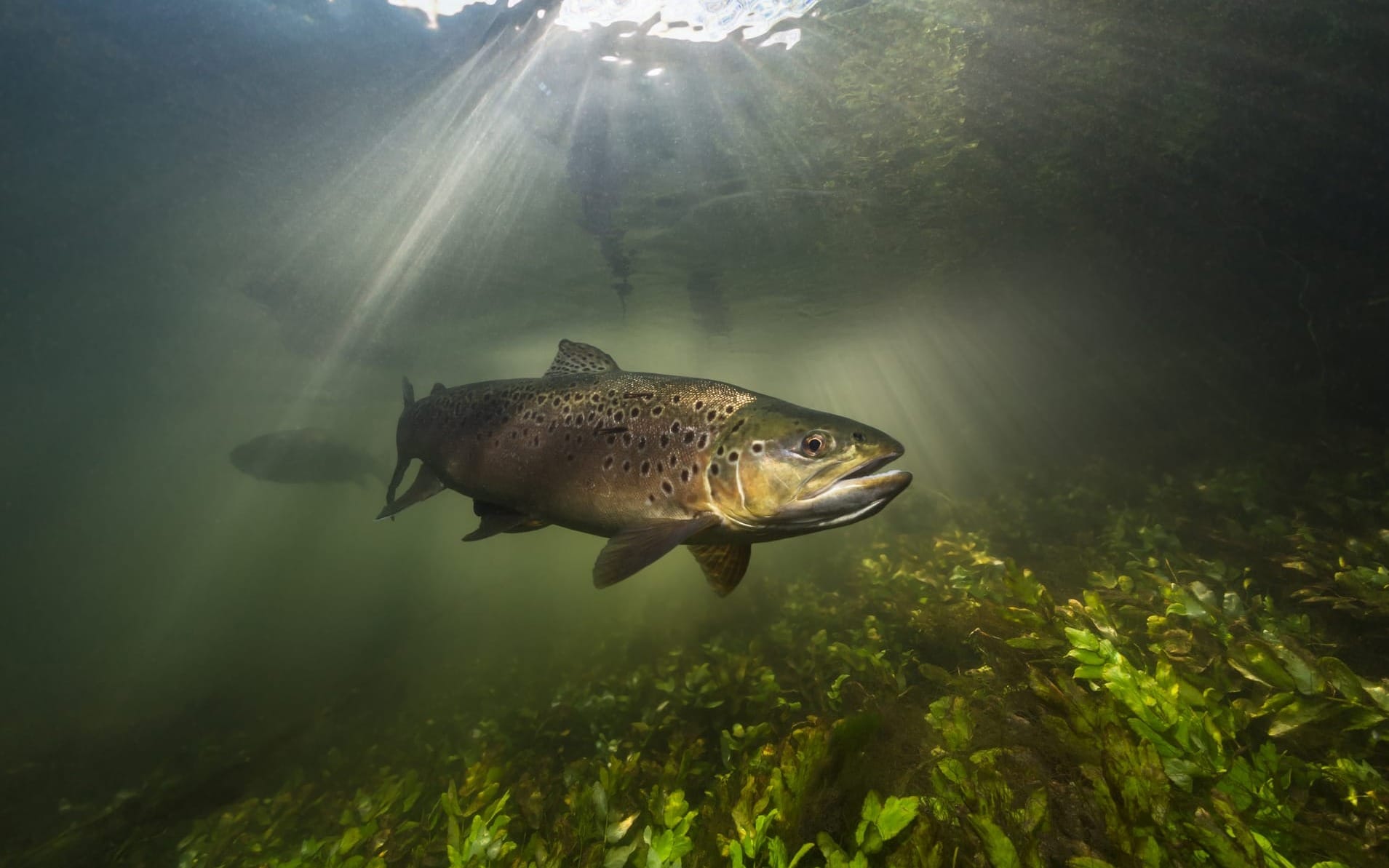
Chalk streams | The Wildlife Trusts have penned an open letter urging the government to introduce immediate, robust protections for England’s chalk streams. The letter is backed by more than 5,400 signatures, and it accuses Defra of failing to act on its previous commitment to enhance protections. Currently, none of England’s chalk streams – which account for 85% of the globally rare habitat – are considered in good overall health, with many impacted by water abstraction and pollution via storm overflows. The coalition is calling for a two-pronged approach to recovery: the first is to designate chalk streams as ‘irreplaceable’ in the National Planning Policy Framework, like ancient woodland, to provide clear guidance for developers. The second is to ensure the forthcoming Water Reform Bill includes specific protections, including limits on abstraction. The BBC reported the news.
Eagles | A survey by the National Farmers’ Union has revealed that farmers in northern England have deep concerns about the reintroduction of white-tailed eagles. The survey gathered more than 500 responses from NFU members in Cumbria, North Yorkshire and Durham, and found that 85% opposed reintroduction proposals from the Lifescape Project. Livestock welfare was the main concern, alongside financial and mental strain. The findings contrast with the project’s own consultation, which reported 78% public support across the wider community. Farmers Weekly and the Northern Echo reported the news, while a blog by author Roger Morgan-Grenville compares the situation to Norway, where sheep farming co-exists with high densities of eagles.
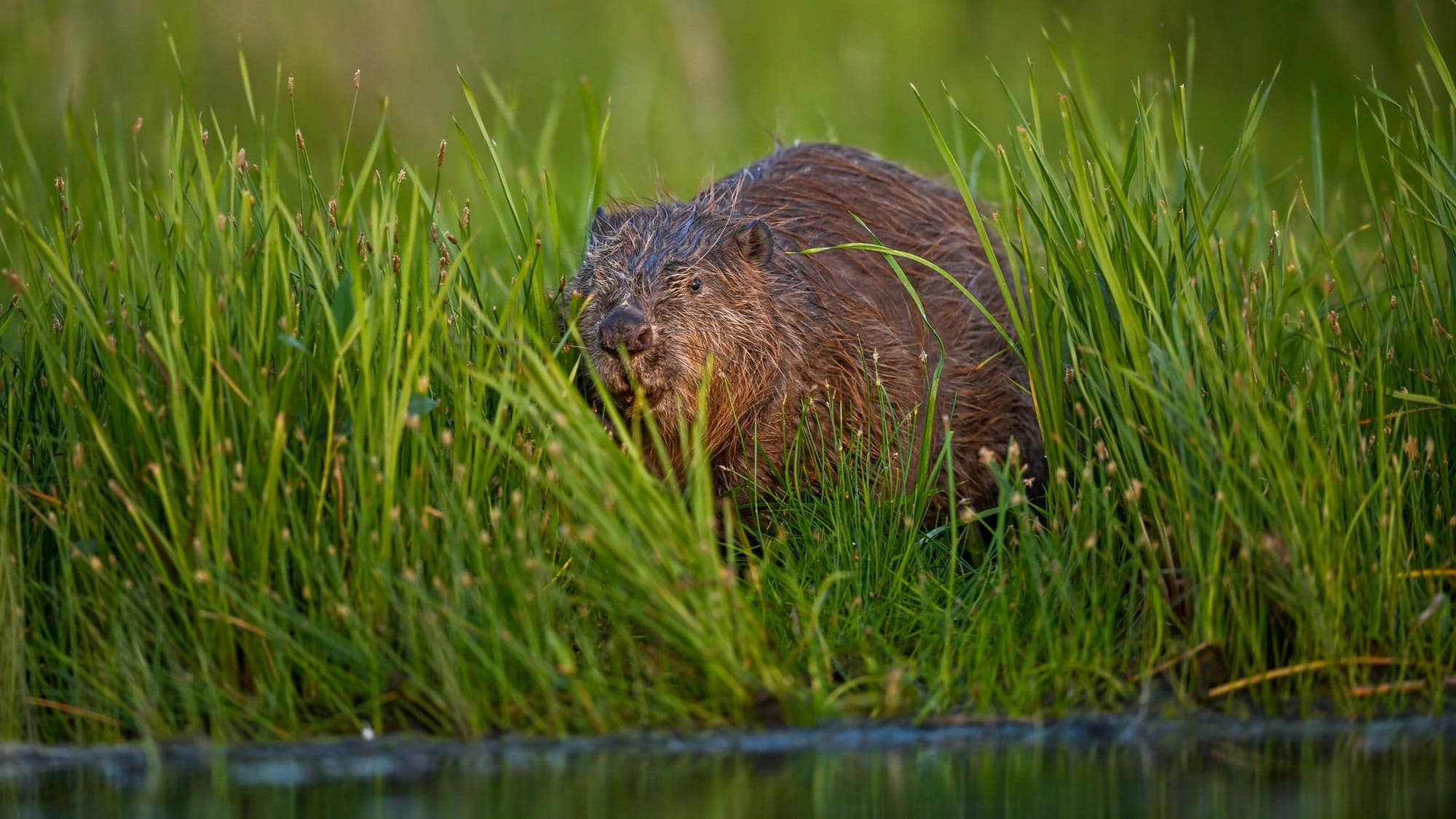
Politics | Speaking ahead of the elections this week, environment minister Emma Reynolds said that only Labour ‘can deliver for nature’ as her party faces pressure from the Green Party and Reform UK. Reynolds outlined plans for a range of green initiatives on state land, including tree nurseries at prisons, restored heathland and peat bogs on military ranges, and ‘green bridges’ over roads and railways. She also criticised her opposition parties’ environmental records, saying she ‘will not take lessons from a Green Party that rarely talks about nature’, and would be ‘very worried’ about the environment under Reform. The Greens hit back, while Reform appears divided on its nature policies: the party has previously rejected rewilding, but the Reform-led Leicestershire county council has recently backed the release of wild beavers. Meanwhile the Critic asked whether Reform are the ‘new Greens’.
In other news:
- A petition urging the government to do more to protect red squirrels has attracted more than 75,000 signatures, reports the BBC.
- It’s May, and that means an influx of features about the joys or deviancy of leaving one’s lawn unmown for a month. Get started with the Guardian, which looks at the transformation of gardens in Cheshire.
Across the country
Sussex | EDITOR'S NOTE: This was a story about the reintroduction of Black-veined White butterflies to the Knepp Estate, but the Knepp Estate got in touch to say that the original story from BirdGuides contained myriad inaccuracies. That story has now been taken down. You can read about the reintroduction in Knepp's own words on LinkedIn and Instagram.
Ayrshire | Campaigners have accused developers of ‘trashing’ the site of a former explosives factory, on the Ardeer peninsula, as NatureScot deliberates over whether to designate the land as an SSSI. The factory was closed in the 1990s, and since then has returned to nature, home to more than 1,000 invertebrate species. But a special development order from 1953 means that planning permission is not required for work in the area, and campaigners are particularly concerned about the extraction of sand from the dunes. NatureScot said it was a ‘complex site’ where they needed to ‘balance several different interests, including businesses, developers, local community groups, eNGOs and recreational users.’ The BBC covered the story.
Northumberland | The Wildlife Trusts has launched its largest landscape investigation at Rothbury Estate, which it aims to purchase – for £30m – for large-scale nature restoration. The charity has partnered with universities to explore the wildlife, ecology and history of the 9,500-acre estate, establishing a baseline before any restoration takes place. One project, led by the University of Oxford and music artist Louis VI, involves the installation of 20 acoustic sensors, known as AudioMoths, to monitor bats, birds and other species year-round. Another study will use soil eDNA sampling to reveal how historic populations used the land and what plants grew there over the last 2,000 years. The findings will inform the Trusts’ vision for nature recovery.
Elsewhere:
- Trees across Telford & Wrekin are coming under increasing pressure from climate change, according to a report covered by the Shropshire Star and BBC.
- A project by Natural England aims to protect eels in the Tees catchment, reports the BBC.
- TransPennine Express has finished creating new habitat at Yarm railway station, reports the Northern Echo.
- Fish, eels and birds have died in Moray, after a chemical polluted two kilometres of the Knockado burn, reports the BBC.
- Northumberland Council is reducing grass-cutting to improve biodiversity, and saving around £200,000 in the process, reports the Chronicle.
- A 2,000-year-old yew tree in Derbyshire is to undergo sensitive pruning to preserve its structural integrity, reports the Derby Telegraph.
- The National Trust is bringing back ‘puffin cams’ to the Farne Islands, so the public can once again watch the seabirds in action, reports the BBC.
How much balcony space is there in England and Wales? What does the Church of England think of nature? Should we eat invasive species? Is it time to get rid of London plane trees? All this, and more, below the paywall.