Welcome to Ground Cover, our roundup of news, science, reports and features. Here’s what you’ll find in this week’s edition:
- National: Habitat funding, Scottish delays, trees in Wales.
- Local: Wye charter, Glaswegian voles, London swimming.
- Reports: Raptor persecution, Windermere pollution, peat.
- Science: Cheviot goats, deer browsing, coal pollution.
- Driftwood: Calaminarian grasslands, sheep, food.
- Busy? Scroll to the bottom for abridged version.
National news
Landscapes | Nature minister Mary Creagh has announced a new £30m fund for restoring wildlife habitat in England’s protected landscapes. The government said the ring-fenced fund will deliver thousands of hectares of new and restored habitat across National Parks, Landscapes and the Broads over three years. In the first year, 36 of England’s 44 protected landscapes are expected to take part, benefitting species such as water voles, turtle doves, hazel dormice and curlew. Organisations including the Wildlife Trusts and the Nature-Friendly Farming Network welcomed the news, while Mary-Ann Ochota, chair of the Protected Landscapes Partnership, wrote in a blog that the fund ‘affirms a new direction of travel’ in which Defra is empowering local teams to restore their own nature. FarmingUK and ENDS reported the news.
Scotland | The Scottish government’s plan to restore nature is not delivering at the scale or speed needed, according to ScotLINK. The environmental coalition has published a tracker analysing actions outlined in the government’s 2024 Biodiversity Strategy. Of 136 actions, 18 are complete, 69 are in progress, and 49 are behind schedule. The tracker also includes a nature recovery score showing that, although action is underway, it is not yet translating into large-scale recovery. Paul Walton of the coalition said ‘a plan is only as good as its results’. Separately, statistics published by NatureScot reveal that a quarter of protected sites in Scotland are in unfavourable condition, and last year the agency monitored just 3.1% of protected features. The RSPB called on the government to urgently bring forward nature recovery targets and investment.
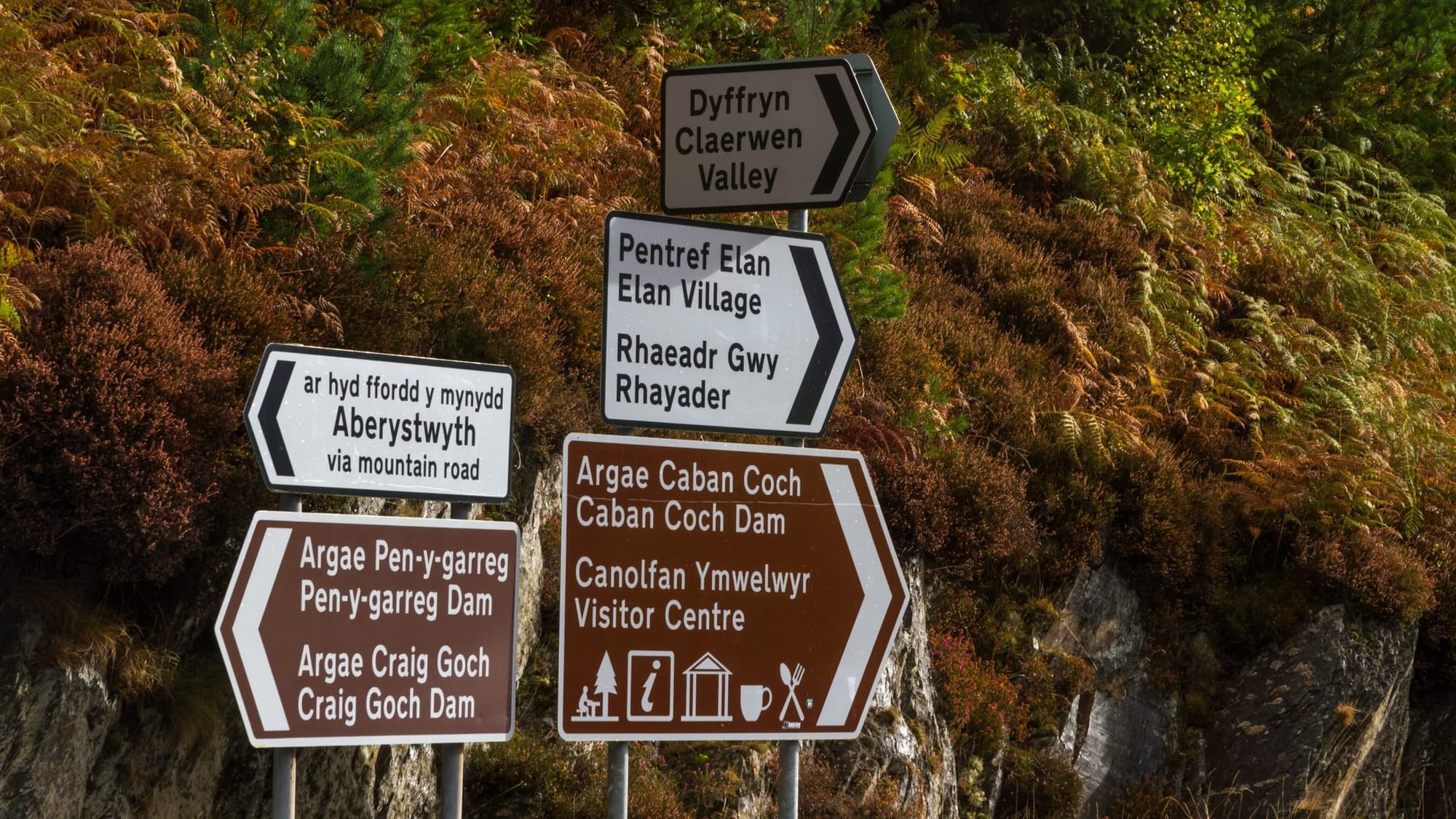
Trees | Communities across Wales are living in ‘tree deserts’, where a critical lack of urban tree cover is leaving people exposed to pollution, heat and poor health, according to research by the Woodland Trust. The figures reveal stark inequalities: coastal towns are among the worst affected, with 100% of Holyhead’s population judged to be facing additional health and environmental risk. The ten worst-performing areas are split between north and south Wales, showing that low urban trees is a national problem. However, the charity said the issue could be tackled, and highlighted Wrexham Council’s commitment to increase urban tree cover to 20%. The BBC and Nation Cymru reported the news.
In other news:
- A poll by the Wildlife Trusts found that nearly half of UK adults spend just three hours or less outdoors per week, reports the Guardian.
- The Animal and Plant Health Agency (APHA) has funded the training of two sniffer dogs to detect plant diseases for the first time, reports the Times.
- Defra has committed £7.5m in funding toward a third new national forest, to be located in either the Midlands or north of England.
- The Institute and Faculty of Actuaries has published a report calling on financial institutions and policymakers to treat nature loss as a serious economic threat.
- Food experts warn that Britain is ‘sleepwalking into a food crisis’ caused by extreme weather, inflation and the impacts of the Iran war, reports the Guardian.
- The Natural History Museum has launched Museums for Nature, a programme boosting biodiversity and widening nature access at museum sites across the UK.
- Polling found that Welsh voters are twice as likely to support the transition to the Sustainable Farming Scheme than oppose it, reports Business News Wales.
- The EFRA Committee has launched a call for evidence on the challenges facing upland farmers and land managers. Water Magazine reported the news.
- The UK has smashed the temperature record for May, reports the BBC and Financial Times. Wildfire risk is now regularly spreading to cool climates like the Scottish Highlands, reports the Conversation.

Across the country
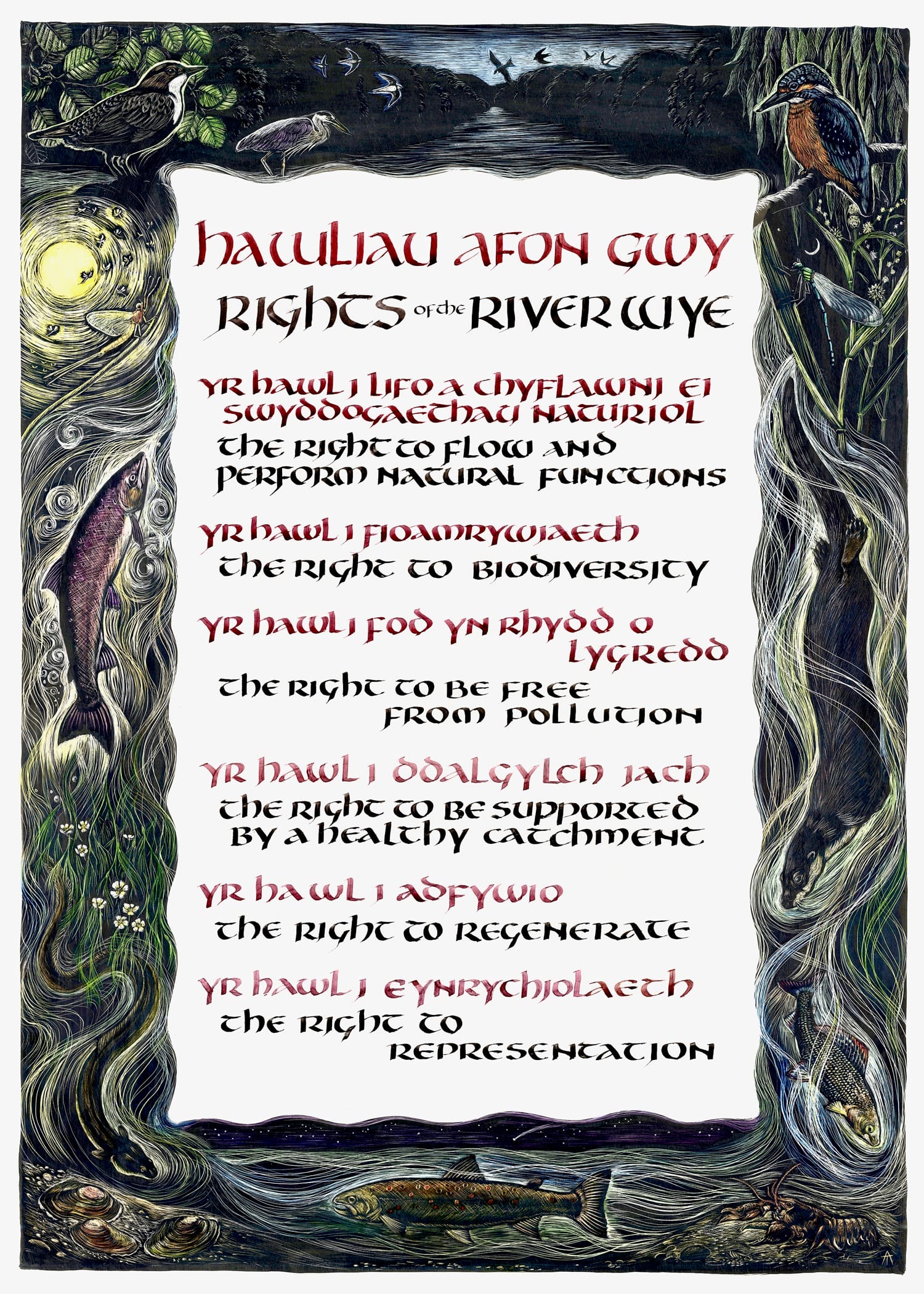
Wye | The intrinsic rights of the River Wye have been recognised in a charter, marking a ‘significant moment’ in the UK’s growing Rights of Nature movement, according to campaigners. The charter is the first full catchment river charter in the UK, and the first official recognition of rights for a Welsh river. It includes rights to flow and perform natural functions, support biodiversity, remain free from pollution, and be represented. Herefordshire and Powys councils have already implemented the charter and it is expected to be adopted soon by Gloucestershire and Monmouthshire. Councillor Jackie Charlton of Powys described the charter as a ‘vital step forward’, but said it was ‘only the beginning’ in tackling the river’s challenges, including severe pollution from agriculture and sewage. The news was widely covered.
Glasgow | A rare population of underground water voles has been captured and relocated from Glasgow’s East End ahead of building work. First discovered in 2008, the voles are unique to Glasgow: unlike their riverside-dwelling cousins, they have adapted to urban grassland, burrowing underground in parks, road verges and open ground. Scottish Water enlisted specialist ecologists to carefully move the voles to suitable nearby habitat, allowing work to begin on a sustainable urban drainage system. The team used empty Pringles tubes to help catch the voles, leading to one individual being nicknamed Paprika. The Glasgow Times and Herald covered the story.
London | Wildlife groups have criticised people for acting ‘selfishly’ after large crowds swam in a Hampstead Heath nature pond during the heatwave. The pond is a wildlife conservation area, and species including moorhen, coots and swans are currently nesting there, including 13-day-old cygnets. However, hordes of people ignored the large no-swim signs as temperatures reached 35C. The City of London called the scene ‘utterly appalling’, while the RSPB said it is a ‘crucial time of year for breeding birds’, and urged people to swim in the authorised ponds and lido. Nature campaigner Paul Powesland said that, while he did not defend the people’s actions, scenes like this are ‘an almost inevitable consequence’ of the lack of clean water access in London. The Guardian and Times reported the news.
Elsewhere:
- Wildlife including sand lizards and badgers have been spotted using a newly opened crossing linking heathland sites across the A3 in Surrey, reports the BBC.
- The Mid Cornwall Moors, including Helman Tor and Iron Age hillforts, have been named as the 14th site in the King’s Series of National Nature Reserves, reports the BBC and ITV.
- Glow worms, slime moulds and rare lichens are among 1,109 species discovered by a survey of rainforest on the West Cowal peninsula in Argyll, reports the BBC.
- Campaigners in Carrington are celebrating after councillors voted against development plans which would have felled 10,000 trees, reports the Manchester Evening News.
- West Cumbria Rivers Trust is looking for volunteer ‘balsam bashers’ to help remove invasive Himalayan balsam from riverbanks, reports the BBC.
- Lancashire Wildlife Trust has recruited five English longhorn cattle to graze at Sandyforth, a former opencast mine turned wildlife haven.
- Roses at National Trust gardens in the south of England are blooming earlier than ever due to climate change, reports the BBC.
- Yorkshire Water is trialling a new app which uses AI and real-time data to provide regular updates on water pollution, reports the BBC.
- Eastleigh Borough Council is searching for dormice using tunnels equipped with olive oil and charcoal to capture footprints, reports the BBC.
- Highland Council has proposed a draft Dark Skies planning policy to reduce light pollution, reports STV and Herald.
- The Woodland Trust has launched a £4.68m fundraising appeal to secure additional land at Snaizeholme to protect its resident red squirrels, reports the BBC and Darlington and Stockton Times.
- The Green-controlled Mid Suffolk District Council has purchased 2.5 acres of land by the River Waveney to protect it from development, reports the BBC.
- The West of England Combined Authority has announced a £5m fund to step up nature recovery efforts.
- A community network in west Wales called Ein Coed (Our Trees) is offering free access to hardy fruit and nut trees to boost local food production, reports Tenby Today.
- Campaigners from Dartmoor Nature Alliance are calling for temperate rainforest in the national park to be doubled in size, reports the Guardian.
Reports
Persecution | Almost 1,000 birds of prey were illegally killed in the UK between 2015 and 2024, according to an RSPB report. Although birds of prey have been protected under UK laws for more than 60 years, the report, Patterns of Persecution, documents 921 confirmed incidents involving protected raptor species, 55% of which were linked to land managed for gamebird shooting. The figures represent ‘only the tip of the iceberg’ since most crimes take place in remote areas. The RSPB is calling for gamebird shooting in England and Wales to be licensed as an ‘effective and meaningful deterrent’. The Countryside Alliance hit back, however, criticising the report as an ‘unbalanced presentation of the data’. The BBC, Independent and Herald covered the report.
Windermere | The Environment Agency has published a report exploring ways to reduce climate-induced pollution in England’s largest lake. Research suggests that Windermere’s mean temperatures will rise by 2.4C to 2.5C by the late 2070s, increasing concentrations of nutrients that cause toxic algae blooms. The agency tested three management scenarios, which involved reducing nutrient run-off from farmland, treating wastewater entering the lake, and removing all wastewater. The latter and ‘most ambitious option’ would be ‘fully cancel out the projected effects of climate change on the lake in the next 50 years’. The EA’s Andy Brown said the research gives ‘a stronger scientific foundation’ for future investments. The BBC covered the research.
 Coreen Grant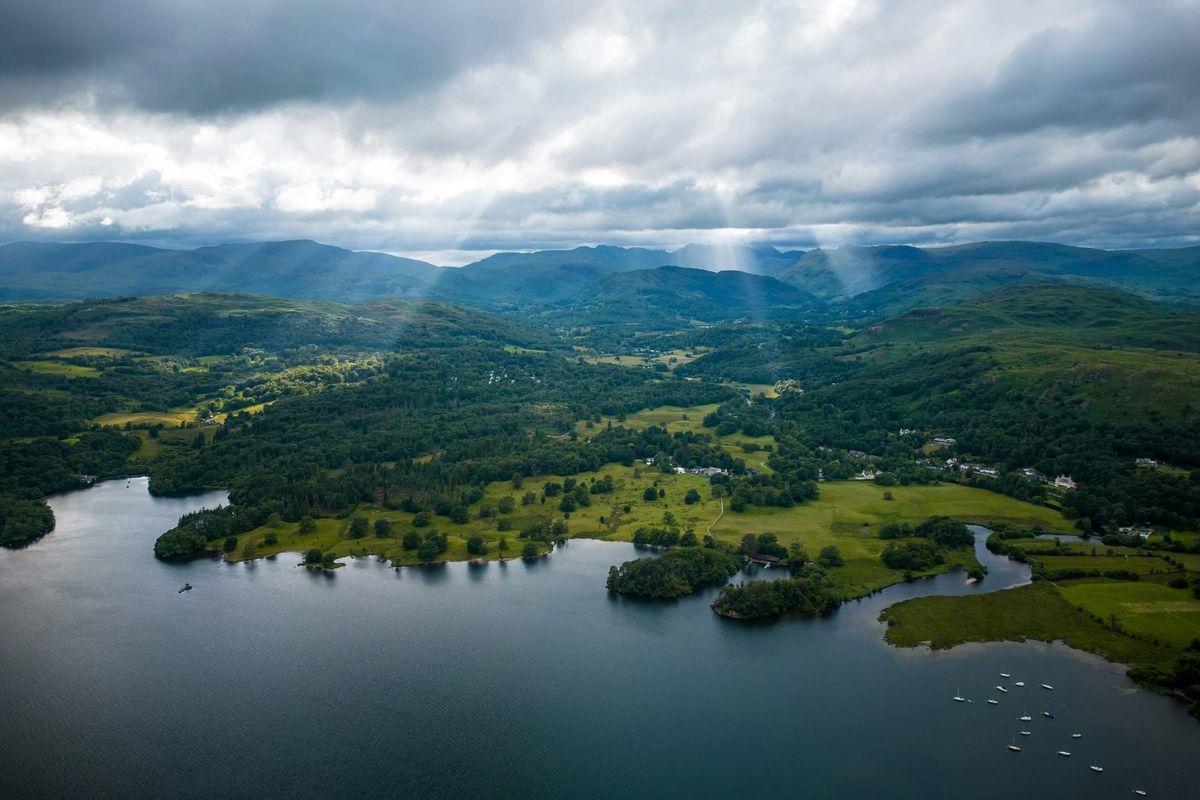
Peatland | NatureScot has launched a consultation on its first industry standard for peatland restoration. The voluntary guidance is aimed at anyone involved in caring for peatlands; it sets out collective care principles, existing legal requirements and good practice, aiming to align restoration approaches across sectors. Peatland ACTION developed the draft with experts, dividing guidance into three pathways – protection, management and restoration – depending on the peatland’s original state. It also explains how best practice interacts with activities including muirburn, grazing, afforestation, and development. The consultation is open until 28 August. Separately, Forestry and Land Scotland recorded 1,821 hectares of peatland restoration last year, up from 1,744 hectares in 2024-25, reports the Herald.
Science
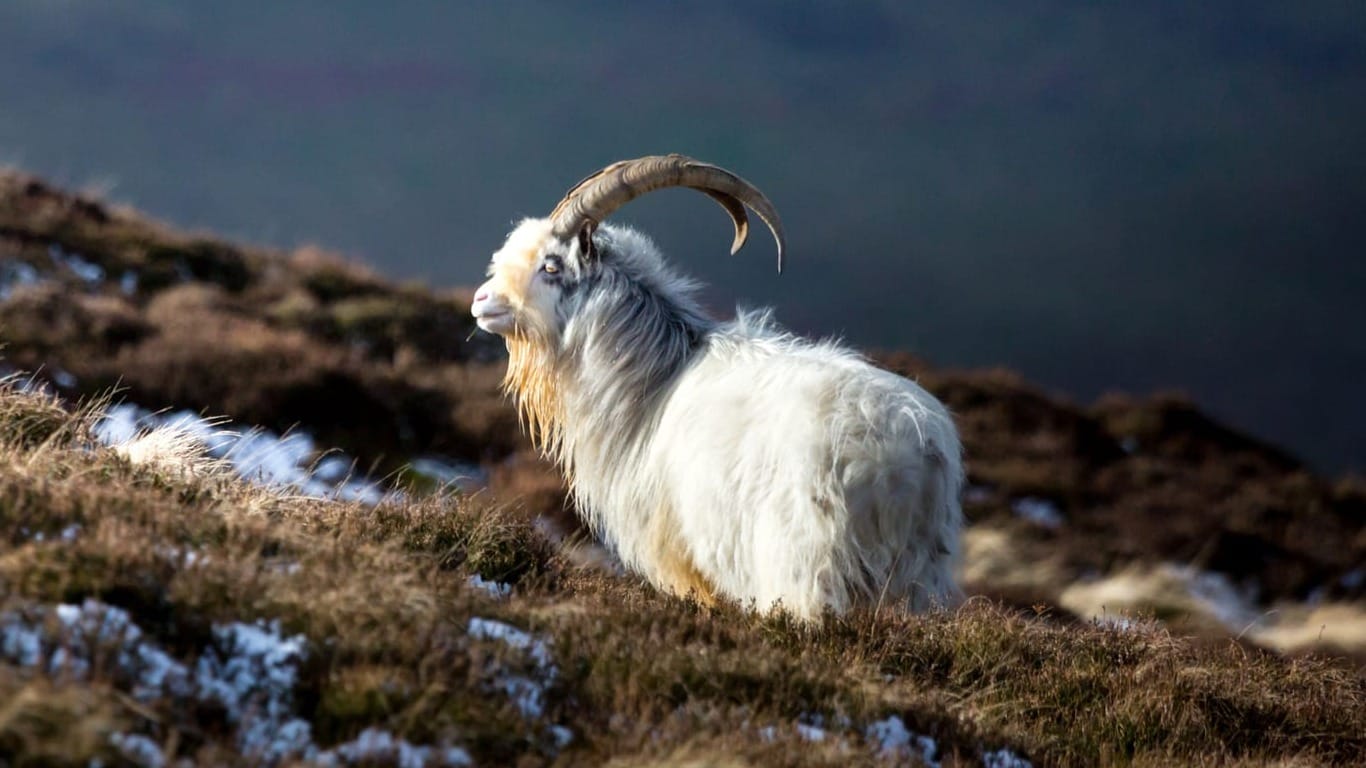
Goats | Cheviot goats roaming feral in Northumberland National Park are a genetically unique breed whose ancestry may stretch back to the Neolithic. A genetic study found no evidence of interbreeding, either recently or in the distant past. Although the population is highly inbred, researchers found no sign that this has led to harmful traits. In the past, the goats were viewed as a threat to native woodland and were periodically culled, contributing to severe population bottlenecks. Today, their genetic resilience is regarded as a potential resource, particularly when it comes to adapting commercial breeds to climate change. The authors recommend re-evaluating current management strategies in light of the new genetic evidence. An early version of the paper was published in the Journal of Heredity.
Deer | Browsing by deer suppresses new growth in woodlands – but the extent of the impact depends on the characteristics of the woodland itself. Researchers at Forest Research and University of Stirling studied 82 young woodlands across England and Scotland, and found that deer preferred small, dense sites with smaller trees and more diverse structure. Very low levels of deer activity actually boosted regeneration, but beyond a certain threshold recruitment stopped altogether. The authors suggest targeting management at the most vulnerable woodlands, while warning that excluding deer entirely could have unintended negative consequences. The study was published in the Journal of Applied Ecology.
Coal | Waste from the coal industry, tipped onto the beaches of County Durham during the 20th century, is still posing risks to both people and marine ecosystems. Up to 47 million cubic metres of colliery spoil was dumped along the coast, containing potentially toxic elements. Less than 5% of that material now remains on land, with the rest of it now at sea. This presents a long-term hazard to North Sea ecosystems, as storms or bottom trawling may stir it up again. The remaining deposits are accessible to the public, creating potential health risks. The spoil has also altered natural coastal processes, preventing normal wave erosion of the limestone cliffs – meaning they could become unstable and fail suddenly in future. The study was published in Applied Geochemistry.
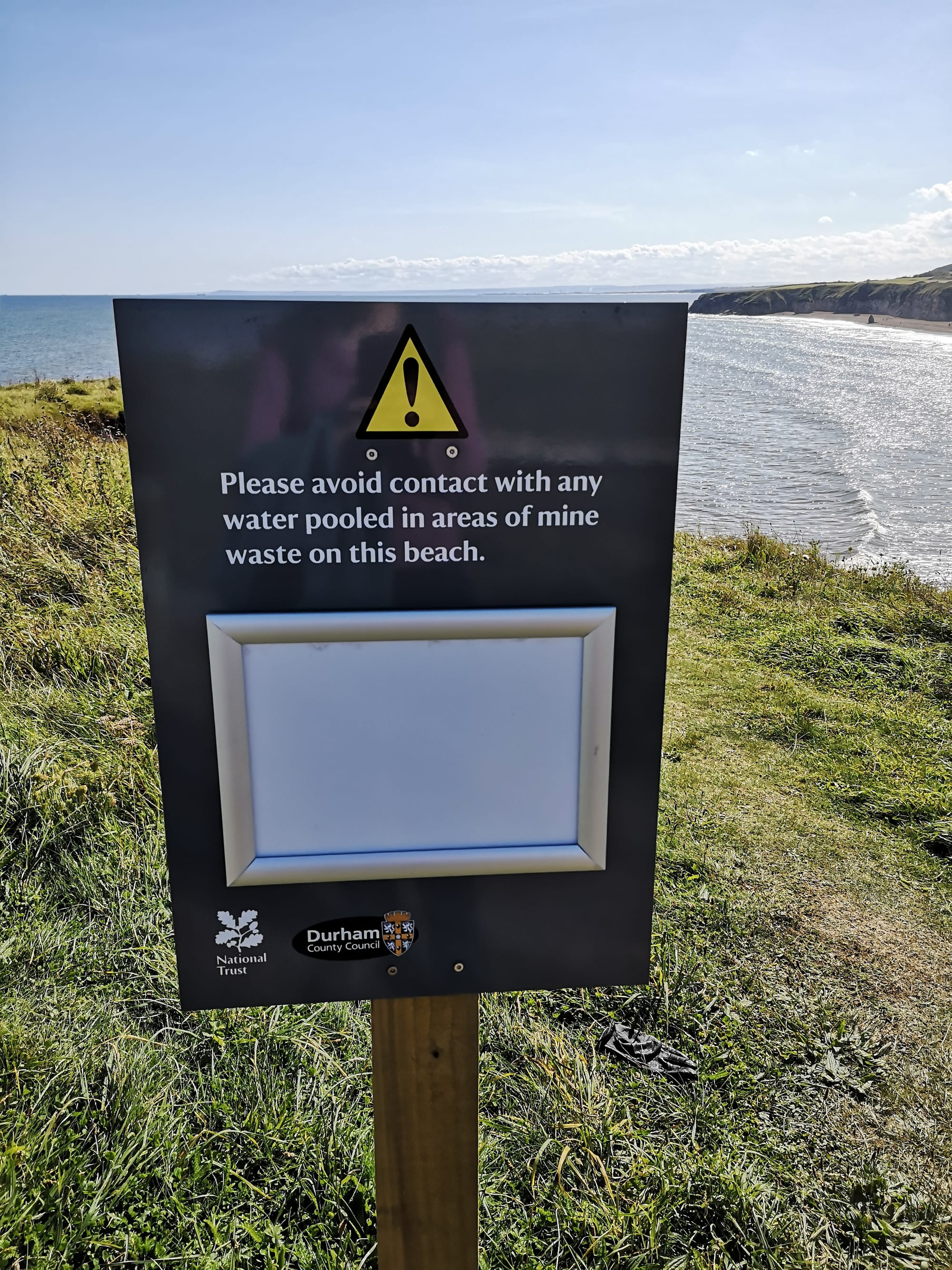
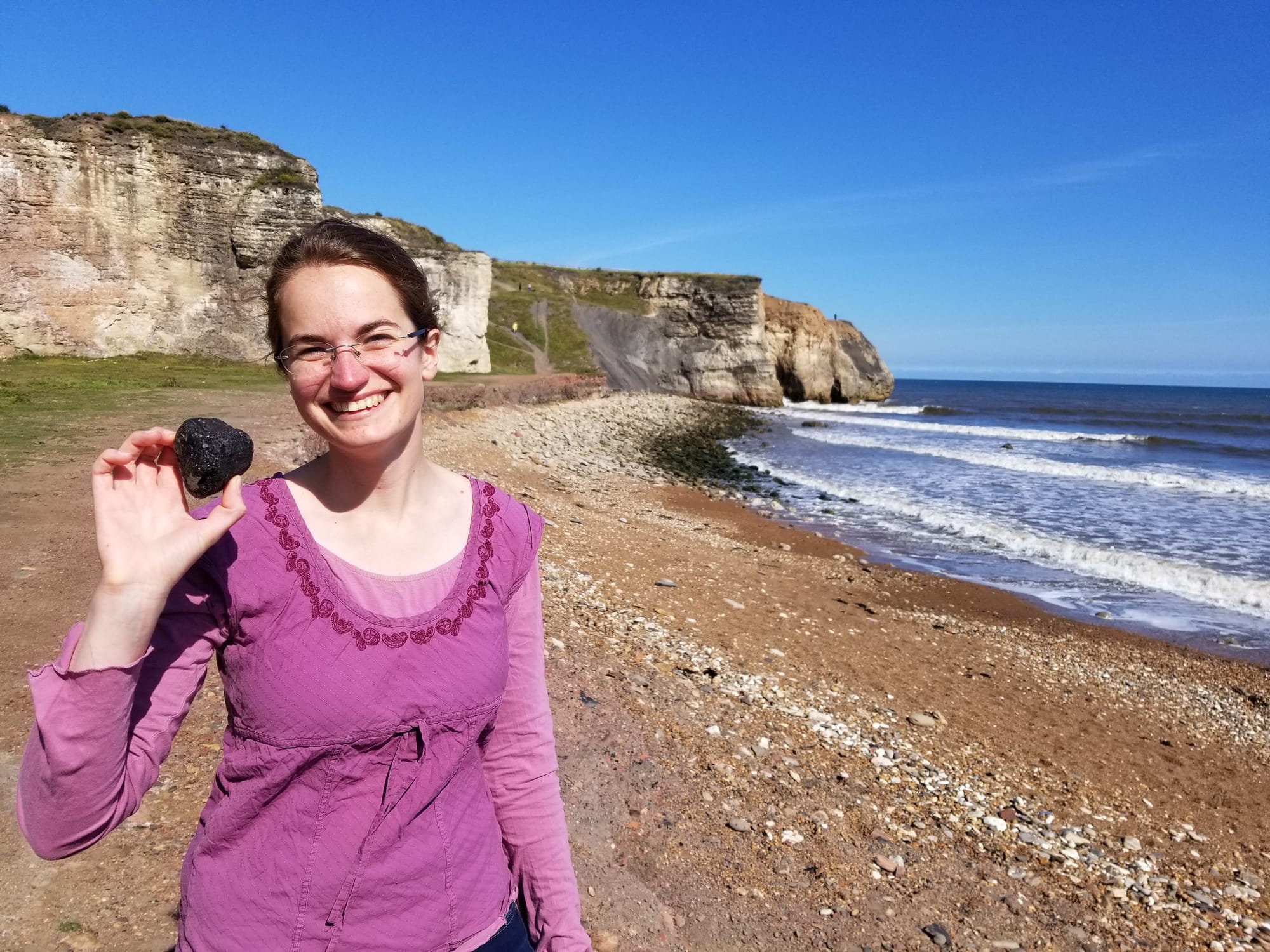
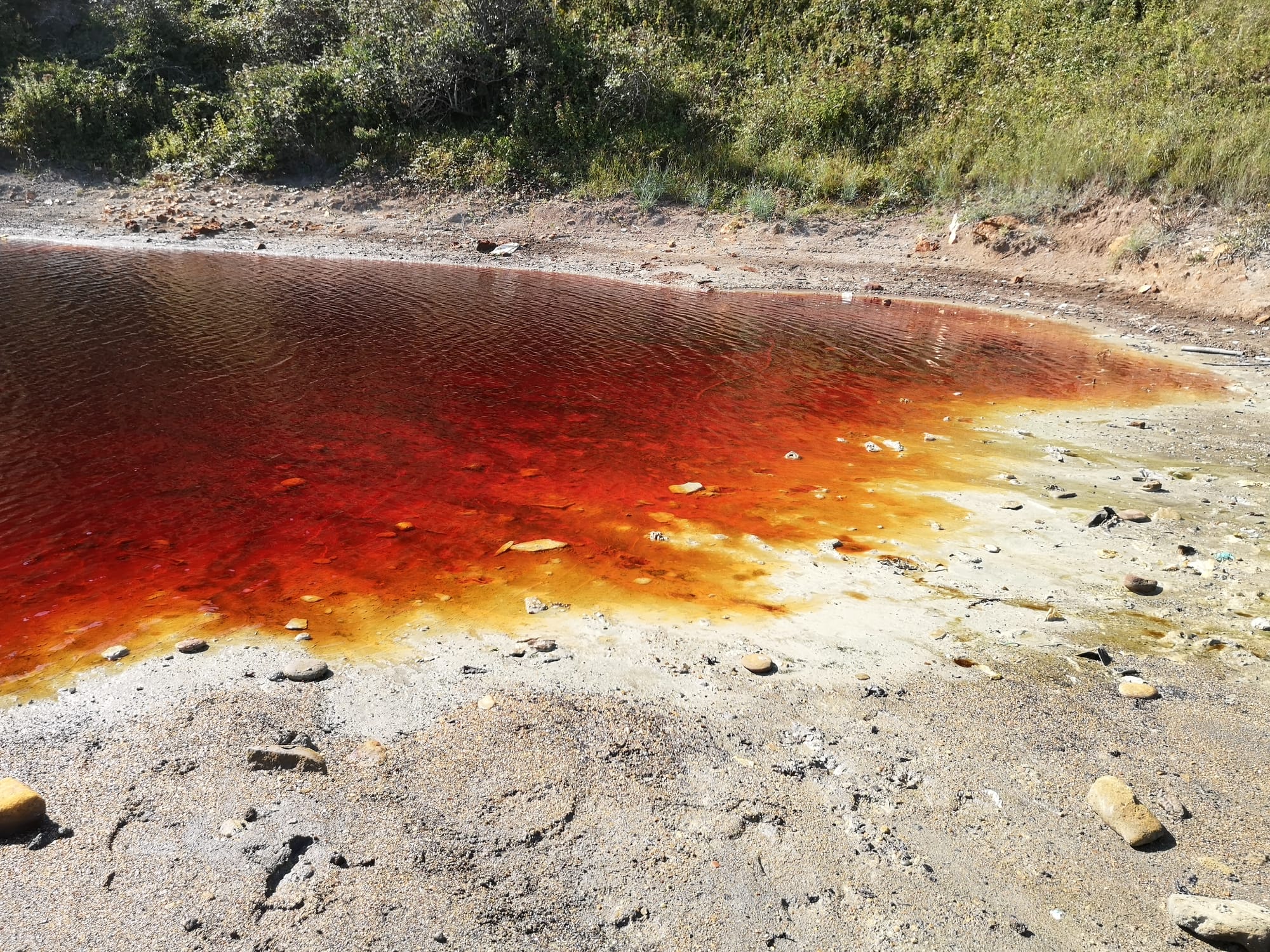
Taking advantage of a local (to me) story to share my own photographs of the beaches in question. A lovely day out, if you ignore all the toxic waste.
Driftwood
Grasslands | A Guardian feature explores the conservation conundrum of calaminarian grasslands. This is an increasingly rare habitat where specialist plants known as metallophytes have adapted to soils contaminated by heavy metals. Found in pockets across northern England, mid-Wales and the Highlands, these sites are a legacy of 1,000 years of lead mining. However, grasslands are successional habitats, and over time the metals become buried and hardier plants outcompete the flowers. Debate is growing over whether these toxic, human-made meadows should be protected. Several projects in northern England are exploring how metallophytes – which absorb metals through their roots – could help clean up polluted riverbanks, while also keeping the habitat blooming.
Uplands | For the Telegraph, farmer and conservationist Merlin Hanbury-Tenison explains why he transitioned his upland farm on Bodmin Moor away from sheep farming toward ecosystem services. The author, who wrote about rejuvenating rainforest on his land, says that sheep farmers are among the hardest-working people he knows, but after inheriting the farm he began examining the volatile economic prospects of relying on shifting subsidies. The ‘final nail’ was the realisation that sheep are not native to Britain, despite their ubiquitous presence, and their ecology tends to leave ‘a green desert of prairie land in its wake’. He argues that ‘farmers will farm whatever society encourages them to farm’, but it is time to ask whether ‘the practices of the last few centuries might have run their course’.
Hospitality | In Positive News read about Long Table, the pay-as-you-can restaurant turning hospitality ‘on its head’. Based at Brimscombe Mill in Stroud, the restaurant combines sustainable food with accessibility in what it calls ‘radical hospitality’. The concept is simple: there are one or two dishes on the menu, customers sit wherever there is space, and pay what they can afford. Integral to its mission is the ‘power of great food’, and its food policy prioritises ingredients from local farmers and regenerative agriculture, while menus are plant-focused, nutritious, and designed around seasonal availability. The strapline of the business is ‘feeding change, one bite at a time’, and founder Tom Herbert emphasises that it is not a charity reliant on funding, but rather a model for long-term resilience.
Further reading:
- The BBC speaks to young people about why birdwatching is now considered ‘cool’.
- A Country Life feature details the colonial history behind terrariums.
- A blog by RSPB England’s director explores whether the National Estate for Nature group, launched last year, could be the step change needed for nature recovery.
- The Conversation explains why tuna has overtaken cod as the UK’s top-selling seafood, and how sustainable fishing is underpinned by marine monitoring.
- CEO of Kew Gardens Richard Deverell shares why the botanical gardens are still a place of hope, despite the fatal impacts of climate change, in the Times.
- An essay in Atmos asks how farming can be more successful – and less damaging to the environment – by imitating nature’s processes through biomimicry.
- The Times has an interview with former NFU President Minette Batters ahead of the publication of her book, Harvest, described as a ‘rallying cry’ for the family farm.
- The Guardian reviews Hum, a novel about the ‘Disneyfication’ of nature which won this year’s Climate fiction prize.
- A Times feature explores how marine organisms including plankton, jellyfish and seaweed could help feed the world more sustainably.
A high note
Sycamore | The National Trust has announced the winner of its competition to create a memorial artwork for the Sycamore Gap tree. Helix Arts and George King Architects came top with both the public and judges for their concept, The People’s Tree. Rather than centring on a single monument, the proposal combines public participation, sound, architecture and storytelling to reimagine the tree’s legacy. Plans include exhibitions featuring audio recordings about people’s relationship with trees, a digital soundtrack created by scanning the tree’s rings, and a ‘sound sculpture’ with a time capsule to be installed along Hadrian’s Wall. Read more in the BBC and Northern Echo.
Short on time?
Download the abridged version of this week’s newsletter.
❓Do you find the abridged version useful? Do let me know – I have no way to track if anyone is reading it!