Last September, I found myself sitting next to Sir Charlie Burrell of the Knepp Estate, eating an awful lot of Knepp-branded steak, discussing the role of isotopes in unravelling the finer details of ancient bison habitat.
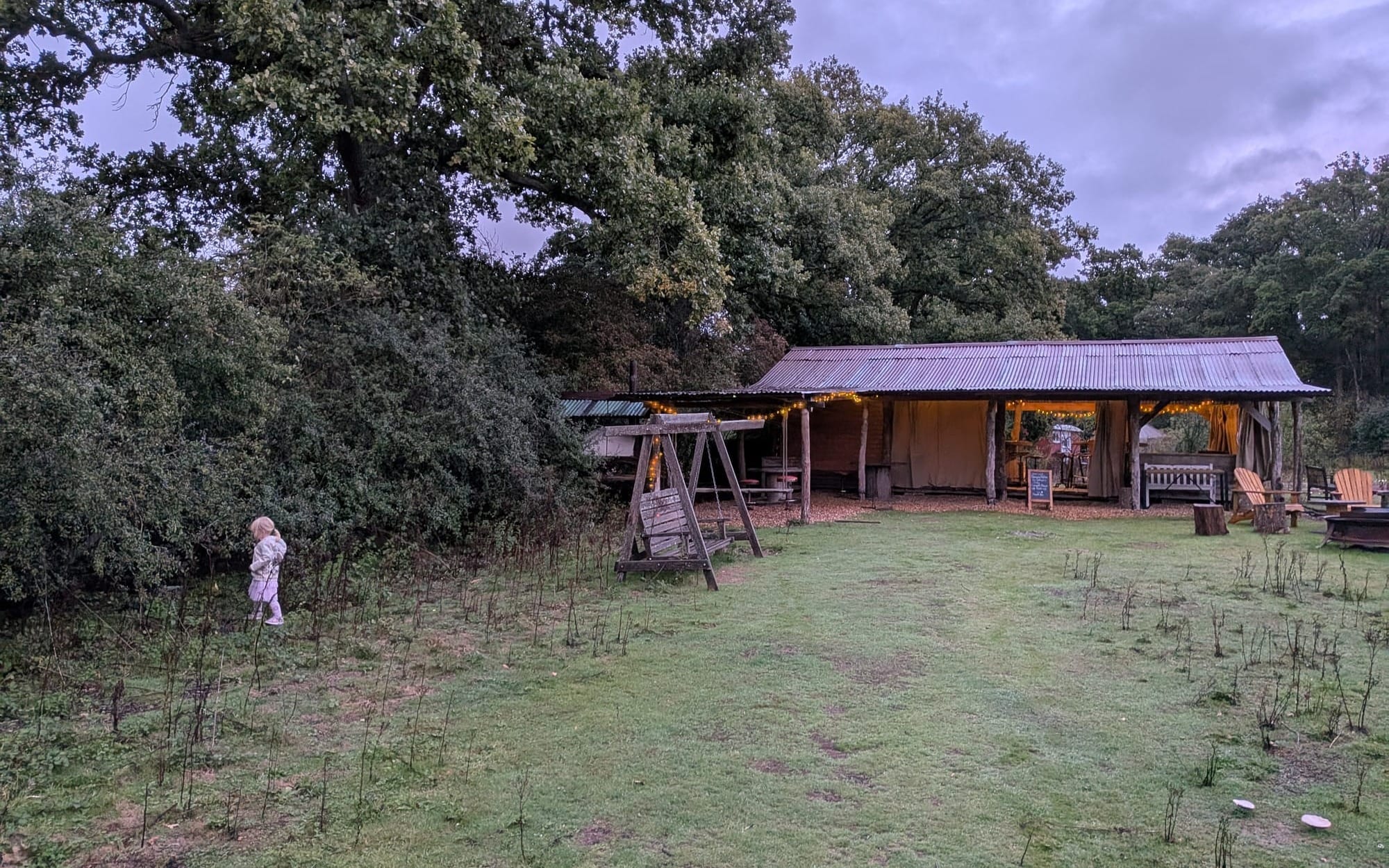
I had been invited to Knepp for a conference on archaeology and rewilding, run by the wonderful Dr Anwen Cooper of Oxford Archaeology. I wasn't particularly prepared for either the conference or the in-depth discussion of isotopes. I had just returned from maternity leave – in fact, my seven-month-old baby was waiting for me back at the yurt – and felt like I'd forgotten almost everything I once knew.
But I couldn't pass up such an opportunity. My book, Nature's Ghosts, is about the incredible role that archaeology can play in nature restoration. My message was that conservationists and archaeologists needed to unite – and here it was, happening at last! Anwen encouraged me to bring my family, so the kids spent two days foraging for blackberries and sheltering from the rain while I learned about ancient plants, wild horses, historic deer distribution and much more.
Those two days were energising, fascinating and galvanising. This week, I'm thrilled to cover the outcome: the Knepp Accord, to which I am a signatory. It is vital and unique, and I hope that conservationists everywhere read it and take note. And talk to your local archaeologist. They know amazing things.
This week, we also explore:
- Government's 'crushing' plans to meet 30x30 target
- A massive new rewilding project in Northumberland
- New policies on Dartmoor ponies
- A rethink for montane woodland restoration
- Wainwright Prize longlist announced for 2026
National news
30 by 30 | The government has published a plan to deliver its commitment to protect 30% of England’s land by 2030 – but environmental organisations have branded it ‘political hot air’ and a ‘crushing blow’ due to a lack of new legal protections. The plan identifies land covering 32% of England that is either already contributing, or has the potential to contribute, to the target, and provides guidance for private landowners for boosting voluntary restoration. It also commits £37m for National Parks and Landscapes. However, its own analysis shows that just 7% of land currently meets the 30x30 criteria.The OEP’s chief scientist, Professor Robbie McDonald, said that actions ‘do not amount to change at the scale and pace needed’, while Toby Perkins MP, chair of the Environmental Audit Committee, said that he was ‘yet to be convinced’ that aspiration would become reality. Campaigner Guy Shrubsole called for Andy Burnham to scrap the plan and commit to radical action. The same day, as if to prove the shortcomings of depending on voluntary action, the Church of England voted against plans to restore 30% of its land for nature. The Guardian covered the story.
Archaeology | Archaeologists, ecologists, farmers, artists and curators are among the signatories of the Knepp Accord – a new framework, backed by the Knepp Estate, National Trust and Oxford Archaeology, calling on archaeologists and conservationists to unite in tackling the nature and climate crises. The statement argues that archaeology can help us understand how people have shaped landscapes through time, provide practical insights into nature restoration and management, and reimagine the relationship between people and nature through stories of past connection. Dr Hannah Fluck, senior national archaeologist at the National Trust, said: ‘The decisions we make now will be visible for hundreds of years – and we owe it to past and future generations to ensure those decisions are informed by a deep understanding of people and place.’
Dotterel | The UK could lose its first species to anthropogenic climate change, according to the RSPB. The latest national dotterel survey revealed a ‘precipitous’ 89% decline since monitoring began in the 1980s. Dotterel are small wading birds that migrate from northern Africa to breed on rocky mountain plateaus across northern Europe, including the UK. The survey found breeding males at just 22 of the 217 sites surveyed, with most of the remaining population now restricted to the Scottish Highlands. RSPB scientist Leah Kelly said the species’ reliance on montane habitat makes it ‘particularly susceptible’ to climate-induced habitat loss. The charity added that managing alpine grazing levels and reducing disturbance from hillwalkers and dogs could improve the species’ resilience. Sky, ENDS and BirdGuides reported the findings.
In other news:
- Growers are pulling out of next year’s Chelsea Flower Show in protest over its ban on peat compost, reports the Times.
- Wildfire warnings are in place across much of the country, including southwest England and swathes of Scotland, while firefighters battle a blaze in north Wales.
- The UK has ratified the High Seas Treaty to help protect two-thirds of the world’s ocean.
- The government has quietly ‘gutted’ a £90m fund to save the world’s second-largest rainforest in Congo as a result of cuts to foreign aid spending, reports the Times.
- A letter signed by more than 100 conservationists and celebrities has urged Andy Burnham to halt the rollout of plans which would allow developers to sidestep environmental laws by paying into a national nature levy, reports the Guardian.
- A major digitisation project will begin this summer, aiming to create 700,000 digital records of specimens held in Scotland’s natural science collections, reports the Herald.
Across the country
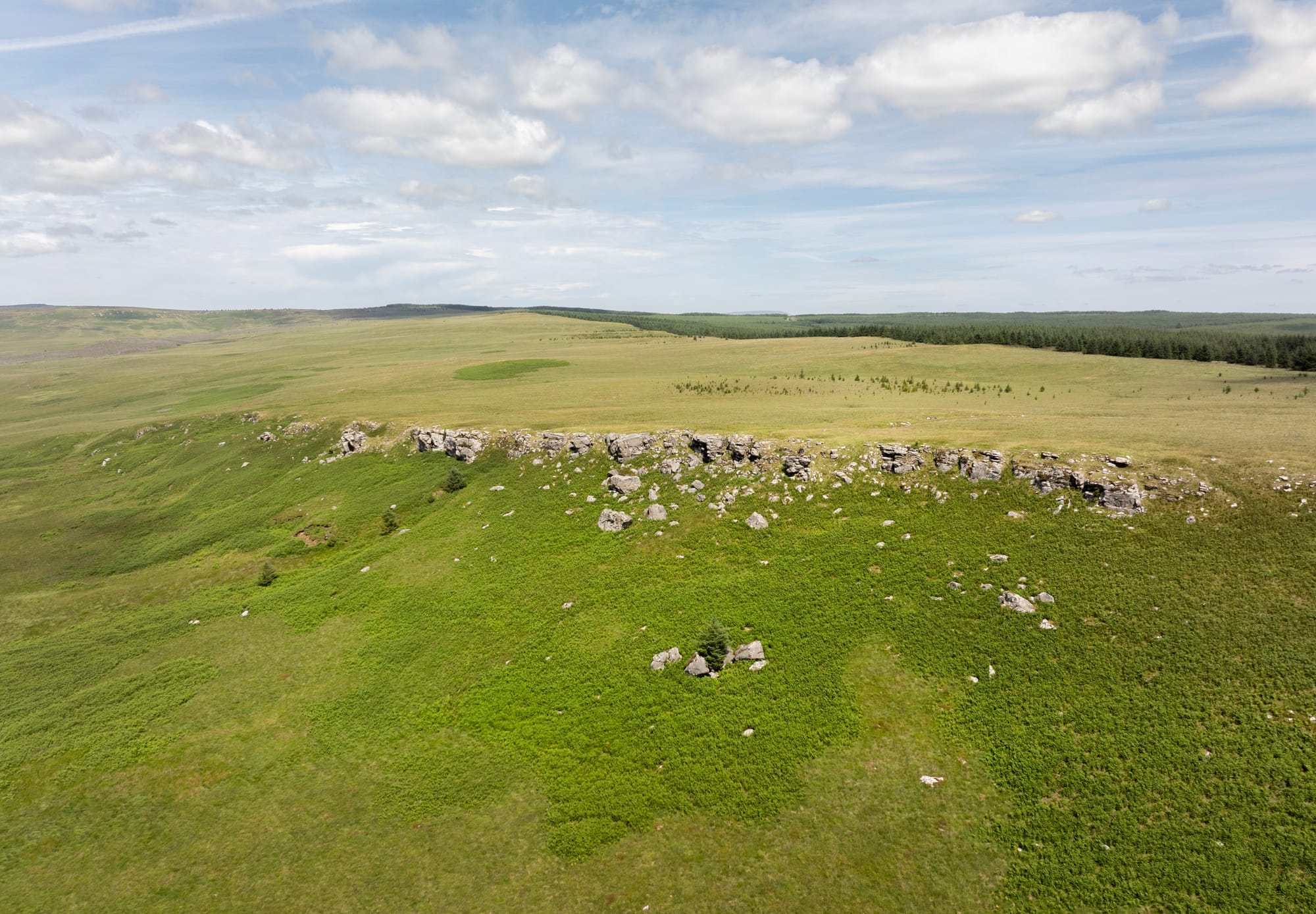
Northumberland | A 7,500-acre estate in Northumberland has been purchased for rewilding by Restore, the nature restoration business led by Rebirding author Benedict Macdonald. At twice the size of Knepp, the Embleton & Burngrange Estate is the largest contiguous single estate purchased solely for rewilding in England. Following previous management by the Kennel Club, which used the moorland to train gundogs, Restore has a 20-year plan to return the blanket bog and other habitats to full health. Macdonald told Inkcap:
‘In time, through a blend of natural recolonisation and some licensed reintroductions, it is hoped that Emblehope can function as a true biosphere reserve for northern England, and contain suitable habitat for golden eagle, crane, wildcat and black grouse, as well as the current assemblage of red-listed upland birds such as breeding raptors and waders.’
The £9m purchase was funded by a mix of a bank loan from Triodos, investment capital, and charitable grants. In the long-term, Restore hopes that the project will deliver £30m in nature credits – not used for offsetting – through corporate sponsorship of rewilding activity, as well as educational and outreach opportunities. Macdonald discusses the acquisition on this week’s edition of Ben Goldsmith’s Rewilding the World podcast.
London | Campaigners have called on City Hall to introduce a London-wide ‘Right to Grow’ framework, enabling communities to turn unused public land into food gardens. Several boroughs, including Hounslow, Southwark and Hackney, have already adopted similar policies, allowing groups to transform vacant land into allotments, community gardens and orchards. Now, the London People’s Assembly on Food, Nature and the Right to Grow is urging the authority to develop a standardised model for all 32 boroughs to make the capital ‘greener and more edible’ by 2035. Campaigner Kalpana Arias said the policy would strengthen biodiversity and improve food security in London, which currently imports 94% of its food. My London, the BBC and Haringey Community Press covered the story.
Dartmoor | The government has ‘secured’ the future of Dartmoor’s ponies after alleged cull proposals (covered in this previous Ground Cover). Environment secretary Emma Reynolds confirmed policy changes that will exclude the semi-wild hill ponies from stocking density calculations, after a requirement by Natural England to reduce livestock grazing. This implements a recommendation from the 2023 independent review of protected site management on Dartmoor. The changes also include a ‘pony supplement’ to remove any financial incentive to reduce pony populations, and were welcomed by the Dartmoor Hill Pony Association. However, the Dartmoor Nature Association said the move was a ‘deeply disappointing U-turn by a government that has caved in to conspiracy theories’. Chair Tony Whitehead said that by giving ponies a ‘free pass’ in stocking calculations, the government has simply shifted the burden of managing grazing elsewhere, undermining nature restoration. The news was widely covered.
Elsewhere:
- Grosvenor Square in London will reopen on Monday, following a £25m transformation into a ‘thriving urban garden for wildlife and people’.
- A peatland restoration project near Dumfries is focusing on protecting adders, slow worms and lizards, reports the BBC.
- Southern Water’s AI-powered sewer monitoring system prevented a ‘fatberg’ from polluting a Southampton river which is home to otters, reports the Daily Echo.
- The Environment Agency and West Cumbria Rivers Trust have joined forces to translocate hundreds of salmon fry upstream in How Beck to an area previously devoid of salmon.
- Ribble Rivers Trust has launched a £250,000 project to improve habitats and access to nature in the Forest of Bowland, reports the Lancashire Post.
- Swan Uppers on the River Thames are hoping to see another rise in cygnet numbers this year despite the winter outbreak of bird flu, reports the BBC.
- Thousands of fish died after a section of the Afon Dulas river in north Wales dried out, reports Wales Online and Daily Post. Elsewhere, anglers in Cumbria have reported a ‘heartbreaking’ fall in fish in the River Eden next to a sewage outlet.
- A shark scientist and a fisheries officer have created the Manx Shark Foundation to research endangered basking sharks, reports the BBC.
- A swift nest was reportedly thrown into a skip during house renovations in South Tyneside, reports the Guardian.
- Volunteers are using solar-panelled collars on grazing cows in the Vale of Glamorgan to help revive habitat for the endangered high brown fritillary butterfly, reports the BBC.
- Two endangered Przewalski’s horses born and raised at Marwell Zoo have been released into their native range in Kazakhstan, reports Blooloop, Daily Echo and BBC.
- A 40-year project in Norfolk and Suffolk has turned around the prospects of Little Terns thanks to 24-hour monitoring of breeding sites by volunteers, reports the BBC.
- Derbyshire Wildlife Trust has introduced three pigs to a meadow in Lea Wood to act as proxies for missing wild boar.
- Forestry and Land Scotland is tackling a growing invasion of rhododendrons on the Isle of Raasay, reports the Herald.
Reports
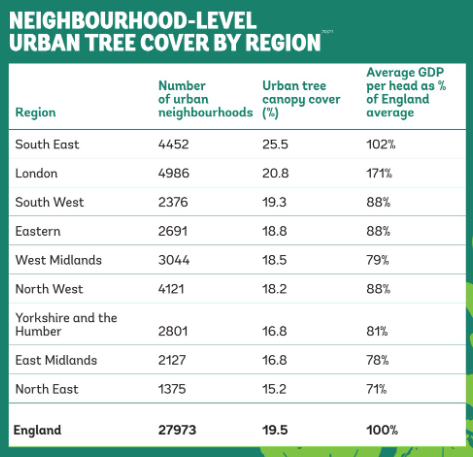
Trees | A policy report from the Woodland Trust calls on the government to urgently plant trees in urban areas to tackle soaring temperatures. Shading from tree cover can reduce surface temperatures by more than 10°C, but 11 million people in the UK currently live in ‘tree deserts’ with less than 10% tree cover. The report found that neighbourhoods with lower tree cover also face higher disadvantages across almost every measure: income, deprivation, health, crime and employment. The Trust is now urging the government to address tree inequality by committing 20% of its planned tree-planting to the towns and cities with the lowest tree cover. It also calls for 20% (£200m) of its promised £1bn investment into trees and woodlands to go toward these ‘tree deserts’. BusinessGreen covered the report.
Climate | The Met Office has released its annual UK Climate Report for 2025. Lead author Mike Kendon summarised its findings by saying: ‘What we used to think of as extreme, we increasingly consider as normal.’ Alongside record temperatures, the report found warmer conditions are moving ‘north and uphill’, with the UK’s coldest habitats shrinking in upland areas. River flows were the second lowest since 1961, while England had its driest spring for over 100 years. Warm and sunny conditions also led to high seed yields from plants including blackthorn and oak. Alex Marshall of the Woodland Trust explained that ‘producing this much seed comes at a real cost’ as plants exhaust their reserves and become more vulnerable to extreme conditions. The BBC covered the report.
Food | A report by the European Institute of Innovation and Technology explores how regenerative agriculture products can be better marketed for consumers. The report, based upon the results of a survey, found that consumers widely believe agriculture needs to become more environmentally-friendly, but the terms ‘resilient’ and ‘regenerative’ are not sufficiently engaging to drive shopping behaviours. Instead, buyers are looking for tangible personal benefits, particularly tastier, healthier and more natural food. The report concludes with recommendations for farmers, retailers and food manufacturers on communicating the benefits of regenerative agriculture, using language that resonates with everyday food choices.
Science
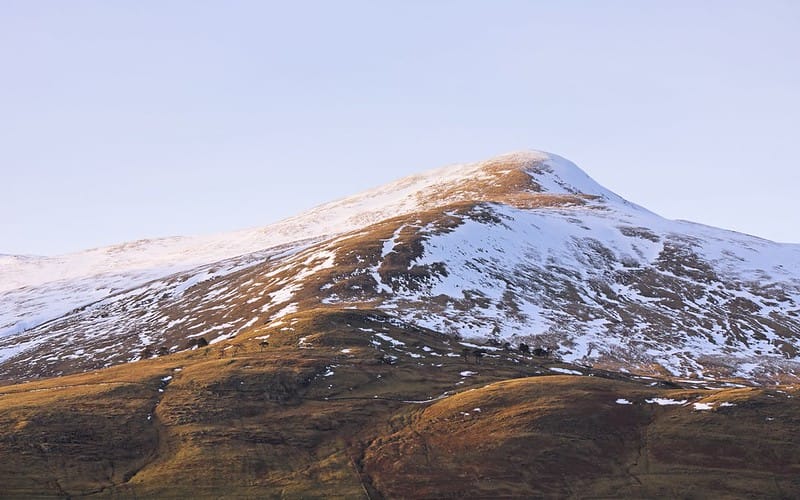
Restoration | Mountain woodland restoration efforts should focus on creating the right conditions for seedlings to thrive, rather than relying solely on natural regeneration, according to a paper in Restoration Ecology. Researchers at the University of Stirling studied downy willows planted on Ben Lawers in the Highlands, where the species has struggled to reproduce naturally. Three years of monitoring revealed that, while production was strong, the seeds did not remain viable for long. Seedlings established most successfully on areas of wet moss rather than bare soil, challenging previous assumptions about the best planting locations. The authors conclude that practitioners should recognise bryophyte microhabitats as key regeneration sites and collect seeds in mid-June, several weeks earlier than current guidance suggests.
Tracks | Vehicle tracks in the uplands frequently overlap with peatlands and protected areas, according to a study in Ecological Solutions and Evidence. In the UK, hill tracks are used mainly for wind energy, forestry and recreational shooting, but little is known about their extent and distribution. RSPB researchers used remote sensing to map surfaced hill tracks across Britain. They identified more than 5,000km of track, with almost half overlapping with carbon-rich peat soils. This was worst in England, where 89.4% of tracks occurred on deep peat. Track density was also higher in national parks than outside. The authors conclude that hill tracks frequently overlap with environmentally sensitive areas, highlighting the ‘urgent need’ for stronger regulation of track construction.
Lakes | A second study by RSPB scientists was published in Aquatic Ecology, which found that small fish-free peatland lakes are particularly valuable for aquatic insects and insectivorous waterbirds. The researchers examined ten lakes in Scotland’s Flow Country – comparing six with trout to four without trout – across five years. Correlations varied across species, but in general, insect and waterbird counts were slightly higher at lakes without trout. Trout-free lakes were particularly important for four insect species, including two nationally scarce caddisflies, and two waterbird species, including red-listed common scoters. The results, the authors conclude, demonstrate the importance of conserving trout-free lakes and avoiding artificial stocking.
Driftwood
Tree Rings | Writing for Aeon, dendroclimatologist Valerie Trouet explains how tree rings can decode the climate of the past. On a research trip to Mount Smolikas, the highest peak in Greece’s Pindos mountains, Trouet and her team took cores from ancient Bosnian pines and discovered Adonis, Europe’s oldest-known living tree dated using tree rings, at more than 1,000 years old. These days, she writes, dendrologists can read ‘so much more’ than a tree’s age from its rings. ‘Deep inside a tree’s trunk is an archive waiting to be found: tales of planetary shifts, cosmic events, and even turning points in human history.’ The Bosnian pines enabled Trouet to reconstruct pre-industrial climate patterns, matching ‘seesaws’ in the Jet Stream to weather extremes and even periods of societal upheaval, such as the Black Death.
Asylum | A Guardian feature spotlights an initiative by the charity Action Asylum that brings together local residents and refugees through environmental volunteering. Journalist Diane Taylor joins a group clearing invasive Himalayan Balsam from the River Dee in north Wales. Other projects involve beach cleans, tree planting and habitat restoration. The initiative is ‘boosting community cohesion at a time of attacks on asylum seekers’ while improving the environment for everyone, Taylor writes. Following a £1.62m funding boost, the programme will expand into areas including Sheffield, Newcastle and Bolton. Lead ambassador and refugee Jane said: ‘When you plant a tree, it does not matter who you are or where you came from. We plant belonging, and we plant purpose.’
Venison | Once upon a time, venison was peasant food – until the medieval nobility created deer parks for hunting, and it became an elevated dish. Now, venison is slowly but surely becoming ‘available to all again’, according to an article in Wicked Leeks. At the forefront is the environmental argument – to help reduce the ecological impact of outsized deer populations – but its growing popularity is also driven by a low carbon footprint and high nutritional credentials. Catering company Levy now sells wild venison at 80 national venues, including Wimbledon and football stadiums, while the NHS serves around 23 tonnes each year. UK supermarkets mostly still sell farmed versions due to stringent requirements on stalkers, but this could change thanks to growing demand.
Further reading:
- The Guardian investigates why extracted peat is still used in horticulture, despite the stark environmental case against it.
- Karyn Haw, an officer at Natural England, writes about why the death of the Major Oak is both ‘an ending and beginning’ in this blog.
- The Conversation investigates how the eco-credentials of alternative burials, such as composting and water cremation, hold up.
- BBC InDepth explores how changes to the Atlantic currents could make Britain’s weather even more extreme, while the Conversation explains why bees are struggling to survive this summer.
A high note
Books | The Wainwright Prize, celebrating the best in nature and conservation writing, has announced its 2026 longlist. This year’s list features 68 books across nature, conservation and children’s categories. Children’s submissions were up by more than 25% on last year, reflecting a ‘growing appetite among young readers’ for stories about the natural world, according to the organisers. The adult titles explore topics including ancient woodlands, green crime, urban nature, oaks, neurodivergence, craftspeople and whispering rocks. Returning judge and host Henry Bird said the books ‘hum with wonder, curiosity and urgency’.